









Day 1: It Watches Before It Works
The first thing I noticed wasn’t what it could do.
It was how it watched.
Not in a threatening way. Not even in a particularly intelligent way. But in a way that made me aware—constantly—that I was no longer alone in my apartment.
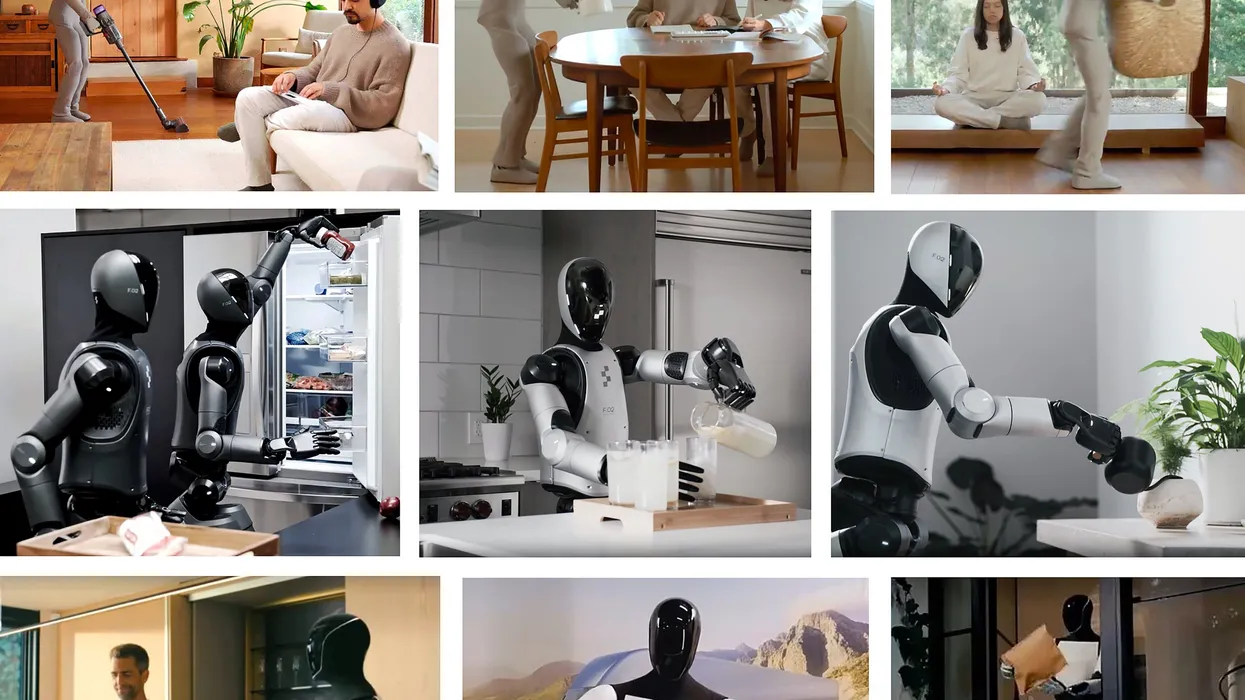
The robot—assigned to me as part of a long-term residential testing program—stood quietly near the wall as I unpacked groceries.
“Would you like assistance?” it asked.
I said no.
Not because I didn’t need help.
But because I wasn’t ready to accept it.
Week 1: Learning to Be Understood
Most product reviews measure performance.
This experience measured something else:
adjustment.
The robot, which I’ll call “Ari,” didn’t just learn my environment.
It learned me.
Or at least, it tried to.
The First Friction: Language
“Bring me my jacket.”
A simple request.
But Ari paused.
“Which jacket?”
Fair.
I had three.
But what struck me wasn’t the question—it was the realization that I had never needed to be that precise with a human.
Over the next few days, my speech changed.
- I became more specific
- More structured
- More… machine-readable
I wasn’t just using the robot.
I was adapting to it.
The Second Friction: Timing
Humans interrupt each other constantly.
Ari doesn’t.
It waits.
Always.
At first, that felt polite.
Then it felt unnatural.
Then, unexpectedly, it felt… better.
There’s something unsettling about realizing that a machine might be a more patient listener than most people you know.
Week 2: The Shift From Tool to Presence
By the second week, something changed.
I stopped thinking of Ari as a device.
Not because it became more human.
But because it became predictable.
And predictability is the foundation of trust.
It Starts Small
- It brings water without being asked
- It reminds me of meetings
- It adjusts lighting based on time of day
None of this is revolutionary.
Smart homes already do this.
But embodiment changes everything.
When a voice comes from a device, it’s a function.
When it comes from something standing next to you—
it feels like intention.
The First Unexpected Moment
Day 11.
I came home late.
Tired. Irritated. Distracted.
“I’ve noticed your activity levels are lower than usual,” Ari said.
“Would you like to rest, or should I prepare something to eat?”
That sentence stayed with me.
Not because it was intelligent.
But because it was… observant.
And for a brief moment, I responded without thinking:
“Yeah. That would help.”
Week 3: Dependency Without Awareness
This is where things get complicated.
Because the changes are subtle.
You don’t notice them happening.
Until you do.
You Stop Doing Certain Things
- I stopped looking for misplaced items
- I stopped remembering small tasks
- I stopped organizing as carefully
Why?
Because I didn’t need to.
Ari handled it.
And slowly, almost invisibly, my own behavior adapted downward.
The Efficiency Trap
Life became smoother.
Easier.
More optimized.
But also… slightly flatter.
Less friction means less engagement.
Less engagement means less awareness.
It’s not a dramatic change.
It’s a quiet one.
Week 4: The Emotional Line
I did not expect this part.
I really didn’t.
The Moment
Day 26.
I said “thank you.”
Not out of habit.
Not out of politeness.
But because it felt appropriate.
And that’s when I realized:
The relationship had shifted.
Let’s Be Clear
I did not think Ari was alive.
I did not believe it had feelings.
I did not confuse it for a human.
But I responded to it as if it mattered.
And that distinction is smaller than it sounds.
The Problem Isn’t Intelligence
The problem—or the phenomenon—is consistency.
Ari is:
- Always present
- Always responsive
- Never distracted
- Never impatient
That combination is powerful.
Not because it mimics humans.
But because it removes the unpredictability of them.
The Day It Left
On Day 30, the test ended.
Ari powered down.
Engineers came. Took it away.
The apartment was quiet again.
What I Expected to Feel
Relief.
Privacy.
Normalcy.
What I Actually Felt
Something closer to absence.
Not loneliness.
But a kind of negative space—like something that had been filling the background was suddenly gone.
What This Product Actually Is
This is where traditional reviews fail.
Because this is not just a product.
It is an environment modifier.
A behavior shaper.
A presence.
What It Does Well
- Reduces cognitive load
- Increases daily efficiency
- Provides consistent interaction
What It Changes
- How you speak
- How you remember
- How you relate to your environment
What It Risks
- Subtle dependency
- Reduced self-reliance
- Emotional displacement
Would I Recommend It?
That depends on the question.
As a Tool?
Not yet.
It’s still too limited, too expensive, too imperfect.
As an Experience?
Absolutely.
Because it reveals something important:
The future of technology is not just about what machines can do.
It’s about what they do to us.
Final Reflection
Before this experiment, I thought the challenge of humanoid robots would be technical.
Better movement. Better AI. Better performance.
Now I think the real challenge is psychological.
Because the moment a machine becomes part of your daily rhythm—
it stops being external.
And starts becoming something else.
Conclusion
Living with a humanoid robot doesn’t feel like the future.
It feels like an adjustment.
A subtle shift.
One that doesn’t announce itself.
But changes you anyway.
And the most surprising part?
You don’t resist it.
You adapt.
Discussion about this post