








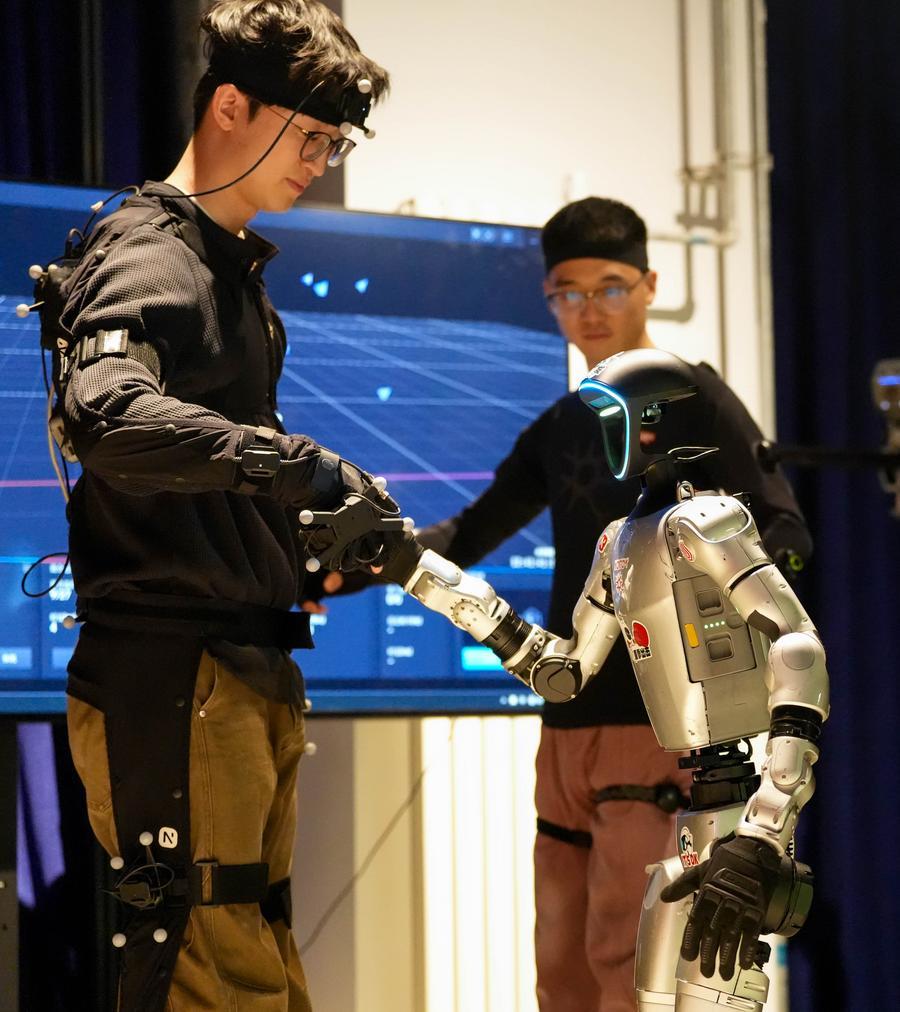

Introduction: From Industrial Machines to Household Companions
For decades, robots in the home were limited to simple, task-specific devices—robot vacuum cleaners, smart assistants, and automated appliances. These machines improved convenience but lacked true intelligence, adaptability, and interaction.
In 2026, that is beginning to change.
Humanoid robots are emerging as a new category of household technology—machines designed not just to perform tasks, but to live and interact alongside humans. They represent a shift from tools to companions, from automation to integration.
As costs decrease and capabilities improve, humanoid robots are gradually entering homes, signaling the beginning of a new era in personal life.
Why the Home Is the Ultimate Frontier
The Complexity of Domestic Life
Homes are one of the most complex environments for robotics.
Unlike factories or offices, they are:
- Unstructured
- Highly variable
- Emotionally driven
Tasks in the home range from physical chores to social interaction, requiring a combination of intelligence, adaptability, and sensitivity.
Humanoid robots, with their human-like design, are uniquely suited to navigate this complexity.
Growing Demand for Assistance
Several global trends are driving demand for home robotics:
- Aging populations
- Busy lifestyles
- Increasing single-person households
People are looking for solutions that can help manage daily life while improving quality of living.
Core Applications in the Home
Household Chores and Daily Tasks
Humanoid robots can assist with everyday tasks such as:
- Cleaning and organizing
- Doing laundry
- Preparing simple meals
- Managing household items
Unlike traditional appliances, they can perform multiple tasks in different areas of the home.
Personal Assistance
Humanoid robots can function as personal assistants, helping users with:
- Scheduling and reminders
- Information retrieval
- Smart home control
Companies like Tesla are exploring the integration of humanoid robots into broader AI ecosystems, potentially connecting them with other smart devices.
Elderly and Special Needs Care
One of the most impactful applications is in caregiving.
Humanoid robots can support individuals by:
- Assisting with mobility
- Monitoring health conditions
- Providing reminders for medication
Robots developed by SoftBank Robotics have already demonstrated the potential for social interaction and support.
Emotional Companionship: A New Role for Machines
Beyond Utility
Unlike traditional home devices, humanoid robots are designed to interact socially.
They can:
- Engage in conversation
- Recognize emotions
- Respond to user behavior
This opens the door to emotional companionship.
Addressing Loneliness
In a world where social isolation is increasing, humanoid robots could provide:
- Companionship for the elderly
- Interaction for children
- Emotional support for individuals living alone
While not a replacement for human relationships, they can play a supportive role.
Smart Homes and Integrated Living
The Hub of the Connected Home
Humanoid robots could become central hubs in smart homes, coordinating:
- Appliances
- Security systems
- Energy management
Their physical presence allows them to interact with the environment in ways that voice assistants cannot.
Learning and Adaptation
Using AI, robots can learn user preferences over time:
- Daily routines
- Personal habits
- Environmental settings
This enables highly personalized experiences.
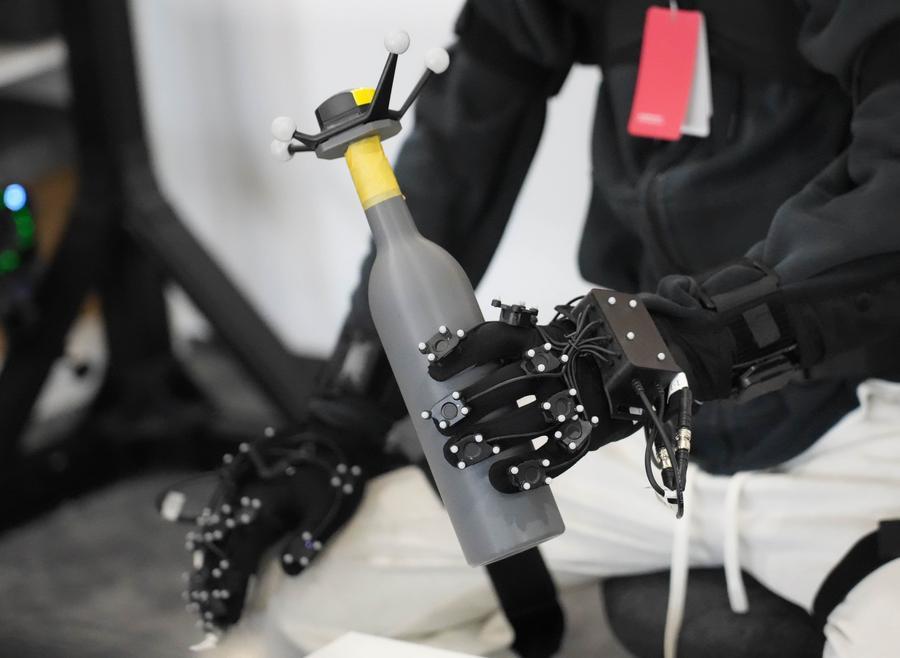
Benefits of Home Humanoid Robots
Convenience and Efficiency
Robots can handle time-consuming tasks, freeing up time for users.
Improved Quality of Life
By reducing stress and workload, robots can enhance overall well-being.
Accessibility
For individuals with disabilities, humanoid robots can provide increased independence.
Challenges to Widespread Adoption
High Costs
Currently, humanoid robots are expensive, limiting access to early adopters.
Privacy Concerns
Robots in the home may collect sensitive data, raising concerns about:
- Surveillance
- Data security
- User consent
Trust and Acceptance
Allowing a robot into personal space requires a high level of trust.
Users must feel confident in:
- Safety
- Reliability
- Privacy protection
Technical Barriers
Dexterity and Precision
Household tasks often require fine motor skills that robots are still developing.
Energy Efficiency
Battery life remains a limitation for continuous operation.
Context Understanding
Understanding complex human behavior and environments is still a challenge for AI systems.
Early Market Developments
Pilot Products and Prototypes
Several companies are developing humanoid robots aimed at home use.
Startups like Figure AI are working toward general-purpose robots that could eventually enter consumer markets.
Gradual Adoption Path
The adoption of home robots is likely to follow a gradual path:
- High-end early adopters
- Niche applications (elderly care, luxury homes)
- Mass-market adoption
The Future of Personal Robotics
Toward Everyday Companions
In the future, humanoid robots could become as common as smartphones or computers.
Continuous Improvement
Advances in AI and hardware will expand capabilities over time.
Integration into Daily Life
Robots may become fully integrated into daily routines, assisting with both practical and emotional needs.
Conclusion: Living with Intelligent Machines
Humanoid robots represent a fundamental shift in how humans interact with technology.
They are no longer just tools—they are becoming partners in daily life.
While challenges remain, the trajectory is clear: humanoid robots are moving steadily from concept to reality, from industry to home.
The question is no longer whether robots will enter our homes—but how they will reshape the way we live.
Discussion about this post