









In the bustling world of modern logistics, warehouses have become the beating heart of global commerce. From the moment an order is placed online to the blink of a truck departing a distribution hub, a breathtaking choreography of activities must occur: products must be found, picked, sorted, packed, and dispatched. Traditionally, human workers have led this dance, but the frontier of warehouse automation is rapidly advancing—and it might be on the verge of a fundamental transformation. In particular, the rise of humanoid robots—machines shaped and structured like humans—has opened a stimulating question for innovators and logistics leaders: Can humanoid robots automate picking and sorting in warehouses? And if so, what will it take to make this leap compelling, safe, and commercially viable?
In this detailed exploration, we’ll unpack the technology, the promise, the challenges, and the future prospects of humanoid automation in logistics, delivering an up‑to‑date, engaging, and professional perspective on one of the most exciting conversations in robotics today.
1. The Warehouse Revolution: From Manual to Automated
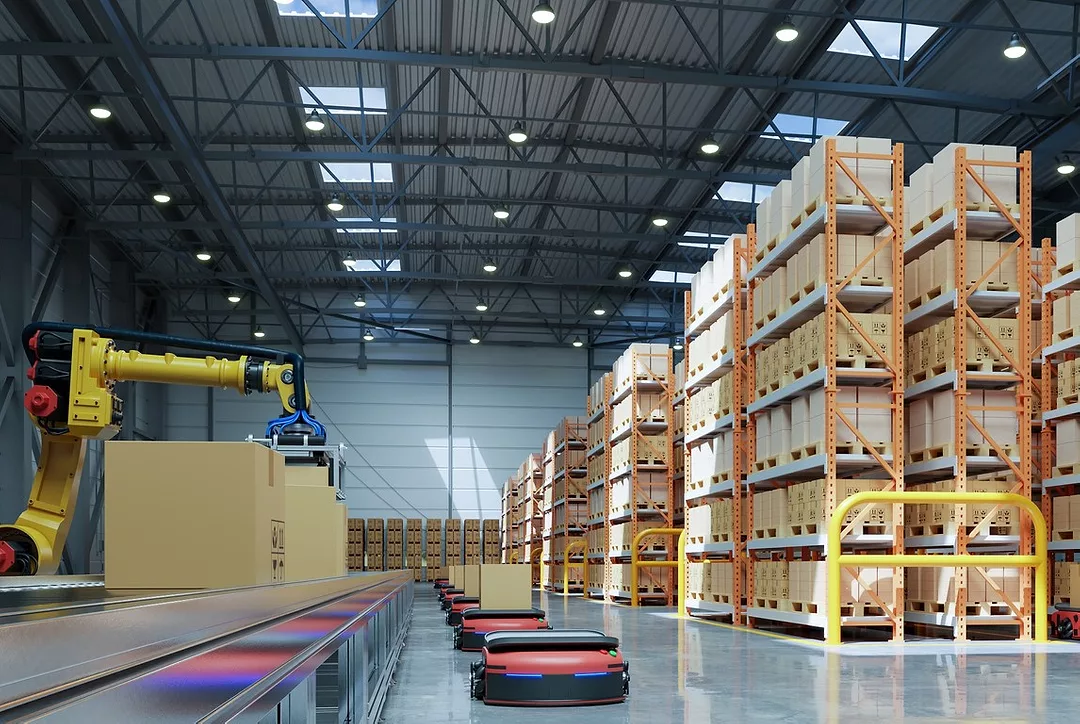
Warehouses today are vastly different from those of even just a decade ago. The digital commerce boom has led to massive distribution centers—some covering millions of square feet—where speed and accuracy are critical competitive advantages. Robotics has already played a huge role in reshaping these facilities.
Across industries, robots are now widely used to:
- Transport goods across the warehouse using autonomous mobile robots
- Automate sorting and conveyor integration
- Lift and place items in systems that operate without human carriers
- Reduce risk and strain on human workers by taking on repetitive, strenuous tasks
These gains have revolutionized throughput and made the idea of 24/7 operation a reality. Yet most of these robots are specialized machines—wheels, conveyors, and mechanical arms designed for specific tasks. The next leap would be robots that can do hundreds of different tasks across varied conditions, just like a skilled human warehouse worker—ideally without needing a complete redesign of the warehouse infrastructure.
This is where humanoid robots enter the conversation.
2. What Do We Mean by “Humanoid” Robots?
Simply put, a humanoid robot is a robot built with a human‑like shape: two legs for walking or balancing, arms capable of manipulating objects, sensors for perception, and AI for decision‑making. Unlike fixed‑function industrial robots, humanoids are designed to operate in environments built for humans and to adapt to new tasks without requiring bespoke engineering for each task.
This human form factor confers several potential advantages:
- Flexible manipulation: Human hands (or human‑like end effectors) can reach shelves, grasp a variety of shaped items, and work in irregular, cluttered contexts where wheeled robots could struggle.
- Spatial adaptability: A humanoid can navigate stairs, narrow aisles, and human‑oriented work spaces—meaning less retrofitting required to adopt automation.
- Broad task range: In theory, a single humanoid robot could be trained to pick, sort, load, inspect, catalogue inventory, and even perform routine maintenance.
These features have fueled visions of warehouses staffed by robots that can “think on their feet,” combining mobility, intelligence, and manual dexterity in ways few current robots can match.
3. Where the Technology Currently Stands
As of today, humanoid robots in warehouses are largely in pilots and early testing, even in the world’s most advanced fulfillment centers.
For example, Amazon is experimenting with a humanoid robot named Digit, which can handle empty containers, move totes, and assist with logistics tasks—though it’s not yet widely deployed at scale. Likewise, logistics companies are actively refining prototypes that can walk, perceive items, and interact with shelves in controlled demonstrations.
Tech investment in humanoids is surging. Startups and major research labs alike are designing robots that can sense their environment, process visual data, and perform manipulation tasks autonomously. Vision systems, advanced AI models, and machine‑learning techniques are being integrated to improve object recognition, grasp planning, and motion selection.

However, industry leaders have also publicly acknowledged that standard humanoid robots today lack the robustness and efficiency necessary for widespread warehouse deployment. Some executives argue that warehouse environments, with their highly varied packages and dynamic conditions, present challenges that current humanoid designs just aren’t ready for.
This does not mean the potential is unrealized—but rather that the journey from prototype to reliable, cost‑effective deployment involves solving numerous technical, logistical, and safety issues.
4. Picking and Sorting: What Makes These Tasks Hard?
On the surface, picking and sorting sound simple: locate a product, grasp it, and place it where it needs to go. But in reality, these tasks combine multiple demanding subsystems:
Perception
The robot must detect the exact position and orientation of objects that vary widely in size, shape, color, packaging, and material. These aren’t uniform industrial parts; they include everything from soft goods to fragile items.
Dexterity
Robust “hands” that can grasp objects without dropping or damaging them are difficult to engineer. Robots need tactile feedback and adaptive grip control to handle delicate or irregular items reliably.
Navigation and Mobility
The warehouse environment is complex: shelves, workers, vehicles, and unexpected obstacles. A humanoid robot must navigate without tipping over while carrying loads. Hydrogen fueling stations, conveyors, and unsynchronized movements add layers of operational complexity.
Real‑Time Decision‑Making
Warehouse demands can change in a split second. The robot must react swiftly to new instructions, changing orders, and interruptions in workflow—all without human intervention.
These kinds of challenges are why most current automation uses task‑specific robots that excel in narrow domains rather than generalist humanoids.
5. Pros and Cons: What Humanoid Robots Bring to the Table
To better understand the feasibility of humanoid automation, let’s highlight the core pros and cons.
Pros
📈 Versatility Across Tasks
A humanoid robot could in principle handle a broad range of tasks without redesigning the warehouse layout—placing it ahead of rigid automation systems.
🛠 Adaptable in Human Environments
Humanoids can leverage human‑oriented spaces without extensive retrofitting, reducing upfront costs and preserving legacy facilities.
🤖 Augmentation of Workforce
Even if humanoids are not fully autonomous, hybrid systems where robots and humans collaborate can greatly improve efficiency and safety.
📊 Future‑Proofing
Investing in flexible robot platforms may pay dividends as machine learning, perception, and manipulation tech improve.
Cons
💰 High Cost of Development and Deployment
Building truly adaptable humanoids is expensive—including sensors, AI systems, and ruggedized mechanical actuators. Smaller companies may find such costs prohibitive.
🔩 Maintenance Complexity
These robots will require regular servicing and troubleshooting—a challenge in high‑demand environments.
🚷 Safety and Reliability Concerns
Bipedal robots that walk and lift goods carry fall and collision risks. Safety systems, new standards, and certifications will be essential.
📦 Current Limitations in Dexterity
Designed hands and sensors are still being perfected; picking random objects from clutter remains a hard problem.
6. Hybrid Approaches: The Best of Both Worlds
Given the constraints of current humanoid technology, many companies are exploring hybrid automation systems that combine:
- Specialized mobile robots for routine, repetitive tasks
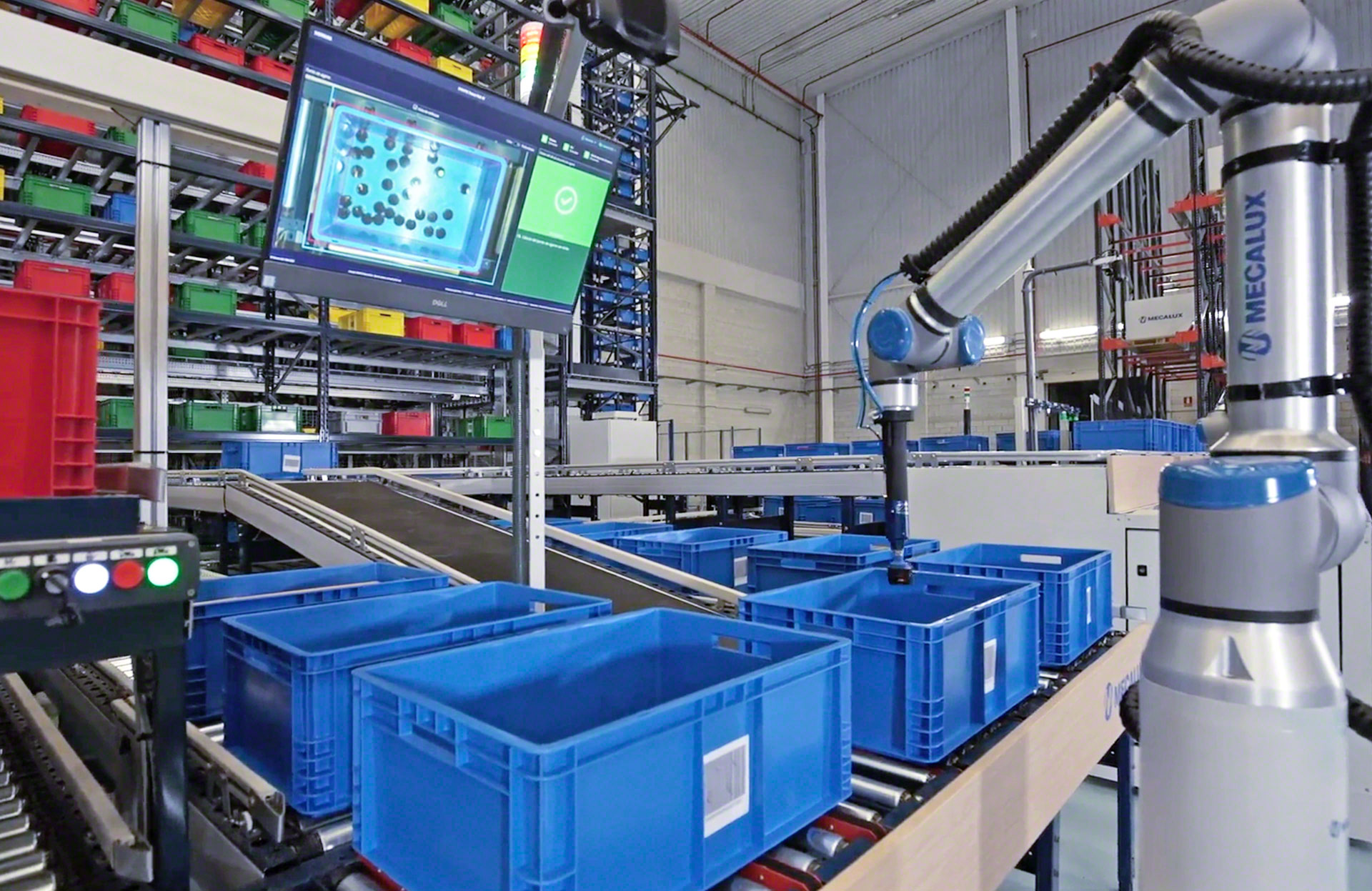
- Robotic arms for precision picking
- Human workers for high‑complexity decision‑making
- AI systems for coordination and optimization
This blended approach enables warehouses to automate effectively without waiting for humanoids to reach their theoretical peak. Indeed, even today, automated systems can deliver dramatic gains in throughput, accuracy, space utilization, and safety.
Some logistics leaders are already deploying mobile robots with AI‑driven vision systems capable of picking items from shelves with high precision. These systems aren’t humanoid in form but achieve a level of performance that meets key operational benchmarks.
7. The Broader Impact on Workforce and Industry
The rise of humanoid automation raises important questions:
Will Robots Replace Human Jobs?
Automation in warehouses may shift human roles rather than eliminate them altogether. Workers may transition into robot supervision, maintenance, analytical roles, and higher‑level decision tasks as robots take on more repetitive physical duties.
What About Safety and Regulation?
Humanoid robots introduce new safety considerations that existing mobile robots don’t face. Regulatory frameworks will need to evolve to address collision risks, emergency stops, and human‑robot interaction standards. This is a fast‑emerging area of policy discussion.
Could Robots Transform Society?
From the broader economic perspective, widespread humanoid automation could influence labor markets, supply chains, and global competitiveness. It could help address labor shortages in logistics hubs, particularly where demographic trends make staffing difficult.
8. Looking Ahead: When Could Humanoids Take Over Picking and Sorting?
Experts forecast that within the next 5–10 years, humanoid robots might become more capable of handling warehouse tasks efficiently, especially as AI and machine learning continue to improve perception, decision making, and adaptive manipulation.
But full replacement of traditional automation with humanoids isn’t imminent. The most likely near‑term outcome is incremental integration—humanoids working alongside humans and other robots, picking up the slack where flexibility and adaptability yield the largest value.
Conclusion: A Measured Future of Humanoid Automation
So, can humanoid robots automate picking and sorting in warehouses?
Yes—but with nuance. Today, humanoid robots are exciting, advancing, and increasingly capable, yet they are not yet the most practical solution for large‑scale warehouse automation. Specialized systems continue to outperform humanoids in terms of speed, cost, and reliability for specific tasks. However, the promise of humanoids lies in their flexibility, adaptability, and potential to reduce the complexity of automation deployment in spaces built for humans.
In the long run, as AI, perception, and robotics engineering converge, humanoid robots may well become a cornerstone of warehouse operations—working alongside humans, augmenting productivity, and expanding what’s possible in logistics automation.
The future of warehouses looks automated, intelligent, and collaborative—with humanoid robots playing an ever‑greater role.