










In the fast-evolving world of robotics and artificial intelligence (AI), few news stories have garnered as much attention as Skild AI’s impressive $14 billion valuation. This astronomical figure is not just a testament to the company’s success, but also signals a potential turning point in how the world views the intersection of robotics and technology funding. But what does Skild AI’s recent valuation really mean? And does it set a new standard for funding in robotics, or is it an outlier in an increasingly competitive and fast-paced market?
The Rise of Robotics and AI in Modern Industry
Before diving into Skild AI’s specific case, it’s essential to understand the broader context of robotics and AI in today’s economy. Over the last decade, robotics and AI technologies have transitioned from niche research projects to key players in industries ranging from manufacturing to healthcare. Robotics is no longer just about mechanical arms assembling cars in factories; it is now part of automated warehouses, precision surgeries, autonomous vehicles, and even personal assistants in homes. As the technology has advanced, the amount of investment pouring into these fields has skyrocketed.
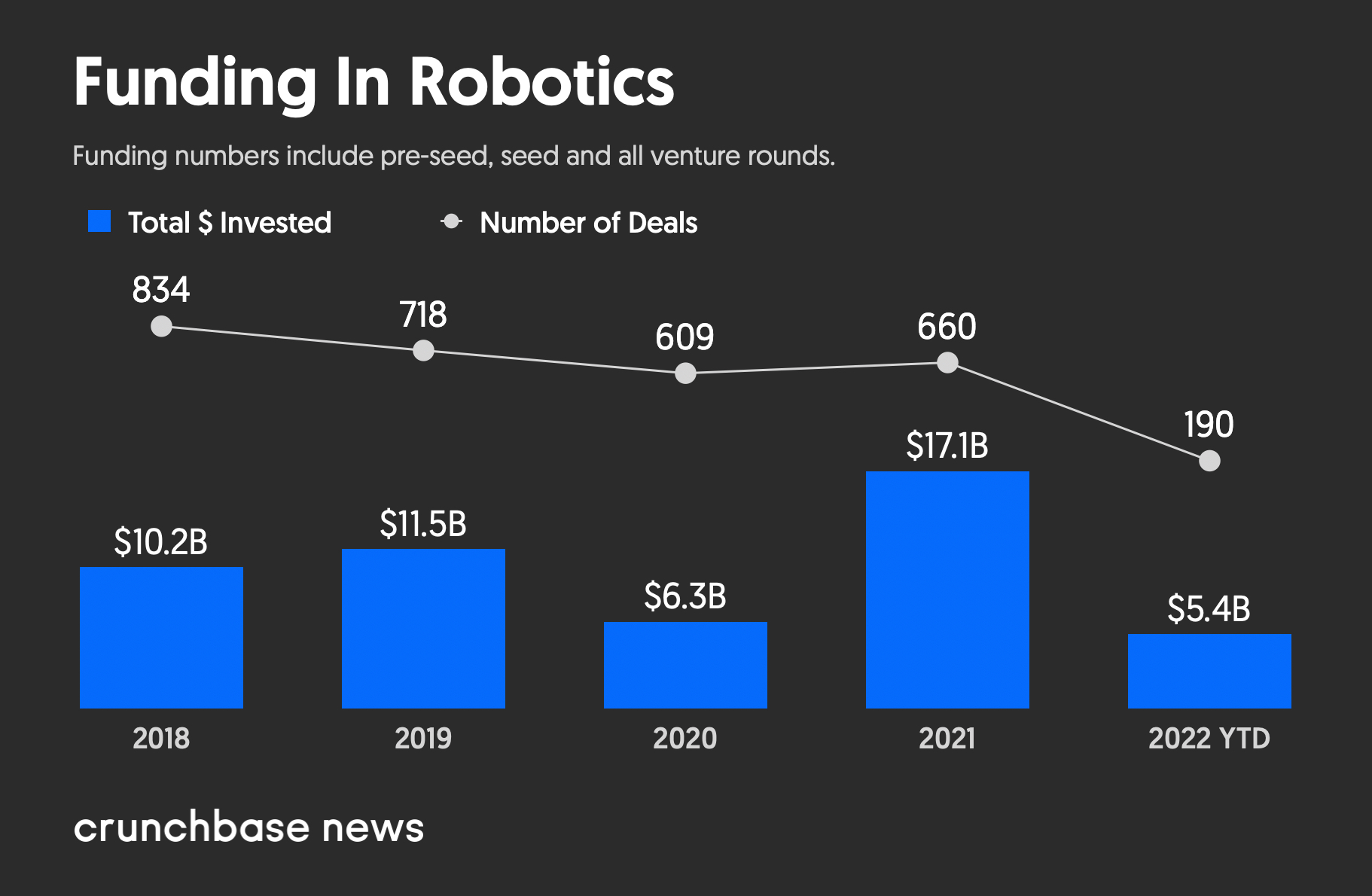
Venture capital (VC) funding for AI and robotics startups has surged, and some companies have seen massive valuations in a short amount of time. The trend has become particularly pronounced with AI-powered robots, where the combination of machine learning, deep learning, and hardware development has led to breakthroughs with far-reaching applications. Skild AI, a rising star in this sector, appears to be leading the charge in attracting investor confidence.
Skild AI’s $14B Valuation: An Overview
Skild AI, a company founded by a team of engineers and researchers specializing in AI-driven robotics, has managed to secure an eye-watering $14 billion valuation during its latest round of funding. This move comes amid growing interest in advanced robotics that integrate AI and machine learning capabilities to perform complex tasks autonomously.
The company specializes in creating robots capable of solving real-world problems—ranging from autonomous logistics solutions to next-gen industrial automation tools. Their robots are not just physical devices but highly sophisticated systems that can “learn” from their environment, adapt to new tasks, and optimize their operations over time. The company’s potential for revolutionizing industries such as healthcare, agriculture, and manufacturing has caught the attention of major investors, pushing the valuation to a figure typically associated with far older tech giants.
The Implications of Skild AI’s Funding Surge
Setting New Standards for Robotics Valuations?
The $14 billion valuation that Skild AI achieved has made waves in the venture capital ecosystem, prompting both excitement and skepticism. On the one hand, it reflects the increasing confidence in robotics and AI as sectors with long-term, scalable applications. The sheer size of the valuation suggests that investors believe Skild AI has the potential to revolutionize multiple industries, much in the same way that past breakthroughs in AI and computing have transformed sectors like telecommunications, e-commerce, and media.
However, on the other hand, some experts caution that such valuations might be overblown, particularly in a market that is still somewhat speculative in nature. Robotics, after all, is not a short-term game. Developing robots that are commercially viable, capable of scaling, and able to perform complex tasks autonomously can take years, and sometimes decades. Skild AI’s valuation may be indicative of the speculative nature of the current investment environment, where investors are willing to place large bets on technology that could be disruptive, even if there are still significant challenges to overcome.
So, is Skild AI’s $14 billion valuation a new benchmark for robotics funding? While it certainly raises the stakes for other companies in the robotics space, it remains to be seen whether other robotics firms will be able to replicate such high valuations. Many of the industry’s most successful players, such as Boston Dynamics and iRobot, were built over a much longer period and required substantial R&D investment before reaching their current status.
The Role of AI in the Future of Robotics
One of the key factors that sets Skild AI apart from many of its competitors is its heavy focus on AI-driven innovation. While traditional robotics relied heavily on pre-programmed tasks and static operations, AI allows robots to “think,” adapt, and learn from their surroundings. This shift is transforming the potential of robotics, enabling machines to take on more complex, dynamic tasks—such as performing delicate surgeries, managing logistics in unpredictable environments, or even caring for the elderly at home.
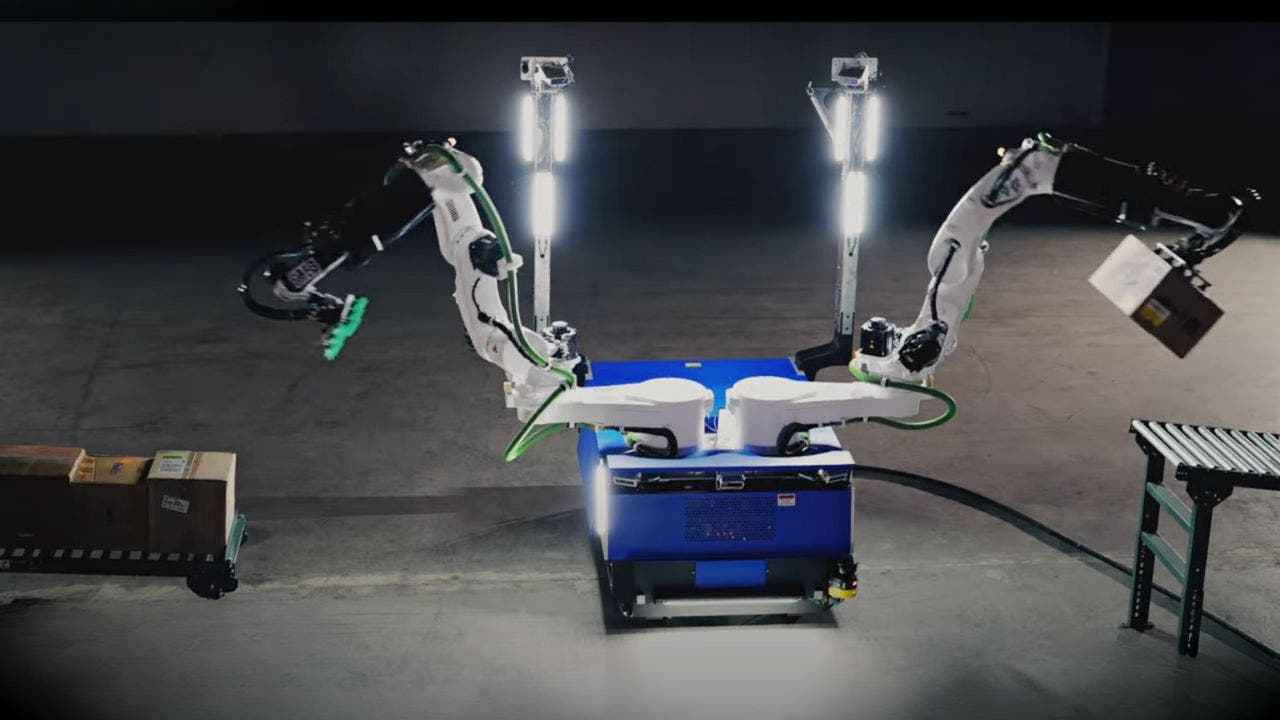
As AI continues to improve, the gap between traditional robotic systems and those powered by AI is widening. Robotics powered by AI is not just about making robots more intelligent; it’s about making them more flexible and capable of addressing a broader range of applications. AI can help robots optimize their actions based on real-time feedback, allowing them to adapt in a way that static programs cannot. This flexibility has vast implications for industries such as healthcare, where precision and adaptability are paramount.
Skild AI, by focusing on AI at the heart of its robotic solutions, is well-positioned to lead in this space. The company’s AI-first approach may be the catalyst for transforming the robotics sector, making them more autonomous, efficient, and useful in a wide range of industries.
Robotics Funding and Investment Trends
The Skild AI funding round is part of a larger trend that has seen increased investments in robotics startups in recent years. Major funding rounds in the robotics sector have become more frequent and larger in size, with companies like Agility Robotics, Universal Robots, and Fetch Robotics raising millions in funding. The trend is being driven by the promise of robots and automation transforming industries and reshaping economies.
A major driver behind this surge in funding is the need for solutions that can address labor shortages, reduce human error, and improve productivity. In an age where labor costs are rising, supply chains are becoming more complex, and demands for high-quality products are growing, businesses are looking toward robotics as a way to stay competitive. From warehouses to farms, from factories to hospitals, robots are being deployed to handle tasks that were once only possible for human workers.
Moreover, robotics is increasingly seen as an essential part of the future of AI. The development of intelligent robots is seen as the next frontier for AI research, with implications for everything from self-driving cars to smart cities. The size and scope of funding rounds like Skild AI’s reflects the growing interest in making this vision a reality.
How Skild AI’s Valuation Fits Into the Broader Robotics Ecosystem
Skild AI’s $14 billion valuation is not an isolated event. Rather, it’s part of a growing trend of increasingly large valuations in the AI and robotics space. This trend signals that investors are willing to place massive bets on the future of robotics, seeing it as a transformative force that will redefine industries and markets across the globe.
However, while Skild AI’s valuation represents a significant milestone, it also highlights the speculative nature of venture capital in the robotics sector. Not every robotics startup will enjoy the same level of success, and the road to commercialization is often fraught with challenges. Robotics companies must navigate complex regulatory environments, build reliable hardware, and solve thorny AI challenges in order to deliver scalable, cost-effective solutions.
For other companies in the robotics space, Skild AI’s funding round sets a high bar, but it also raises the question of whether they can achieve similar success. The path to a $14 billion valuation is not one that can be easily replicated, and it will take time to see how Skild AI’s competitors fare in a rapidly evolving market.
Conclusion
Skild AI’s $14 billion valuation undoubtedly sets a new marker in the field of robotics funding, but it remains to be seen whether it will be the new benchmark or an outlier in the broader landscape of robotics investments. What is clear is that robotics, particularly those enhanced by AI, is becoming a vital area for investment and innovation. With AI-driven robots making their way into industries ranging from healthcare to logistics, the future of robotics promises to be one of immense change and opportunity.
As Skild AI’s journey unfolds, the company could either emerge as a pioneer in the next wave of robotics innovation or face the realities of a challenging market with tough competition. Either way, the $14 billion valuation has certainly brought attention to the space, and set a precedent for future robotics funding rounds. The true impact of Skild AI’s valuation may only be measured in the years to come as robotics continues its rapid evolution.