









The intersection of healthcare and robotics has sparked a heated discussion in recent years, especially with the rapid advancement of humanoid robots. These machines, designed to imitate human appearance and actions, have begun to show promise in performing complex tasks traditionally handled by medical professionals. With humanoid robots slowly integrating into healthcare environments, many wonder: Are humanoids capable of performing standard medical tasks safely?
This question is not only about technical feasibility but also about the underlying ethical considerations, societal implications, and potential risks that come with entrusting machines with the health and well-being of patients. As technology continues to evolve, it is essential to examine the strengths and weaknesses of humanoid robots in performing medical tasks while ensuring patient safety remains paramount.
The Rise of Humanoids in Healthcare
Humanoid robots, often equipped with advanced sensors, AI-driven decision-making capabilities, and sophisticated mechanical structures, have begun to find their place in hospitals, clinics, and even home care settings. Their ability to mimic human interactions and actions makes them ideal candidates for a variety of medical tasks, including patient monitoring, physical therapy, surgical assistance, and administrative roles.
Types of Medical Tasks Humanoids Can Perform
Humanoids can be designed to assist in various aspects of healthcare, from direct patient care to administrative work. Some of the most common medical tasks they can perform include:
- Patient Monitoring and Diagnosis Support: With integrated sensors and diagnostic tools, humanoid robots can monitor vital signs, check for anomalies, and even assist in diagnostics by comparing symptoms against vast databases.
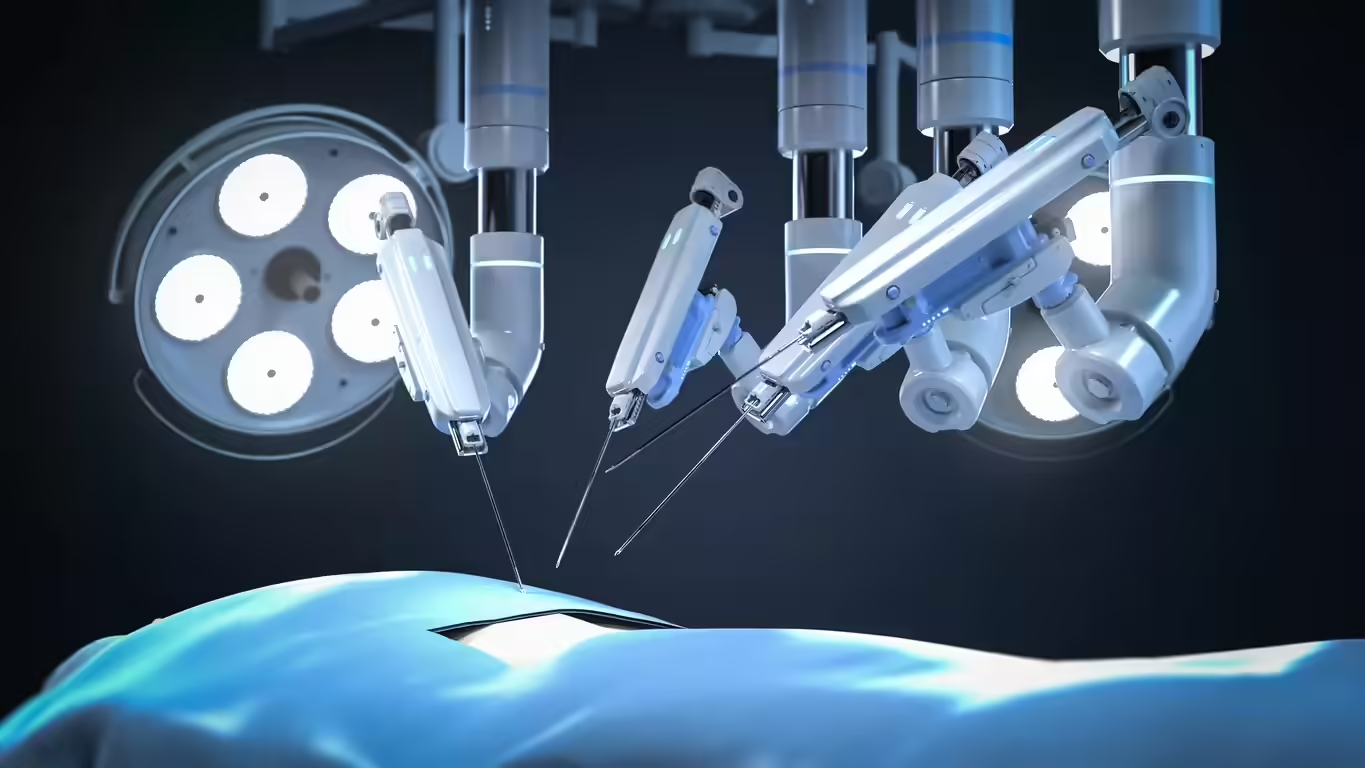
- Surgical Assistance: Robots are already a significant presence in surgery. The “Da Vinci Surgical System” is one of the best-known examples of robots assisting surgeons in performing minimally invasive procedures. Humanoids designed for surgical support are poised to enhance precision and reduce human error during surgery.
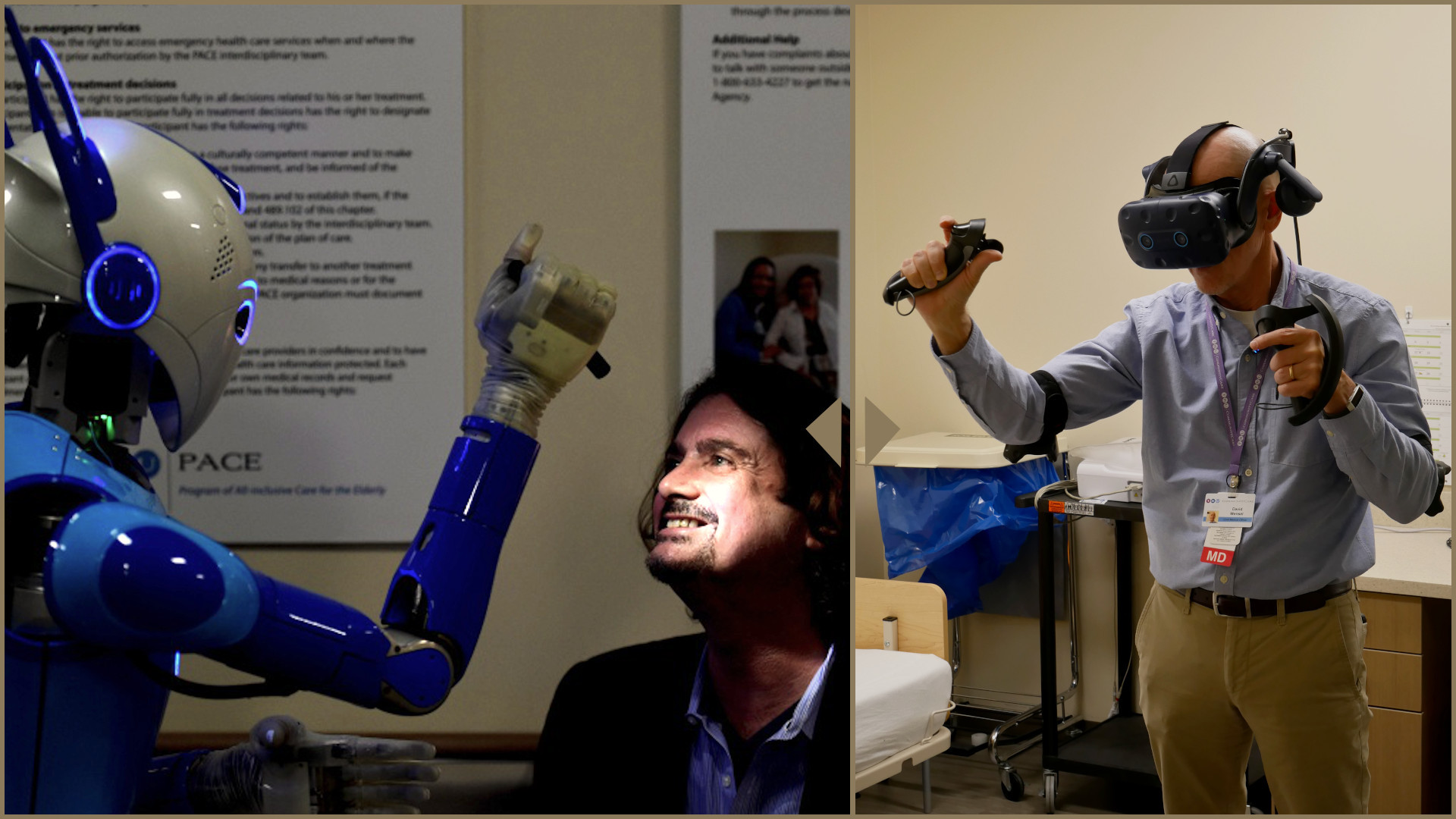
- Physical Therapy and Rehabilitation: Humanoid robots can guide patients through therapeutic exercises, helping with mobility, strength recovery, and pain management. Their programmed movements can be customized to meet the individual needs of each patient, ensuring a personalized rehabilitation experience.
- Companionship and Emotional Support: With growing concerns about loneliness and mental health, humanoid robots are designed to offer companionship, conversation, and even emotional support, particularly to elderly patients in long-term care facilities.
Ensuring Safety and Accuracy
One of the most pressing concerns when it comes to humanoid robots performing medical tasks is ensuring safety and accuracy. Robots are inherently free from human fatigue, and their precision and reliability are often touted as advantages. However, there are several key challenges to consider.
Sensor Reliability and Decision-Making
The sensors embedded in humanoid robots are crucial for monitoring a patient’s health. These sensors are responsible for reading vital signs like heart rate, blood pressure, and body temperature. However, sensor malfunctions, inaccuracies, or failures can have severe consequences. If a robot misreads a patient’s condition, it could result in a delay in proper treatment or, in the worst case, harm to the patient.
Moreover, humanoid robots often rely on AI algorithms to interpret sensor data and make decisions. While AI is becoming increasingly sophisticated, it is not foolproof. The AI systems that control humanoid robots must be rigorously tested and continually updated to account for new medical knowledge, unforeseen situations, and patient variability.
Surgical Precision
Surgical robots like the Da Vinci system can assist doctors in performing delicate operations with precision, but humanoid robots must still pass several technical benchmarks before being trusted in critical surgery. A malfunction or error in the robot’s system could result in complications or even life-threatening consequences.
The question here is whether humanoid robots can make real-time decisions that account for the nuances and complexities of human biology, something that even experienced doctors can sometimes struggle with. While robots can certainly assist in standard procedures, they are still dependent on human oversight for the final decision-making.
Emotional and Psychological Impact
While robots can be programmed to provide emotional support or serve as companions for patients, one key consideration is the psychological impact on patients. Some research suggests that humanoid robots, particularly those designed to mimic human emotions and behaviors, may form a bond with patients. But this raises a question of ethics: should robots simulate emotional attachment? Will patients develop unhealthy relationships with robots instead of humans?
Moreover, while humanoids can offer social interactions to alleviate feelings of loneliness, these robots are still limited in their ability to truly understand and empathize with human emotions. This lack of emotional intelligence could potentially cause harm to vulnerable patients who may rely too heavily on robotic companionship.
Ethical and Moral Considerations
When integrating humanoids into healthcare settings, one cannot ignore the ethical and moral considerations that accompany such advancements. The lines between machine and human can blur, raising questions about autonomy, privacy, and even the role of human practitioners in the healthcare process.
Autonomy and Consent
Humanoid robots, particularly those involved in physical therapy or rehabilitation, may need to interact with patients in ways that could be perceived as invasive. It is essential that patients give informed consent before engaging with humanoid robots for treatment. This is not only a legal requirement but also an ethical necessity to ensure patients’ autonomy is respected.

Privacy and Data Security
Humanoid robots gather an immense amount of data during patient interactions, including health information, behavioral data, and even emotional states. Ensuring the security of this data is paramount. Any breach in data security could lead to serious consequences, including identity theft, fraud, or unauthorized access to sensitive health information.
In this context, regulations must be established to ensure that robots are programmed to adhere to privacy standards, such as those outlined in HIPAA (Health Insurance Portability and Accountability Act). The collection, storage, and sharing of patient data must be transparent and carefully controlled.
Human vs. Robot Caregivers
Another ethical dilemma revolves around the question of whether humanoid robots should replace human caregivers. In many cases, robots can assist in basic caregiving tasks, such as helping patients move, monitoring health conditions, or providing companionship. However, the human touch remains irreplaceable, especially when it comes to tasks that require empathy, understanding, and complex decision-making.
There are concerns that the increasing reliance on robots could lead to the dehumanization of healthcare, as patients may feel disconnected from their caregivers. A balance must be struck between utilizing robots for assistance and ensuring that human caregivers remain involved in the patient’s care to offer the emotional support and decision-making that only humans can provide.
Societal Impact and Labor
The growing use of humanoid robots in healthcare also raises questions about labor and the future of medical professions. As robots take on more routine and physical tasks, human workers in healthcare settings may need to adapt to new roles.
Job Displacement
One potential downside to the rise of humanoid robots is job displacement. If robots can perform tasks like monitoring vital signs, assisting in surgery, and providing physical therapy, what happens to the medical staff who currently perform those tasks? Will robots replace human workers, or will the nature of the job simply evolve?
The key here is ensuring that robots are used to enhance the capabilities of human workers rather than replace them. Robots can handle repetitive and mundane tasks, freeing up medical staff to focus on more complex and human-centered aspects of care.
The Cost of Integration
While humanoid robots have the potential to improve healthcare efficiency, they are also expensive to develop, maintain, and deploy. This could raise questions about equity and access, as hospitals with fewer resources may struggle to integrate these technologies. Ensuring that these innovations are accessible to all patients, regardless of their financial situation, will be a significant challenge.
Conclusion
Humanoid robots have the potential to transform healthcare by performing standard medical tasks with precision, accuracy, and efficiency. However, their integration into medical environments must be done cautiously, with a clear understanding of the limitations, ethical considerations, and societal implications. As technology continues to evolve, the key to success will lie in finding the right balance between leveraging the benefits of humanoid robots and maintaining the irreplaceable human element in healthcare.
With further advancements, the future may see humanoid robots working alongside medical professionals to provide better care, reduce the strain on human workers, and improve patient outcomes. However, ensuring safety, accuracy, and ethical integrity will remain a priority as this fascinating field continues to unfold.