








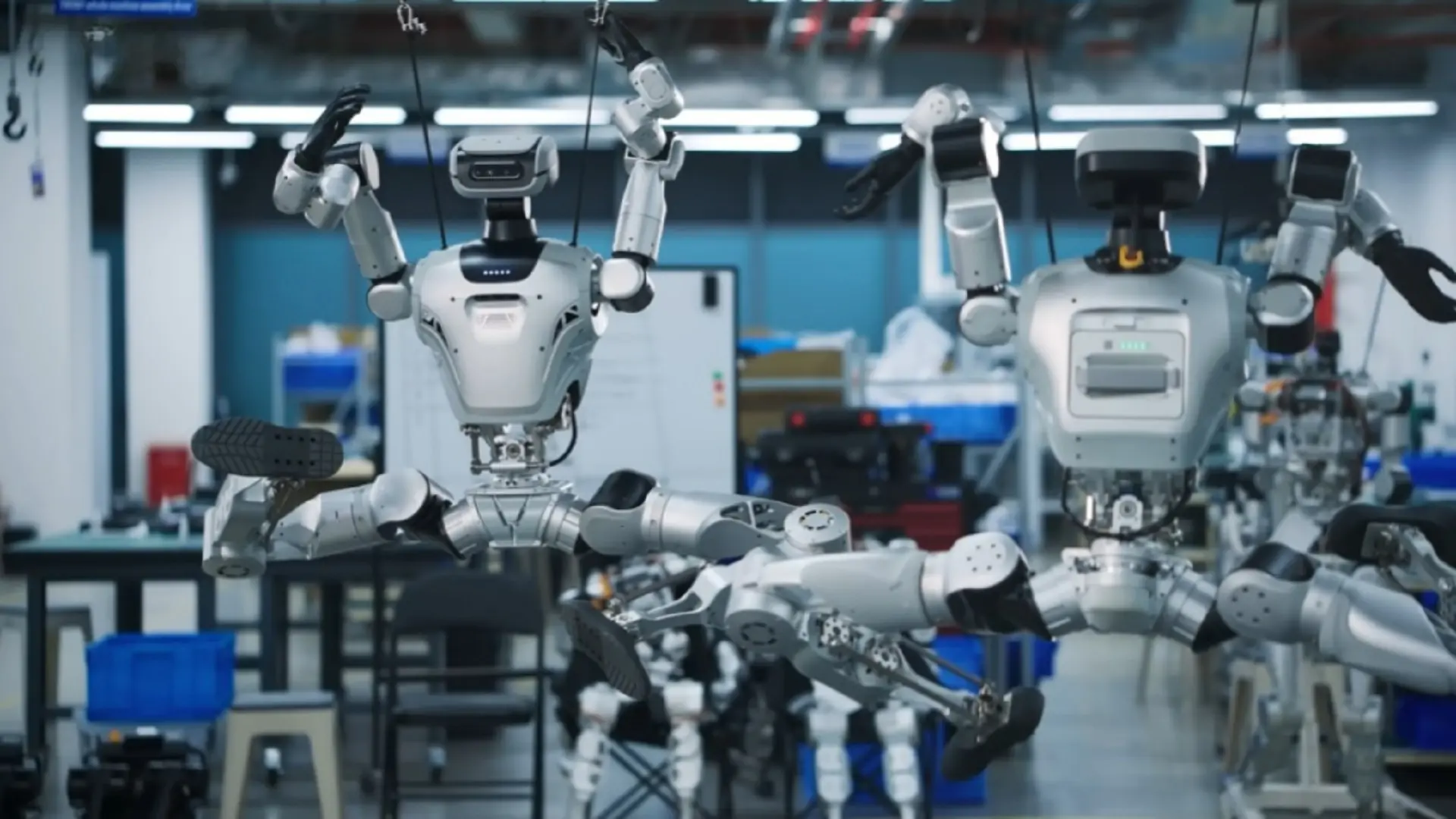

The quest for humanoid robots that can master fine manipulation—the delicate, precise control needed for tasks such as sewing, assembling intricate electronics, or even performing surgery—has captivated the fields of robotics, artificial intelligence, and engineering for decades. The excitement surrounding this goal is palpable, as such advancements would not only enhance industries but could fundamentally change the way humans interact with technology. However, a critical question remains: can humanoid robots truly master fine manipulation by 2026?
As we stand on the precipice of an era where artificial intelligence (AI) and robotics seem poised to revolutionize human life, it’s essential to ask: How far are we really from achieving this ambitious milestone? In this article, we will explore the current state of humanoid robot development, the challenges they face, the technological breakthroughs that might help, and the broader implications of their success or failure.
The State of Humanoid Robotics
Humanoid robots, by definition, are designed to resemble human beings in form and function. With two arms, two legs, and often a head, they are built to interact in human-like environments. Over the past decade, notable advancements in robot design and AI have resulted in humanoid robots that can walk, talk, and perform basic tasks. Yet, when it comes to fine manipulation—the ability to perform highly detailed actions such as threading a needle or playing a musical instrument—there is still a considerable gap between current capabilities and what is needed to achieve human-level dexterity.
The most notable humanoid robots, like Boston Dynamics’ Atlas or Honda’s ASIMO, have demonstrated remarkable abilities in mobility and basic interaction. These robots can navigate complex environments, handle obstacles, and perform a range of movements that resemble human activities. However, their capacity for delicate tasks such as assembling tiny components or manipulating fragile objects remains limited. Fine manipulation requires a level of precision that goes beyond simple motor control and involves sensory feedback, decision-making, and adaptive learning—all of which are areas where current humanoid robots face significant challenges.
Challenges in Fine Manipulation
1. Dexterity and Precision
The human hand is a marvel of biological engineering. With its 27 bones, 29 joints, and over 30 muscles, the hand is capable of executing a wide range of movements, from the delicate grasp of a fragile object to the intricate motions required for tasks like typing or drawing. Humanoid robots, on the other hand, still struggle with tasks requiring such intricate control.
Robot hands and arms are often based on rigid designs that limit the flexibility and adaptability needed for fine manipulation. While some robots, like the ones developed by Shadow Robot Company or the robotic arms used in medical applications, employ advanced techniques like force sensors and multi-fingered grippers, they are still far from mimicking the versatility and precision of human hands. Achieving the same range of motion and sensitivity will require significant advancements in hardware design, materials science, and software algorithms.
2. Sensory Feedback
Another hurdle is the lack of sophisticated sensory feedback. Humans rely heavily on sensory input, such as touch and proprioception (the sense of the body’s position in space), to perform fine manipulation tasks. For a humanoid robot to replicate this, it needs an advanced combination of sensors that can detect not just the position of its hands but also the force exerted on objects, the texture of materials, and even their temperature.

Current robots use a combination of vision systems (e.g., cameras or depth sensors) and tactile sensors, but these systems often lack the sensitivity required for nuanced interactions. To truly master fine manipulation, humanoid robots will need to integrate sophisticated touch sensors with real-time processing, allowing them to adjust their movements dynamically and with precision.
3. Adaptability and Learning
Humans learn fine manipulation over years of experience, refining their skills through trial and error, feedback, and learning from mistakes. In contrast, robots typically need explicit programming for each task, which is both time-consuming and limited by the scope of pre-set commands. While machine learning algorithms have made significant strides, they still have a long way to go before they can match the flexibility and adaptability of the human brain.
Recent advancements in deep learning, reinforcement learning, and neural networks show promise for improving a robot’s ability to learn new tasks autonomously. However, teaching a robot to handle the infinite variety of situations it might encounter in real-world environments—especially when dealing with complex, delicate tasks—is still a monumental challenge. A humanoid robot must be able to generalize learned skills across various tasks and environments, adapting to unpredictable factors such as slight changes in object position, lighting conditions, or even the robot’s own wear and tear.
Technological Breakthroughs on the Horizon
Despite these challenges, there are several promising developments in robotics and AI that could lead to significant advances in fine manipulation capabilities. Below are some of the key technologies that may help humanoid robots get closer to mastering fine manipulation by 2026.
1. Soft Robotics
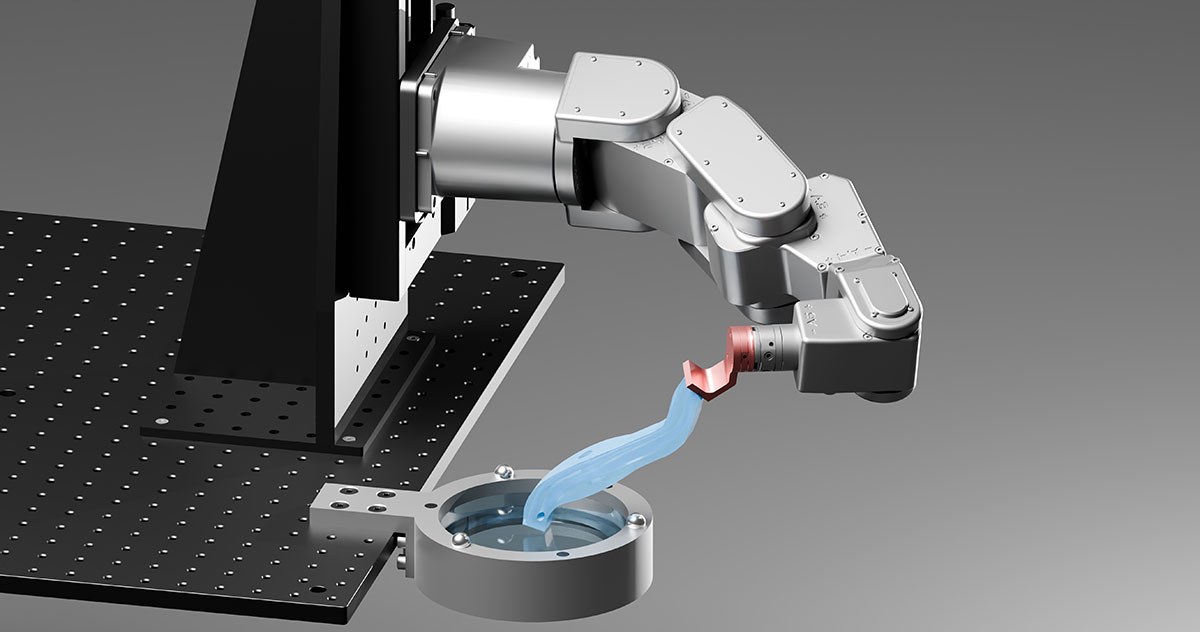
One exciting area of development is soft robotics, which focuses on creating more flexible and adaptable robotic hands and limbs. Unlike traditional robots that use rigid components, soft robots are made of flexible materials that allow for a much wider range of movements and a more natural, human-like grip. Soft robots have already demonstrated significant success in delicate tasks, such as picking up fragile objects or handling food, and research is continuing to refine these designs.
Soft robotic grippers, for example, can conform to the shape of an object, reducing the risk of crushing or damaging it. These robots are particularly well-suited for applications in fields like healthcare, where delicate manipulation of medical tools or surgical instruments is critical. If soft robotics can be integrated into humanoid robots, it could greatly enhance their fine manipulation capabilities.
2. AI and Machine Learning
Artificial intelligence (AI) plays a crucial role in enabling robots to perform tasks autonomously. AI algorithms, especially those focused on deep learning and reinforcement learning, allow robots to improve their performance over time by analyzing vast amounts of data from their sensors and adjusting their actions accordingly. By simulating the human learning process, AI can enable robots to refine their fine motor skills.
Recent breakthroughs in AI, such as Google’s DeepMind’s AlphaGo and OpenAI’s advancements in robotics, show that AI can be used to teach robots new tasks through experience and feedback. These developments may lead to robots that can learn how to perform tasks with increasing accuracy and precision, just as a human would. By 2026, we may see robots capable of mastering increasingly complex fine manipulation tasks through continuous learning.
3. Advanced Sensors
Sensors are the eyes and ears of robots, providing essential feedback that allows them to interact with the world. Advances in sensor technology—such as improved tactile sensors, force feedback systems, and depth cameras—are crucial for enabling humanoid robots to achieve fine manipulation. By providing a robot with more accurate and comprehensive sensory input, these sensors allow the robot to perceive its environment with greater detail, making it possible for the robot to adapt to changes in real time.
For instance, advances in tactile sensing could allow robots to “feel” the texture of objects, providing them with more information about how much force to apply when picking up an object or how to adjust their grip. In addition, improvements in vision systems, like the use of stereo cameras or LIDAR (Light Detection and Ranging), could help robots achieve a more nuanced understanding of their surroundings, further improving their fine manipulation skills.
4. Human-Robot Collaboration
Rather than focusing solely on autonomous fine manipulation, another promising avenue is human-robot collaboration. In this model, robots assist humans with tasks that require precision, but humans still retain control over certain aspects of the work. Collaborative robots, or “cobots,” are already being used in manufacturing and healthcare to assist with tasks that require a high degree of dexterity, such as assembling small components or helping with surgery.
By 2026, it’s likely that humanoid robots will increasingly be integrated into human teams, working alongside people to enhance productivity in industries like manufacturing, healthcare, and even space exploration. In these environments, robots would assist with fine manipulation tasks while benefiting from the human ability to make intuitive decisions.
Implications and Future Outlook
The successful development of humanoid robots capable of fine manipulation by 2026 would have profound implications for numerous industries. In healthcare, robots could assist in surgery, providing unmatched precision and reducing the risk of human error. In manufacturing, robots could take over delicate assembly tasks, improving efficiency and product quality. In daily life, robots could help with household chores, assist the elderly, or even act as personal assistants.
However, these advancements also raise important questions about the future of work, ethics, and society. As robots take on more tasks traditionally performed by humans, concerns about job displacement, privacy, and control will become even more pressing. Ethical considerations surrounding the autonomy of humanoid robots and their impact on human rights will also need to be addressed as robots take on increasingly complex roles.
While 2026 may be an ambitious deadline, it is not entirely out of reach. The pace of technological advancement in robotics and AI is accelerating, and significant strides are being made in overcoming the challenges of fine manipulation. However, the true success of humanoid robots will not only depend on their technical abilities but also on society’s readiness to integrate these machines into our lives in a responsible and ethical way.