








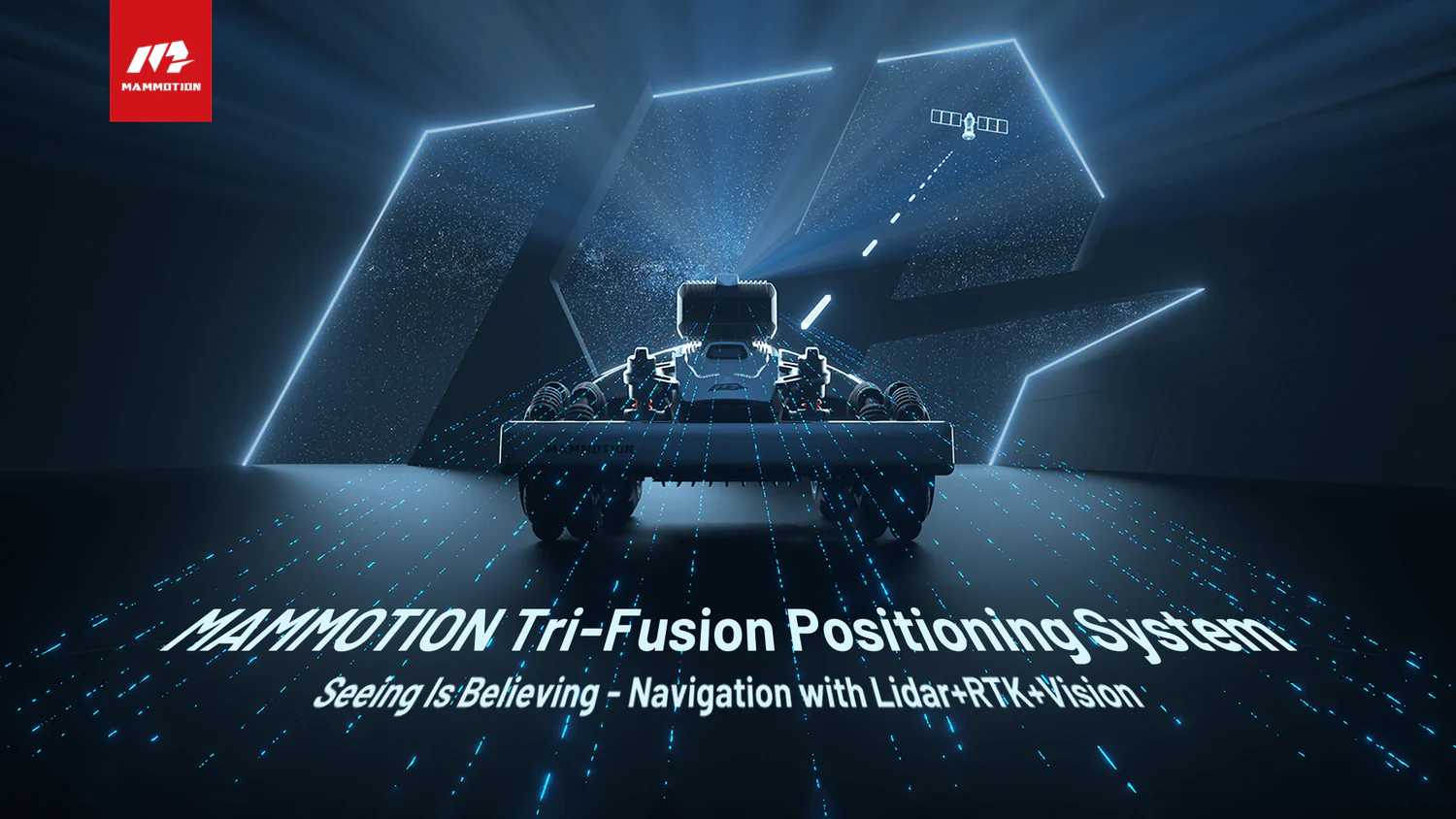

In the rapidly evolving world of Artificial Intelligence (AI), one of the most captivating advancements is the development of multi-modal AI systems. These systems can integrate and process data from various sources—such as language, vision, and motion—simultaneously. This ability to process diverse types of information and generate intelligent responses has significant implications across industries, from healthcare to entertainment, robotics to autonomous vehicles. However, the challenge of balancing language, vision, and motion in these systems is a complex task that involves sophisticated algorithms and computational models.
The Rise of Multi-Modal AI Systems
Multi-modal AI systems are designed to interpret and understand multiple forms of input, such as spoken or written language, visual cues, and physical movement. For instance, a robot capable of processing both what it “sees” (vision), what it “hears” (language), and its own physical actions (motion) can provide a more holistic understanding of the environment in which it operates. This can be likened to how humans perceive the world—using not just one sense, but a combination of senses to make sense of their surroundings.
The integration of these modalities helps AI systems better emulate human cognition, which is inherently multi-modal. Humans rarely rely on just one sense to interpret their environment; instead, we use a blend of vision, language, and motor functions to navigate our world. For instance, when a person talks to a robot, they don’t just speak; they also use body language and gesture. The ability for AI to “see” and “hear” in parallel allows these systems to interpret and respond in ways that feel more natural.
Key Components: Language, Vision, and Motion
Language
Language is arguably the most complex and abstract form of human communication. For AI systems to understand language, natural language processing (NLP) techniques are essential. These techniques allow machines to interpret written or spoken words, understand context, and generate responses that seem coherent and human-like.
For multi-modal AI systems, the challenge is not just in processing language alone but in combining it with other forms of data. Language may describe an object or event, but vision helps contextualize it. For example, a statement like “pick up the blue ball” becomes far more intelligible when the AI system can visually detect and identify the blue ball in its environment. The language provides the instruction, and vision confirms the context.
Vision
Vision is another critical component of multi-modal AI systems. Through computer vision techniques, AI systems can recognize objects, track motion, and even interpret facial expressions or other visual cues. This visual data enables a machine to understand its environment and make decisions based on what it “sees.”
In multi-modal systems, vision acts as a complementary sense to language. A system that can interpret both visual and linguistic information is far more capable than one that relies on either modality alone. Consider, for example, the case of autonomous vehicles. These vehicles use both visual inputs (such as cameras and sensors) and linguistic inputs (such as road signs and verbal commands) to navigate and make decisions in real time.
Motion
Motion involves the physical movements of an AI system, whether it’s a robot or a vehicle. For robots, motion is often driven by actuators and sensors that detect movement within the environment. In multi-modal AI, the ability to move in response to visual and linguistic information adds a layer of complexity. A robot doesn’t just “see” and “hear” the world around it—it also reacts by performing tasks, such as grasping objects, avoiding obstacles, or interacting with people.
The integration of motion within multi-modal AI systems is key for achieving real-world interactions. The combination of vision, language, and motion is what enables robots, for instance, to navigate a room, respond to a person’s speech, and even perform a specific action like handing over a tool.
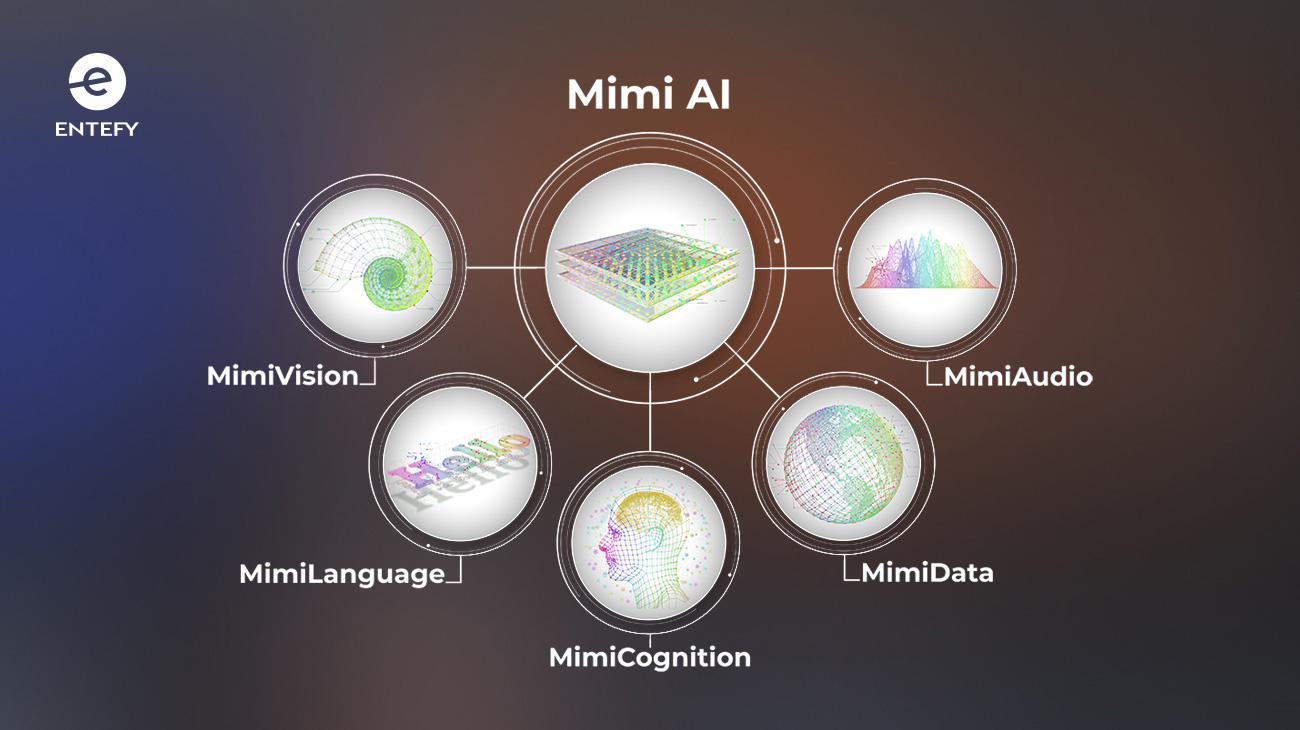
The Balancing Act: Integrating Language, Vision, and Motion
While each of these modalities—language, vision, and motion—brings its unique set of challenges, the true power of multi-modal AI lies in how these elements are harmonized. Balancing them requires sophisticated algorithms that can understand when and how to weigh different inputs depending on the situation.
For example, if a robot is trying to pick up an object based on a verbal command, the language model might interpret the instruction, but the vision system will be needed to locate the object. Once the object is located, the motion system must accurately reach out and grab the item. The challenge comes in ensuring these systems work seamlessly together. A delay in one modality can affect the others. If the language model misunderstands the instruction or the vision system misidentifies the object, the motion system will fail to act as intended.
Machine Learning and Deep Learning Models
To tackle this balancing act, multi-modal AI systems typically rely on machine learning (ML) and deep learning (DL) models. These models can learn from vast amounts of data, improving their performance over time. For instance, in a multi-modal system for autonomous vehicles, ML models would process images from cameras (vision), interpret traffic signs (language), and control the car’s movements (motion). Over time, the system learns to improve its response to various environmental stimuli, adapting to new situations as they arise.
Deep learning models, particularly those using neural networks, are often at the core of these systems. Convolutional neural networks (CNNs) are commonly used for vision, while recurrent neural networks (RNNs) or transformers are used for language. To enable multi-modal learning, these models need to be able to share information across modalities. Multi-task learning is one technique used to achieve this, where a single model is trained to perform multiple tasks, each drawing from different types of data.

The Role of Fusion Techniques
One of the key approaches to balancing the different modalities is fusion. Fusion refers to the process of combining the data from various sources (language, vision, and motion) in a way that maximizes the AI system’s understanding. There are two primary types of fusion in multi-modal systems:
- Early Fusion: This method involves combining the data from different modalities early in the processing pipeline. For instance, raw sensory inputs from cameras, microphones, and motion sensors could be merged into a unified representation before feeding it into the AI model. Early fusion is often computationally expensive, but it allows for a more integrated understanding of the data.
- Late Fusion: In late fusion, the modalities are processed separately, and their results are combined only at a later stage. This approach is more efficient but may result in less seamless integration between the different inputs.
Each of these fusion techniques comes with trade-offs. Early fusion can lead to a richer, more cohesive understanding, but it may require more computational resources. Late fusion, while more resource-efficient, may result in a less integrated experience.
The Challenges in Balancing Language, Vision, and Motion
Despite the advancements in multi-modal AI, several challenges remain in effectively balancing language, vision, and motion:
- Data Alignment: One of the most significant challenges is ensuring that data from different modalities is aligned. For instance, if a robot hears a command (“pick up the red ball”) while simultaneously observing the environment, it must ensure that the language processing system and the vision system are aligned enough to recognize which object the instruction refers to.
- Real-time Processing: Multi-modal AI systems, especially those in robotics or autonomous vehicles, need to process and act on data in real-time. The system must be able to react quickly to changes in its environment, which requires efficient algorithms and fast computation.
- Context Understanding: Balancing the three modalities—language, vision, and motion—requires contextual awareness. The system needs to understand the intent behind the spoken word, the relevance of what it sees, and the proper action to take. This requires not just raw processing power but a nuanced understanding of the environment.
- Safety and Reliability: Especially in industries like healthcare, autonomous driving, or manufacturing, safety is a major concern. Multi-modal systems must be robust enough to handle unexpected scenarios, such as unclear visual data or ambiguous language inputs. Ensuring safety and reliability in real-world situations remains a key challenge.
The Future of Multi-Modal AI Systems
The future of multi-modal AI systems is incredibly promising. As more industries seek to leverage AI to improve efficiency, safety, and user experiences, these systems will become more sophisticated. Advances in computer vision, NLP, and robotics will continue to make multi-modal systems more capable of handling complex tasks and interacting with humans in more meaningful ways.
For example, in healthcare, multi-modal AI could be used to assist doctors during surgeries by combining visual data (like scans and real-time video feeds), language (instructions or patient data), and motion (robotic assistance). In entertainment, AI could create more immersive experiences by combining speech, gesture, and visual data for interactive storytelling.
In robotics, we might see machines that better understand human emotions and intentions through the fusion of speech, vision, and physical movement. Such systems could be employed in caregiving, eldercare, and customer service, offering more intuitive and responsive interactions.
Conclusion
The balance of language, vision, and motion in multi-modal AI systems represents the frontier of human-computer interaction. By effectively integrating these three key elements, AI systems can achieve a deeper, more nuanced understanding of the world, which allows for more natural and intelligent responses. As AI continues to advance, the ability to harmonize these modalities will play a crucial role in making AI systems more intuitive, capable, and ultimately, human-like.
By solving the challenges that come with multi-modal integration—data alignment, real-time processing, context understanding, and safety—these systems will revolutionize industries and redefine the way we interact with technology.