









Introduction
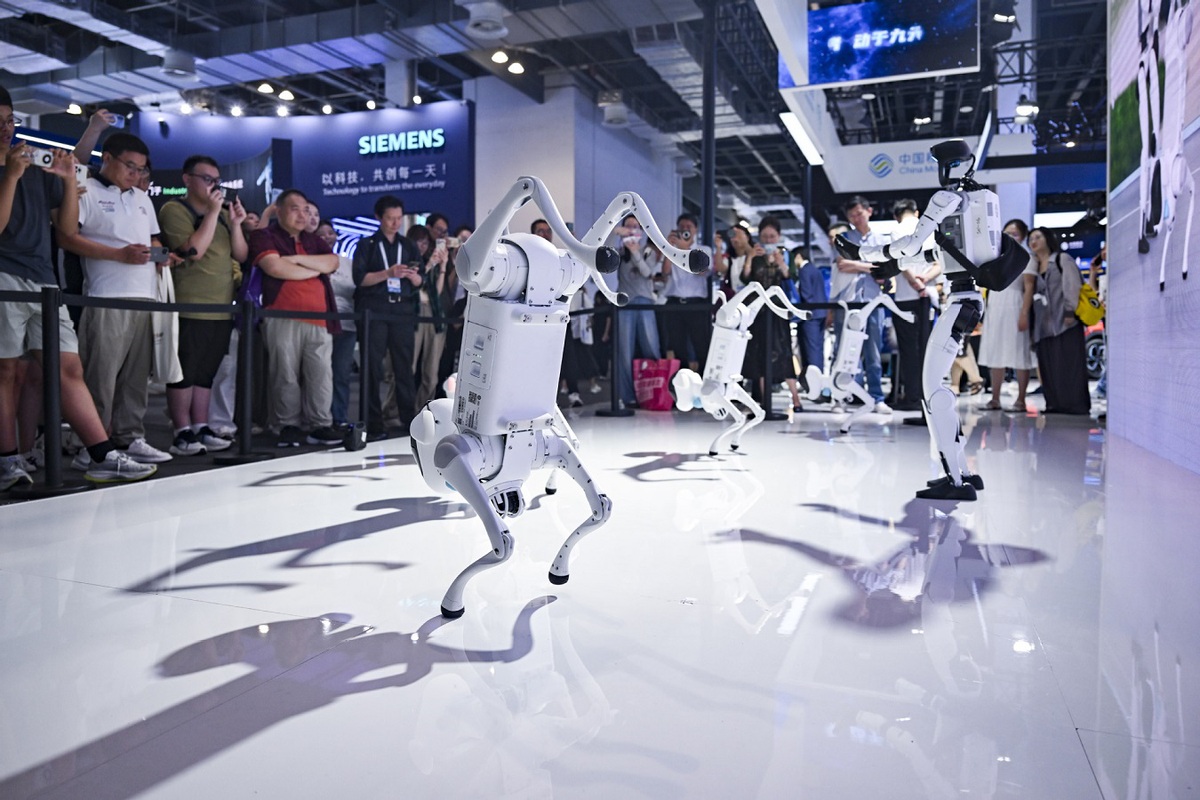
As the global robotics landscape continues to evolve, a question looms: Can Asia’s robotics ecosystem outpace Silicon Valley in 2026? For decades, Silicon Valley has been the heartbeat of technological innovation, particularly in robotics, artificial intelligence (AI), and automation. However, in recent years, Asia has become an increasingly important player in these fields, thanks to significant investments, breakthroughs in AI research, and supportive government policies.
But is Asia truly poised to surpass Silicon Valley, or is this just wishful thinking? In this article, we’ll explore Asia’s robotics ecosystem, its potential advantages over Silicon Valley, and the challenges it faces in the race to become the world leader in robotics by 2026.
Silicon Valley: A Long History of Innovation
Silicon Valley’s reputation as the birthplace of cutting-edge technology is well-earned. From the development of the first personal computer to the rise of the internet and the current dominance of AI and robotics, the region has been at the forefront of technological advancement for over half a century. Companies like Tesla, Google, Apple, and Boston Dynamics have set the standard in robotics and AI research, leading to numerous breakthroughs in autonomous vehicles, robotic exoskeletons, and humanoid robots.
One of the key factors driving Silicon Valley’s dominance in robotics is its concentration of venture capital, a network of talented engineers and scientists, and its culture of innovation. The region is home to some of the most prestigious universities and research institutions, including Stanford and UC Berkeley, which continue to produce world-class talent in robotics and AI. Moreover, the close collaboration between universities, startups, and major corporations has created an ecosystem that fosters continuous innovation.
Asia: A Rising Contender in Robotics
In recent years, Asia has emerged as a serious contender in the global robotics race. Countries like Japan, South Korea, China, and Singapore have heavily invested in robotics, and their industries are beginning to rival those of Silicon Valley. While these countries have historically excelled in manufacturing automation, they are now focusing on creating more advanced, intelligent robots that can perform a variety of tasks beyond simple assembly lines.
Japan: A Pioneer in Robotics
Japan is often considered the birthplace of industrial robotics. The country has a long history of robotic innovation, with companies like FANUC and Kawasaki leading the charge in industrial automation. Japan’s unique aging population and declining workforce have driven the country to invest heavily in robots that can assist in healthcare and caregiving. Robots like SoftBank’s Pepper and Toyota’s Partner Robot are designed to help the elderly, perform tasks in healthcare settings, and provide companionship, thus positioning Japan as a leader in social robotics.
Japan is also home to RIKEN, one of the world’s top research institutes for robotics, where breakthroughs in humanoid robotics are consistently made. With a government-backed push for innovation and adoption of robotics across sectors, Japan’s robotics ecosystem is robust and well-funded.
South Korea: Technologically Advanced and Government-Backed
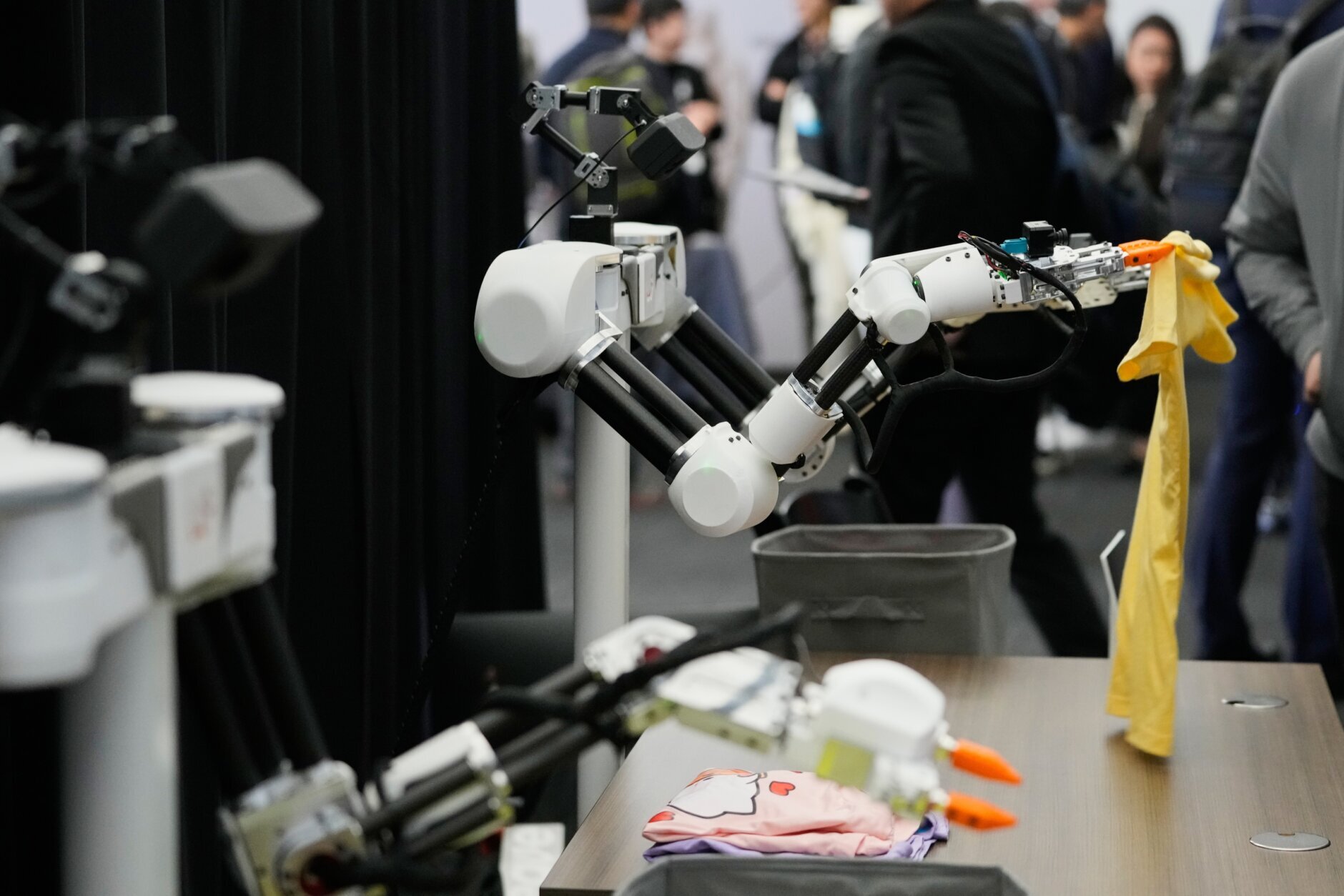
South Korea has made significant strides in robotics, particularly in the field of service and industrial robots. The country’s government has been proactive in creating a favorable regulatory environment for robotics development. South Korean conglomerates like Hyundai and Samsung are investing heavily in robotics, particularly in the development of autonomous vehicles and AI-driven robots.
Additionally, South Korea’s educational system places a heavy emphasis on STEM (Science, Technology, Engineering, and Mathematics) education, and the country has an abundance of skilled engineers and researchers who contribute to its robotics industry. With these factors in play, South Korea is poised to become a major player in robotics and AI by 2026.
China: The Rising Superpower in Robotics
China’s rapid development in robotics cannot be ignored. The country is already the world’s largest producer and consumer of industrial robots, with companies like DJI leading the way in drone technology and automation. China’s government has made robotics a key focus of its industrial policies, and its “Made in China 2025” initiative aims to transform the country into a global leader in robotics, AI, and automation technologies.
The scale of China’s robotics industry is staggering. The country has not only ramped up production of industrial robots but is also making headway in the fields of medical robotics, service robots, and AI-driven autonomous systems. China’s vast population, growing middle class, and increasing demand for high-tech solutions create a fertile ground for the growth of its robotics industry.
Singapore: A Hub for Innovation and Research
Singapore has emerged as a hub for robotics research and innovation, largely driven by its smart nation initiatives. The country has made significant investments in AI and robotics, with a focus on automation for industries like manufacturing, healthcare, and logistics. Singapore’s government has actively encouraged the adoption of robotics by offering grants and incentives to companies investing in automation technologies.
Moreover, Singapore’s proximity to major robotics hubs in Asia, such as Japan and South Korea, makes it an ideal location for international partnerships and collaborations. The National University of Singapore (NUS) and the Agency for Science, Technology, and Research (A*STAR) are leading research initiatives in robotics and AI, further cementing Singapore’s position as a global leader in robotics.
Comparing Asia’s Robotics Ecosystem to Silicon Valley
While Silicon Valley’s robotics ecosystem is still considered the most advanced globally, Asia’s rapid advancements are closing the gap. Here’s a closer look at how Asia compares to Silicon Valley in several key areas:
Investment in Robotics
Silicon Valley has long been the epicenter of venture capital, with billions of dollars invested in robotics and AI startups. However, Asia is catching up quickly. In 2020, China became the largest source of robotics-related patents, surpassing the U.S. in innovation. Japan and South Korea have also committed substantial investments to robotics, with major corporations and governments backing their research and development initiatives.

The increased focus on robotics in Asia can be attributed to its aging populations, labor shortages, and a desire for technological leadership. As these countries continue to prioritize automation, their robotics ecosystems will become even more robust.
Research and Development
Silicon Valley’s research ecosystem is undeniably strong, thanks to its top-tier universities and research institutions. However, Asia is rapidly closing the gap. In China, for instance, universities like Tsinghua University and Shanghai Jiao Tong University are making groundbreaking contributions to robotics and AI. South Korea’s KAIST and POSTECH are also conducting high-level research in the field.
Moreover, countries like Japan and Singapore have dedicated robotics institutes and research facilities. Japan’s RIKEN and Singapore’s NUS are producing cutting-edge research that is shaping the future of robotics.
Workforce and Talent
One of Silicon Valley’s key advantages is its highly skilled workforce. The region attracts top talent from around the world, and its companies are able to leverage this diverse pool of engineers, designers, and scientists to push the envelope of innovation.
In Asia, the situation is evolving. Countries like South Korea and Singapore have invested heavily in STEM education, and their universities produce large numbers of robotics engineers every year. China, too, has a rapidly growing pool of robotics talent, and the country is attracting skilled professionals from abroad to bolster its technological ambitions.
Government Support and Policy
The U.S. government has historically been supportive of robotics innovation, but Asia’s governments are taking a more active role in fostering the growth of the robotics industry. In Japan, South Korea, and China, government-backed initiatives provide funding, research support, and favorable regulations for robotics startups and research institutions.
China’s “Made in China 2025” plan, in particular, is a game-changer. The initiative aims to make China a global leader in robotics, AI, and automation, and it is accompanied by significant government investment in R&D and infrastructure. South Korea’s government has also been proactive, with initiatives like the “Intelligent Robot Development and Commercialization” plan, which aims to promote the growth of intelligent robots in the country.
Challenges Asia Faces in Overtaking Silicon Valley
Despite its impressive progress, Asia faces several challenges in surpassing Silicon Valley’s robotics ecosystem by 2026. These challenges include:
- Intellectual Property Protection: Silicon Valley has a long history of protecting intellectual property, which fosters innovation. In contrast, some Asian countries still face issues with IP theft and enforcement, which could stymie growth in the robotics sector.
- Regulatory Hurdles: While Asia has made significant strides in creating favorable regulations for robotics, there are still challenges, particularly in China, where regulations can be inconsistent and unpredictable. This could slow down the adoption of new robotics technologies.
- Global Competition: The robotics industry is highly competitive, and Silicon Valley still leads in many areas, including AI research, autonomous vehicles, and humanoid robots. Asia will need to overcome these competitive hurdles to become the global leader in robotics.
- Cultural and Social Barriers: In some Asian countries, there may be cultural resistance to the adoption of robots, particularly in sectors like healthcare and caregiving. Overcoming this resistance will require significant effort and public awareness campaigns.
Conclusion
While Silicon Valley remains the global leader in robotics and AI innovation, Asia is rapidly closing the gap. With major investments in robotics, world-class research institutions, and supportive government policies, Asia is positioning itself to be a dominant force in robotics by 2026. However, overcoming challenges related to intellectual property, regulation, and global competition will be crucial for Asia’s success.
Ultimately, the robotics race is far from over, and Asia’s ecosystem is evolving at a pace that may soon rival, or even surpass, Silicon Valley’s. If current trends continue, Asia may indeed become the new epicenter of robotics innovation within the next few years.