








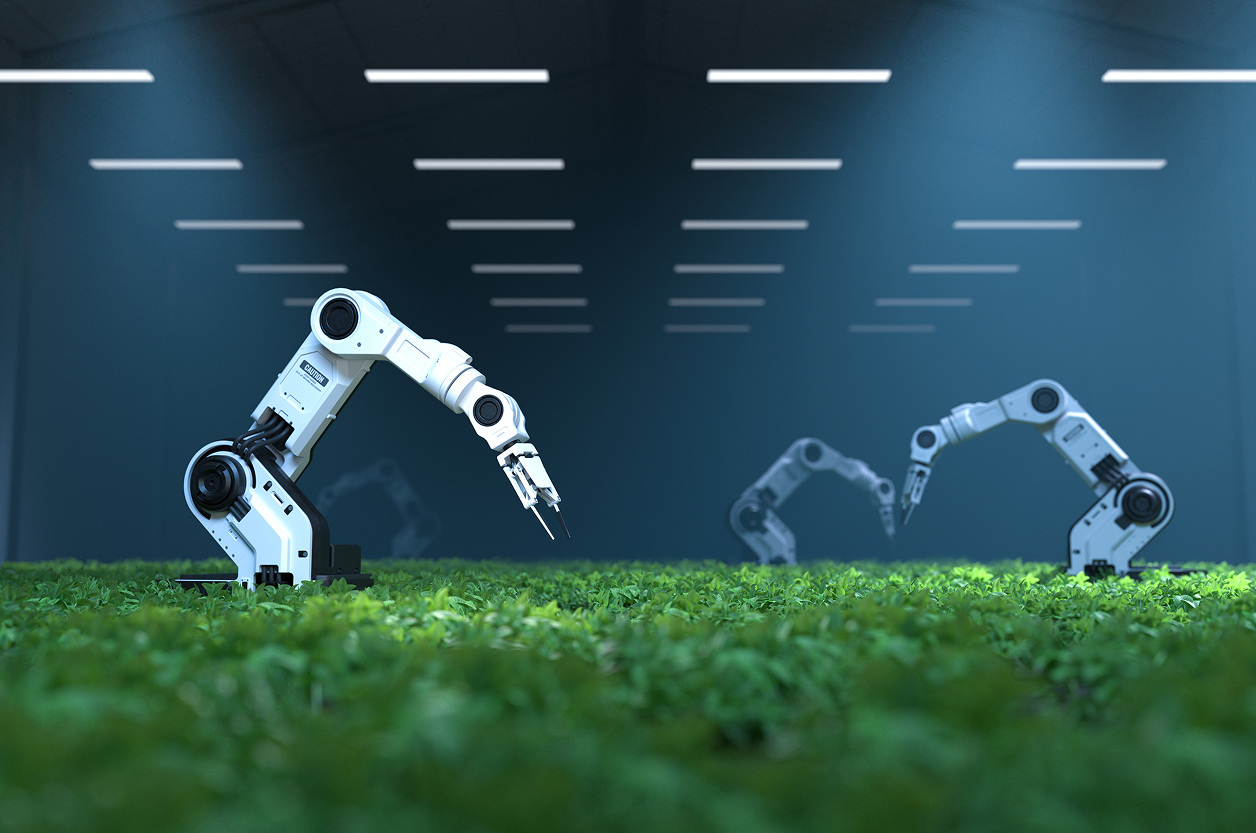

The future of high-precision robotics is an intriguing and rapidly evolving domain, and Europe, with its rich history of engineering innovation and technological leadership, seems poised to emerge as a key player. Over the past decade, the robotics industry has expanded beyond simple automation to encompass highly complex systems that interact with their environment in sophisticated ways. As industries worldwide embrace automation to enhance productivity, Europe finds itself at the crossroads of technological evolution, regulatory frameworks, and investment opportunities that could cement its role in this critical area of growth.
In this article, we will explore whether Europe can rise to become a high-precision robotics powerhouse, examining its strengths, challenges, and the key trends shaping the future of this exciting field.
The Rise of High-Precision Robotics
Robots are no longer just tools; they are becoming integral to our societies. High-precision robotics is an area of automation where robots are designed to operate with extreme accuracy and reliability. Unlike general industrial robots, high-precision systems are tailored for specialized tasks that demand finely tuned control and sensitivity. These robots are used in industries such as medical surgery, aerospace, automotive manufacturing, and electronics assembly.
The promise of high-precision robotics is clear: the ability to perform complex, delicate tasks with greater consistency and accuracy than human labor can achieve. Robots can assemble microchips, assist in neurosurgery, or even perform quality control inspections on high-end luxury goods — all with precision that human hands simply cannot match.
This growth in high-precision robotics is happening at an opportune time for Europe. With its strong manufacturing base, an expanding focus on Industry 4.0, and a growing emphasis on artificial intelligence (AI), Europe has all the right ingredients to become a leader in this space. But is it enough?
Europe’s Robotics Landscape
Historically, Europe has been a pioneer in robotics development. Countries like Germany and Switzerland are already leaders in industrial robotics, while the UK and Sweden have made strides in creating innovative solutions for automation. The European Union (EU) also plays a crucial role in this ecosystem by investing in research and fostering cooperation across borders. Initiatives like Horizon Europe, the EU’s main funding program for research and innovation, have significantly boosted the development of new technologies, including robotics.
Strengths Driving Europe’s Robotics Industry

- Technological Expertise
Europe’s engineering legacy remains one of its greatest strengths. Countries like Germany, France, and Italy are home to some of the most advanced robotics companies, including ABB, KUKA, and Siemens, all of which specialize in high-precision automation technologies. Moreover, universities and research centers across the continent are at the forefront of developing cutting-edge robotic systems. Institutions like ETH Zurich and the University of Cambridge lead in both theoretical and applied robotics research. - Industry 4.0 and Digital Transformation
Industry 4.0, which integrates automation, AI, and data exchange in manufacturing technologies, is a key driver for robotics in Europe. This digital transformation is spurring demand for robots that can handle complex tasks with minimal human intervention. With robust industrial infrastructure, Europe has a unique opportunity to lead the development of robots that are capable of working autonomously in highly complex environments. - Funding and Collaboration
The EU has committed significant resources to promoting innovation, including robotics. This financial support, along with collaborative projects between companies, academic institutions, and government bodies, accelerates the development and deployment of new technologies. The European Robotics Initiative, which includes large-scale funding for research and development in robotics, will help ensure that Europe remains competitive in the global race for precision robotics supremacy.
Challenges to Overcome
While Europe is well-positioned, several challenges could hinder its ambitions to dominate the high-precision robotics market.
- Global Competition
Europe is not alone in its quest for robotics leadership. Asia, particularly Japan, South Korea, and China, has a long history of investing in robotics and is aggressively expanding its capabilities in high-precision fields. In the US, companies like Boston Dynamics and Tesla are pushing the envelope in terms of automation and AI integration. Europe’s robotics industry must contend with these established global competitors to secure its place in the market. - Fragmented Market
Europe’s robotics landscape is often fragmented due to the diverse regulatory and industrial frameworks across different countries. The EU has made strides in harmonizing these standards, but there are still challenges in terms of integration and scaling robotics technologies across the continent. Creating a cohesive, pan-European robotics market is essential to fostering innovation and achieving global competitiveness. - Workforce Transition
As robots take over more tasks, there are concerns about the displacement of workers. The shift to automation will require European countries to manage a transition that includes retraining workers for new roles in the tech-driven economy. The robotics industry must focus not only on technological innovation but also on ensuring the ethical and social implications of automation are carefully considered.
Key Sectors for Europe’s High-Precision Robotics
Europe is likely to excel in several key sectors that will define the future of high-precision robotics. Here are the areas where Europe could build its competitive edge.
1. Healthcare and Medical Robotics
Medical robotics is one of the most exciting and impactful areas for high-precision robots. European companies like Medtronic and Intuitive Surgical (with significant operations in Europe) are already making strides in developing surgical robots that can perform with extreme precision, helping surgeons conduct minimally invasive procedures. The aging population in Europe and the increasing demand for healthcare services create a fertile environment for growth in this sector.
Additionally, European research institutions are developing robots capable of assisting in complex medical diagnostics and rehabilitation, offering the potential for transformative change in healthcare delivery.
2. Automotive and Aerospace Manufacturing
The automotive and aerospace industries are pioneers in adopting automation technologies, and high-precision robotics plays a key role in both sectors. European manufacturers like BMW, Mercedes-Benz, and Airbus are investing heavily in robotic systems to improve their production processes and ensure the highest standards of quality. Robotics that can assemble high-precision parts or conduct detailed inspections are critical in industries where even the slightest flaw can lead to catastrophic failures.
3. Electronics and Microelectronics Assembly
The production of microchips, semiconductors, and high-precision electronics requires extreme accuracy. Europe’s advanced manufacturing capabilities, coupled with its expertise in robotics, give it an edge in the field of microelectronics. Companies like ASML in the Netherlands, a leader in semiconductor lithography machines, are already pushing the envelope in terms of high-precision manufacturing.
4. Agriculture and Food Production
While not traditionally associated with high-precision robotics, the agricultural sector in Europe is beginning to embrace automation. Robots that can harvest crops, monitor plant health, and perform other tasks with precision could revolutionize the way food is produced in Europe. This shift toward automation in agriculture is particularly timely given the increasing demand for sustainable and efficient food production methods.
The Road Ahead: Policy, Innovation, and Regulation
To fully realize its potential, Europe must continue to embrace a forward-thinking approach to robotics, combining innovation with responsible regulation.
1. Policy Frameworks for Robotics Development
Europe has already taken significant steps in regulating AI and robotics, but continued efforts are needed to ensure that innovation is balanced with ethical considerations. The EU’s proposed regulations on artificial intelligence, for example, could set global standards for how robots are developed, deployed, and integrated into society. Clear guidelines for safety, privacy, and ethics will help ensure that Europe remains a leader in responsible robotics development.
2. Investment in Innovation and Infrastructure
To maintain its competitive edge, Europe must continue investing in research and development. Collaboration between the private sector, academia, and government is crucial to ensuring that Europe’s robotics capabilities remain at the cutting edge. This includes not only funding for high-precision robotics but also infrastructure that supports the adoption of these technologies across industries.
3. Ethical and Social Considerations
As robots take on more roles in society, there will be increasing concerns about their impact on jobs, privacy, and human rights. Europe has always been at the forefront of ethical debates, and as robotics becomes more integrated into daily life, it is essential that European policymakers set standards that protect workers, consumers, and society at large.
Conclusion
Europe has all the right ingredients to become a high-precision robotics powerhouse. From a rich legacy of engineering excellence to cutting-edge innovations in AI, healthcare, and manufacturing, the continent is well-positioned to lead in the global race for robotics supremacy. However, challenges remain — from global competition to fragmented markets and the ethical implications of automation.
By continuing to invest in innovation, fostering collaboration across industries, and ensuring responsible regulation, Europe can build a strong foundation for high-precision robotics. As the world moves towards an increasingly automated future, Europe’s ability to strike a balance between technological advancement and social responsibility will determine whether it can truly emerge as a leader in this exciting new era.