








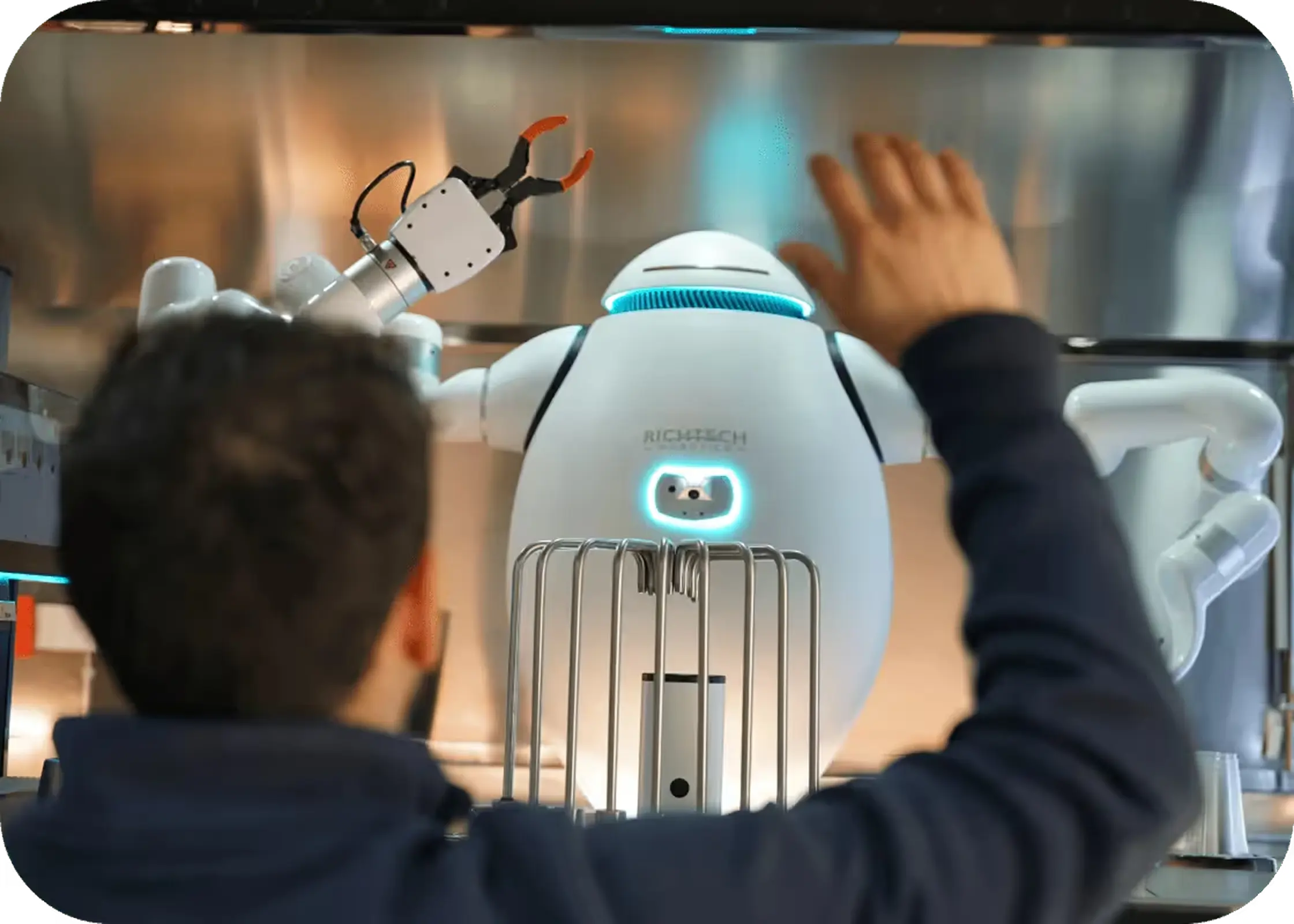

Humanoid robots have long been a staple of science fiction, with visions of androids serving humanity in various capacities—from caregiving to companionship to complex labor tasks. Today, however, these futuristic technologies are beginning to cross the threshold into reality. As innovation in robotics, artificial intelligence (AI), and automation pushes forward, the question arises: Can humanoid robots actually pay back their cost within just three years?
To answer this, we need to explore several key factors: the current costs associated with humanoid robots, their potential use cases, the financial savings they could bring to businesses and society, and the challenges they face in achieving profitability. In this article, we’ll dissect these elements and attempt to determine whether humanoid robots can indeed provide a return on investment (ROI) within a three-year timeframe.
The Rising Costs of Humanoid Robots
Before diving into the potential for humanoid robots to “pay back” their costs, it’s important to understand what the financial landscape of this emerging technology looks like. The development and deployment of humanoid robots require substantial upfront investments. This includes research and development (R&D), hardware production, software programming, and maintenance costs.
Development and Production Costs
A humanoid robot is far more complex than a standard industrial robot. It needs to replicate human movements, interact with the environment, and, in some cases, exhibit complex decision-making abilities. This involves a combination of advanced robotics engineering, AI, machine learning, and sensor technology. Currently, the cost of producing a humanoid robot can range anywhere from $50,000 to $500,000, depending on its capabilities and complexity.
For example, one of the more well-known humanoid robots, Sophia by Hanson Robotics, has been valued at around $500,000. Meanwhile, robots designed for industrial or service use, such as those built by Boston Dynamics or Toyota, tend to cost less but still require significant investment.
Software and Maintenance
In addition to hardware costs, humanoid robots require sophisticated software to function. AI algorithms must be continuously updated to improve learning and adaptability. Maintenance and repairs are also ongoing expenses. Just like any other machinery, humanoid robots experience wear and tear, requiring routine check-ups and troubleshooting, which can add up to a significant expense.
Potential Use Cases for Humanoid Robots
Humanoid robots are not merely a novelty; they serve practical purposes in various industries. Understanding the use cases of humanoid robots is crucial in determining whether they can provide a return on investment within three years.
Service and Hospitality Industry
One of the most promising areas for humanoid robots is the service and hospitality industry. Robots can be deployed in hotels, restaurants, and retail establishments to handle repetitive tasks such as check-ins, order-taking, and customer inquiries. They can also provide a unique customer experience, serving as brand ambassadors or interactive guides.
For example, in Japan, several hotels have already adopted robots to greet guests and handle check-ins. These robots are reducing labor costs while offering a futuristic touch to customer service. With labor shortages in some regions, humanoid robots can step in to fill gaps, improving efficiency while reducing the burden on human employees.
Healthcare and Caregiving
Another compelling use case for humanoid robots is in the healthcare sector, particularly in caregiving for the elderly. As the global population ages, many countries face a shortage of healthcare workers. Humanoid robots can help fill this gap by providing companionship, assisting with daily tasks, and even monitoring health metrics.
The ability to care for the elderly or individuals with disabilities could significantly reduce the pressure on human caregivers, thereby lowering healthcare costs over time. In countries with aging populations like Japan, humanoid robots have already begun to make their mark in nursing homes and hospitals.
Industrial and Manufacturing Sectors
In industrial settings, humanoid robots can perform tasks traditionally handled by human workers. They can assist with tasks that require dexterity, such as assembling products, inspecting goods, or even handling hazardous materials. The key advantage here is that humanoid robots can work around the clock, without the need for breaks or sleep, thereby improving overall productivity.
Factories and warehouses that use humanoid robots could see substantial cost savings in terms of labor, safety, and efficiency. Given that these robots don’t require compensation, healthcare benefits, or union representation, businesses could potentially see a significant reduction in labor costs.
Calculating ROI: Can Humanoid Robots Pay Back Their Cost in Three Years?
Now that we understand the costs and potential applications of humanoid robots, it’s time to analyze whether they can realistically pay back their initial investment within a three-year period.
Labor Cost Savings
The biggest advantage that humanoid robots offer is the potential to drastically reduce labor costs. In industries such as hospitality, caregiving, and manufacturing, labor is a significant expense. By replacing or augmenting human workers with robots, businesses could save on salaries, benefits, and insurance.

In the service industry, for instance, humanoid robots might replace certain human employees, especially in roles that involve repetitive or routine tasks. Assuming a humanoid robot costs $100,000 to purchase and maintain over three years, replacing a human worker who earns $50,000 annually could result in a direct saving of $150,000 over three years. This calculation shows that, in some cases, humanoid robots could more than pay for themselves in a relatively short amount of time.
Efficiency Gains
In addition to labor cost savings, humanoid robots can improve efficiency. Robots work faster and more accurately than humans in certain tasks. For example, a humanoid robot in a manufacturing setting could complete an assembly task faster and with fewer mistakes than a human worker. These efficiency gains contribute to overall productivity, which can translate into higher output and increased profitability.
In industries where production speed and accuracy are critical, humanoid robots can provide an edge that offsets their initial investment cost. By improving operational efficiency, robots can ensure that a business remains competitive, further contributing to their return on investment.
Long-Term Maintenance and Upgrades
While humanoid robots offer significant potential for cost savings, their maintenance and upgrade needs must be taken into account. As technology evolves, humanoid robots will need software updates and hardware upgrades to keep up with the latest advancements. However, as the technology matures, the cost of maintenance and upgrades is expected to decrease, making the long-term financial sustainability of humanoid robots more feasible.
Risk of Obsolescence
A potential challenge to the ROI calculation is the risk of obsolescence. Technology evolves rapidly, and what is cutting-edge today might be outdated tomorrow. Companies that invest in humanoid robots must consider the possibility that a new, more advanced model could be released within a few years, making their initial investment less valuable.
This risk can be mitigated through careful selection of robots that offer upgradability and long-term support. Additionally, as the market for humanoid robots expands, competition could drive prices down, making it easier for businesses to adopt the technology without incurring significant financial strain.
The Path Forward for Humanoid Robots
Humanoid robots are still in their early stages, but their potential to transform industries is clear. Whether in the form of service robots, caregiving assistants, or factory workers, humanoid robots have the ability to significantly improve productivity, reduce labor costs, and enhance service delivery. However, the upfront costs and ongoing maintenance requirements present a challenge to businesses looking for quick returns.
The next few years will likely see improvements in the efficiency of humanoid robots, which could further reduce their costs and increase their profitability. With careful planning and strategic implementation, it is entirely possible that humanoid robots could pay back their investment within three years. As the technology continues to evolve and mature, the path to profitability for humanoid robots will only become clearer.
Conclusion
In conclusion, humanoid robots have the potential to pay back their costs within three years, but this will depend on several factors, including the industry in which they are deployed, the specific tasks they are used for, and their efficiency in performing those tasks. While the initial investment may be high, the long-term savings in labor, increased productivity, and efficiency can offset these costs, making humanoid robots a worthwhile investment for businesses willing to embrace the future of automation.
As humanoid robotics technology continues to evolve, we are likely to see more industries adopt robots, accelerating their path to profitability. Whether it’s in the factory, the hospital, or the customer service line, humanoid robots are poised to change the way we work—and how quickly we can see a return on that investment.