








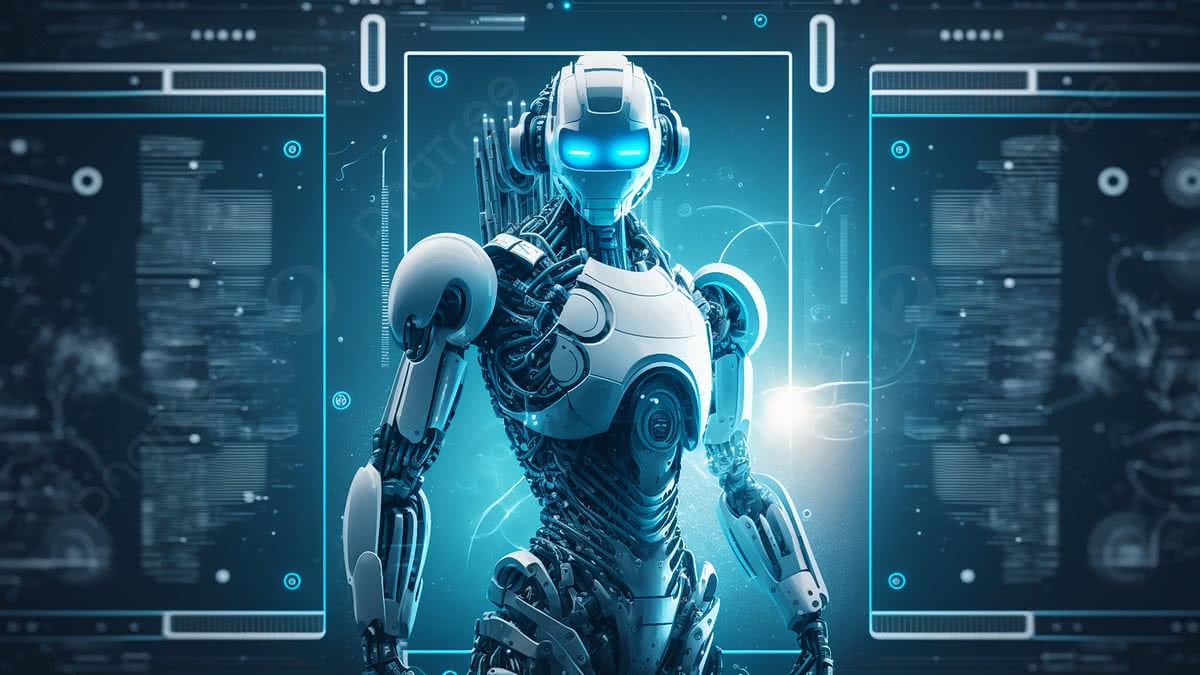

The world of manufacturing is on the brink of transformation. As industries increasingly embrace automation, a new wave of technology is beginning to shape the future: humanoids. These advanced robots, designed to mimic human movements, emotions, and interactions, are gaining ground as potential game-changers in various sectors. However, for mid-sized manufacturers, the question remains: Is investing in humanoids worth it?
This article explores the advantages, challenges, and considerations mid-sized manufacturers must weigh when deciding whether humanoid robots can be a viable investment for their businesses. We will examine everything from cost-effectiveness to societal implications, and the key factors influencing decision-making in the manufacturing landscape.
What Are Humanoids and Why Are They Relevant?
A humanoid robot is a type of robot that is designed to resemble a human in its appearance and behavior. While not all humanoids have the same features, they typically have heads, arms, legs, and sometimes a torso—making them look human-like. Unlike traditional industrial robots, humanoids can interact with people and perform a variety of tasks, including those that require some level of dexterity, perception, and decision-making.
In recent years, humanoids have gained popularity due to advancements in artificial intelligence (AI), machine learning, and sensor technology. These robots can process and respond to human gestures, voice commands, and even emotions, making them increasingly capable of performing tasks in dynamic and unpredictable environments.
For mid-sized manufacturers, humanoids present an intriguing opportunity. Unlike large corporations that can easily invest in cutting-edge technologies, mid-sized businesses often operate with more limited resources. This makes it essential to carefully consider the ROI (return on investment) before committing to such a major technological shift.
The Benefits of Investing in Humanoids for Mid-Sized Manufacturers
1. Increased Efficiency and Productivity
Humanoids can automate repetitive tasks with high precision and consistency, freeing up human workers to focus on more complex, value-added activities. In a manufacturing environment, this could mean faster production lines, fewer errors, and a reduction in costly mistakes.
Humanoid robots are also capable of adapting to various roles within the production process. Whether it’s assembly, quality control, or even customer service, humanoids can take over a wide range of activities that were previously performed by human workers. This can drastically improve efficiency across the board.
2. Enhanced Safety
Manufacturing is often fraught with dangerous tasks that put workers at risk. With humanoid robots capable of handling hazardous tasks, companies can reduce workplace injuries and protect their employees. These robots can be deployed in environments with toxic chemicals, extreme temperatures, or dangerous machinery, where human presence is limited or undesirable.

Additionally, humanoids can work around the clock without fatigue, further improving workplace safety and operational continuity.
3. Cost Savings Over Time
While the initial investment in humanoid robots might be substantial, the long-term cost savings can be significant. By reducing reliance on human labor for repetitive or high-risk tasks, manufacturers can lower costs associated with worker compensation, benefits, and training.
Moreover, humanoids can perform tasks with far more precision and efficiency than humans, which means fewer errors and less need for rework. Over time, these savings can make the initial investment worthwhile.
4. Scalability and Flexibility
Mid-sized manufacturers often face fluctuating production demands, especially when dealing with custom orders or short-run productions. Humanoid robots, unlike traditional machines, can be quickly reprogrammed or adapted to new tasks. This scalability makes them ideal for environments that require flexibility.
For instance, a humanoid robot that is used for assembly one day could be reprogrammed to handle packaging or quality control the next. This kind of versatility allows manufacturers to quickly pivot without needing to invest in entirely new systems or machinery.
The Challenges of Humanoid Robots in Manufacturing
1. High Initial Investment
The price tag of humanoid robots can be daunting for mid-sized manufacturers. Depending on the complexity and capabilities of the robot, an investment could range from tens of thousands to several hundred thousand dollars. For many businesses, this is a significant upfront cost.
Additionally, there are other costs to consider, such as ongoing maintenance, software updates, and training for staff to work alongside the robots. While the long-term savings and efficiencies can be substantial, the initial investment might not be feasible for all companies.
2. Integration with Existing Systems
One of the biggest challenges for mid-sized manufacturers is how to integrate humanoid robots into existing manufacturing systems. Many businesses already have established production lines, machinery, and software in place, and incorporating new technologies can be a complex and time-consuming process.
Additionally, humanoid robots are often designed to work in dynamic, unstructured environments, which may not always align with the highly structured needs of traditional manufacturing processes. As a result, significant customization or modification of existing systems may be required to make everything work smoothly.

3. Technical Complexity and Maintenance
Humanoid robots are not without their challenges in terms of maintenance and technical support. These robots rely heavily on advanced AI, sensors, and machine learning algorithms, which require regular updates and maintenance to remain functional.
Unlike traditional industrial robots that follow rigid, predictable patterns, humanoids are designed to interact with a variety of external factors—meaning they may require more frequent troubleshooting. For smaller manufacturers with limited technical expertise, this could represent a significant hurdle.
Is the Investment Worth It?
Whether investing in humanoids is worth it for mid-sized manufacturers depends on a variety of factors. Here are a few key questions to consider:
- Do You Have the Budget for an Initial Investment?
The financial capacity to make an initial investment in humanoid robots is crucial. Many mid-sized manufacturers may find it challenging to justify the upfront costs, especially if their margins are already tight. - Are You Prepared for the Technical Demands?
If your business lacks the in-house expertise to integrate and maintain humanoid robots, the cost of external support and training could add up quickly. For companies without a dedicated IT or engineering team, this could be a significant barrier. - How Quickly Can Your Production Lines Adapt?
Humanoids work best in environments that require flexibility and adaptability. If your manufacturing processes are rigid and highly structured, humanoids may not provide the same level of benefit as they would in more dynamic environments. - Is There a Clear ROI?
It’s essential to carefully assess the potential ROI over a long-term horizon. If humanoids can automate significant portions of your production and lead to major improvements in efficiency, the investment could pay off. However, if the return is uncertain or difficult to quantify, it may be wise to explore other automation options first.
Conclusion: A Long-Term Investment with a Big Impact
Investing in humanoids can be a game-changing move for mid-sized manufacturers, but it’s not without its challenges. The technology offers clear benefits, including increased efficiency, improved safety, and long-term cost savings. However, the high upfront costs, integration challenges, and technical complexity mean that the decision to invest should be approached with caution.
For those that have the resources to invest, humanoids can deliver a significant competitive advantage in the future of manufacturing. But for others, it may be worth waiting until the technology becomes more affordable and easier to integrate into existing systems.
As the world moves towards a more automated future, the question for mid-sized manufacturers is not whether they should adopt humanoids, but when. By staying informed and carefully evaluating the pros and cons, businesses can make the right decision that will position them for success in the years to come.