










The question of whether the global humanoid robot market can grow faster than expected is not speculative science fiction. It is a strategic business and technological inquiry grounded in emerging data, investment trends, industrial demand, and accelerating artificial intelligence capabilities. Recent forecasts suggest a vibrant and rapidly expanding market with multiple growth scenarios, each shaped by technological breakthroughs, macroeconomic forces, regulatory shifts, and the intersection of human needs with machine capabilities. This article explores these elements in depth, weaving together market projections, sectoral drivers, risks, and strategic opportunities that could propel humanoid robotics into a faster growth trajectory than currently anticipated.
Understanding the Humanoid Robot Market
Humanoid robots are machines designed to mimic the human body’s form and functionality. Unlike traditional industrial robots fixed in one location and limited to repetitive tasks, humanoid robots are built to operate in environments designed for human movement, offering flexibility across physical actions, human interaction, and adaptive decision making.
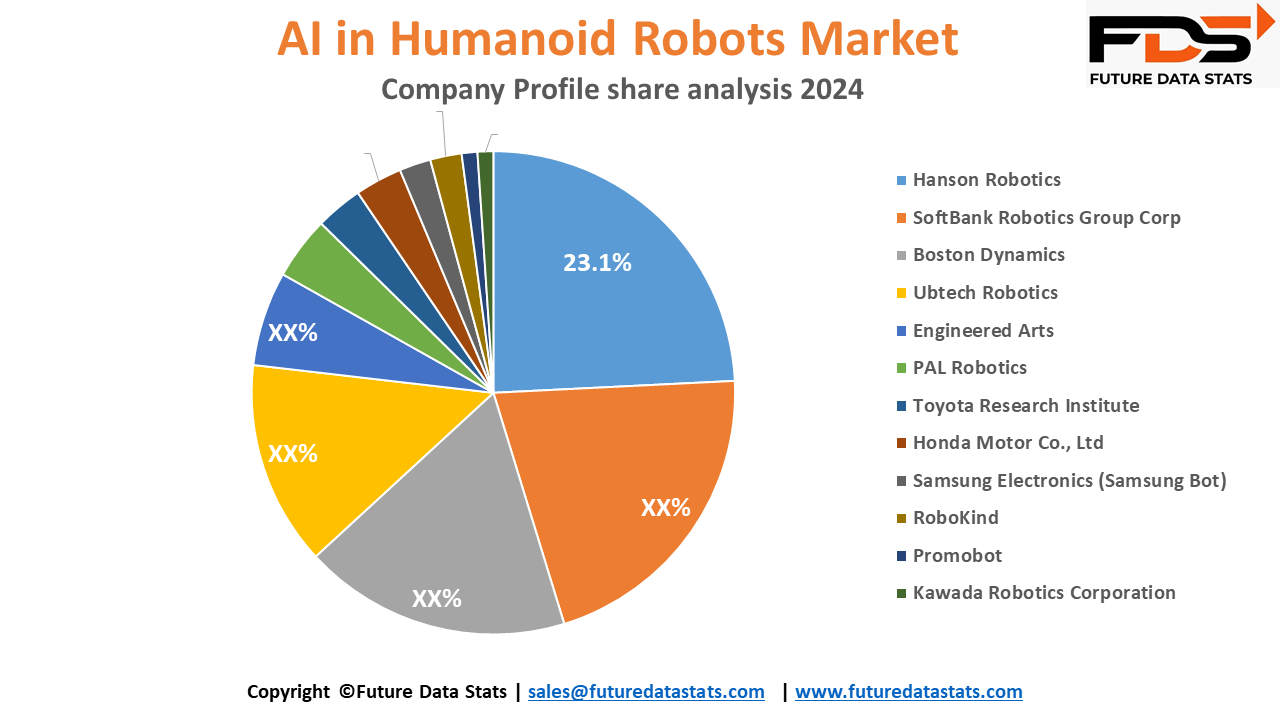
Market analysts report a wide range of forecasts for this industry’s growth. One conservative estimate places the global humanoid robot market at around USD 4.04 billion by 2030, growing at a compound annual growth rate of approximately 17.5 percent from 2025 to 2030. This model assumes steady demand and adoption without major disruptive events. However, more bullish forecasts see the market growing far more rapidly, depending on how technological adoption unfolds across key sectors. These varied estimates indicate strong growth potential but also underscore the uncertainty inherent in predicting new technology markets.
Some forecasts project the humanoid robot market exploding to USD 181.9 billion by 2035 — a staggering expansion that would represent a compounded growth rate of around 37 percent over a decade. This reflects anticipated breakthroughs in artificial intelligence, enhanced mobility, and scalable deployment across industries such as healthcare, education, logistics, and even consumer services.
Other credible market studies paint a slightly different picture, predicting the market might reach USD 15.26 billion by 2030 with a CAGR close to 39 percent when earlier adoption dynamics and sensor technology advances are factored in. Across reports, the common thread is growth — whether moderate or explosive — driven by AI integration, automation needs, and expanding use cases.
Key Drivers of Market Growth
Technological Advancements
Artificial intelligence, sensor technologies, machine learning, and perception systems have reached a level of maturity that enables humanoid robots to operate meaningfully in real-world conditions. Today’s robots can recognize speech patterns, navigate complex environments, interpret visual data, and adapt to novel tasks with minimal human intervention. These advances reduce technical barriers to deployment and broaden potential applications.
Improvements in hardware, such as lightweight yet powerful actuators, advanced torque sensors, and real-time processing units, have also increased the performance and reliability of humanoid robots. Together, these technologies accelerate humanoid robots’ readiness for industrial and consumer roles.
Breakthroughs in AI and machine learning allow robots to learn from experience and improve over time. Instead of being limited to preprogrammed actions, state-of-the-art humanoid systems can adjust their behavior based on real-world feedback. This capacity significantly expands the value proposition of humanoid robots for businesses and end users.
Labor Market Dynamics
A potent driver of humanoid robot demand is the widening gap between available labor and economic demand for work. Many advanced economies face labor shortages across manufacturing, healthcare, logistics, and personal care services. Humanoid robots offer a potential solution by performing work that is undesirable, risky, or physically demanding. They are adaptable to human environments without the need for extensive infrastructure modifications, creating a flexible substitute or complement to human labor.
Ageing populations, particularly in North America, Europe, and parts of Asia, further intensify demand. Older populations require more caregiving support while simultaneously shrinking the working-age population available to fill critical jobs. Humanoid robots have the potential to assist in caregiving roles, supplementing human workers and partially alleviating labor shortages.
Multi-Sector Adoption
Humanoid robots are not limited to a single sector. They are increasingly finding applications in:
- Healthcare as patient support and mobility assistants, especially where physical caregiving duties are time-intensive or hazardous.
- Manufacturing and logistics where robots can operate in human-designed spaces performing sorting, packing, and transport tasks.
- Retail and service industries where robots can assist customers, manage inventories, or support staff roles.
- Public safety and emergency response where robots can operate in unsafe conditions, aiding rescue missions or hazardous material handling.
The broad applicability of humanoid robots across such diverse sectors expands the market’s total addressable revenue potential.
Corporate and Government Investment
Major companies are making significant strategic investments in humanoid robotics. For example, Tesla has announced plans to make its Optimus humanoid robots available to the public by the end of 2027 and aims to scale production in the coming years. These initiatives highlight the commercial momentum behind humanoid robots and hint at new market segments beyond traditional enterprise use.
Independent robotics startups have also attracted substantial funding to scale production capabilities. One notable example is a company securing hundreds of millions in funding to expand its AI-powered humanoid robot production, signaling investor confidence in robotics as a strategic frontier for automation.
Government policies can further accelerate growth by incentivizing research and industrial deployment through tax breaks, subsidies, or national technology initiatives. Regions with coordinated industrial strategies are likely to see faster adoption and capability development.
Factors That Could Lead to Faster-Than-Expected Growth
Beyond base forecasts, several dynamics could propel the humanoid robot market to grow faster than expected:
Rapid Decline in Production Costs
As technologies mature, unit production costs typically fall. Predictions from financial sector analysts suggest plausible cost reductions of humanoid robots from high initial price points down to more affordable levels in the near term. If these declines materialize broadly across manufacturers, adoption could accelerate rapidly — particularly in consumer and small business segments where cost sensitivity is high.
Lower costs also open the possibility of humanoid robots replacing traditional automation tools in more environments. A significant price drop could push deployments beyond industrial and large enterprise settings into quotidian roles in homes, retail spaces, and personal services.
Breakthroughs in Energy Systems
One of the current barriers to wide deployment is limited battery life and energy efficiency. Innovations in energy storage, wireless power transfer, or even hybrid power systems could enable robots to operate longer without recharging, increasing their utility and reducing support costs.
Such breakthroughs could greatly enhance the economic case for humanoid robot usage in extended duty cycles and remote locations, effectively expanding demand beyond traditional industrial contexts.
Integration with Emerging Technologies
Humanoid robots mesh well with other rising technologies like 5G connectivity, edge computing, cloud robotics, and digital twin systems. Seamless integration with these technologies enhances robot performance and enables capabilities like remote monitoring, predictive maintenance, and distributed learning across robot fleets.
These complementary technologies reduce operational friction and unlock new use cases, such as collaborative human-robot teams that operate over distributed environments, expanding the value delivered by robotic systems.
Challenges That Could Constrain Growth
Despite immense potential, the humanoid robot market faces obstacles that could slow growth or dampen overly optimistic projections.
Technical Complexity and Performance Limitations
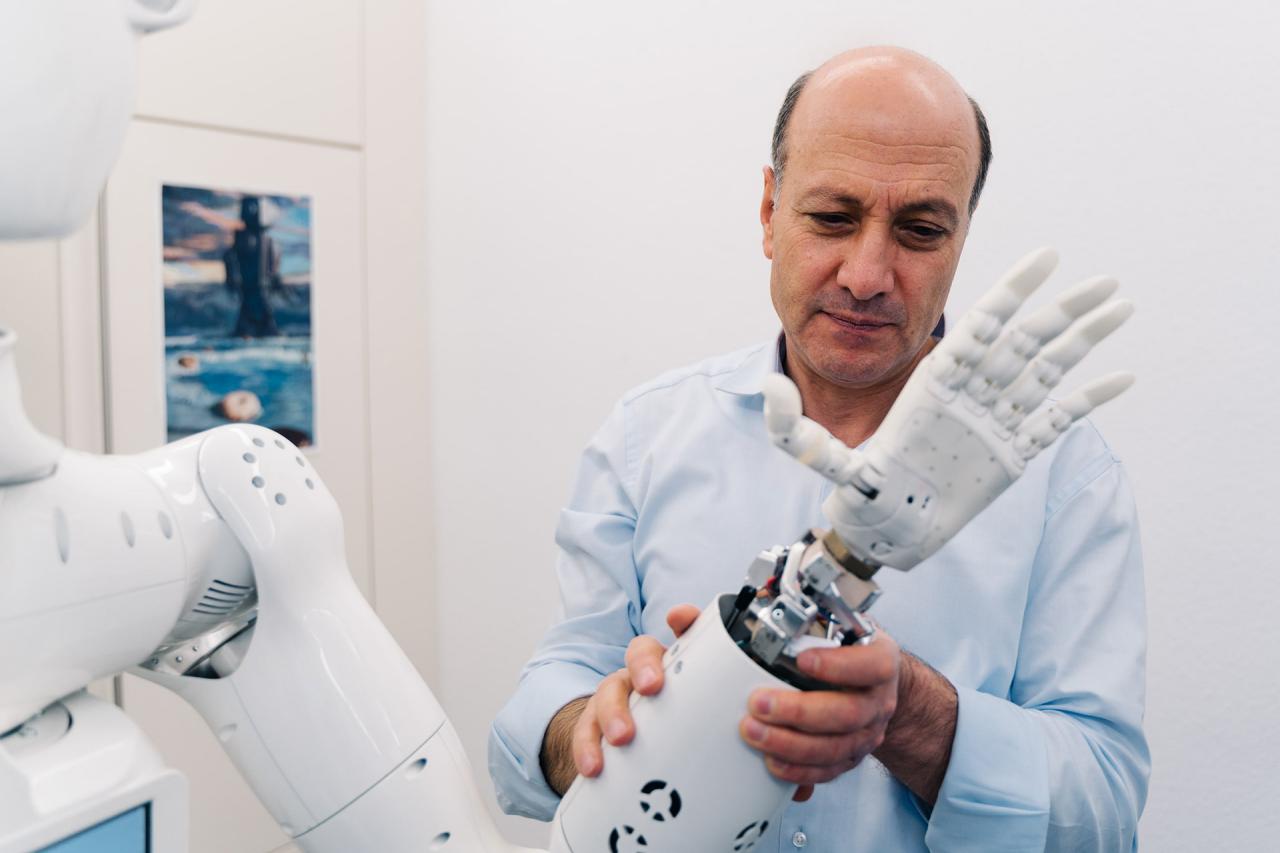
Current humanoid robots still lag behind humans in strength, adaptability, and general purpose task execution. Laboratory and pilot deployments demonstrate impressive capability, but most commercially available humanoid robots can perform a limited set of activities effectively. Many robots today achieve a fraction of human efficiency and require further innovation to operate reliably at scale.
Regulatory and Safety Concerns
As humanoid robots operate in human environments, questions arise regarding safety standards, liability frameworks, and compliance with local laws. Regulatory environments vary significantly across countries, adding complexity for global deployments. Companies must navigate intricate certification processes and safety audits, which can delay time to market.
Furthermore, governments and industry bodies are still developing guidelines for robotic operations, human-robot interactions, and data privacy when robots gather sensory or user information.
Social Perception and Trust
Trust in humanoid robots is not uniform across populations. Public perception can range from optimism about convenience and efficiency gains to apprehension about job displacement, privacy erosion, or loss of human autonomy. Negative sentiment can slow adoption, especially in sectors like personal caregiving or customer service where interactions are highly personal.
Transparency in operations, robust privacy protections, and clear communication about benefits and limitations will be critical to building widespread trust.
Economic and Investment Cycles
Investment enthusiasm can wax and wane with broader economic cycles. Some analysts have even warned about overheating or a potential bubble in humanoid robotics investments, particularly in regions where many startups are raising funds without proven commercial outcomes. If investment capital retracts sharply, growth could slow temporarily as companies adjust or consolidate.
Balancing innovation enthusiasm with long-term value creation will be essential to sustainable expansion.
Can the Market Surpass Expectations?
With all these elements in play, the question remains: can the global humanoid robot market grow faster than expected?
The evidence suggests that this is possible — but not guaranteed. Rapid advancements in technology, significant cost reductions, strong demand drivers, expansion of use cases across sectors, and continued investment momentum create conditions where growth could accelerate beyond baseline projections. If multiple of these factors converge — particularly breakthroughs in AI autonomy and energy systems — it could shift the market into a phase of rapid adoption that outpaces current forecasts.
Conversely, persistent technical constraints, regulatory delays, or broad public resistance could temper growth, aligning outcomes with more conservative forecasts.
What is clear from market analysis is not only that growth will continue, but that the trajectory is dynamic and influenced by forces that can push estimates higher or lower. Most market forecasts agree on significant expansion; the question is its pace and scope.
Conclusion
The global humanoid robot market is on an upward trajectory supported by technological innovation, labor market needs, multi-sector demand, and sustained investment interest. While variations in forecasts reflect uncertainty, the overarching narrative is one of robust growth potential. Whether the market grows faster than expected will depend on how quickly technical challenges are resolved, costs decline, regulatory frameworks evolve, and public trust expands.
In the coming decade, humanoid robots may transform not only factories and warehouses but also healthcare facilities, homes, and public spaces. Growth could surpass expectations if major technological and economic drivers align effectively. But this growth must be navigated thoughtfully, balancing innovation with ethical and societal considerations.