








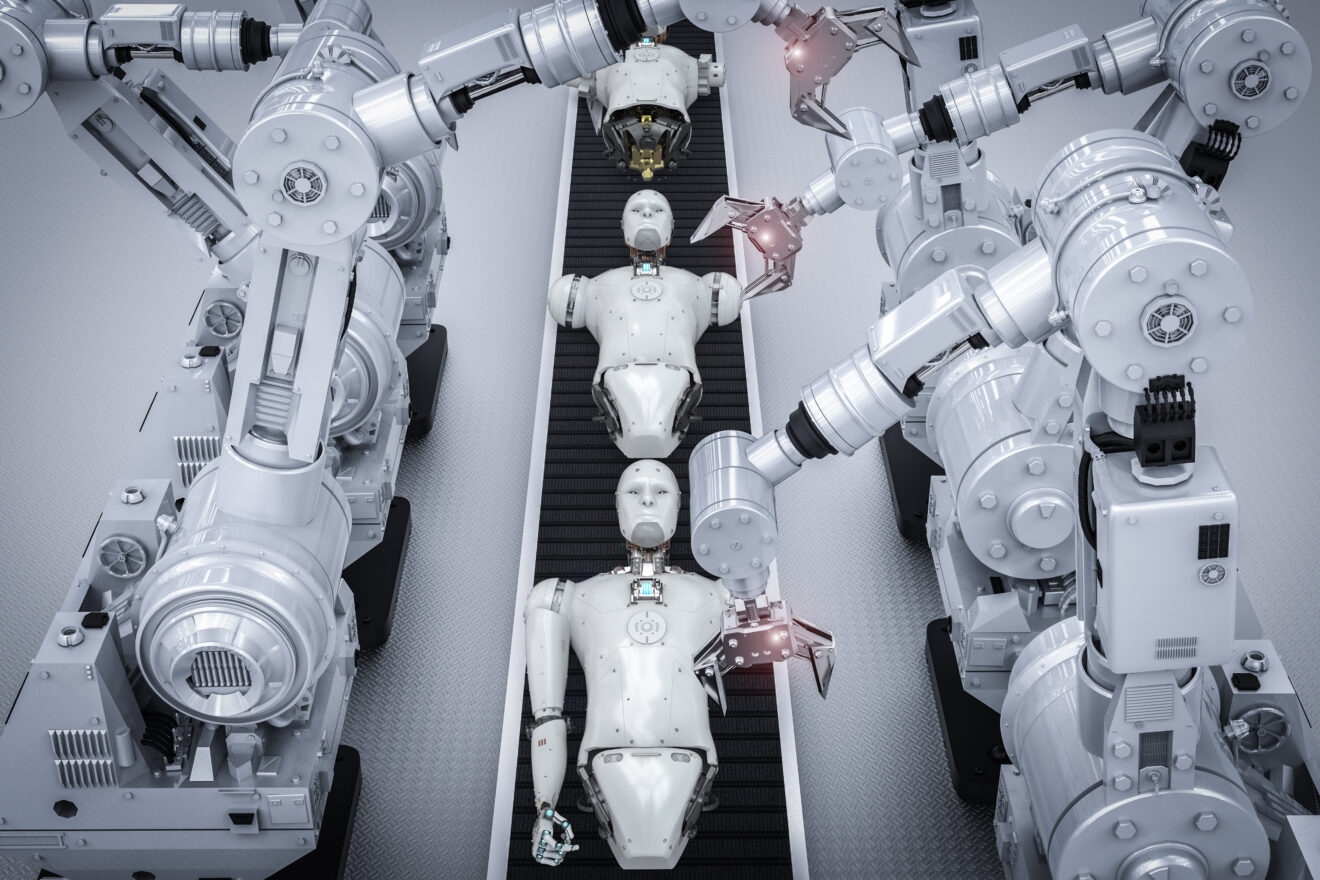

The world of robotics has long teased us with gleaming humanoid contraptions that walk, talk, and sometimes even dance like us. For decades, humanoid robots were the stuff of sci-fi novels and glossy tech demos—impressive to watch, but largely confined to labs and the occasional viral video. Today, however, the narrative is shifting. After years of rapid technological iteration, serious commercial investment, and strategic industrial partnerships, the humanoid robot market is finally showing signs of moving from prototype spectacle to real-world production and deployment. This article explores how we got here, what’s changing now, and what challenges lie ahead on the path to the mass production of humanoid machines.
From R&D Labs to the Real World: The Current Landscape
Humanoid robots have existed in research labs for at least two decades, evolving from basic bipedal mechanisms into more sophisticated machines capable of balance, perception, and limited autonomy. Yet for all that progress, the step from controlled lab prototypes to rugged commercial products has remained elusive.
That landscape is changing in 2025 and 2026. According to recent industry reports, the humanoid robot sector is experiencing dramatic momentum, as research prototypes begin to give way to scaled production lines and real commercial pilots in sectors like manufacturing, logistics, and even consumer workplaces. Investment is pouring in, production capacity is scaling, and costs are beginning to come down—key indicators that the industry is entering a new phase of maturity.
At the same time, analysts identify 2025 as a watershed year: manufacturers are moving beyond bespoke prototypes toward initial production runs, and commercial use cases are shifting from experimentation to operational deployment. China, in particular, has emerged as a powerhouse in humanoid robotics, accounting for a large share of patents and installations worldwide.
Market Forces Driving Commercialization
Several forces are converging to accelerate the humanoid robot market’s transition into production:
1. Venture Capital and Strategic Funding
A flood of capital has entered the space. US and global investors are placing big bets on humanoid robotics, seeing parallels with the AI boom of recent years. Recent funding rounds—notably one that secured $350 million for scaling production of Apptronik’s Apollo robot—highlight the financial confidence backing commercialization.
2. Scaling Production Capacity
Leading robotics firms are ramping up manufacturing in ways that would have seemed unlikely just a few years ago. Reports suggest major companies like Tesla, BYD, and Agility Robotics are projecting production figures in the tens of thousands of units annually by 2026—a significant shift from the limited, hand-built prototype era.
.png)
In China’s robotics ecosystem alone, hundreds of companies are competing with ambitious production targets, buoyed by government support and favorable industrial policy.
3. Falling Costs and Improved Technologies
Component costs—once astronomical for high-performance humanoids—are coming down thanks to economies of scale and improvements in sensors, actuators, and AI systems. Affordable sensors, actuators, and AI frameworks are making general-purpose humanoid robots more economically viable for industrial applications.
4. Commercial Pilot Deployments
More robots are leaving prototype labs and entering controlled industrial environments. Examples include aerospace manufacturing trials, logistics automation pilots, and early production line use cases where robots assist human workers. These deployments serve as crucial proof points that humanoids can perform useful tasks outside of controlled demonstrations.
Leading Players and Strategies
A new generation of players—both seasoned tech giants and agile startups—are shaping the future of humanoid robotics:
Tesla Optimus
Tesla’s Optimus robot represents one of the most talked-about humanoid projects. Elon Musk has stated publicly that Tesla aims to begin selling Optimus units to the public by the end of 2027, with early models already performing simple tasks in company factories. While scaled production will start slowly, this goal reflects Tesla’s long-term ambition to move humanoid robots into everyday use.
UBTech and Industrial Partnerships
China’s UBTech has signed deals with major industrial players such as Airbus to integrate humanoid robots into aviation manufacturing tasks. Early shipments and industrial orders highlight a strategic pivot toward real-world integration, even as these applications remain at an early stage.
Apptronik and Apollo
Apptronik’s Apollo humanoid robot is specifically designed for warehousing and logistics applications—a sector that has been among the first to adopt robotics at scale. Its funding and partnerships underscore strong commercial interest.
Emerging Startups
Beyond the headline names, dozens of startups are pushing in diverse directions—some focusing on specialized tasks, others reimagining humanoid design from cost or form factor perspectives. This rich ecosystem suggests that innovation will continue from both established and new entrants.
Industries Poised for Early Adoption
While true mass adoption may still be several years away, certain industries are becoming early beneficiaries of humanoid robots’ capabilities:
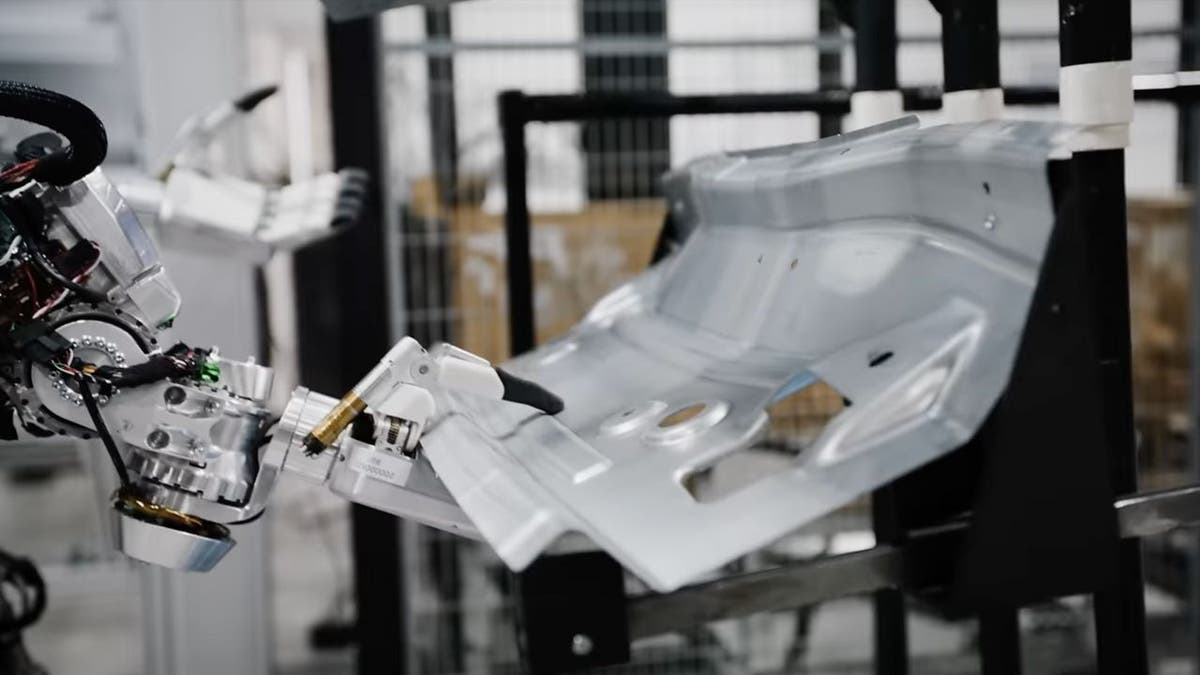
Manufacturing and Logistics
Humanoid robots excel in environments built for humans—factories, warehouses, and assembly lines. Their ability to navigate human-scaled spaces and perform repetitive tasks makes them ideal for augmenting labor in these contexts, especially where labor shortages are acute.
Healthcare and Elder Care
As populations age in many economies, there is growing interest in humanoid robots that can assist caregivers or support elderly individuals with daily tasks. While full deployment in care settings remains more distant, pilot projects and research initiatives are underway.
Consumer Services
Retail, hospitality, and customer support represent potential future markets. Robots with social interaction capabilities and intuitive interfaces could serve as guides, assistants, or customer service agents, although regulatory and human-interaction challenges remain significant.
Challenges Holding Back True Mass Production
Despite these encouraging signs, several substantial hurdles remain on the path to full commercialization:
Technical Complexity
Humanoid robots are extraordinarily complex systems. Balancing agility, perception, and autonomy in dynamic environments remains a daunting control systems challenge. Many robots still rely on structured environments and human supervision to function reliably.
Cost and ROI
The economics of humanoid production are improving, but the cost of advanced robots—especially those capable of general-purpose tasks—remains high. For many companies, the return on investment must be clear before committing to large deployments.
Regulation and Safety
Mass deployment of humanoid robots raises regulatory questions around safety, workplace standards, and liability. Ensuring that humanoids can operate safely alongside humans is not just a technical problem—it’s a legal and ethical one.
Ethical and Social Considerations
Humanoid robots also bring profound social implications, from job displacement fears to questions about human-machine interaction. Policymakers, industry leaders, and civil society must engage with these debates as the technology evolves.
So… Is the Market Finally Moving From Prototype to Production?
The short answer: yes—but with caveats.
There is no doubt that the humanoid robot market has reached an inflection point. Significant investment, scaled production plans, and commercial pilots suggest that the era of experimental prototypes is ending. In many respects, 2025 has become the year when humanoids began transitioning from isolated research curiosities to commercially viable machines poised for limited industrial deployment.
However, true mass production—characterized by widespread adoption and ubiquitous humanoid robots in workplaces and homes—is still on the horizon. Early production runs will likely focus on specific industrial applications where the economics make sense and environments are predictable. Broader consumer adoption will require further breakthroughs in AI, hardware reliability, affordability, and social acceptance.
In this context, it is fair to say the market is no longer solely about prototypes. We are witnessing the beginning of production and early commercialization. The next few years will be critical in testing whether this foundational shift can scale into the mainstream.