








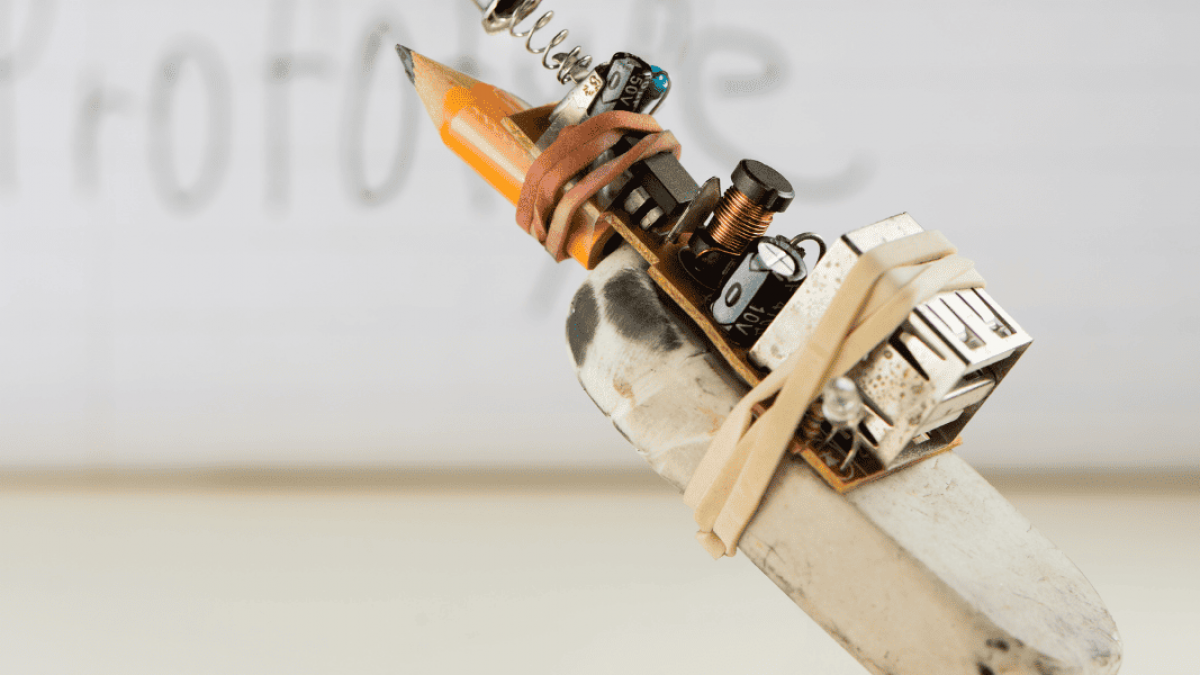

In the dynamic landscape of innovation and technology, moving an idea from a fuzzy concept to a fully operational component in the real world is nothing short of an epic journey. Across industries — from software engineering to hardware manufacturing, from AI models to telecom infrastructure — the phrase “from prototype to deployment” is both a lofty promise and a source of heated debate. But how realistic are these claims? Can we truly engineer a seamless transition from a prototype to a production-grade system? The short answer is: sometimes — but only with the right strategy, discipline, and humility.
This article peels back the layers of this transition, examining what it really takes to go from an early prototype to formal deployment — and the pitfalls that trip up even seasoned teams. We’ll explore key stages in this process and consider how technical, organizational, and market factors influence the outcome.
What Is a Prototype — Really?
At its core, a prototype is an experimental model of a product or system used to validate concepts before investing in full-scale production. In engineering disciplines, prototypes are used not just for design validation but also to test functionality, ergonomics, manufacturability, or user experience. These can take many forms:
- Proof-of-concept prototypes: Simplified versions that aim only to demonstrate technical feasibility.
- Functional prototypes: Models that include key features, often built with different materials or processes than the final product.
- Visual prototypes: Designs that show form and appearance without full technical functionality.
Prototypes play a crucial role in reducing uncertainty early in development. They reveal hidden risks — structural, mechanical, ergonomic, data quality, or integration challenges — that might not be visible in design documents or simulations alone. But being able to build a prototype doesn’t automatically mean you can deliver a deployed product.
The Mirage of “Just Add Deployment”
One common misconception in tech startups and development teams is believing a prototype is almost done — that turning the prototype into a deployed product is “just deployment.” In reality, this leap involves more than packaging and scaling what already exists.
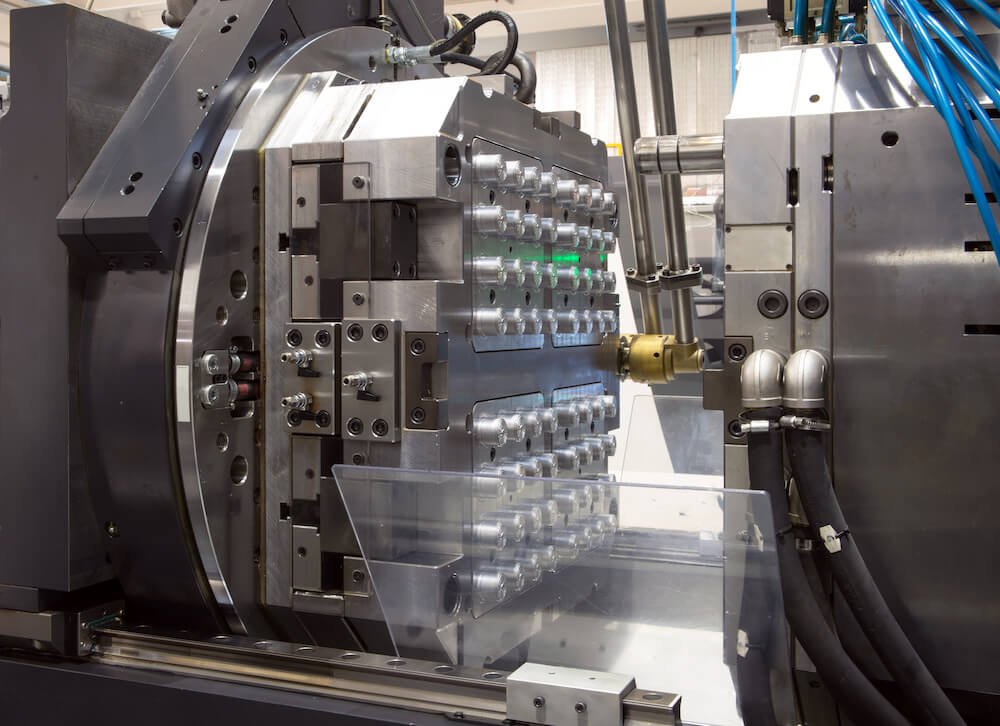
For hardware products, prototypes may be built using specialized or expensive materials and ad-hoc manufacturing processes to accelerate testing. But mass production requires repeatability, reliability, and cost control. Tools like injection molds or precision machining used in manufacturing demand a mature design — often more refined than what the prototype demonstrates.
Likewise, in software or AI workflows, early code or models that work in controlled environments may crumble under the pressures of scale, performance, and operational stability. Systems that are tolerant to occasional errors in a prototype may be unacceptable in real-world deployment.
Industry experts in product transitions emphasize that prototyping is a risk-reduction step, not an all-encompassing solution to downstream challenges.
Why the Transition Is Hard — Six Core Challenges
1. Manufacturability and Scaling
For physical products, fabrication processes differ significantly between one-off prototypes and thousands of units. Issues include material properties at scale, cycle times, tooling wear, and quality control. A design that works in a prototype may require redesign if it can’t be manufactured reliably or economically.
This was seen in many startups that built promising prototypes but failed to scale due to fundamental manufacturing issues — for instance, designs that couldn’t be tool-ready without major engineering changes.
2. Technical Stability in Real Environments
Software and model deployments face their own challenges. Code that runs well in a lab may fail under real-world loads or unexpected data patterns. Models can suffer from data drift, where real-world inputs differ significantly from training data, undermining performance after deployment. Monitoring, retraining, and responsive pipelines become necessities.
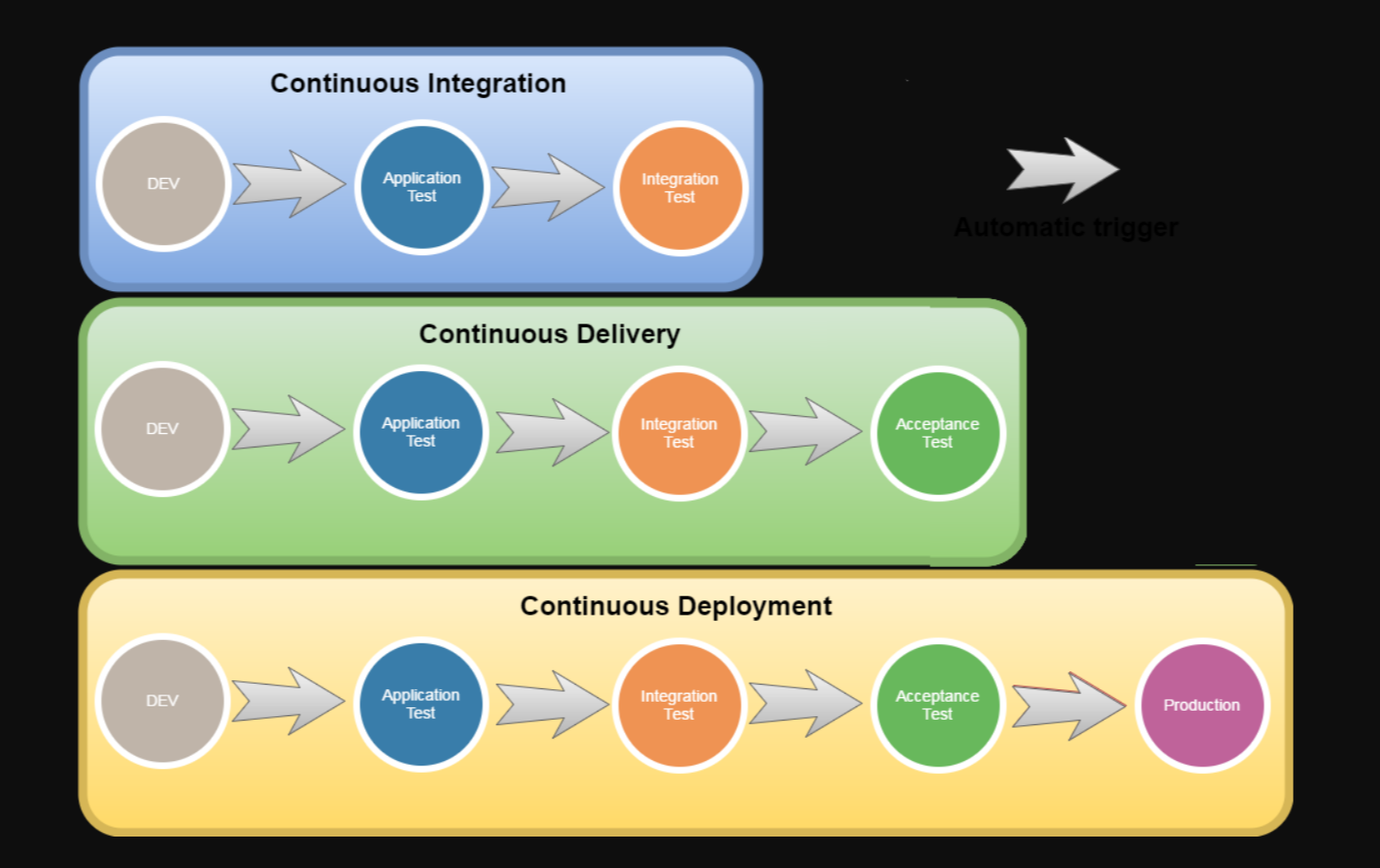
This is why modern software practices — including Continuous Integration and Continuous Deployment (CI/CD) — focus on automation, version control, reproducibility, and rapid feedback loops.
3. User and Market Validation
Testing with stakeholders early — whether during prototyping or in pilot releases — reveals usability or functional gaps that original designers may have missed. If user feedback isn’t gathered and integrated into design improvements, products can face rejection even if technically solid.
4. Organizational and Cross-Functional Alignment
Too often, engineering teams work in isolation from operations, commercial leaders, or support functions. This disconnect can lead to products that are technically deployable but lack market fit, supply chain readiness, or support infrastructure. Aligning multidisciplinary teams early increases chances of a smooth transition.
5. Security, Compliance, and Regulation
Real deployment carries responsibilities that don’t exist in experimentation. Legal and regulatory compliance must be established, especially in domains like medical devices, telecommunications, finance, and AI systems handling personal data. Systems must be designed with security and privacy protections baked in, not bolted on after the fact.
6. Operational Practices and Cultural Shift
Methodologies such as DevOps and iterative delivery have revolutionized software deployment by encouraging incremental changes and continuous feedback. These approaches acknowledge that “big bang launches” are risky and that deployment should be treated as an ongoing process, not a final event.
Best Practices for Making Claims Real
Let’s shift from problems to solutions. While the chasm between ideas and deployments is wide, there are evidence-based strategies that make the transition more realistic.
Engage Stakeholders Early and Often
This includes end users, engineers, operations, suppliers, and customers. Getting early feedback on prototypes informs design decisions before costly commitments to tooling or architecture.
Test in Context
Prototypes should be validated not just for concept but in environments representative of where the final system will operate — whether that’s extreme temperatures, noisy data, or peak usage loads.
Build for Manufacturability
Select materials, processes, and design features that can realistically be scaled and controlled. Partnerships with suppliers and contract manufacturers early in the process prevent late surprises.
Infrastructure for Software and Models
In software and AI, invest in automated testing, containerization, observability, and rollback mechanisms. These mitigate risk and provide agility once deployed.
Cultivate a Learning Culture
Accept that feedback loops are learning loops. Encourage iterations that respond to real data and user experience rather than rigid feature creep.
Measuring Success Beyond Hype
If we strip away the buzzwords, what does a realistic claim about going from prototype to deployment look like? It’s not something like “we will effortlessly transition to market,” but rather:
- “We will systematically reduce risk through validation, testing, and stakeholder engagement.”
- “We will prepare deployment infrastructure with monitoring and feedback.”
- “We will align cross-functional teams early so that production requirements inform design.”
When goals are framed as iterative progress rather than binary deliverables, the path becomes more navigable.
Final Thoughts: Pragmatism Trumps Hype
In every era of technology — from chip design to cloud AI deployments — those who succeed are not the ones with the boldest claims, but those with the most grounded processes. Early prototypes are invaluable. They catalyze ideas and uncover hidden assumptions. Yet promising early results are not guarantees of success in the real world.
The transition from prototype to deployment is a synthesis of engineering rigor, operational discipline, user empathy, and organizational alignment. With that synthesis, claims of deployment readiness move from unrealistic marketing rhetoric to believable milestones.