









Introduction: The Dream of the Home Robot
For decades, the idea of a household robot has captured the imagination of engineers, writers, and futurists. From early science fiction stories to modern films, the vision of a machine that can help with daily chores, care for family members, and assist with everyday life has long symbolized the promise of advanced technology.
Yet despite rapid progress in robotics and artificial intelligence, the reality of home robots has remained surprisingly limited.
While robotic vacuum cleaners and smart home devices have become common in households around the world, truly versatile domestic robots—machines capable of performing a wide range of tasks in complex home environments—have remained elusive.
Today, that may be beginning to change.
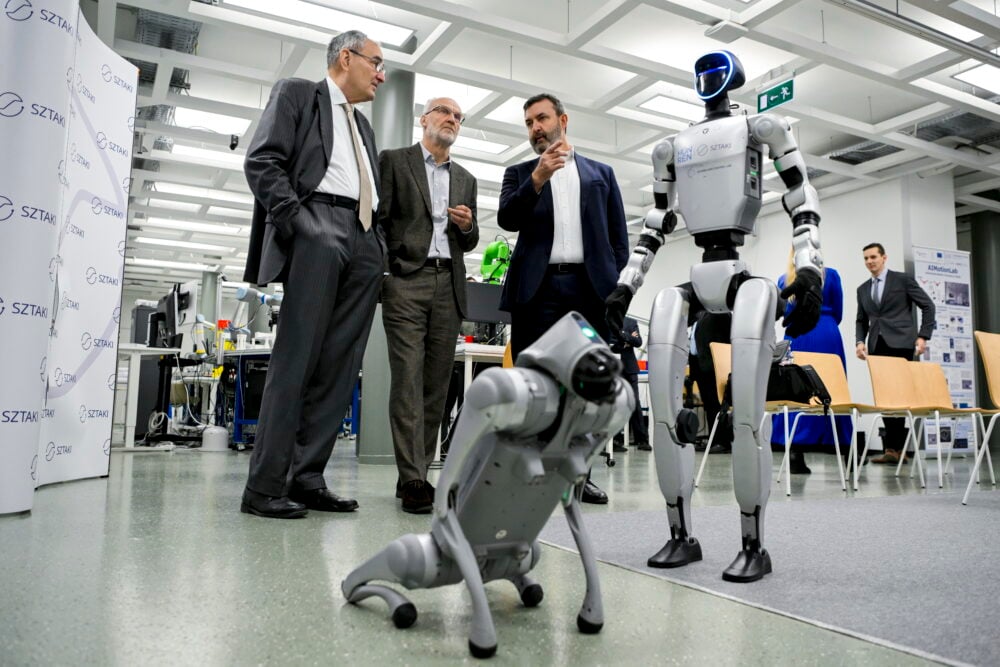
A new generation of humanoid robots is emerging, designed not just for factories or warehouses but also for human living spaces. These robots aim to combine mobility, dexterity, and artificial intelligence to assist with household tasks and provide support for people in their daily lives.
Companies such as Tesla, Figure AI, and 1X Technologies are exploring the possibility that humanoid robots could eventually become a common presence in homes.
If these efforts succeed, the next major technological transformation may not occur in factories or offices—but in the places where people live.
Why Homes Are One of the Hardest Environments for Robots
At first glance, domestic environments might seem like an ideal place for robots. After all, homes are relatively small and predictable spaces compared to industrial facilities or urban environments.
In reality, however, homes are among the most challenging environments for robotics.
Unstructured and Dynamic Spaces
Unlike factories, homes are not standardized.
Every home is different. Furniture arrangements vary widely. Objects are frequently moved or left in unexpected places. Lighting conditions change throughout the day. Pets and children introduce additional unpredictability.
A robot operating in this environment must constantly interpret and adapt to its surroundings.
For example, a simple task such as cleaning a table may require the robot to:
- identify objects on the surface
- determine which items should be moved
- grasp them safely
- place them somewhere appropriate
Each of these steps requires sophisticated perception and decision-making.
The Complexity of Everyday Tasks
Human beings perform everyday household tasks almost effortlessly because of our deep understanding of the physical world.
For robots, these tasks are far more complicated.
Consider activities such as:
- folding laundry
- washing dishes
- preparing food
- organizing shelves
Each of these involves complex hand movements, object recognition, and contextual judgment.
Creating machines capable of performing these actions reliably remains one of the greatest challenges in robotics.
Why Humanoid Design Matters
One of the key reasons many companies are developing humanoid robots for domestic use is that homes are designed for the human body.
Doors, cabinets, switches, appliances, and tools all assume the presence of a human user.
A robot with human-like proportions and limbs can potentially interact with this infrastructure more easily than machines with specialized designs.
Humanoid robots can:
- open doors
- reach shelves
- operate appliances
- climb stairs
- use tools designed for humans
This compatibility may allow humanoid robots to function in homes without requiring major modifications to the environment.
Household Tasks Robots Could Assist With
While fully autonomous household robots are still years away, many researchers believe that humanoid robots could gradually take on specific domestic tasks.
Cleaning and Organization
Cleaning remains one of the most obvious applications.
Humanoid robots could help with:
- picking up objects
- wiping surfaces
- organizing clutter
- taking out trash
Unlike specialized cleaning robots, humanoid machines could perform multiple types of cleaning tasks.
Grocery Handling and Cooking Assistance
Another potential application is food preparation assistance.
A humanoid robot might help with:
- retrieving ingredients from refrigerators
- washing vegetables
- setting tables
- cleaning kitchen surfaces
While robots capable of cooking entire meals are still experimental, incremental assistance could become practical much sooner.
Laundry and Household Maintenance
Laundry is another time-consuming household task.
Humanoid robots may eventually assist with:
- loading washing machines
- transferring clothes to dryers
- folding garments
- organizing closets
These activities require dexterous manipulation, making them a major focus of robotics research.
The Growing Importance of Elder Care
Perhaps the most significant potential application for domestic humanoid robots lies in elder care.
Many countries are facing rapidly aging populations.
Nations across Europe, East Asia, and North America are experiencing demographic shifts in which the proportion of elderly citizens continues to increase while the working-age population declines.
This trend creates enormous pressure on healthcare systems and caregiving resources.
The Caregiver Shortage
Professional caregivers already face heavy workloads.
As populations age, the demand for caregiving services is expected to rise dramatically.
Humanoid robots could help address this gap by providing assistance with everyday tasks.
Robots might help elderly individuals with activities such as:
- retrieving objects
- reminding them to take medication
- assisting with mobility
- monitoring health indicators
Importantly, robots would not replace human caregivers but rather supplement their efforts.
Supporting Independent Living
One of the primary goals of elder care technology is to allow people to live independently for as long as possible.
Humanoid robots could help seniors maintain autonomy by assisting with tasks that become more difficult with age.
For example, a robot might:
- bring items from another room
- help carry groceries
- detect falls and alert family members
Such capabilities could significantly improve quality of life for many older adults.
Artificial Intelligence in Domestic Robotics
Domestic robots require extremely advanced AI systems.
These systems must allow robots to interpret complex environments and respond appropriately.
Key technologies include:
Computer Vision
Computer vision enables robots to identify objects, people, and obstacles.
A domestic robot must recognize a wide variety of everyday items such as:
- dishes
- clothing
- books
- kitchen utensils
Accurate object recognition is essential for safe and effective operation.
Natural Language Interaction
For robots to function effectively in homes, they must communicate naturally with humans.
Advances in conversational AI now allow robots to understand spoken commands and respond appropriately.
This capability enables users to instruct robots using simple language.
Learning from Demonstration
Another promising technology is “learning from demonstration.”
In this approach, robots observe human actions and learn how to perform similar tasks.
Instead of programming every movement manually, developers can teach robots through examples.
Current Experiments and Early Prototypes
Several companies are actively exploring domestic humanoid robotics.
Tesla’s Long-Term Vision
Tesla has suggested that its humanoid robot, Optimus, could eventually assist with household tasks.
Although the robot is currently focused on industrial environments, long-term plans include potential consumer applications.
1X Technologies and Home Robots
1X Technologies has been developing humanoid robots designed to interact safely with people in everyday environments.
These machines are intended to assist with tasks in homes and workplaces.
While still experimental, such systems illustrate the direction in which robotics research is moving.
Ethical and Social Questions
The introduction of humanoid robots into homes raises important social and ethical questions.
Privacy Concerns
Domestic robots equipped with cameras and sensors could collect large amounts of personal data.
Protecting user privacy will be essential for public acceptance.
Emotional Attachment
Humans naturally form emotional connections with machines that resemble living beings.
This raises questions about how people may relate to domestic robots, particularly in caregiving situations.
Economic Accessibility
Another key issue is affordability.
Early domestic robots will likely be expensive, limiting access to wealthy households.
Ensuring broader access will be an important challenge for the industry.
Challenges Before Widespread Adoption
Despite promising developments, several barriers remain before humanoid robots become common household devices.
Cost and Manufacturing
Humanoid robots are extremely complex machines with many moving parts.
Producing them at consumer-scale prices will require major advances in manufacturing.
Reliability
Home robots must operate safely and reliably in unpredictable environments.
Failures could cause inconvenience or even danger.
User Trust
For people to accept robots in their homes, they must trust that the machines are safe, secure, and beneficial.
Building that trust will take time.
The Long-Term Future of Home Robotics
Although domestic humanoid robots are still in early stages, many experts believe they could eventually become as common as smartphones or personal computers.
In the long term, households may include robotic assistants capable of performing many everyday tasks.
These machines could:
- reduce household workload
- support aging populations
- improve accessibility for people with disabilities
If these technologies mature successfully, the home may become one of the most important environments for the next generation of robotics.
Conclusion
For decades, the dream of a household robot has remained largely within the realm of science fiction.
Today, advances in artificial intelligence, robotics hardware, and sensor technology are bringing that dream closer to reality.
Humanoid robots offer a promising approach because they are designed to interact naturally with environments built for people.
Although many technical challenges remain, the progress of recent years suggests that domestic robotics may soon enter a new era.
In the future, the concept of a “home assistant” may no longer refer only to software or smart speakers.
Instead, it could describe a physical presence—a humanoid robot capable of helping with everyday life.
If that vision becomes reality, the next technological revolution may unfold not in factories or laboratories, but quietly inside the homes of millions of people.
Discussion about this post