








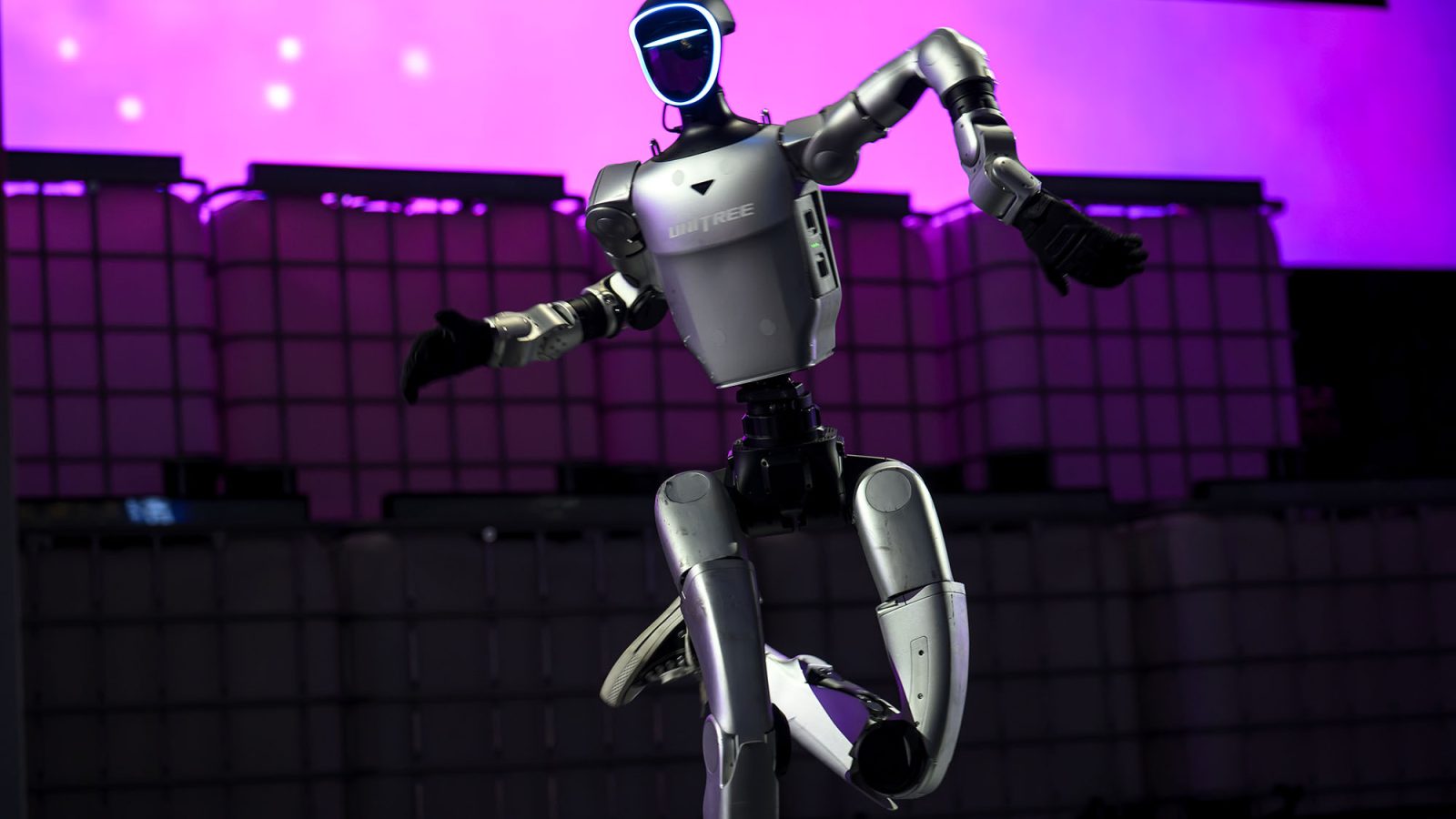

Overview: A Robot Built for the Real Economy
When Tesla first introduced its humanoid robot project in 2021, many observers were skeptical. The company had already disrupted the automotive and energy industries, but building a humanoid robot seemed like an entirely different challenge.
Yet only a few years later, the robot known as Optimus has become one of the most closely watched projects in the robotics industry.
Unlike many humanoid robots developed primarily for research demonstrations, Optimus is designed with a specific goal: to become a practical worker in real industrial environments.
Tesla’s vision is ambitious. The company believes that humanoid robots could eventually become more significant than its electric vehicle business.
But how close is Optimus to achieving this goal?
This review examines the robot’s design, hardware architecture, artificial intelligence capabilities, and real-world potential to understand whether Optimus represents a genuine breakthrough or simply another robotics prototype.
Design Philosophy
Why Tesla Chose a Humanoid Form
Most industrial robots are not humanoid. Robotic arms, automated guided vehicles, and conveyor systems dominate modern factories because they are efficient for specific tasks.
However, Tesla’s robotics team made a different choice.
Instead of designing specialized machines for each job, the company is attempting to build a general-purpose robot capable of working in environments built for humans.
Factories, warehouses, and service environments are filled with infrastructure designed around the human body:
- staircases
- tools
- ladders
- door handles
- workstations
A humanoid robot can theoretically interact with these systems without requiring major redesign.
This idea underpins the design of Optimus.
Hardware Architecture
Size and Physical Capabilities
Optimus is designed to roughly match human proportions.
Approximate specifications include:
Height: about 173 cm
Weight: about 70 kg
Payload capacity: roughly 20 kg
These numbers are not accidental.
Matching human scale allows the robot to operate in workplaces built for human employees.
Actuators and Movement
The robot’s joints are powered by electric actuators designed in-house by Tesla.
These actuators enable movements including:
- walking
- lifting
- bending
- grasping
Tesla has focused heavily on improving actuator efficiency, which is critical for maintaining battery life while delivering sufficient strength.
Hands: The Most Important Component
One of the most technically challenging parts of any humanoid robot is the hand.
Human hands contain extraordinary dexterity, with over twenty degrees of freedom.
Optimus attempts to replicate this capability using multi-jointed fingers that allow the robot to grasp a wide variety of objects.
This includes:
- tools
- boxes
- small components
Dexterous manipulation is essential if humanoid robots are to perform real industrial tasks.
Artificial Intelligence
Tesla’s approach to robot intelligence draws heavily from its work in autonomous vehicles.
Vision-Based Perception
The robot relies primarily on cameras rather than lidar sensors.
Using computer vision, Optimus can identify objects and navigate environments.
This approach is similar to the perception system used in Tesla vehicles.
Neural Network Control
Tesla trains neural networks to interpret sensor data and generate movement commands.
These systems allow the robot to learn tasks rather than being explicitly programmed for every motion.
Over time, Tesla plans to improve robot capabilities through machine learning.
Real-World Capabilities
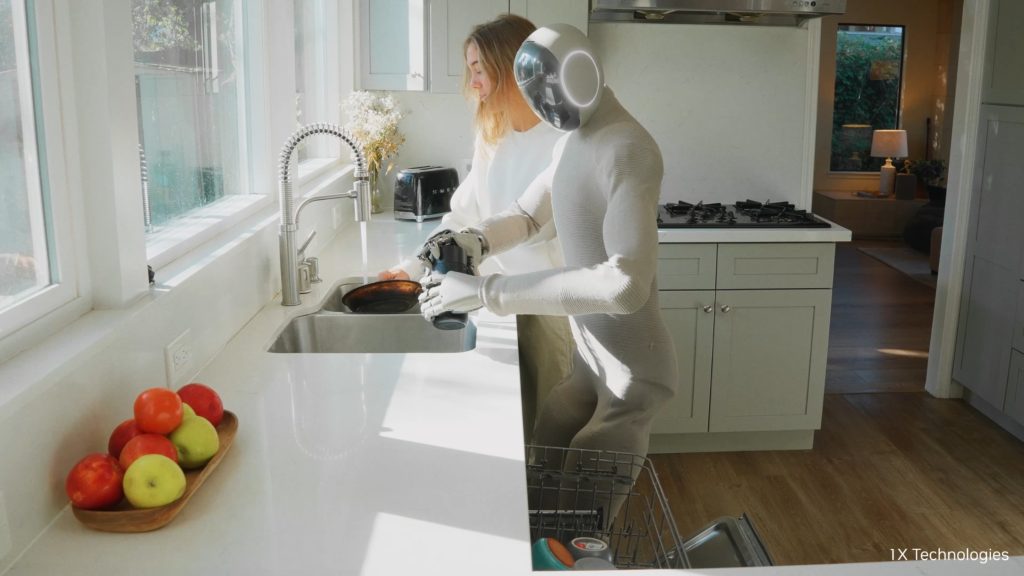
Tesla has demonstrated several example tasks for Optimus.
These include:
- carrying boxes
- sorting objects
- performing repetitive factory tasks
While these demonstrations are still limited, they illustrate the types of work Tesla believes the robot will eventually perform.
Advantages
Integration with Tesla’s AI Ecosystem
Tesla’s robotics program benefits from the company’s existing AI infrastructure, including data collection and neural network training systems.
Manufacturing Experience
Tesla also has experience producing complex hardware at scale.
This may give the company an advantage in eventually manufacturing robots in large numbers.
Limitations
Despite impressive progress, Optimus remains in early development.
Key challenges include:
- improving walking stability
- increasing manipulation precision
- extending battery life
These problems are common across the entire humanoid robotics industry.
Market Potential
If Tesla succeeds in mass-producing humanoid robots, the economic impact could be enormous.
Possible markets include:
- manufacturing
- logistics
- service industries
- domestic assistance
Some analysts believe humanoid robots could eventually become one of the largest technology markets in history.
Final Verdict
Optimus is not yet a finished product, but it represents one of the most ambitious robotics projects currently underway.
Tesla’s unique combination of artificial intelligence expertise, hardware engineering, and manufacturing capability gives the project a strong foundation.
However, major technical hurdles remain before humanoid robots become practical workers.
If Tesla can overcome these challenges, Optimus could play a central role in the future of automation.
If not, it will still represent an important step forward in the long quest to build useful humanoid machines.
Discussion about this post