









A Question That Has Followed Every Technological Revolution
Throughout modern history, major technological breakthroughs have always raised the same question: will machines replace human workers?
From the Industrial Revolution’s steam engines to the assembly lines of the 20th century, automation has repeatedly transformed the labor market. Some jobs disappeared, but new industries and professions eventually emerged.
Today, a similar debate is unfolding around humanoid robots.
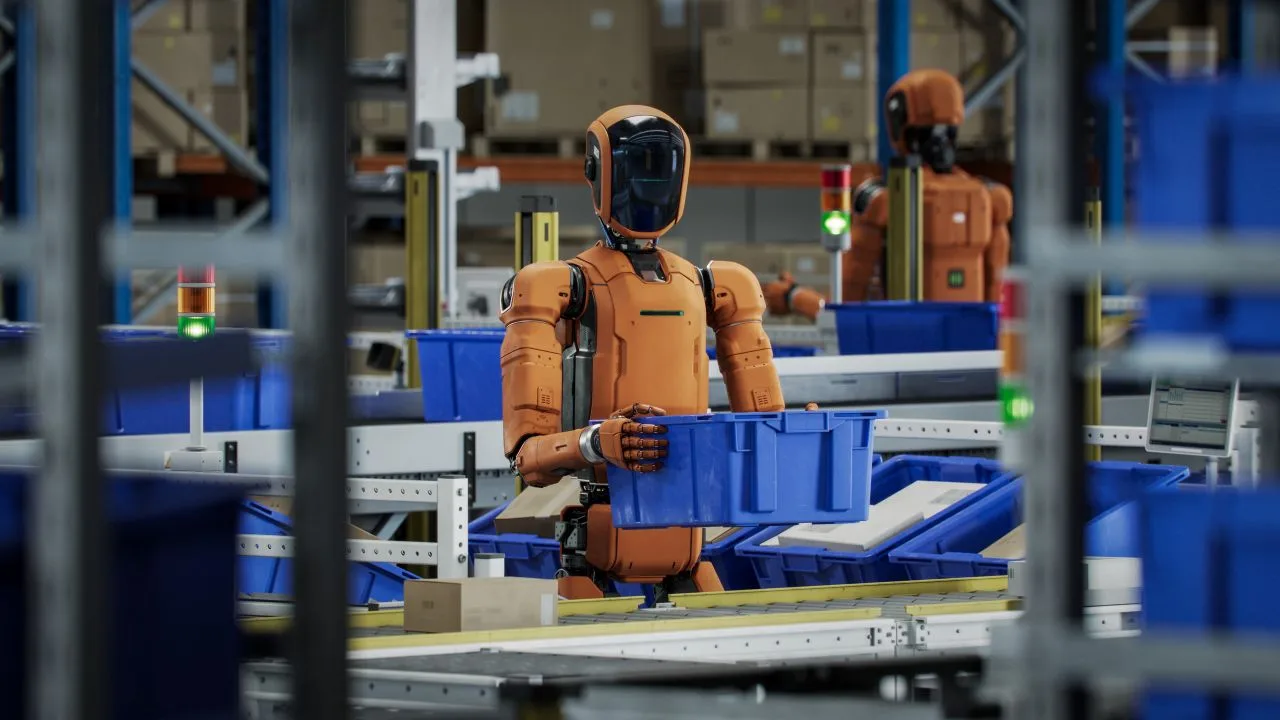
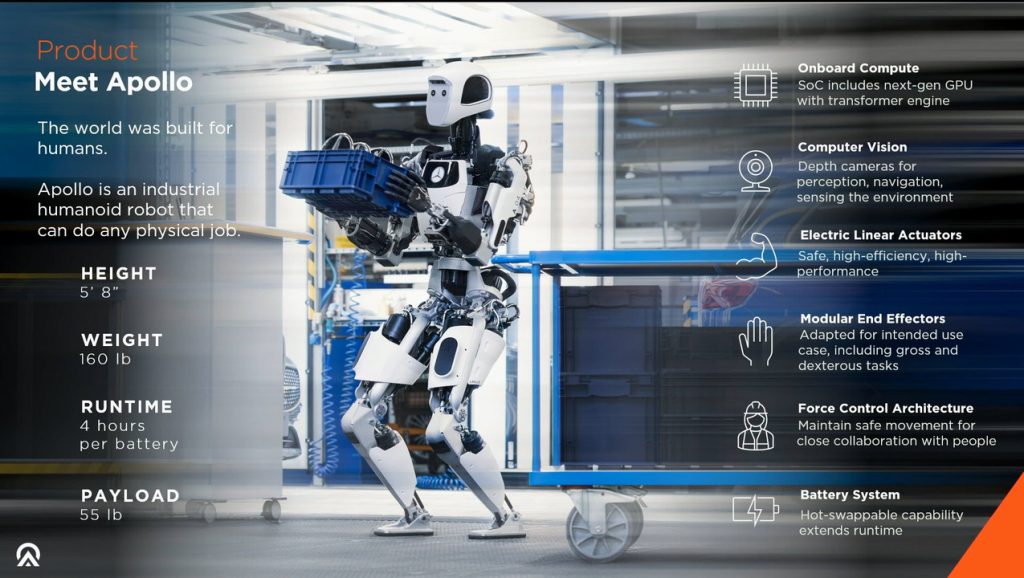
Advances in robotics and artificial intelligence are bringing machines closer than ever to performing physical tasks traditionally done by humans. Unlike earlier industrial robots—machines that were fixed in factories and specialized for narrow tasks—humanoid robots are designed to work in human environments and perform a wide range of activities.
This capability has sparked both excitement and anxiety.
Supporters argue that humanoid robots could solve labor shortages, increase productivity, and free humans from dangerous or repetitive work. Critics warn that widespread automation could displace millions of workers, particularly in industries that rely heavily on manual labor.
The debate is no longer theoretical. As companies accelerate their development of humanoid robots, the future of work is becoming one of the most pressing economic questions of the 21st century.
The Industries Most Likely to Change
Economists studying automation often begin by examining which industries rely most heavily on routine physical tasks.
Warehousing and logistics are frequently cited as among the most vulnerable sectors.
Large e-commerce companies such as Amazon operate enormous fulfillment centers where workers sort products, move packages, and prepare shipments. Many of these tasks involve repetitive movements that robots could potentially perform.
Manufacturing is another area where humanoid robots may have significant impact.
Industrial automation has already transformed automobile production, but many factory jobs still require human dexterity and mobility. Robots capable of navigating complex environments and handling tools designed for humans could dramatically expand automation.
Construction, agriculture, and retail may also see changes.
In construction, robots could assist with lifting heavy materials or performing dangerous tasks at heights. In agriculture, robots might help harvest crops or manage livestock. Retail stores could deploy humanoid robots to stock shelves or assist customers.
However, experts emphasize that adoption will likely occur gradually rather than overnight.
Technological capability is only one factor. Economic incentives, regulatory frameworks, and social acceptance will also shape how quickly robots enter the workforce.
The Argument for Automation
Proponents of humanoid robotics often frame the technology as a solution to several global challenges.
One of the most significant is demographic change.
Many developed countries are experiencing aging populations and declining birth rates. As large segments of the workforce retire, labor shortages are becoming increasingly common.
Japan provides one of the most prominent examples.
The country has long invested heavily in robotics research, partly because its aging population has created a shortage of workers in sectors such as healthcare and manufacturing.
Robots could help fill these gaps.
Advocates also argue that automation can improve workplace safety.
Many jobs involve dangerous conditions, including heavy lifting, toxic materials, or extreme temperatures. Robots could take over these tasks, reducing the risk of injury for human workers.
In addition, automation could significantly increase productivity.
Higher productivity often leads to economic growth, which historically has created new employment opportunities in emerging industries.
From this perspective, humanoid robots may represent the next step in a long history of technological progress.
The Fear of Job Displacement
Despite these potential benefits, concerns about job displacement remain widespread.
Many workers worry that humanoid robots could eventually perform a broad range of manual tasks, leaving fewer employment opportunities for humans.
This fear is particularly strong in sectors such as logistics, manufacturing, and transportation, where millions of workers rely on physically oriented jobs.
Labor unions and policy advocates have raised questions about how societies should respond if automation accelerates rapidly.
Some economists argue that the scale of potential disruption could be larger than previous waves of automation.
Earlier technological changes often replaced specific tasks rather than entire occupations. Humanoid robots, however, may be capable of performing many different tasks within a single job.
If robots can handle both mobility and manipulation—walking, lifting, carrying, and operating tools—they could theoretically replace entire categories of work.
This possibility has intensified discussions about how governments should prepare for large-scale labor transitions.
Economic Perspectives
Economists remain divided on the long-term effects of robotics.
Some researchers believe that automation will ultimately create more jobs than it eliminates.
They point to historical examples such as the mechanization of agriculture. In the early 20th century, a large portion of the population worked in farming. Today, agricultural employment represents only a small percentage of the workforce in most developed countries.
Yet the overall economy expanded dramatically, creating new industries such as information technology, healthcare, and entertainment.
Supporters of this view argue that robotics could generate entirely new sectors, including robot maintenance, AI training, and human-robot interaction design.
Others, however, warn that the pace of technological change may be accelerating.
If robots become capable of performing both physical and cognitive tasks, the transition could affect a wider range of occupations than previous automation waves.
This scenario raises questions about how quickly workers can retrain and adapt.
The Policy Debate
Governments around the world are beginning to consider how robotics may affect employment and economic stability.
Some policymakers have proposed new approaches to workforce development.
Education systems may need to focus more heavily on skills that complement automation, such as creativity, critical thinking, and technical expertise.
Vocational training programs could also play an important role in helping workers transition into emerging industries.
Other proposals involve broader economic policies.
Some economists have suggested implementing universal basic income programs to support workers affected by automation. Others advocate for policies that encourage companies to invest in worker retraining.
Tax policies may also become part of the discussion.
For example, some policymakers have proposed the idea of a “robot tax,” which would require companies to contribute to social programs if automation replaces human workers.
However, critics argue that such measures could slow innovation.
Human-Robot Collaboration
One possible outcome of the robotics revolution is not replacement but collaboration.
Instead of eliminating human jobs entirely, robots may work alongside people to increase efficiency.
In manufacturing, for example, robots could handle heavy lifting while human workers focus on precision tasks and quality control.
In healthcare, robots might assist nurses by transporting equipment or delivering supplies, allowing medical staff to spend more time with patients.
These collaborative systems—often called “cobots”—represent a middle ground between full automation and traditional labor.
Supporters argue that this approach could maximize productivity while preserving human employment.
Social and Cultural Factors
The adoption of humanoid robots will also depend on social attitudes.
Public perception plays a significant role in how quickly new technologies are accepted.
In some cultures, robots are widely embraced as helpful tools. In others, concerns about privacy, safety, and job security may slow adoption.
Science fiction has also influenced public expectations.
Popular films and television shows often portray humanoid robots as either helpful assistants or existential threats.
These narratives shape how people think about real-world robotics technologies.
Building trust between humans and machines will therefore be an important part of the robotics transition.
A Future That Is Still Uncertain
Although the development of humanoid robots is accelerating, their long-term impact remains uncertain.
Technological progress rarely follows a predictable path.
Some innovations spread rapidly, while others take decades to reach widespread adoption.
What is clear, however, is that robotics and artificial intelligence are converging in ways that could profoundly reshape the global economy.
Whether humanoid robots ultimately replace human workers or become collaborative partners will depend on a complex combination of technological, economic, and social factors.
For now, the debate continues.
But as robots move from laboratories into factories, warehouses, and public spaces, the question of how humans and machines will coexist in the workplace is becoming increasingly urgent.
Discussion about this post