









1. The Second Presence in the Room
It’s 8:12 PM.
You’re home.
Lights are warm.
Dinner is almost ready.
Music plays softly in the background.
And across the room, something moves.
Not a person.
Not quite a machine either.
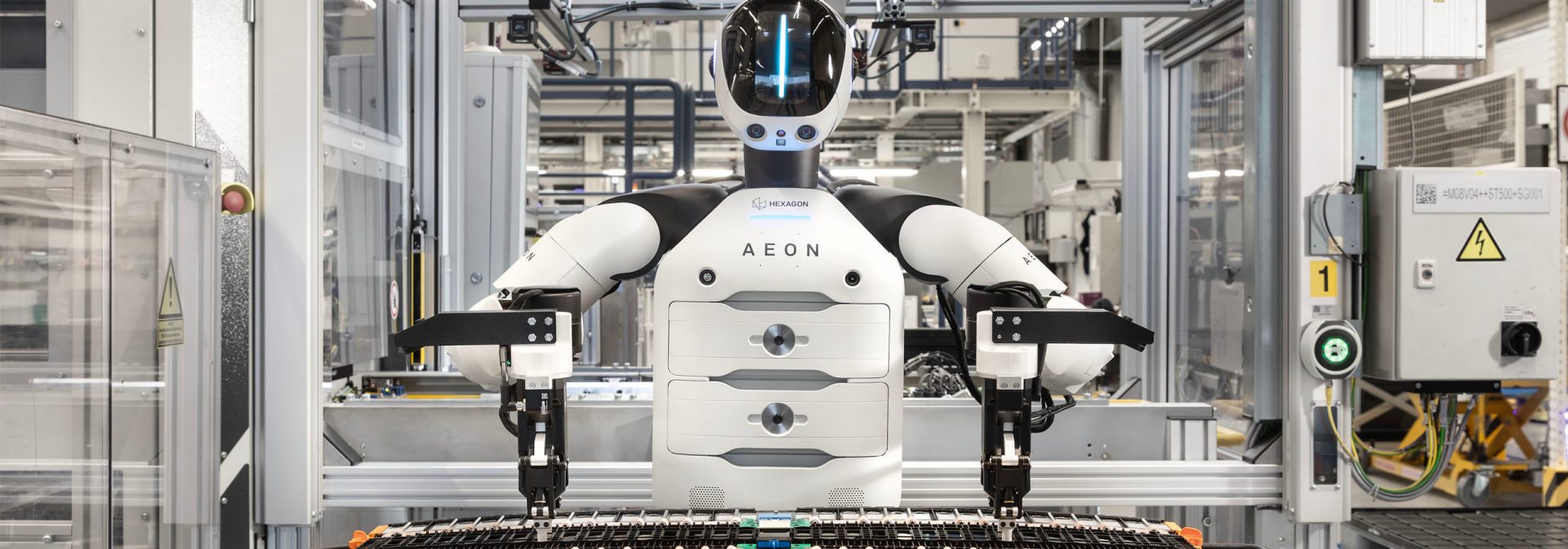
A humanoid robot places a plate on the table, adjusts a chair, and turns slightly—as if waiting.
Systems inspired by platforms like Tesla Optimus are no longer confined to factories and labs. The next frontier is far more intimate:
The home.
2. Why the Home Is the Hardest Space
On paper, the idea is simple.
A robot that can:
- Clean
- Cook
- Organize
- Assist
But homes are not like warehouses.
They are:
- Unstructured
- Personal
- Emotionally loaded
Every home is different.
Every routine is unique.
And every object—no matter how small—can carry meaning.
This makes the home one of the most complex environments for humanoid robots.
3. From Smart Devices to Embodied Intelligence
We already live with “smart” technology:
- Voice assistants
- Robot vacuums
- Smart appliances
But these are fragmented.
Each does one thing.
Humanoid robots represent a shift toward integration.
Instead of multiple devices, one system can:
- Move through space
- Interact physically
- Handle multiple tasks
A robot inspired by designs like Figure 01 is not just a tool.
It is a presence.
4. The Promise: Time, Convenience, Freedom
The appeal is obvious.
Imagine a system that:
- Prepares meals
- Cleans continuously
- Manages daily routines
- Assists with errands
Time is reclaimed.
Mental load is reduced.
Daily life becomes smoother.
For many, especially in fast-paced urban environments, this is not luxury—
it is relief.
5. The Rise of Solo Living
Across many cities, solo living is increasing.
More people live:
- Alone
- Far from family
- With limited social interaction
In this context, humanoid robots offer something beyond utility.
They offer company.
Not real companionship.
But something adjacent.
A system that:
- Responds
- Moves
- Exists in shared space
And sometimes, that is enough to change how a space feels.
6. The Subtle Shift From Tool to Companion
At first, the relationship is functional.
“Clean this.”
“Cook that.”
“Turn off the lights.”
But over time, something changes.
People begin to:
- Speak more naturally
- Use polite language
- Attribute personality
Not because the robot has one.
But because humans are wired to respond to presence.
Even minimal interaction can create a sense of connection.
7. Emotional Attachment Without Reciprocity
This is where things become complicated.
Humanoid robots can simulate:
- Attention
- Responsiveness
- Interaction
But they cannot:
- Feel
- Care
- Understand
And yet, users may still develop attachment.
This creates an asymmetrical relationship:
The human feels.
The machine responds.
But does not feel back.
Is that a problem?
Or is it simply a new kind of relationship?
8. Privacy Inside the Most Private Space
Homes are the most private environments we have.
Introducing humanoid robots means introducing systems that:
- Observe
- Record
- Learn
To function effectively, they must understand:
- Layouts
- Habits
- Preferences
This creates a trade-off:
Convenience vs privacy.
Who owns the data?
How is it used?
And how much are people willing to give up for ease?
9. Redefining Domestic Work
Domestic work has always been undervalued.
Cleaning, cooking, organizing—
tasks essential to life, but often invisible.
Humanoid robots bring these tasks into focus.
By automating them, they:
- Highlight their complexity
- Quantify their value
- Shift their perception
What was once “routine” becomes something worth engineering.
10. Family Dynamics and Robots
In multi-person households, robots introduce new dynamics.
Who controls the robot?
Who decides its tasks?
How does it interact with:
- Children
- Elderly family members
- Guests
Children, in particular, may:
- Form attachments quickly
- Treat robots as social entities
- Learn behaviors from interaction
This raises questions about:
- Social development
- Boundaries between human and machine
- Long-term psychological effects
11. The Risk of Over-Optimization
A fully automated home is highly efficient.
Everything is:
- Organized
- Timed
- Managed
But life is not always meant to be optimized.
Mess, spontaneity, and imperfection are part of human experience.
If robots smooth out all friction, what happens to:
- Creativity
- Flexibility
- Personal agency
Convenience may come at the cost of something less measurable.
12. Who Gets Access?
Like most emerging technologies, humanoid home robots will not be evenly distributed.
At first, they will be:
- Expensive
- Limited
- Exclusive
Over time, costs may decrease.
But access will still vary.
This creates a new form of inequality:
Not just in income—
but in time, convenience, and cognitive load.
13. A New Definition of “Home”
Traditionally, a home is defined by:
- People
- Relationships
- Shared experience
With humanoid robots, that definition may expand.
A home may include:
- Humans
- Machines
- Hybrid interactions
The presence of robots changes not just what a home looks like—
but what it feels like.
Conclusion: A Quiet Transformation
The integration of humanoid robots into homes will not happen overnight.
There will be no single moment when everything changes.
Instead, it will be gradual.
Subtle.
Almost invisible.
A task here automated.
A routine there simplified.
A presence quietly introduced.
Until one day, living with a machine no longer feels unusual.
And the question is no longer:
“Should we bring robots into our homes?”
But:
“How did we ever live without them?”
Discussion about this post