









Introduction
Human‑shaped, bipedal robots have captivated engineers, sci‑fi fans, and business strategists for decades. Today, the market features two sharply contrasting categories: cheaper humanoids like Unitree’s R1 that cost under $6,000 — and high‑end research humanoids priced well into the five‑ and six‑figure range. The central question isn’t simply “cheap or expensive,” but which design philosophy is better suited to advancing robotics in the real world — and for whom? This article examines the technical, economic, and practical trade‑offs between these two approaches, helping readers — from engineers to entrepreneurs — make sense of the quickly evolving landscape.
1. What We Mean by “Cheaper” vs “High‑End” Humanoids
Before digging deeper, let’s clarify what we mean by these terms.
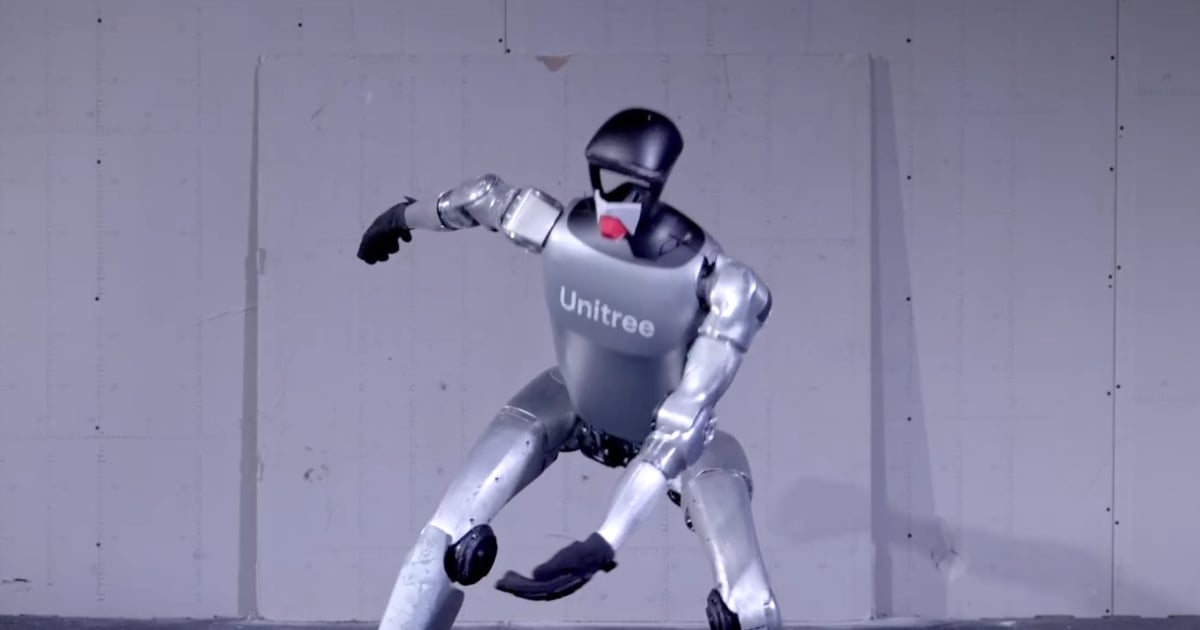
Cheaper humanoids are robots designed with controlled budgets and accessibility in mind. A flagship example is the Unitree R1, priced around US$5,900 — dramatically lower than most humanoid platforms. These robots often:
- Use modest sensors and computing compared to advanced labs.
- Are designed for developers, educators, and small teams.
- Balance capability with simplicity.
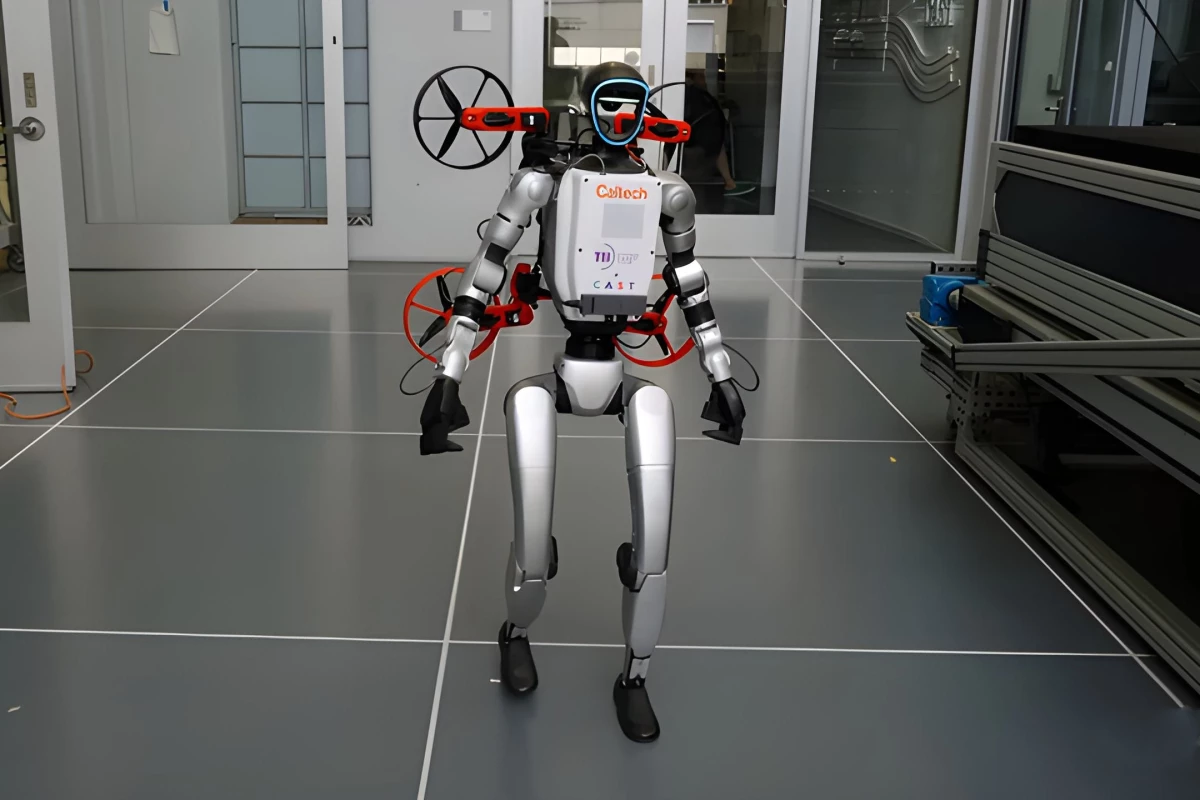
In contrast, high‑end research humanoids typically cost $90,000 to $250,000+ or more. They are engineered for:
- Cutting‑edge research in autonomy, AI learning, and real‑world manipulation.
- Heavy industrial or scientific use, including biomechanics studies, advanced perception systems, and long‑duration autonomous missions.
These machines are often deployed in well‑funded university labs or corporate R&D centers.
2. Accessibility: The Democratization of Robotics
One of the strongest arguments for cheaper humanoids is access.
Historically, the world of humanoid robotics was gated by prohibitive cost and scarce availability. Only elite institutions could afford platforms like Boston Dynamics’ Atlas or premium industrial humanoids. But with models such as the R1 now entering the market, more people can engage with real, physical humanoid systems — not just simulations.
Affordability dramatically expands who can:
- Experiment with embodied AI.
- Test novel control strategies.
- Train students in real‑world robotics labs.
Open‑platform designs further amplify this effect by inviting community contributions, shared research, and modular upgrades. This shift mirrors how personal computing democratized software development decades ago: lower barriers unleash innovation from unexpected places.
3. Performance Trade‑Offs: Where Cost Meets Capability
With lower cost inevitably comes limitations, and this is where high‑end research models still hold their ground.
Sensors and Perception
Expensive humanoids often incorporate high‑resolution LiDAR, multiple depth cameras, and redundancy in sensing to achieve rich environmental understanding. Cheaper alternatives typically rely on less sophisticated sensors that can still enable basic perception but struggle with:
- Fine‑grained object recognition in cluttered environments.
- High‑speed reactive planning based on detailed 3D mapping.
Manipulation and Dexterity
High‑end robots might include force‑sensing limbs and advanced grippers capable of delicate tasks — opening doors, picking up varied objects, or assembling components. Budget platforms tend to have more limited or fixed‑function manipulators. Their capabilities may be sufficient for broad tasks or research prototyping, but not for many real‑world use cases requiring fine motor control.
Computational Power
More costly models often carry powerful onboard processors that support real‑time AI decision‑making, whereas lower‑cost models sometimes depend more on external compute or streamlined onboard hardware. This impacts autonomy, responsiveness, and long‑duration operations.
In short: cheap robots can dance and balance, sometimes miraculously well for their price, but they often lack the sensors and processing to understand and manipulate the world with finesse.
4. Practical Use Cases: Which Model Excels Where
The answer to whether cheaper humanoids are “better” often depends on context and objective.
Scenarios Where Cheaper Humanoids Shine
- Education & Training: Robotics labs at universities can afford multiple units for students to learn on simultaneously.
- Early R&D Prototyping: Startups can prototype algorithms and interaction models before migrating to larger platforms.
- Public Engagement & Outreach: Affordable humanoids are great for exhibitions, public demos, and basic human‑robot interaction research.
In these scenarios, cost efficiency and ease of use outweigh raw performance.
Scenarios Where High‑End Is Irreplaceable
- Cutting‑Edge Research: Projects that tackle fine manipulation, long‑term autonomy, or real‑world uncertainty require the precision and reliability of high‑end hardware.
- Industrial Integration: Real deployments in manufacturing, logistics, and safety‑critical environments depend on robust sensors and powerful control stacks.
- Scientific Validation: Research that leads to peer‑reviewed breakthroughs often demands platforms with repeatable performance and rich data collection.
Both segments have distinct value propositions — and one isn’t universally “better” than the other except in context.
5. Economic Impacts and Industry Dynamics
Cheaper humanoids could be a catalyst for industry growth.
Accelerating Innovation
Affordable platforms allow more teams to join the race. When more labs can experiment with embodied robots, the pace of breakthroughs — in locomotion, learning algorithms, and human‑robot interaction — accelerates.
Labor and Automation
Humanoid robots are often pitched as tools for solving labor shortages or augmenting human work. But cost matters enormously in economics. Cheap humanoids could:
- Drive robots into small enterprises and service sectors sooner than expected.
- Create jobs in robot maintenance, customization, and training services.
High‑end robots, meanwhile, unlock automation in sectors where safety, precision, and reliability justify higher investment.
Both contribute to an evolving labor ecosystem — from augmentation to retooling — but at different scales.
6. Societal Considerations: Ethics, Trust, and Adoption
As humanoids become more affordable and visible, they raise broader societal questions:
Perception and Acceptance
When robots are rare and exotic, they evoke awe. When they become commonplace and affordable, they bring real ethical questions about:
- Privacy: Sensors and cameras in everyday spaces.
- Trust: How do people trust machines in close proximity?
- Responsibility: Who’s liable when a robot makes a mistake?
Cheaper humanoids will likely be many people’s first encounter with robotics, shaping attitudes and expectations. High‑end models will push capability boundaries, but cheaper ones will shape human perceptions and everyday experiences.
7. Making the Right Choice
So, is a cheaper humanoid better than a high‑end research model? The nuanced answer is:
- For accessibility, education, and experimentation: Yes — inexpensive humanoids democratize access and accelerate learning.
- For complex autonomy, industrial deployment, and advanced research: No — high‑end models remain superior.
Rather than being opposites, these two categories are complementary forces:
- Cheap robots help broaden participation and lower risk for experimentation.
- High‑end robots push performance, enabling breakthroughs that trickle down over time.
The robotics ecosystem benefits when both democratization and deep research progress proceed in parallel.
With lower costs and rising demand, we may soon see humanoids deployed at scales and in roles unthinkable just a few years ago — not in laboratories, but in classrooms, studios, service roles, and creative workshops.