








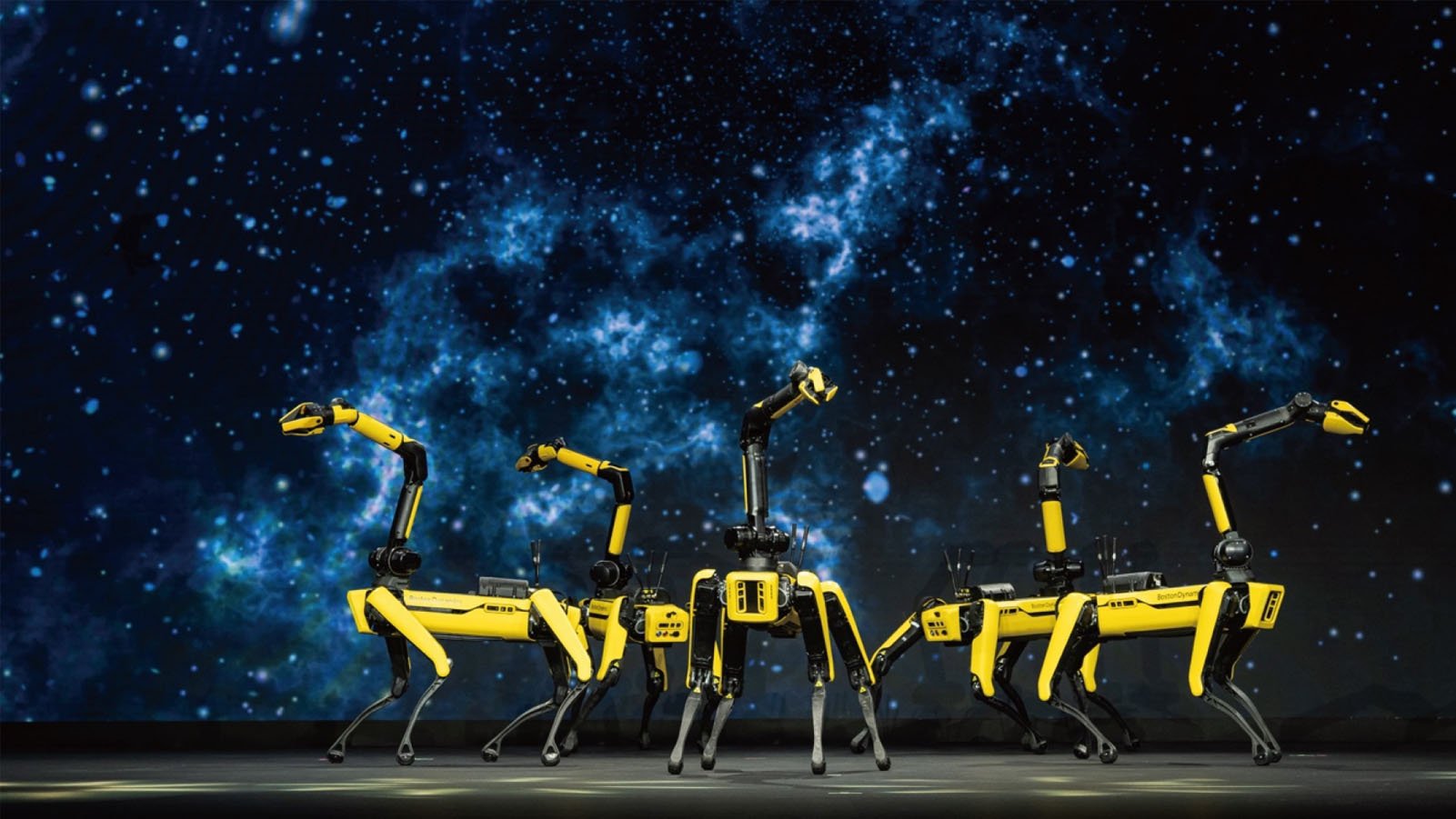

In the beginning of the 21st century, the question “Will robots ever truly replace humans in complex tasks?” seemed like a sci‑fi fantasy — fodder for The Terminator and Star Wars rather than serious academic discourse. Fast forward to the mid‑2020s, and the boundaries between science fiction and real‑world progress have blurred dramatically. From AI‑powered surgical assistants to robots that can perceive objects by touch, machines are no longer confined to repetitive, predictable environments. Yet, while robots are undeniably transforming how work gets done, the simple question remains: Can they truly replace humans when it comes to complex, open‑ended tasks? The answer is nuanced, compelling, and essential for anyone thinking about the future of work, innovation, and society.
This article takes a deep dive into that question — combining technical insights, current research, economic implications, social impacts, and ethical considerations — while keeping the narrative engaging and grounded in real progress and limitations.
The Rise of Physical AI: Robots with Brains and Bodies
Traditionally, robots were expert specialists: precise, predictable, and programmed to perform the same motion millions of times without deviation. Think of automotive assembly lines or warehouse sorting systems. These robots excelled at structured tasks but struggled with anything outside predefined scenarios.
Enter physical AI — the fusion of advanced artificial intelligence with physical robotic systems. This isn’t just about preprogrammed motion but machines that perceive, learn, and adapt. Recent advances enable robots to use sensors, vision, and AI decision‑making to interpret and respond to the world in real time. These systems can learn from images, experience, and even human demonstrations, allowing them to handle tasks that are not rigidly defined.
This is where the discussion shifts from automation to cognition embedded in machines. Robots with AI can now adjust on the fly — a prerequisite for any notion of “complex tasks.”
What Do We Mean by “Complex Tasks”?
Before we explore whether robots can replace humans, we must clarify what “complex tasks” mean. A task might be complex due to:
- Unstructured environments – unpredictable physical surroundings.
- Multistep reasoning – tasks requiring planning, foresight, and adaptability.
- Human‑level perception – fine motor skills, nuanced sensory feedback.
- Social and emotional intelligence – understanding human context and communication.
- Moral and ethical judgment – decisions with human‑centered consequences.
- Creative thinking and originality – moving beyond pattern recognition to generate novel outcomes.
While robots are making inroads into some of these areas, they excel in a subset of precisely defined actions and struggle with the broader scope of human intelligence.

Current Landscape: What Robots Can Do
Modern robotics combined with AI has already crossed several important thresholds:
Task Learning and Adaptation
Robots can now learn by imitation and trial‑and‑error. Instead of relying solely on programming, they can observe humans or simulated demonstrations to shape behavior — a major leap toward flexibility.
Sensory Perception
AI systems alongside advanced sensing hardware (like tactile sensors) allow machines to handle objects by feel, not just vision. Amazon, for example, showcased robots capable of identifying and manipulating diverse items — a feat once thought to be uniquely human.
Multistep Reasoning
Breakthroughs in AI, such as models that integrate world knowledge, reasoning, and action planning, are enabling robots to perform sequences of tasks that require understanding and contextual interpretation — not just repeating the same motion over and over.
Where Humans Still Hold the Advantage
Despite the impressive progress, there are several categories where robots still lag far behind humans when it comes to complex tasks:
Abstract Thought and Creativity
Machines are excellent at pattern recognition and optimization, but genuine creativity — generating truly novel ideas or concepts — remains a human domain. Computational systems can riff on patterns in data, but originality rooted in human experience and emotion is not yet within their grasp. Researchers studying AI capabilities have pointed out that while machines will outperform humans on narrow tasks, timelines for full general task mastery stretch decades into the future.
Social and Emotional Intelligence
Understanding humour, empathy, nuance in language, cultural contexts, and ethical frameworks brings layers of complexity that machines still struggle with. Robots may interact with humans at a surface level, but deep emotional intelligence is rooted in lived experience — something that cannot be trivially encoded.
Moral Judgment
Decisions involving ethics — such as prioritizing safety vs. efficiency, or resolving conflicting human needs — require a moral framework that robots do not inherently possess. Ethics are debated, taught, and embedded through culture and experience. Machines follow rules, and they can be designed with constraints, but moral reasoning remains fundamentally human.
Uncertainty and Ambiguity
Humans shine when facing ambiguous problems with incomplete information. Robots require data and structure; when environments become too uncertain or novel, their performance degrades compared to human intuition and ingenuity.
Collaboration, Not Replacement
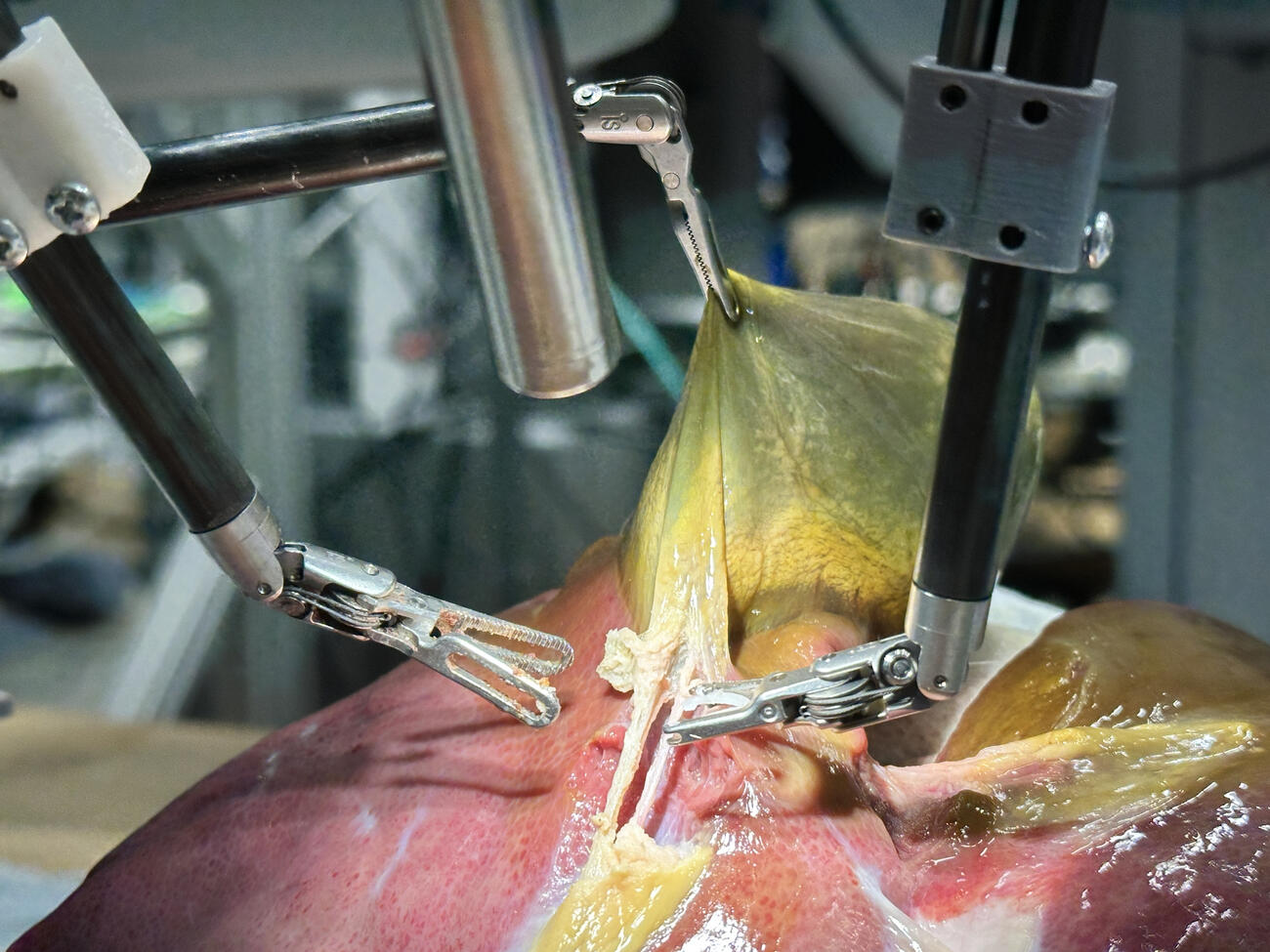
A clear pattern emerges: robots are not replacing humans per se — they are increasingly collaborating with us.
Whether in industry, healthcare, logistics, or service sectors, the model is shifting toward human‑robot collaboration. Robots handle repetitive, hazardous, or physically demanding tasks, while humans focus on higher‑order reasoning, supervision, exception handling, and creativity.
Industry leaders emphasize that robots are tools that augment human capability — not substitutes for human intelligence in its entirety.
This is consistent with observed deployments: robots improve productivity and safety, and humans assume supervisory, strategic, and interpersonal roles.
Economic and Social Impacts
Robots transforming labor markets is not speculative; it is happening now. Many roles, especially in logistics and manufacturing, are already undergoing automation. Studies and expert surveys project increases in automation over the next decades, but complete replacement of all jobs is considered a long‑term possibility at best — not imminent.
Some economists warn that without thoughtful policy and equitable systems, automation could exacerbate inequality. Providing workers pathways into new roles and reskilling will be essential.
There is also robust debate on whether widespread automation would lead to societal ills like unemployment or economic disruption—or whether it could usher in a future where labor is optional and humans pursue creative or leisure pursuits.
Ethical and Regulatory Considerations
As robots gain autonomy and decision‑making capacity, society must confront ethical and legal questions:
- Who is responsible when a robot errs?
- How should privacy be protected when machines collect data?
- What rights, if any, should autonomous machines have?
- How do we balance innovation with human safety and dignity?
Beyond technical challenges, the integration of robots into society must carefully consider moral and legal frameworks.
So, Will Robots Ever Truly Replace Humans?
Short answer: Not in the foreseeable future — not for truly complex, open‑ended tasks that require creativity, ethical reasoning, or deep social intelligence.
Long answer: Robots will increasingly share responsibility for complex tasks, but the vision of full replacement — where machines outperform humans at every level of cognition and social interaction — remains speculative and many decades away. Humans and machines will likely continue to evolve together, with roles blending rather than one completely displacing the other.
In this unfolding narrative, the future is not simply about replacement, but about augmentation, partnership, and human‑centered innovation.