








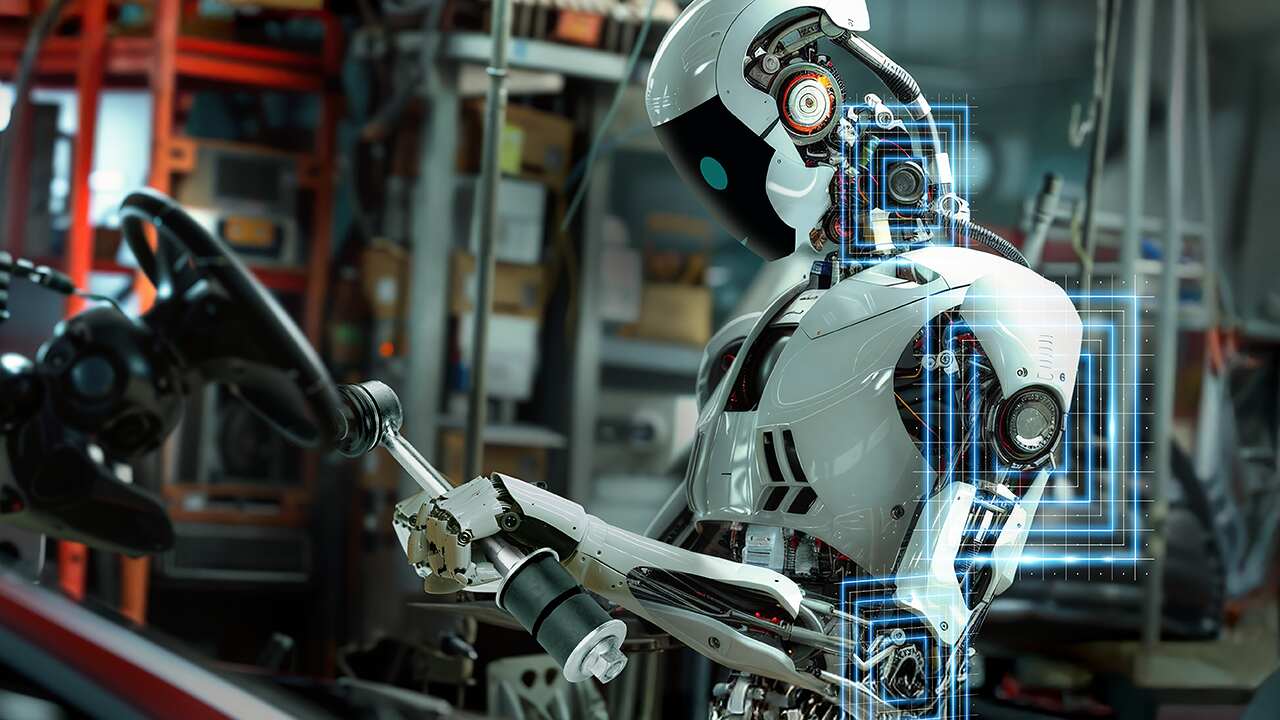

Humanoid robots — machines that walk upright, carry out tasks in environments designed for humans, and, in some visions, act almost indistinguishable from people — have captivated engineers, futurists, investors, and the public imagination for decades. From the factory floors of tomorrow to home companions, from disaster response units to care assistants for the elderly, humanoid robots promise capabilities that transcend specialized machines. In science fiction, they are seamless blends of cognition and dexterity; in the real world, they remain mostly experimental prototypes with tantalizing potential but persistent limitations.
Despite remarkable advances in artificial intelligence, sensing technologies, materials science, and control systems, there remains a profound gap between the robots we see in glossy demos and the ones that can reliably operate in the messy, unpredictable environments of daily life. This article dives deep into the technical, economic, cognitive, and ethical obstacles that continue to thwart the development and widespread deployment of general purpose humanoid robots — machines that can genuinely operate across diverse tasks without human teleoperation or extreme constraints.
I. The Reality Behind the Hype: Why General Purpose Remains Elusive
In news coverage and investor decks, humanoid robots often appear to be just around the corner — on stages, walking, gesturing, and performing simple motions. Yet, in practical settings, these machines struggle with even basic real‑world tasks without human oversight. The gap between proof‑of‑concept prototypes and robust general purpose machines lies in the complex interplay of hardware, software, economics, and human interaction.
One reason for the persistent struggles is that humanoid robots embody complexity on multiple fronts: locomotion, sensing, manipulation, cognition, and interaction must all work together seamlessly. While specialized robots — like warehouse pickers, surgical assistants, or autonomous vehicles — excel in narrow domains, humanoids attempt to be Jack‑of‑all‑trades but currently master of none. Investors are taking note: there’s a growing trend favoring specialized robots that perform specific tasks efficiently over humanoid generalists that remain costly and constrained in utility.
Before we explore each challenge in depth, it’s useful to ask a core question: what does “general purpose” truly mean for humanoid robots? At its heart, it implies autonomy across a wide range of environments and tasks without being confined to highly controlled settings. That means operating safely in dynamic human spaces, adapting to unstructured environments, learning new tasks on the fly, and handling objects with the agility and awareness that humans take for granted. Currently, that ideal is far from reach.
II. Fundamental Technical Barriers
At the core of humanoid robotics are technical challenges that go well beyond incremental improvements. These hurdles affect every major subsystem — from the way robots move and sense to how they learn and make decisions.
1. Locomotion and Balance: Walking Shouldn’t Be This Hard
One of the most deceptively difficult problems in humanoid robotics is simply getting from point A to point B. Humans walk effortlessly through complex terrains, balance on one leg, and recover from slips without conscious thought. Achieving even a fraction of that performance requires impressive engineering.
Humanoid robots like Boston Dynamics’ Atlas or Tesla’s Optimus can perform scripted walking sequences and even execute athletic stunts in controlled conditions. But when faced with variations in terrain, uneven surfaces, or unplanned contacts, balance becomes fragile. Robots rely on real‑time sensor fusion, precise actuators, and predictive control algorithms to maintain stability, and even a millisecond delay or noisy input can lead to a fall.
Moreover, bipedal locomotion demands constant energy expenditure; a powered humanoid robot with a full battery may only operate for a couple of hours before recharging — far short of a human workday. Achieving efficient dynamic balance with low power consumption remains a central challenge.
2. The “Hands Problem”: Dexterity That Still Eludes Machines
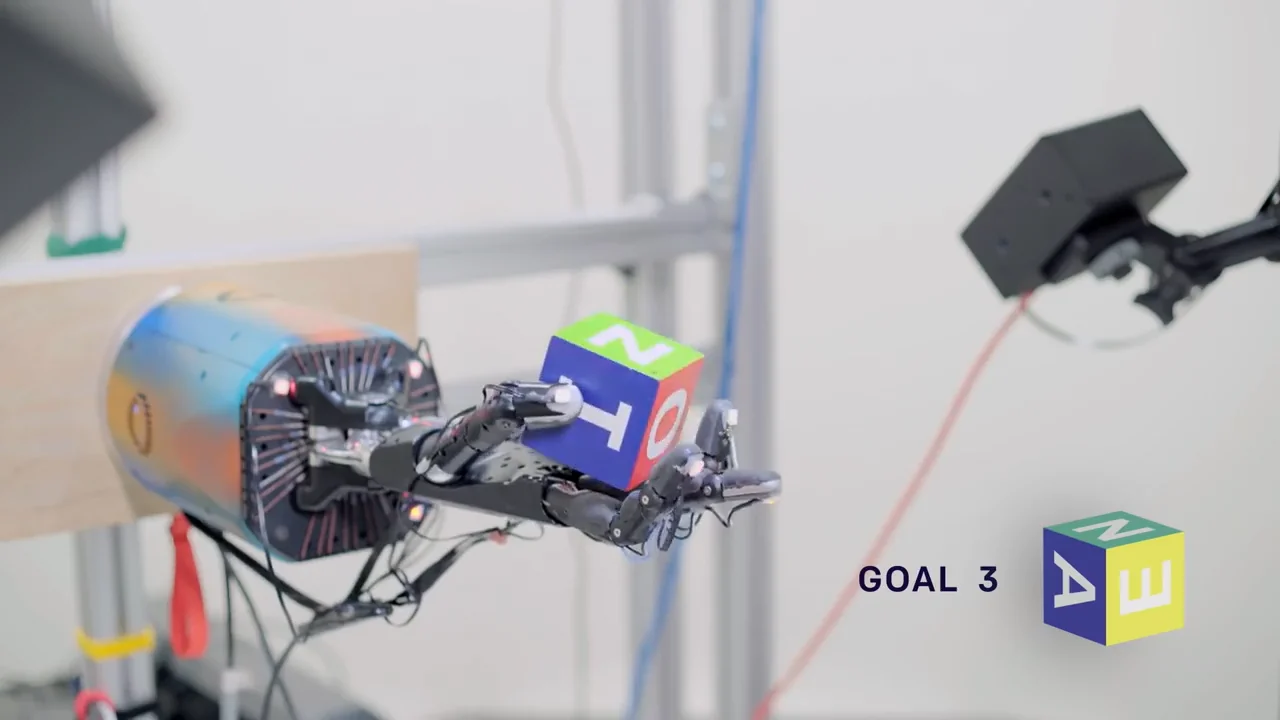
If locomotion is problem number one, manipulation — especially with hands — is problem number two. Humans have roughly 27 degrees of freedom and thousands of tactile receptors in each hand, enabling fine manipulation, delicate adjustments, and adaptive grip control. Replicating this with motors, sensors, and control logic has proven extraordinarily difficult.
Industry practitioners often refer to this as the “hands problem”. Even when robots can lift objects, they struggle with the subtleties of everyday interaction — opening a door without slamming it, picking up a cylindrical object that’s slightly tilted, or unscrewing a cap. Small motors overheat, fragile joints fail, and rudimentary sensors can misinterpret slip and pressure. As one industry analysis noted, hands may represent up to 25% of the entire engineering challenge for humanoid robots.
Without dexterous hands, general purpose humanoids will remain limited in tasks involving manipulation — and for machines intended to live in human environments, manipulation is fundamental.
3. Sensory Systems: Perception That Approaches Human Levels
Perception — understanding the robot’s surroundings — is another foundational problem. Humans combine vision, hearing, touch, proprioception (the sense of body position), and context from experience to interpret the world. In contrast, humanoid robots rely on cameras, lidar, IMUs, and other sensors whose outputs must be fused coherently.
Even with high‑resolution sensors, the integration of these systems is complex. Each modality delivers data in different formats and update rates; merging them into a cohesive perception suitable for real‑time decision‑making is a major computational and algorithmic challenge. Any lag or misalignment can result in poor object recognition, balance loss, or collision.
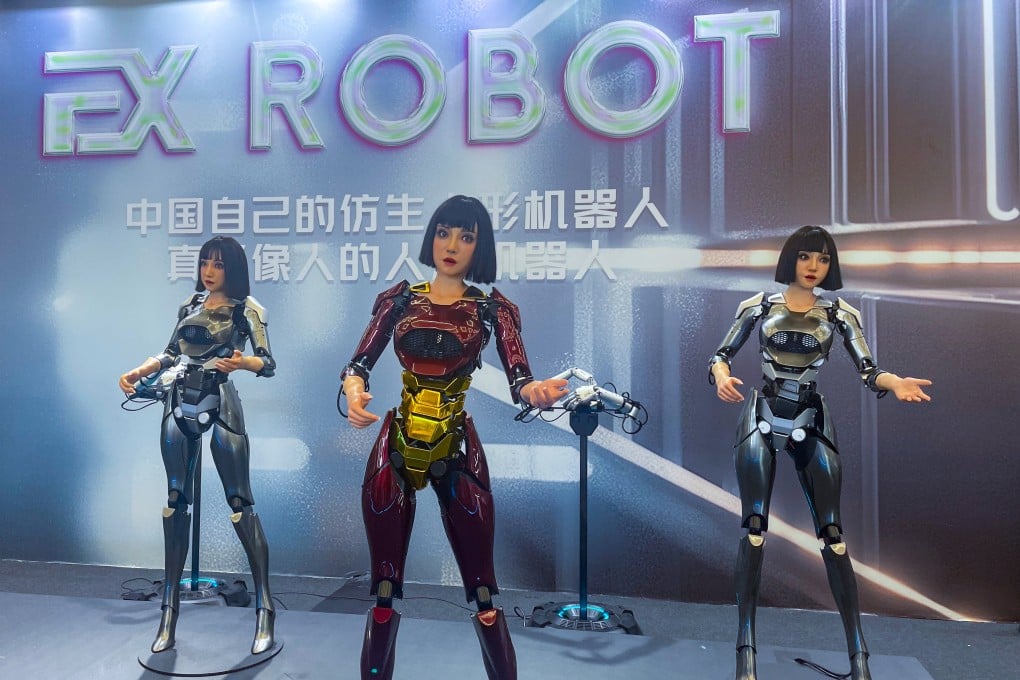
Additionally, environments are often cluttered and dynamic, with unpredictable lighting, moving people, and occluded obstacles — conditions that still confound state‑of‑the‑art robotic perception.
4. Real‑Time Motion Control: Soft Bodies in a Rigid World
Once a robot perceives its surroundings, it needs to act. Motion control — translating high‑level goals like “pick up the cup” into precise joint actions — involves solving complex equations of dynamics in real time. Humans accomplish this subconsciously, but robots must compute it at every millisecond while balancing energy efficiency, joint limits, and interaction forces.
Control challenges are exacerbated by underactuation (systems with fewer actuators than degrees of freedom), noise in sensors, and the need to respond to unexpected perturbations. Whole‑body control — coordinating legs, arms, torso, and head — is an unsolved frontier.
5. Energy: Power Limitations That Hamstring Autonomy
Power remains a stubborn constraint. Batteries with high energy density tend to be heavy, reducing efficiency in walking and manipulation. Most humanoid robots today can run continuously for only a fraction of a typical shift. Engineers are exploring novel power sources, lightweight designs, and ultra‑efficient actuators, but until energy storage catches up, robots will remain tethered to short task durations.
III. The Software and Intelligence Gap
Hardware challenges are substantial, but without a robust software and AI foundation, humanoids cannot operate autonomously in real environments.
1. Cognition Without Understanding
Current AI systems excel in pattern recognition, task‑specific learning, and predictive models — but they still lack deep situational understanding. Even cutting‑edge large language models and visual perception systems do not truly grasp physical context the way humans do. Robots may “know” that a cup is on a table, but integrating that knowledge with intent, safety planning, and multi‑step task sequencing remains difficult.
Humanoid robots often resort to brittle planning systems or require preprogrammed scripts for tasks. They lack the embodied world models that humans form through years of sensory‑motor experience.
2. Learning in the Real World: Data Scarcity and Generalization
General purpose robots need to learn continuously. But unlike virtual environments, the real world is unforgiving — mistakes break hardware. Collecting large, high‑quality datasets of physical interactions is expensive, slow, and rarely transferable across contexts.
Learning systems, including reinforcement learning or imitation learning, must grapple with sample inefficiency, covariate shift (changes in data distribution), and the challenge of transferring simulated experience into physical performance.
3. Control Architecture: Behavior Foundation Models and Beyond
Researchers are proposing advanced architectures like Behavior Foundation Models (BFMs) — pretrained systems intended to capture primitives of motion and interaction that can generalize across tasks. While promising, this research is nascent and not yet operational in deployed humanoid platforms.
Without breakthrough advances in embodied AI — where perception, reasoning, and action are tightly integrated — humanoids will remain tethered to narrow tasks and controlled environments.
IV. Economic and Industry Realities
Technical breakthroughs alone aren’t enough. The economic landscape around humanoid robotics also shapes what gets built — and why general purpose machines remain elusive.
1. High Costs of Development, Production, and Maintenance
Building a humanoid robot requires custom components, high‑precision actuators, advanced sensors, and specialized software. These parts are expensive, and the precise assembly and maintenance needed add to the total cost of ownership. For most industries, it’s cheaper and more reliable to deploy specialized machines designed for single tasks.
Maintenance costs — particularly for complex mechanical systems like hands and joints — further push total lifecycle costs higher than many businesses can justify.
2. Market Focus on Specialized Robots
Investors are prioritizing robots that deliver clear, immediate value — warehouse mobile robots, automated inspection units, and collaborative arms. These systems have proven ROI, whereas the path to profitability for general purpose humanoids remains long and uncertain.
This trend has led to concentrated funding in narrow domains, slowing the flow of resources into fundamental humanoid research.
V. Human‑Robot Interaction and Trust Issues
A general purpose humanoid must work around and with humans — and that introduces social and cognitive complexities.
1. Interaction Without Misunderstanding
Natural language, gestures, facial expressions, and social context form the basis of human communication. Robots today struggle to interpret nuanced instructions or ambiguous social cues. Misinterpretation can lead to unsafe actions or user frustration.
2. Trust and the Uncanny Valley
When humanoid robots look almost human but not quite, they can trigger discomfort or mistrust — a psychological phenomenon known as the uncanny valley. Users may be reluctant to accept robots that appear too lifelike but behave with robotic awkwardness.
Moreover, if robots appear capable but fail unpredictably, trust erodes rapidly. Building consistent, predictable interaction models remains a key challenge.
VI. Ethical, Legal, and Regulatory Challenges
As humanoid robots inch closer to real‑world deployment, society must grapple with thorny ethical and legal questions.
1. Safety Standards and Liability
Unlike industrial arms confined to cages, humanoid robots are designed to operate alongside people. Accident prevention, energy absorption in falls, safe collision responses, and error recovery must be engineered into every decision. Regulatory standards are only just emerging and vary widely across regions.
Who is responsible when a robot injures a person? The manufacturer? The programmer? The owner? These questions lack clear legal frameworks in many jurisdictions.
2. Privacy and Data Security
Humanoid robots will inevitably collect rich data from their environments — visual, spatial, audio, and even biometric information. Without robust privacy protections and cybersecurity protocols, these systems could become vectors for surveillance or exploitation. Academic research highlights fundamental vulnerabilities in current security architectures, showing how poorly secured telemetry can leak sensitive state information.
3. Job Displacement and Social Impact
Widespread adoption of general purpose robots could significantly disrupt labor markets. While automation enhances productivity, the transition could displace workers who lack pathways into new roles. Policymakers face the challenge of balancing technological progress with social protection.
VII. What Progress Looks Like — And Why It Matters
Despite these daunting obstacles, progress is undeniable. Humanoid robots are no longer mere concept machines; they are physical platforms tested in factories, warehouses, and research labs worldwide. At events like the World Humanoid Robot Games, hundreds of teams compete with machines tackling diverse tasks — a testimony to the field’s experimental vitality.
Key indicators of progress include:
- Energy and power improvements that extend operational time.
- Better sensor fusion and perception algorithms that reduce reliance on controlled environments.
- Modular control systems and learning architectures that accelerate adaptation to new tasks.
- Collaborative research across institutions and open‑source communities that democratize innovation.
But it’s also clear that the final leap toward truly general purpose humanoid robots won’t arise from a single breakthrough. It will require system‑level integration — hardware and software systems co‑designed with safety, robustness, adaptability, and human interaction in mind.
VIII. The Road Ahead: Gradual, Not Sudden
It is tempting to imagine a future in which humanoid robots suddenly become ubiquitous. But the story of robotics has always been incremental. Early aircraft didn’t mimic bird flight; they reinvented how we fly. Similarly, humanoid robots may not become human in every detail but could achieve functional human‑compatibility — working safely with people in designated roles where their form factor offers unique value.
In the near term, humanoids are more likely to thrive in hybrid roles: performing routine physical tasks in predictable environments, aiding human workers, or specializing in limited domains while AI advances toward deeper embodied understanding. Over time, improvements in materials, energy storage, AI reasoning, and sensor integration could converge toward machines that are far more capable than today’s prototypes.
Ultimately, whether humanoid robots transform industries, redefine caregiving, or become household helpers, their journey highlights the interplay between engineering ambition and real‑world complexity. The remaining barriers are not insurmountable — they demand thoughtful research, interdisciplinary expertise, robust safety frameworks, and social deliberation that matches the technological pace.