








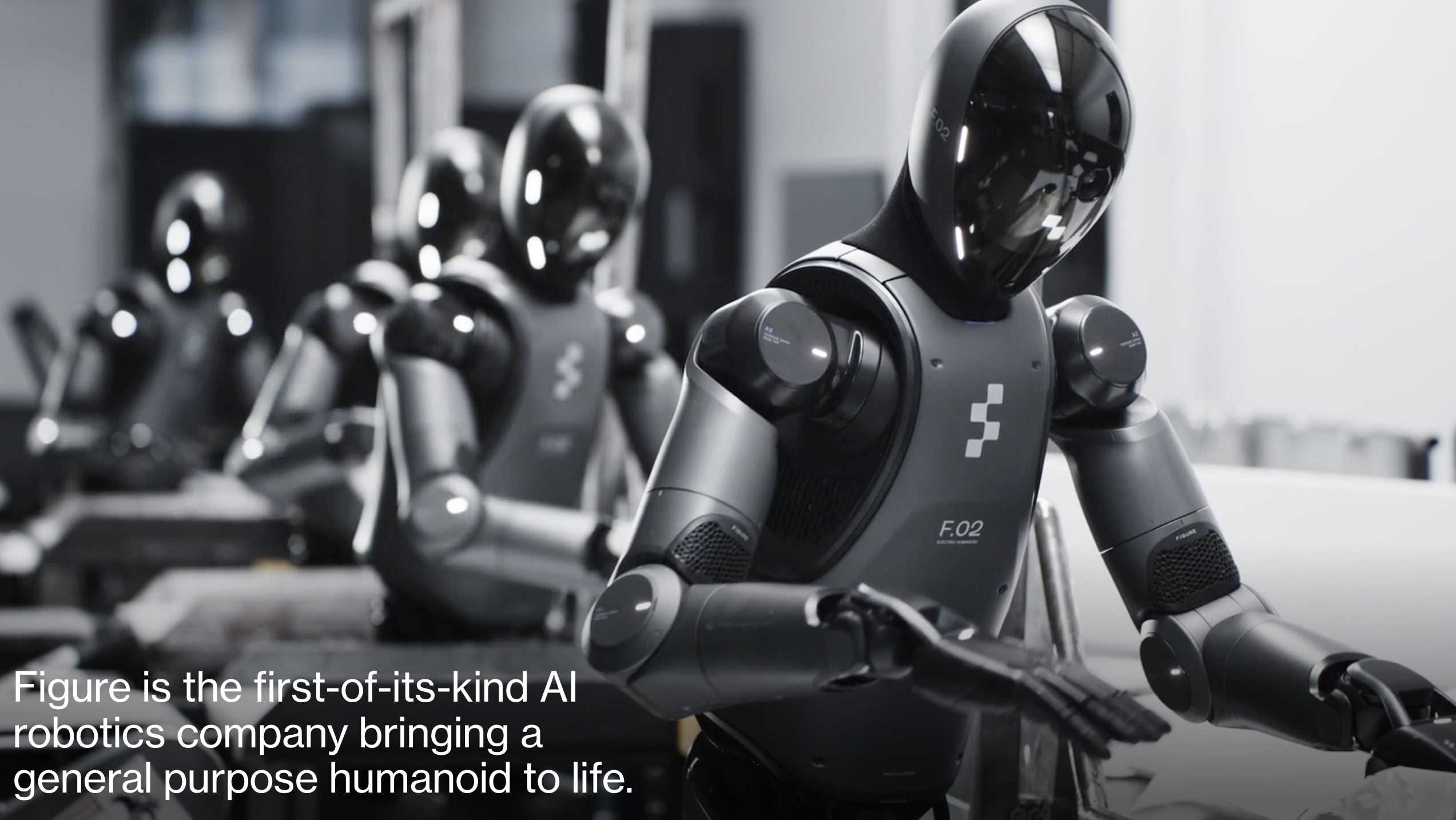

On a cold morning in downtown Seoul, 62-year-old Park Min-jae sat quietly across from a humanoid robot that called itself “Ena.”
“Good morning, Mr. Park,” the robot said gently, its voice warm, measured, almost comforting. “Did you sleep well?”
Park hesitated before answering.
“I… I think so.”
Ena tilted its head slightly—a gesture programmed to signal attentiveness—and displayed a soft smile on its synthetic face.
For the staff at the assisted living center, Ena is a breakthrough: a tireless caregiver capable of monitoring patients, reminding them to take medication, and offering companionship in a facility stretched thin by staffing shortages.
For Park, however, the experience is more complicated.
“It helps me,” he admitted. “But sometimes… I forget it’s not human.”
He paused.
“And then I remember.”
The Uncanny Line Between Tool and Companion
Humanoid robots are no longer confined to factories and laboratories. Increasingly, they are entering spaces once considered deeply human: homes, hospitals, schools.
And with that shift comes a new kind of tension—not technical, but emotional.
Unlike industrial machines, humanoid robots are designed to resemble us. They move like us, speak like us, and, in some cases, even simulate empathy.
This design is intentional.
“The closer a robot is to human form, the easier it is for people to interact with it,” said a cognitive robotics researcher. “But that also creates psychological complexity.”
This phenomenon is often referred to as the “uncanny valley”—a sense of discomfort that arises when something appears almost human, but not quite.
Yet as technology improves, that valley is narrowing.
And for some, disappearing entirely.
Attachment, Illusion, and Emotional Risk
In Tokyo, a pilot program placed humanoid robots in the homes of elderly residents living alone.
Within weeks, researchers observed a pattern: many participants began treating the robots not as tools, but as companions.
They spoke to them. Confided in them. In some cases, even celebrated birthdays with them.
“One participant told us the robot was her ‘only family,’” said a researcher involved in the study.
While these interactions may provide comfort, they also raise ethical concerns.
“Is it right to allow people to form emotional bonds with machines that cannot truly reciprocate?” asked an ethicist. “Or are we creating a kind of illusion—one that could ultimately lead to deeper loneliness?”
For families, the issue can be equally complex.
“It’s helpful,” said the daughter of one elderly user. “But I worry. Is my mother replacing human relationships with a machine?”
When Robots Replace Human Care
The economic argument for humanoid robots in caregiving is powerful.
Many countries face aging populations and shrinking workforces. The demand for caregivers is rising, while the supply of human workers is struggling to keep pace.
Humanoid robots offer a potential solution: scalable, consistent, and cost-effective.
But critics argue that efficiency should not come at the expense of human connection.
“Care is not just about tasks,” said a healthcare advocate. “It’s about empathy, presence, and understanding.”
In some facilities, robots are already taking over roles once performed by humans—not just assisting, but replacing.
This shift has sparked debate among policymakers, families, and workers.
“Are we solving a labor shortage,” one critic asked, “or redefining what care means?”
Public Backlash Begins to Grow
In several cities, the expansion of humanoid robots has triggered public protests.
In Berlin, demonstrators gathered outside a technology conference, holding signs that read:
- “Humans Before Machines”
- “Dignity Is Not Automated”
- “Stop Replacing Us”
Similar movements have emerged in parts of the United States and Europe, where labor groups and activists are calling for limits on automation.
Their concerns extend beyond jobs.
“This is about the kind of society we want,” said one organizer. “Do we want a world where human interaction is optional?”
Social media has amplified these debates, with viral videos showing robots performing tasks once done by humans—sometimes accompanied by captions expressing awe, but just as often, unease.
Bias, Behavior, and Machine Morality
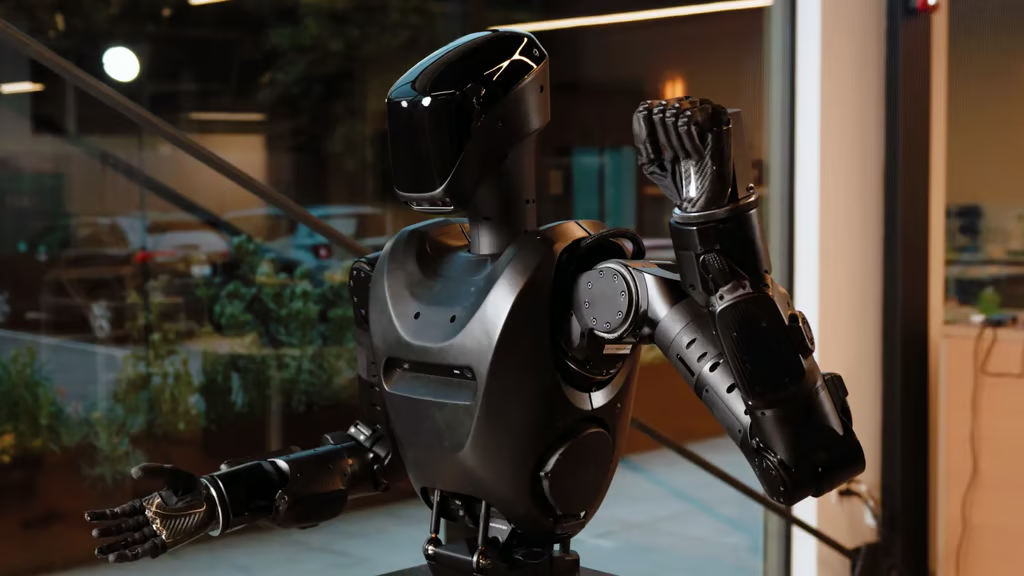
Another layer of concern lies in how humanoid robots make decisions.
Powered by AI systems trained on vast datasets, these machines can exhibit biases—reflecting the data they were trained on.
In one widely discussed case, a service robot was observed responding more attentively to certain users than others, raising questions about fairness and discrimination.
“Bias in software is already a problem,” said an AI researcher. “When you put that software into a physical body, interacting with people in real life, the stakes become much higher.”
There are also questions about behavior.
How should a robot respond in a morally complex situation?
If a patient refuses medication, should the robot insist? Alert a human? Respect autonomy?
These are decisions that even humans struggle with.
For machines, they must be programmed—or learned.
And that raises a fundamental issue:
Whose values are being encoded?
The Identity Question
As humanoid robots become more advanced, they are beginning to challenge traditional notions of identity and personhood.
Some robots are designed with distinct personalities, voices, and even names.
They can remember interactions, adapt to individual preferences, and maintain long-term “relationships” with users.
This creates a paradox.
“They are not conscious,” said a philosopher. “But they can simulate many aspects of consciousness.”
For some people, that distinction becomes blurred over time.
In extreme cases, individuals have reported feelings of attachment that resemble friendship—or even love.
While such cases are still rare, experts believe they may become more common as technology improves.
Children and the Next Generation
Perhaps the most profound impact may be on children.
Growing up with humanoid robots could shape how future generations understand relationships, empathy, and communication.
“If a child forms a bond with a robot that always responds positively, always agrees, always adapts—what does that do to their expectations of human relationships?” asked a developmental psychologist.
Some educators see potential benefits, such as personalized learning and interactive teaching.
Others worry about dependency and social development.
“It’s not just about what robots can teach,” said one teacher. “It’s about what they might replace.”
Regulation Struggles to Keep Up
Governments around the world are beginning to grapple with these issues.
Some have proposed guidelines for the use of humanoid robots in sensitive environments, such as healthcare and education.
Others are exploring legal frameworks for accountability and data protection.
But progress is slow.
“The technology is evolving faster than our ability to regulate it,” said a policy expert.
In many cases, companies are effectively setting their own standards.
A Divided Public
Public opinion on humanoid robots remains deeply divided.
Some see them as a necessary evolution—tools that can improve quality of life, increase efficiency, and address critical societal challenges.
Others view them with suspicion, seeing a future where human roles are diminished and relationships are mediated by machines.
For many, the reality lies somewhere in between.
“It’s not black and white,” said Park Min-jae, reflecting on his experience with Ena.
He looked at the robot, now quietly waiting beside him.
“It helps me. I won’t deny that.”
Then he added:
“But I still wish it were a person.”
Conclusion
The rise of humanoid robots is not just a technological story—it is a human one.
It is about how we define connection, care, and identity in an age where machines can imitate all three.
As these robots become more integrated into our lives, the questions they raise will only grow more urgent.
Not just what they can do—
—but what they should do.
And ultimately:
What it means to be human in a world where machines can look back at us.
Discussion about this post