








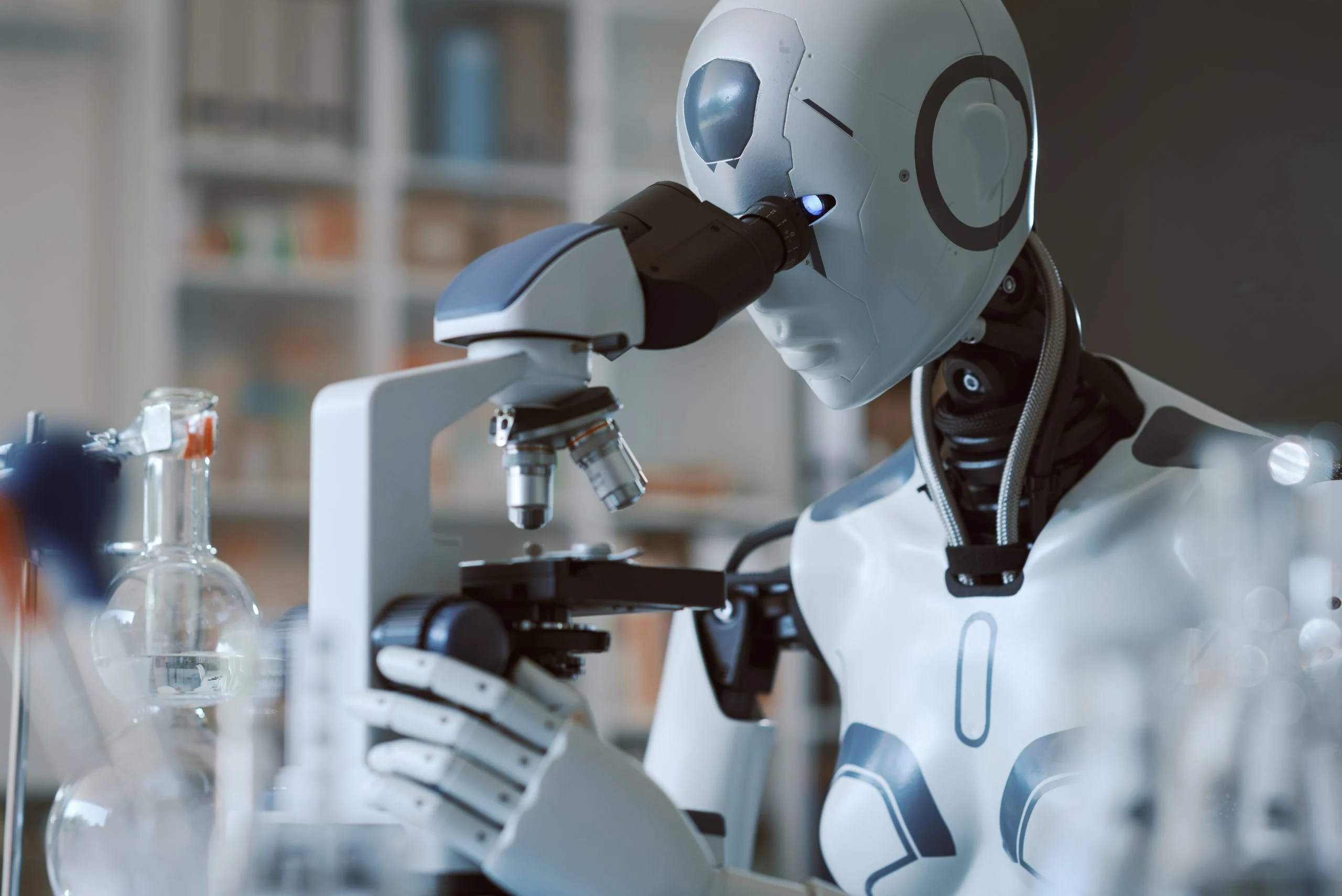

At 6:40 a.m., before the first human workers clock in, Unit H-17 is already active.
Standing at roughly 175 centimeters tall, with a matte metallic finish and softly glowing visual sensors, the humanoid robot moves down a warehouse aisle in Hangzhou, scanning inventory shelves with quiet precision. It pauses, adjusts its grip, and lifts a box weighing nearly 20 kilograms—something that used to require a human worker at the start of a long shift.
By the time the first employees arrive, H-17 has already completed 112 tasks.
“It doesn’t get tired. That’s the difference,” said Liu Wei, a floor supervisor who has worked at the facility for over eight years. “We used to rotate people every two hours for this section. Now one robot does it continuously.”
But as the machines become more capable, the question hanging over workers like Liu is simple—and increasingly urgent:
Where do humans fit in this new system?
A Quiet Transformation on the Ground
Unlike the dramatic unveilings often seen in promotional videos, the real adoption of humanoid robots is happening quietly.
In logistics centers, manufacturing plants, and distribution hubs across Asia, Europe, and North America, companies are integrating humanoid robots into daily operations—not as replacements overnight, but as gradual additions.
At first, the robots handle edge cases: overnight shifts, hazardous environments, or labor shortages. Then, as performance improves, their role expands.
“We started with three units,” said a manager at a large e-commerce warehouse who requested anonymity due to company policy. “Now we have twenty-seven. By next year, it could be over a hundred.”
Internal documents reviewed by this publication suggest that several major corporations are planning large-scale deployments of humanoid robots within the next 18 to 36 months.
The goal is not just automation—but flexibility.
Unlike traditional robotic arms fixed to assembly lines, humanoid robots can move through human-designed spaces, use standard tools, and switch tasks with minimal reprogramming.
That adaptability is what makes them so disruptive.
The Human Cost of Efficiency
For workers, the transition is already being felt.
In a mid-sized factory outside Osaka, a group of employees gathered during a lunch break described the changes unfolding around them.
“At first, we thought the robots were just for demonstration,” said one worker. “Now they are on the line with us.”
Another added: “They don’t complain, they don’t slow down, and they don’t make mistakes when they’re tired. How do you compete with that?”
While layoffs have not yet occurred at scale in most facilities, hiring has slowed significantly. Temporary contracts are becoming less common. Overtime hours—once a key source of income—are declining.
Economists refer to this phase as “labor displacement without visibility”—a period where the impact is real but not yet fully reflected in employment statistics.
“It’s a silent shift,” said Dr. Elena Marquez, a labor economist. “Jobs aren’t disappearing overnight. They’re just not being created anymore.”
Promises vs. Reality
Companies developing humanoid robots often emphasize collaboration rather than replacement.
Marketing materials highlight scenarios where robots assist workers—lifting heavy objects, performing repetitive tasks, or operating in dangerous conditions.
And in some cases, that vision holds true.
At a medical facility in South Korea, humanoid robots are being used to transport supplies, reducing the workload on nurses and allowing them to focus more on patient care.
“It’s helpful,” said one nurse. “We’re understaffed, and the robot takes care of the logistics.”
However, critics argue that these examples represent only part of the picture.
“The narrative is very carefully constructed,” said a technology policy researcher. “Yes, robots can assist. But they can also replace—and that’s where the real economic incentive lies.”
Leaked internal projections from multiple firms indicate that long-term cost savings—not worker support—are the primary driver behind investment in humanoid robotics.
Safety Incidents Raise Concerns
As deployment accelerates, so do reports of safety incidents.
In one case documented earlier this year, a humanoid robot malfunctioned in a European warehouse, misjudging the position of a human worker and causing a minor injury. The incident was quickly contained and not publicly disclosed, but it has raised questions within the industry.
“These systems are incredibly complex,” said an engineer familiar with the case. “Even small errors in perception or timing can lead to unexpected behavior.”
Unlike traditional machines that operate in controlled environments, humanoid robots are designed to function in dynamic, unpredictable settings—often alongside humans.
This introduces new layers of risk.
Regulators are struggling to keep up. Existing safety standards were not designed for machines that can walk, manipulate objects, and make autonomous decisions in real time.
“There’s a regulatory gap,” said a government advisor. “And the technology is moving faster than policy.”
The Data Behind the Machines
Another critical issue lies beneath the surface: data.
Humanoid robots rely heavily on data collection to function effectively. Cameras, microphones, and sensors continuously gather information about their environment, feeding it into AI systems for processing and learning.
In industrial settings, this data can include sensitive information about operations, workflows, and even worker behavior.
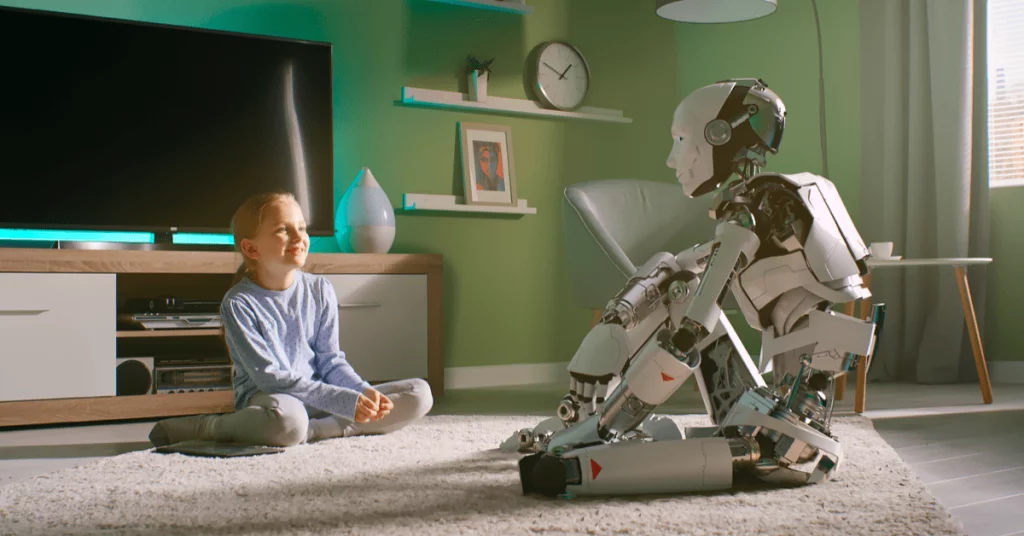
In domestic environments, the implications are even more significant.
“A robot in your home could potentially see and hear everything,” said a cybersecurity expert. “The question is: where does that data go, and who has access to it?”
Some companies have implemented strict data protection measures, including on-device processing and encryption. Others rely on cloud-based systems, which offer greater computational power but introduce additional risks.
So far, there is little global consensus on how this data should be regulated.
The Global Arms Race
Behind the scenes, the development of humanoid robots has become a high-stakes competition.
Major technology firms, startups, and governments are investing billions into research and deployment. The race is not just about commercial success—it’s about strategic advantage.
Countries with advanced robotics capabilities could gain significant economic and military benefits.
“This is not just another tech trend,” said a geopolitical analyst. “It’s foundational. Like electricity or the internet.”
In response, governments are rolling out incentives, funding programs, and national strategies to accelerate development.
But this competition also creates pressure to move quickly—sometimes at the expense of caution.
“When you’re in a race, safety can become secondary,” warned one industry insider.
Voices Calling for Caution
Amid the rapid progress, a growing number of experts are urging a more measured approach.
They argue that while humanoid robots offer enormous potential, their integration into society must be carefully managed.
“We’ve seen this before with other technologies,” said Dr. Marquez. “The benefits are real, but so are the consequences if we move too fast.”
Some propose policies such as:
- Gradual deployment limits
- Mandatory safety certifications
- Worker retraining programs
- Data transparency requirements
Others advocate for broader discussions about the role of robots in society.
“This is not just a technical issue,” said an ethicist. “It’s a societal choice.”
Workers Adapting—and Resisting
Back in Hangzhou, Liu Wei watches as H-17 completes another task.
He has started learning basic robot maintenance, hoping to transition into a supervisory role.
“You have to adapt,” he said. “There’s no other option.”
But not everyone is willing—or able—to make that shift.
Labor groups in several countries are beginning to organize around the issue, calling for protections, retraining programs, and limits on automation.
In some regions, protests have already taken place, signaling potential conflicts ahead.
An Unstoppable Momentum?
Despite the concerns, one thing is clear: the momentum behind humanoid robots is unlikely to slow down.
The economic incentives are too strong. The technological progress is too significant. And the global competition is too intense.
For companies, the choice is straightforward: adopt or fall behind.
For workers, the situation is more complex.
Conclusion
The rise of humanoid robots is not a distant possibility—it is unfolding now, in warehouses, factories, and cities around the world.
It is a story of innovation and efficiency, but also of uncertainty and disruption.
For every task completed faster and cheaper, there is a human question left unanswered.
And as the machines continue to improve, that question becomes harder to ignore:
What happens when the workforce of the future no longer needs to be human?
Discussion about this post