








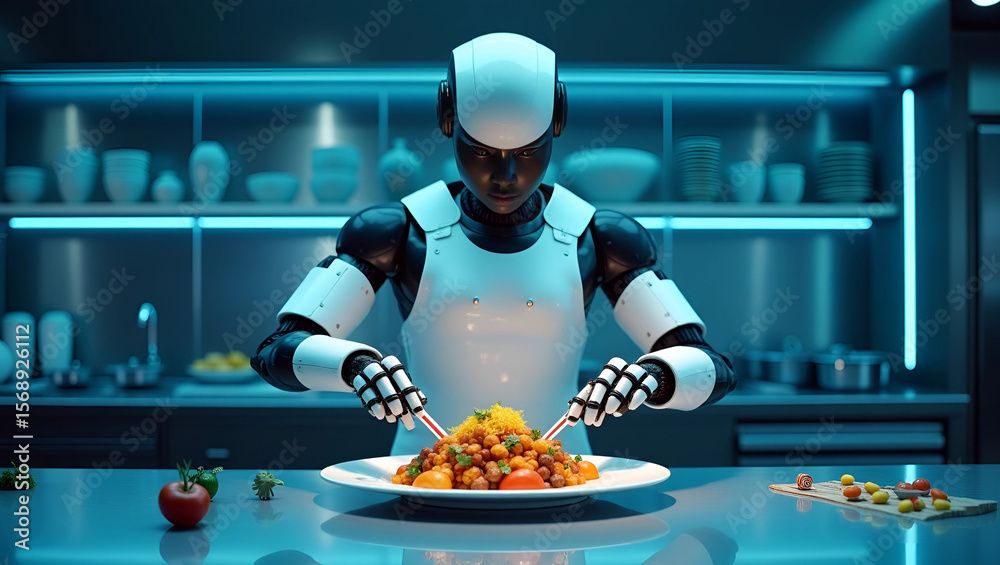

Introduction: Robots Step Out of the Lab and Into Society
In 2026, humanoid robots are no longer confined to factories, research laboratories, or controlled industrial environments. Instead, they are stepping into public spaces—shopping malls, airports, hotels, and even city streets—marking a significant shift in how humans interact with machines.
For the first time, large numbers of ordinary people are encountering humanoid robots in their daily lives. These interactions are shaping public perception, testing technological limits, and redefining the boundaries between humans and intelligent machines.
What was once a futuristic concept is now becoming part of the everyday urban experience.
The Rise of Service-Oriented Humanoid Robots
The expansion of humanoid robots into public environments is being driven by the service economy.
Why Public Spaces?
Public environments present unique challenges that traditional robots struggle to handle:
- Constant human movement
- Unpredictable behavior
- Complex layouts
- High expectations for interaction
Humanoid robots, with their human-like form and AI-driven capabilities, are uniquely suited to navigate these challenges.
A New Type of Service Worker
Unlike industrial robots, public-facing humanoid robots are designed not just for functionality, but also for interaction. They must:
- Communicate naturally
- Interpret social cues
- Provide assistance in real time
This makes them closer to digital service workers than machines.
Shopping Malls: The First массовый Testing Ground
Shopping malls have become one of the earliest large-scale deployment environments for humanoid robots.
Customer Assistance and Engagement
Retail operators are introducing humanoid robots to:
- Greet customers
- Provide directions
- Recommend products
- Promote in-store events
Companies like UBTECH Robotics have developed humanoid robots specifically designed for retail environments.
These robots often feature:
- Facial recognition capabilities
- Multilingual communication
- Interactive touchscreens
Enhancing the Retail Experience
Rather than replacing human staff, these robots are often used to enhance the customer experience. They attract attention, create novelty, and improve engagement—especially among younger consumers.
In many cases, the presence of a humanoid robot becomes a marketing tool in itself.
Airports: Efficiency Meets Innovation
Airports are another key frontier for humanoid robot deployment.
Navigating Complexity
Airports are among the most complex public environments, with:
- Large crowds
- Tight schedules
- Security requirements
- Multilingual communication needs
Humanoid robots are being tested to assist with:
- Wayfinding and navigation
- Flight information
- Passenger support
Early Deployments
Major international airports have begun pilot programs featuring humanoid robots that can guide passengers, answer questions, and even assist with check-in processes.
Technology companies like SoftBank Robotics have been at the forefront of service robotics, paving the way for more advanced humanoid systems.
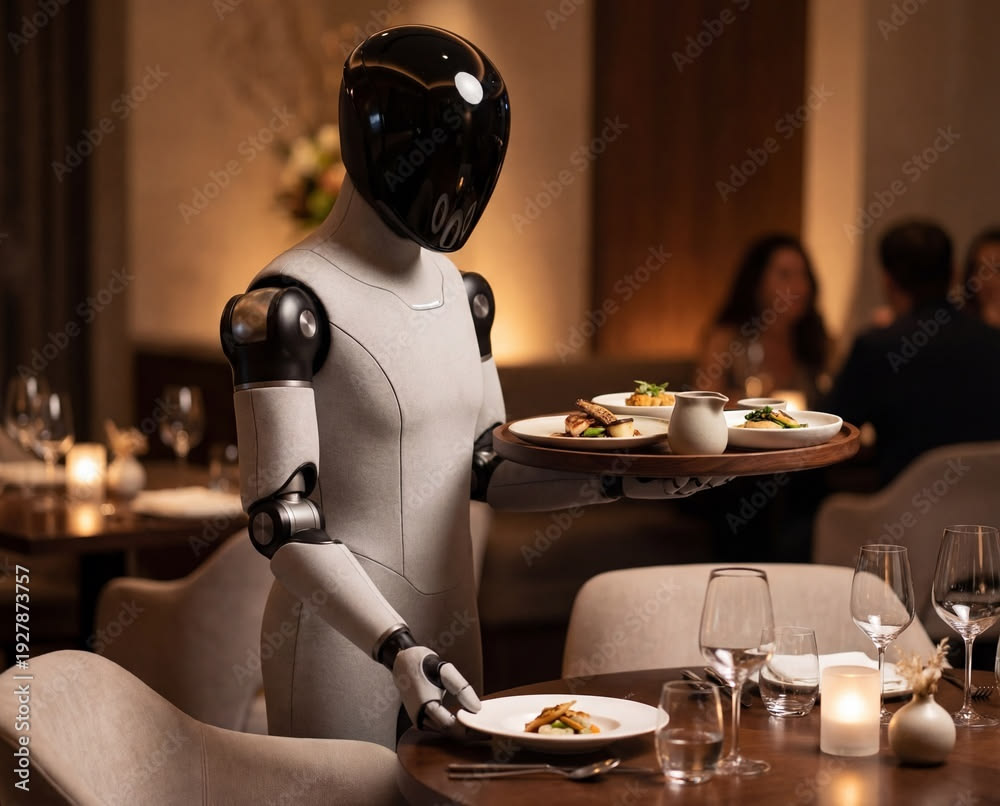
Hotels and Hospitality: The Digital Concierge
The hospitality industry is increasingly experimenting with humanoid robots as part of the guest experience.
Front Desk Assistance
Hotels are deploying robots to:
- Check in guests
- Provide room information
- Deliver items to rooms
These robots act as digital concierges, available 24/7 and capable of handling multiple languages.
Balancing Efficiency and Warmth
One of the biggest challenges in hospitality is maintaining a sense of warmth and personalization. While robots can improve efficiency, they must also deliver a positive emotional experience.
Designers are focusing on:
- Friendly appearances
- Natural speech patterns
- Expressive movements
to make interactions feel more human-like.
Public Reaction: Fascination, Curiosity, and Skepticism
The introduction of humanoid robots into public life has triggered a wide range of reactions.
The Novelty Effect
For many people, encountering a humanoid robot is still a novel experience. Crowds often gather to watch, interact, and take photos.
This curiosity helps drive acceptance, at least in the early stages.
Concerns and Discomfort
At the same time, some individuals feel uneasy around humanoid robots. Concerns include:
- Privacy (especially with facial recognition)
- Job displacement
- Over-reliance on machines
The so-called “uncanny valley” effect—where robots appear almost, but not quite, human—can also create discomfort.
The Technology Powering Public Interaction
Deploying robots in public spaces requires advanced technological capabilities.
Natural Language Processing
Modern humanoid robots can understand and respond to spoken language, enabling more intuitive interactions.
Computer Vision
Vision systems allow robots to:
- Recognize faces
- Detect objects
- Navigate environments
Edge Computing and Connectivity
To operate effectively, robots rely on a combination of onboard processing and cloud connectivity, enabling real-time responses and continuous learning.
Safety and Ethical Considerations
Public deployment raises important safety and ethical questions.
Physical Safety
Robots must operate safely in crowded environments, avoiding collisions and responding to unexpected situations.
Data Privacy
The use of cameras and sensors raises concerns about data collection and surveillance. Clear policies and transparency are essential.
Social Impact
As robots become more visible, their impact on social behavior and human interaction will need to be carefully monitored.
Government and Policy Responses
Governments are beginning to address the rise of humanoid robots in public spaces.
Regulation and Standards
New guidelines are being developed to ensure:
- Safe operation
- Data protection
- Ethical use
Smart City Integration
Some cities are incorporating humanoid robots into broader smart city initiatives, using them to enhance public services and infrastructure.
Business Opportunities and Market Growth
The public deployment of humanoid robots represents a significant business opportunity.
Service Robotics Market Expansion
The global service robotics market is expected to grow rapidly, driven by demand in:
- Retail
- Transportation
- Hospitality
Branding and Differentiation
For businesses, adopting humanoid robots can serve as a differentiator, signaling innovation and attracting customers.
The Road Ahead: From Novelty to Normality
While humanoid robots are still a novelty in public spaces, this is likely to change.
Increasing Familiarity
As people become more accustomed to interacting with robots, acceptance will grow.
Improved Technology
Advances in AI and hardware will make robots more capable, reliable, and affordable.
Wider Deployment
Over time, humanoid robots could become a common feature in cities around the world.
Conclusion: Redefining Public Interaction
The entry of humanoid robots into public life marks a turning point in human-technology interaction.
These machines are no longer hidden behind factory walls—they are becoming visible participants in everyday life. How society responds to this shift will shape the future of robotics, public spaces, and human relationships with machines.
The question is not just how robots will serve us—but how we will coexist with them in shared environments.