








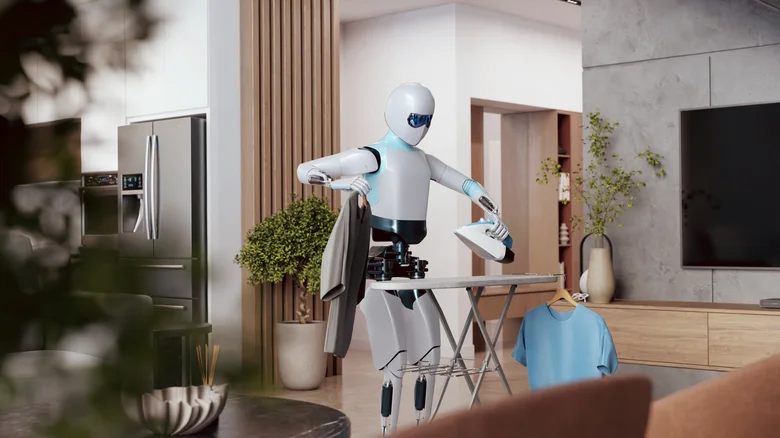

Introduction: التكنولوجيا Meets Humanity’s Oldest Questions
As humanoid robots move from laboratories into factories, workplaces, and public spaces, a new set of questions is emerging—questions that are not purely technical, but deeply philosophical, ethical, and societal.
What does it mean to create machines that look and act like humans?
Should these machines have rights?
And perhaps most urgently: what happens to human identity when machines begin to replicate human roles?
In 2026, these questions are no longer hypothetical. They are being debated in boardrooms, universities, governments, and living rooms around the world.
The Job Displacement Debate Intensifies
One of the most immediate concerns surrounding humanoid robots is their impact on employment.
Automation Enters Human Territory
Unlike traditional automation, which replaced repetitive industrial tasks, humanoid robots are now capable of performing roles that require:
- Physical adaptability
- Social interaction
- Decision-making
This expansion into “human territory” has intensified fears of widespread job displacement.
Companies like Tesla and Amazon are actively exploring humanoid robots for operational roles, signaling a potential shift in workforce structures.
Which Jobs Are at Risk?
Early analysis suggests that jobs most vulnerable include:
- Warehouse workers
- Retail assistants
- Hospitality staff
- Basic caregiving roles
However, the impact is not limited to low-skill jobs. As AI improves, more complex roles could also be affected.
A Shift, Not a Collapse?
Some economists argue that humanoid robots will not eliminate jobs entirely but transform them. New roles may emerge in:
- Robot maintenance
- AI supervision
- System design
The challenge lies in managing the transition.
Human-Robot Relationships: A New Social Dynamic
As humanoid robots become more present in daily life, humans are beginning to form relationships with them.
Emotional Attachment
Studies and early deployments show that people can develop emotional connections with robots—especially those designed with human-like features and behaviors.
Robots developed by SoftBank Robotics, for example, have demonstrated the ability to engage users emotionally, particularly in caregiving and educational settings.
The Illusion of Understanding
Despite these interactions, robots do not possess consciousness or genuine emotions. Their responses are generated through algorithms and data.
This raises ethical concerns about:
- Deception (do users believe robots “feel”?)
- Dependency (can people become overly reliant?)
- Manipulation (could companies exploit emotional bonds?)
Should Robots Have Rights?
Perhaps the most controversial question is whether humanoid robots should be granted any form of rights.
The Argument for Rights
Some philosophers argue that as robots become more advanced—capable of learning, adapting, and interacting—they may deserve certain protections.
This perspective is often linked to future scenarios where robots exhibit:
- Autonomy
- Self-learning capabilities
- Complex decision-making
The Argument Against Rights
Others strongly reject this idea, emphasizing that robots are tools created by humans. Granting rights to machines could:
- Dilute human rights
- Create legal confusion
- Shift accountability away from developers and owners
At present, most legal systems treat robots strictly as property.
Responsibility and Accountability
As humanoid robots become more autonomous, determining responsibility becomes increasingly complex.
When Things Go Wrong
If a humanoid robot causes harm—whether physical or financial—who is responsible?
Possible parties include:
- The manufacturer
- The software developer
- The operator
- The owner
This issue is particularly important in sectors like healthcare and transportation.
The Need for Legal Frameworks
Governments are beginning to explore regulatory frameworks, but progress is slow. Clear guidelines will be essential as deployment increases.
Identity Crisis: What Makes Us Human?
Beyond economics and law, humanoid robots are forcing society to confront deeper philosophical questions.
Blurring the Line
As robots become more human-like in appearance and behavior, the distinction between human and machine becomes less clear.
This raises questions such as:
- Is intelligence enough to define humanity?
- Does consciousness matter?
- How important is biological origin?
Cultural and Psychological Impact
Different cultures may respond differently to humanoid robots. In some societies, robots are more easily accepted, while in others, skepticism remains strong.
The psychological impact of interacting with human-like machines is still not fully understood.
Bias, Ethics, and AI Decision-Making
Humanoid robots rely on AI systems that are trained on data—and that data can contain biases.
The Risk of Embedded Bias
If not carefully managed, robots could:
- Exhibit discriminatory behavior
- Reinforce social inequalities
- Make unfair decisions
This is particularly concerning in roles involving:
- Customer interaction
- Security
- Healthcare
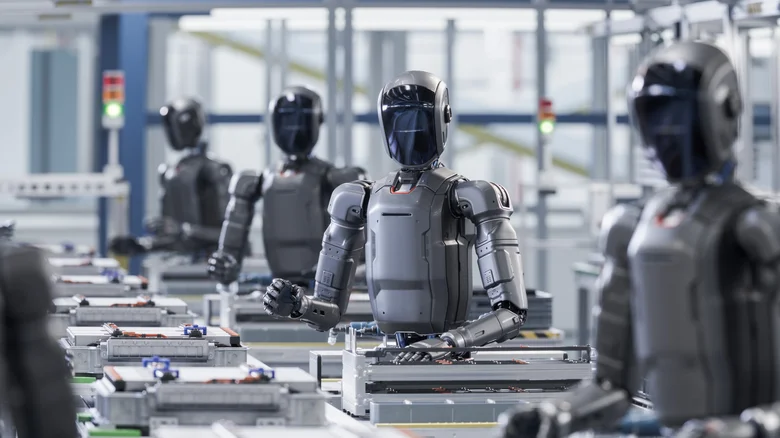
Ethical AI Development
Companies and researchers are increasingly focusing on ethical AI principles, including:
- Transparency
- Fairness
- Accountability
Ensuring that humanoid robots behave ethically will be critical to their acceptance.
Privacy in a Robot-Driven World
Humanoid robots often rely on cameras, microphones, and sensors to function effectively.
Data Collection Concerns
In public and private spaces, robots may collect:
- Visual data
- Audio recordings
- Behavioral information
This raises significant privacy concerns, particularly if data is stored or shared.
Building Trust
To address these concerns, companies must prioritize:
- Data protection
- User consent
- Transparency
Without trust, widespread adoption will be difficult.
The Role of Governments and Global Institutions
The ethical challenges posed by humanoid robots are too complex for individual companies to handle alone.
Policy Development
Governments are beginning to develop policies addressing:
- Safety standards
- Data privacy
- Labor impact
International Cooperation
Given the global nature of technology, international cooperation will be necessary to establish consistent standards and prevent regulatory gaps.
Organizations like European Union are already taking steps toward regulating AI and robotics.
Public Opinion: Divided and Evolving
Public attitudes toward humanoid robots are mixed.
Optimism
Some view robots as a solution to major challenges, including:
- Labor shortages
- Aging populations
- Economic efficiency
Skepticism
Others worry about:
- Job loss
- Loss of human connection
- Ethical misuse
Public opinion will play a crucial role in shaping the future of humanoid robotics.
Looking Ahead: Navigating the Ethical Frontier
The ethical questions surrounding humanoid robots will only become more complex as technology advances.
Proactive vs. Reactive Approaches
Society faces a choice:
- Proactively address ethical issues now
- React to problems after they arise
History suggests that proactive approaches lead to better outcomes.
The Importance of Dialogue
Open discussions involving:
- Technologists
- Policymakers
- Ethicists
- The public
will be essential in navigating this new frontier.
Conclusion: A Mirror to Humanity
Humanoid robots are more than technological achievements—they are mirrors reflecting humanity’s values, fears, and aspirations.
As we create machines in our own image, we are forced to confront fundamental questions about who we are and what we stand for.
The ethical dilemmas of humanoid robots are not just about machines—they are about the future of human society itself.