








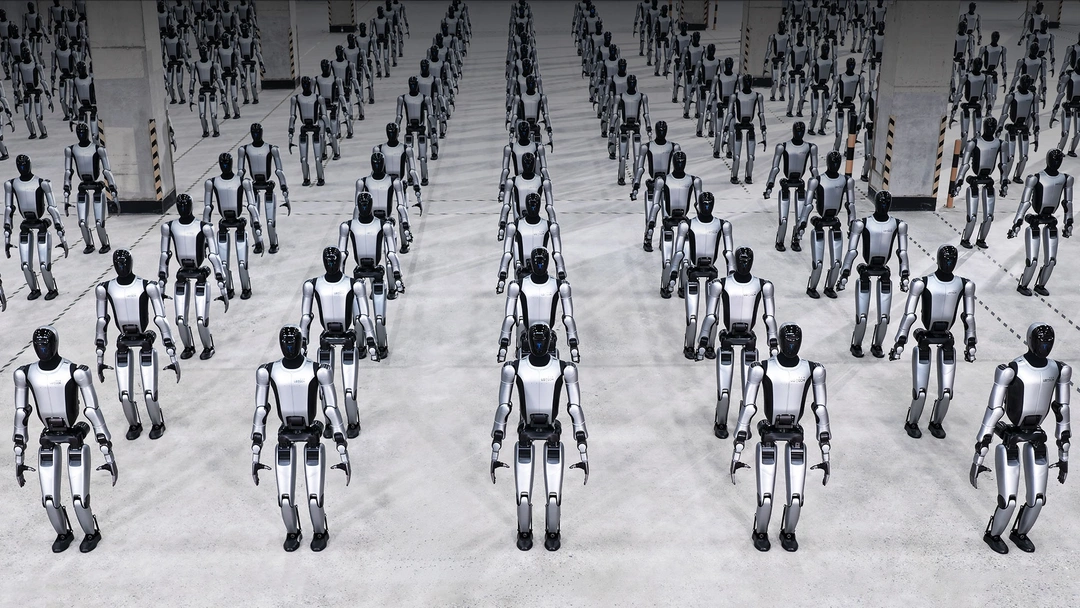

Introduction: A Healthcare System Under Pressure
Healthcare systems around the world are facing unprecedented challenges. Aging populations, workforce shortages, rising costs, and increasing demand for care are putting immense strain on hospitals, clinics, and long-term care facilities.
In response, a new technological solution is emerging: humanoid robots.
Unlike traditional medical devices or automation systems, humanoid robots are designed to operate in human-centered environments. They can move through hospital corridors, interact with patients, assist medical staff, and perform a wide range of tasks that require both physical presence and cognitive flexibility.
In 2026, humanoid robots are no longer experimental concepts—they are beginning to reshape how healthcare is delivered.
Why Healthcare Needs Humanoid Robots
The Global Nursing Shortage
One of the most critical issues in healthcare is the shortage of nurses and caregivers. Many countries are experiencing:
- Aging populations
- Increased chronic illness
- Burnout among healthcare workers
This has created a gap between demand and available human resources.
Humanoid robots are being explored as a way to fill this gap—not by replacing healthcare professionals, but by supporting them.
The Complexity of Care Environments
Hospitals are dynamic and unpredictable environments. Tasks range from:
- Delivering medications
- Assisting patient mobility
- Monitoring vital signs
- Communicating with families
Traditional robots struggle in such settings due to their lack of flexibility. Humanoid robots, with their human-like form and AI capabilities, are better suited to adapt.
Core Applications in Hospitals
Patient Assistance and Mobility Support
One of the most immediate uses of humanoid robots is assisting patients with mobility.
These robots can help:
- Lift patients from beds
- Support walking and rehabilitation
- Prevent falls
This reduces physical strain on nurses and improves patient safety.
Medication Delivery and Logistics
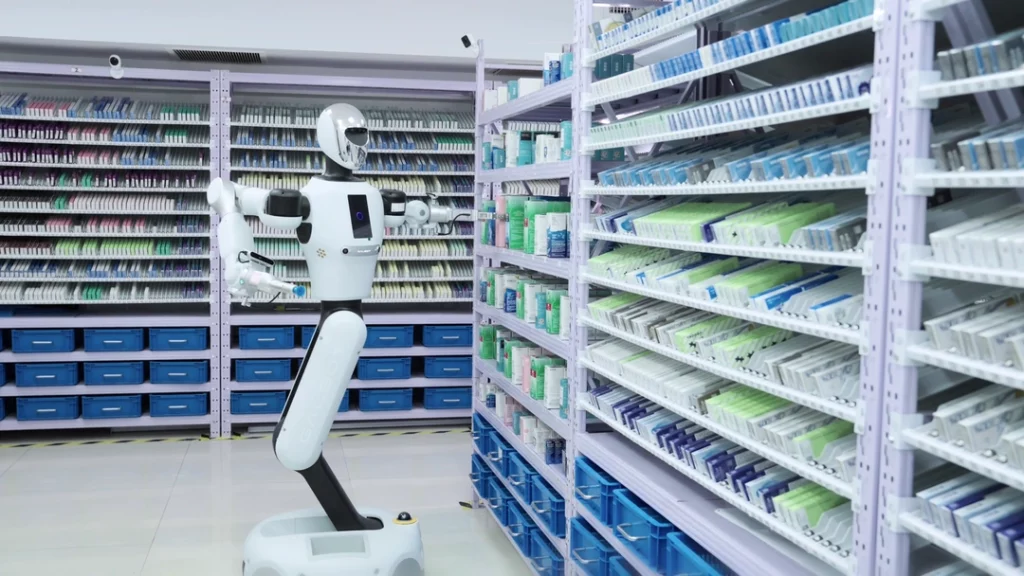
Hospitals require constant movement of supplies. Humanoid robots can:
- Deliver medications
- Transport medical equipment
- Handle routine logistics
This allows healthcare staff to focus on more critical tasks.
Monitoring and Data Collection
Equipped with sensors and AI, humanoid robots can monitor patients by:
- Checking vital signs
- Observing behavioral changes
- Alerting staff in emergencies
This enables more continuous and proactive care.
Elderly Care: A Growing Frontier
One of the most promising applications is in elderly care.
Supporting Aging Populations
Countries with rapidly aging populations—such as Japan and parts of Europe—are turning to robotics to address caregiving shortages.
Humanoid robots can assist elderly individuals with:
- Daily routines
- Medication reminders
- Companionship
Companies like SoftBank Robotics have already introduced socially interactive robots that are being used in care environments.
Emotional and Social Support
Loneliness is a major issue among the elderly. Humanoid robots can provide:
- Conversation
- Entertainment
- Cognitive engagement
While not a replacement for human interaction, they can significantly improve quality of life.
Surgical Assistance: Precision Meets Intelligence
Although humanoid robots are not replacing surgeons, they are beginning to play supporting roles in surgical environments.
Pre- and Post-Operative Support
Robots can assist with:
- Preparing surgical tools
- Monitoring patients after surgery
- Managing recovery protocols
AI-Driven Insights
By analyzing data, robots can help identify:
- Complications
- Recovery patterns
- Risk factors
This enhances decision-making for medical professionals.
Technology Behind Healthcare Robots
Advanced Sensors
Humanoid robots use sensors to:
- Detect movement
- Measure vital signs
- Navigate safely
Artificial Intelligence
AI enables robots to:
- Understand speech
- Recognize faces
- Adapt to patient needs
Human-Robot Interaction
Natural interaction is essential in healthcare. Robots must communicate clearly and empathetically.
Benefits for Healthcare Systems
Increased Efficiency
By handling routine tasks, robots allow medical staff to focus on complex care.
Reduced Costs
Over time, robots could reduce operational costs by improving efficiency and reducing errors.
Improved Patient Outcomes
Continuous monitoring and support can lead to better health outcomes.
Challenges and Limitations
Trust and Acceptance
Patients may be hesitant to interact with robots, especially in sensitive situations.
Ethical Concerns
Issues include:
- Privacy
- Data security
- Emotional dependency
Technical Limitations
Current robots still face challenges in:
- Dexterity
- Reliability
- Complex decision-making
Case Studies and Early Deployments
Hospitals around the world are experimenting with humanoid robots.
- In Japan, robots assist elderly patients in care facilities
- In Europe, pilot programs focus on hospital logistics
- In the U.S., research centers are testing AI-driven patient monitoring
These early deployments provide valuable insights into real-world performance.
The Future of Healthcare Robotics
Integration with Telemedicine
Robots could act as physical extensions of remote doctors, enabling:
- Virtual consultations
- Remote diagnostics
Personalized Care
AI-driven robots could tailor care to individual patients.
Home Healthcare
In the future, humanoid robots may become common in private homes, supporting independent living.
Conclusion: A New Partner in Care
Humanoid robots are not here to replace doctors or nurses—they are here to support them.
By taking on repetitive, physically demanding, and time-consuming tasks, these robots can help create a more efficient, responsive, and humane healthcare system.
The journey is just beginning, but the potential is enormous. As technology continues to evolve, humanoid robots may become indispensable partners in the delivery of care.
Discussion about this post