








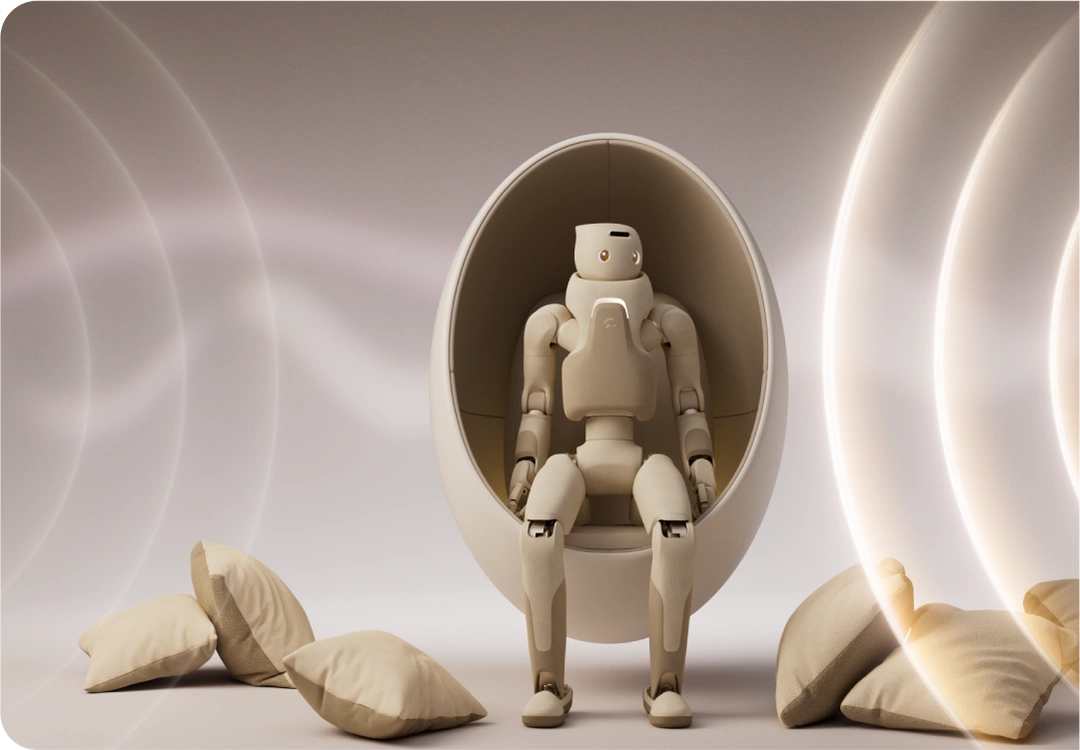

Introduction: The Frontline of Human-Robot Interaction
As humanoid robots move beyond factories and industrial environments, the retail and service industries are emerging as one of the most dynamic and visible frontiers for their deployment.
In 2026, shopping malls, supermarkets, hotels, and restaurants are increasingly experimenting with humanoid robots—not just as tools for efficiency, but as interactive agents that directly engage with customers.
This marks a significant shift. For the first time, humanoid robots are becoming part of everyday consumer experiences, shaping how businesses operate and how customers perceive service.
Why Retail and Service Industries Are Embracing Robots
Rising Labor Costs and Workforce Challenges
Retail and service industries have long relied on large numbers of frontline workers. However, businesses are facing:
- Rising labor costs
- High employee turnover
- Difficulty staffing low-wage positions
Humanoid robots provide a potential solution by offering consistent, scalable labor.
The Experience Economy
Modern consumers expect more than just products—they want experiences.
Businesses are turning to humanoid robots to:
- Create memorable interactions
- Attract foot traffic
- Differentiate from competitors
In many cases, robots are not just workers—they are part of the brand experience.
Applications in Retail Environments
Customer Assistance and Guidance
Humanoid robots are being deployed in shopping malls and stores to assist customers by:
- Providing directions
- Answering questions
- Recommending products
Companies like UBTECH Robotics are developing retail-focused humanoid robots equipped with AI-driven interaction systems.
Personalized Shopping Experiences
Using AI and data analysis, robots can:
- Suggest products based on preferences
- Offer promotions
- Guide customers through stores
This level of personalization enhances customer satisfaction.
Inventory Management
Beyond customer interaction, robots can assist with backend operations:
- Checking stock levels
- Scanning shelves
- Identifying missing items
This improves efficiency and reduces errors.
Restaurants and Hospitality
Automated Service Roles
In restaurants, humanoid robots are being tested for roles such as:
- Greeting customers
- Taking orders
- Delivering food
These robots help reduce wait times and improve operational efficiency.
Hotels and Guest Services
Hotels are adopting humanoid robots for:
- Check-in and check-out
- Concierge services
- Room deliveries
Robots developed by SoftBank Robotics have already demonstrated the potential for interactive service roles.
Enhancing Customer Engagement
Entertainment and Marketing
Humanoid robots often serve as attractions themselves.
They can:
- Perform demonstrations
- Interact with children
- Promote products
This creates a unique and engaging environment that draws customers in.
Building Brand Identity
Companies using robots position themselves as innovative and forward-thinking.
This can strengthen brand perception and customer loyalty.
Technology Enabling Service Robots
Natural Language Processing
Robots can understand and respond to spoken language, enabling smooth communication.
Computer Vision
Vision systems allow robots to:
- Recognize faces
- Detect gestures
- Navigate crowded environments
AI Personalization
By analyzing customer data, robots can tailor interactions in real time.
Benefits for Businesses
Operational Efficiency
Robots can handle repetitive tasks, freeing up human staff for higher-value activities.
Cost Savings
Over time, robots can reduce labor costs and improve consistency.
Data Collection
Robots can gather valuable data on customer behavior, helping businesses optimize operations.
Challenges in Real-World Deployment
Customer Acceptance
Not all customers are comfortable interacting with robots.
Some may prefer human service, especially in high-touch environments.
Technical Limitations
Robots still face challenges in:
- Understanding complex requests
- Handling unpredictable situations
- Maintaining reliability
High Initial Investment
The cost of humanoid robots remains a barrier for many businesses.
Human vs. Robot: Finding the Balance
Augmentation, Not Replacement
Most businesses are using robots to complement human workers rather than replace them.
Humans remain essential for:
- Emotional connection
- Complex problem-solving
- Personalized service
Hybrid Service Models
The future of retail and hospitality will likely involve a mix of human and robotic workers.
Case Studies and Global Trends
Asia Leads Adoption
Countries in Asia are leading the adoption of service robots, driven by:
- Technological innovation
- Cultural openness to robotics
- Labor shortages
Western Markets Catching Up
In the U.S. and Europe, adoption is growing, particularly in:
- Large retail chains
- Airports
- Hotels
The Future of Retail Robotics
Smarter Interactions
Future robots will better understand context and emotions.
Lower Costs
As technology advances, robots will become more affordable.
Wider Adoption
Humanoid robots could become a common feature in retail environments worldwide.
Conclusion: A New Era of Customer Experience
Humanoid robots are transforming the retail and service industries by introducing a new dimension of interaction and efficiency.
While challenges remain, their potential to enhance customer experiences, improve operations, and redefine service models is undeniable.
As businesses continue to experiment and innovate, humanoid robots are set to become a key part of the future of commerce.
Discussion about this post