









Introduction: A New Era of Healthcare Transformation
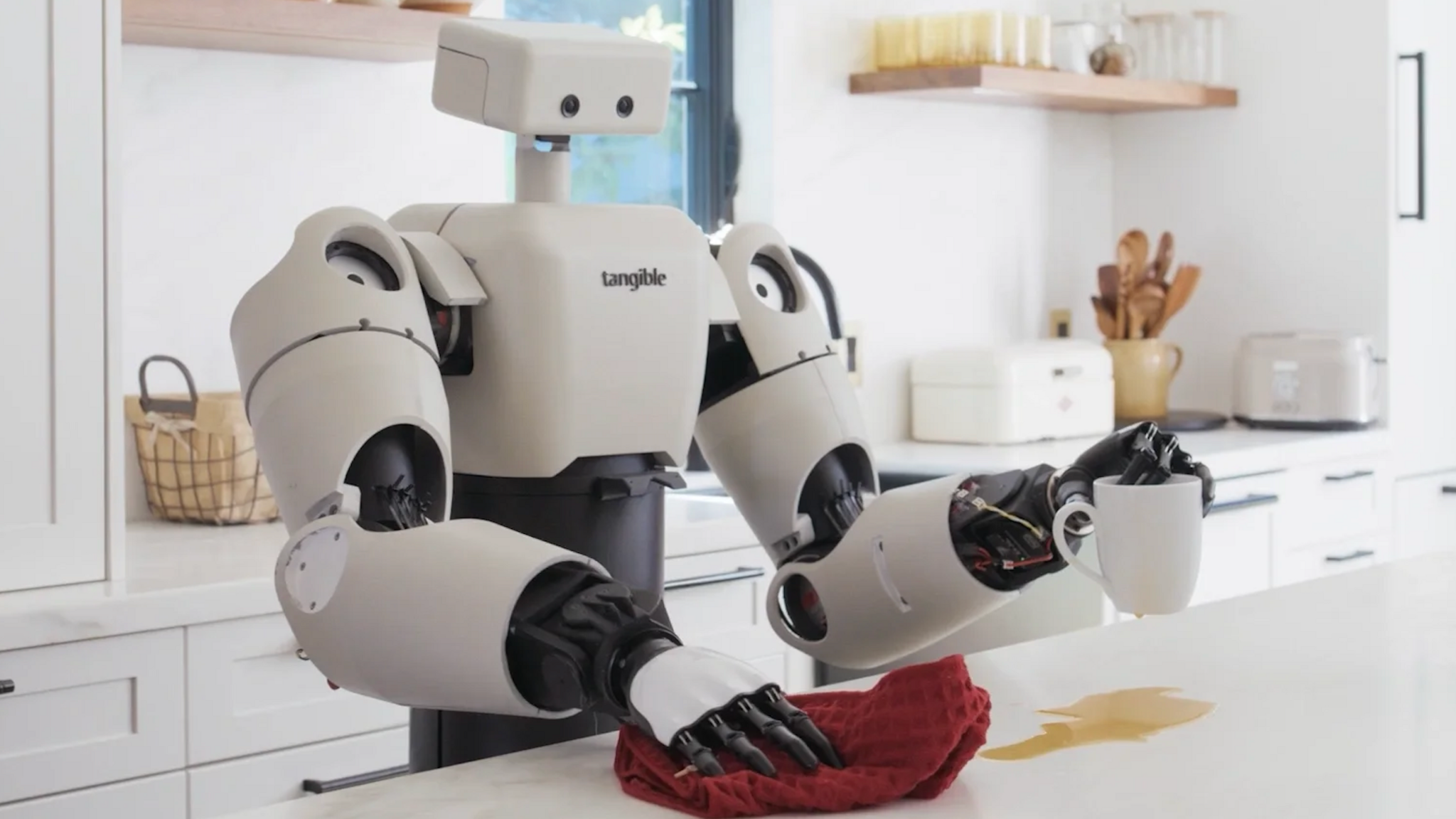
The global healthcare industry is undergoing a profound transformation driven by technological innovation, demographic shifts, and increasing demand for high-quality, accessible medical services. Among the most promising advancements is the rise of humanoid robots—machines designed to resemble and interact with humans in both physical form and behavior. Unlike traditional medical devices or industrial robots, humanoid robots are uniquely positioned to operate within human-centric environments such as hospitals, clinics, rehabilitation centers, and even private homes.
Their human-like structure allows them to navigate spaces designed for people, use tools built for human hands, and communicate naturally with patients and healthcare professionals. This combination of physical adaptability and social intelligence makes humanoid robots particularly valuable in healthcare settings, where empathy, communication, and precision are equally important.
This article explores the diverse applications of humanoid robots in healthcare, examining their roles in patient care, surgical assistance, elderly support, rehabilitation, mental health, and hospital operations. It also analyzes the benefits, challenges, and future potential of integrating these advanced machines into one of the most critical sectors of society.
1. Humanoid Robots as Patient Care Assistants
One of the most immediate and impactful applications of humanoid robots in healthcare is in direct patient care. Hospitals worldwide are facing staffing shortages, increasing patient loads, and rising expectations for personalized care. Humanoid robots can help alleviate these pressures by performing routine and time-consuming tasks.
1.1 Daily Assistance Tasks
Humanoid robots can assist patients with everyday needs, such as:
- Delivering meals and medications
- Helping patients move or reposition themselves
- Monitoring vital signs
- Providing reminders for treatment schedules
Because of their human-like arms and mobility, these robots can perform tasks in ways that are more intuitive and less disruptive than traditional machines.
1.2 Enhancing Patient Experience
Beyond physical assistance, humanoid robots can improve the emotional experience of patients. They can:
- Engage in conversation
- Provide companionship
- Offer entertainment such as music or storytelling
This is particularly beneficial for patients who spend long periods in isolation, such as those in intensive care or quarantine situations.
2. Surgical Assistance and Precision Medicine
Humanoid robots are also making significant contributions in surgical environments, where precision, stability, and consistency are critical.
2.1 Assisting Surgeons
While fully autonomous robotic surgery is still evolving, humanoid robots can assist surgeons by:
- Holding instruments steadily for long periods
- Providing real-time data visualization
- Responding to voice commands
This reduces fatigue among surgeons and enhances procedural accuracy.
2.2 Toward Autonomous Surgery
Advances in artificial intelligence and machine learning are enabling humanoid robots to perform certain surgical tasks with minimal human intervention. These include:
- Suturing
- Tissue manipulation
- Minimally invasive procedures
Although full autonomy raises ethical and regulatory concerns, the potential for improved outcomes and reduced human error is substantial.
3. Elderly Care and Assisted Living
As global populations age, the demand for elderly care services is increasing rapidly. Humanoid robots offer a scalable solution to support aging individuals while maintaining their independence.
3.1 Companion Robots for the Elderly
Loneliness and social isolation are major issues among the elderly. Humanoid robots can serve as companions by:
- Engaging in daily conversations
- Reminding users to take medication
- Encouraging physical activity
Their ability to recognize faces, voices, and emotions allows them to build personalized interactions over time.
3.2 Physical Assistance
Humanoid robots can also assist with:
- Walking support
- Lifting objects
- Detecting falls and alerting caregivers
These capabilities significantly reduce the risk of accidents and improve overall quality of life.
4. Rehabilitation and Physical Therapy
Rehabilitation is a long and often challenging process that requires consistent effort and guidance. Humanoid robots are increasingly being used to enhance rehabilitation programs.
4.1 Personalized Therapy Sessions
Robots can guide patients through exercises by:
- Demonstrating movements
- Monitoring performance using sensors
- Providing real-time feedback
This ensures that exercises are performed correctly and consistently.
4.2 Motivation and Engagement
Patients often struggle with motivation during rehabilitation. Humanoid robots can:
- Set goals and track progress
- Offer encouragement and rewards
- Adapt difficulty levels based on performance
This interactive approach improves patient adherence and outcomes.
5. Mental Health Support and Therapy
Mental health is another area where humanoid robots are showing great promise.
5.1 Therapeutic Interaction
Humanoid robots can be used in therapy sessions to:
- Conduct structured conversations
- Help patients express emotions
- Provide cognitive behavioral therapy exercises
Their non-judgmental nature makes them particularly effective for individuals who may feel uncomfortable talking to human therapists.
5.2 Autism and Special Needs Support
Robots are especially effective in working with children on the autism spectrum. They can:
- Teach social skills
- Encourage eye contact
- Provide predictable and consistent interactions
These features make humanoid robots valuable tools in specialized education and therapy programs.
6. Hospital Operations and Logistics
Beyond patient-facing roles, humanoid robots can streamline hospital operations.
6.1 Administrative Support
Robots can assist with:
- Patient check-ins
- Appointment scheduling
- Information desk services
Their ability to communicate in multiple languages also improves accessibility.
6.2 Logistics and Supply Chain
Humanoid robots can transport:
- Medical supplies
- Laboratory samples
- Equipment
This reduces the workload on hospital staff and ensures timely delivery of critical resources.
7. Benefits of Humanoid Robots in Healthcare
The integration of humanoid robots offers numerous advantages:
7.1 Increased Efficiency
Robots can work continuously without fatigue, improving productivity and reducing delays.
7.2 Reduced Human Error
Advanced sensors and AI algorithms enhance accuracy in tasks such as medication delivery and surgical assistance.
7.3 Enhanced Patient Satisfaction
Personalized interaction and consistent care improve patient experiences.
7.4 Cost Optimization
While initial investment is high, long-term operational costs can be reduced through automation.
8. Challenges and Ethical Considerations
Despite their potential, humanoid robots also present significant challenges.
8.1 Ethical Concerns
- Should robots replace human caregivers?
- How do we ensure patient dignity and privacy?
8.2 Technical Limitations
- Limited adaptability in complex situations
- High development and maintenance costs
8.3 Acceptance and Trust
Patients and healthcare professionals may be hesitant to rely on robots, especially in critical situations.
9. Future Outlook: Toward Human-Robot Collaboration
The future of humanoid robots in healthcare lies not in replacing humans but in collaboration. By combining human empathy with robotic precision, healthcare systems can achieve unprecedented levels of efficiency and quality.
Emerging technologies such as:
- Advanced AI
- 5G connectivity
- Cloud computing
will further enhance the capabilities of humanoid robots, making them more intelligent, responsive, and accessible.
Conclusion
Humanoid robots are no longer a futuristic concept—they are becoming an integral part of modern healthcare systems. From patient care and surgery to rehabilitation and mental health support, their applications are vast and continually expanding.
While challenges remain, the potential benefits far outweigh the limitations. As technology continues to evolve, humanoid robots will play a crucial role in shaping a more efficient, compassionate, and inclusive healthcare system.
Discussion about this post