








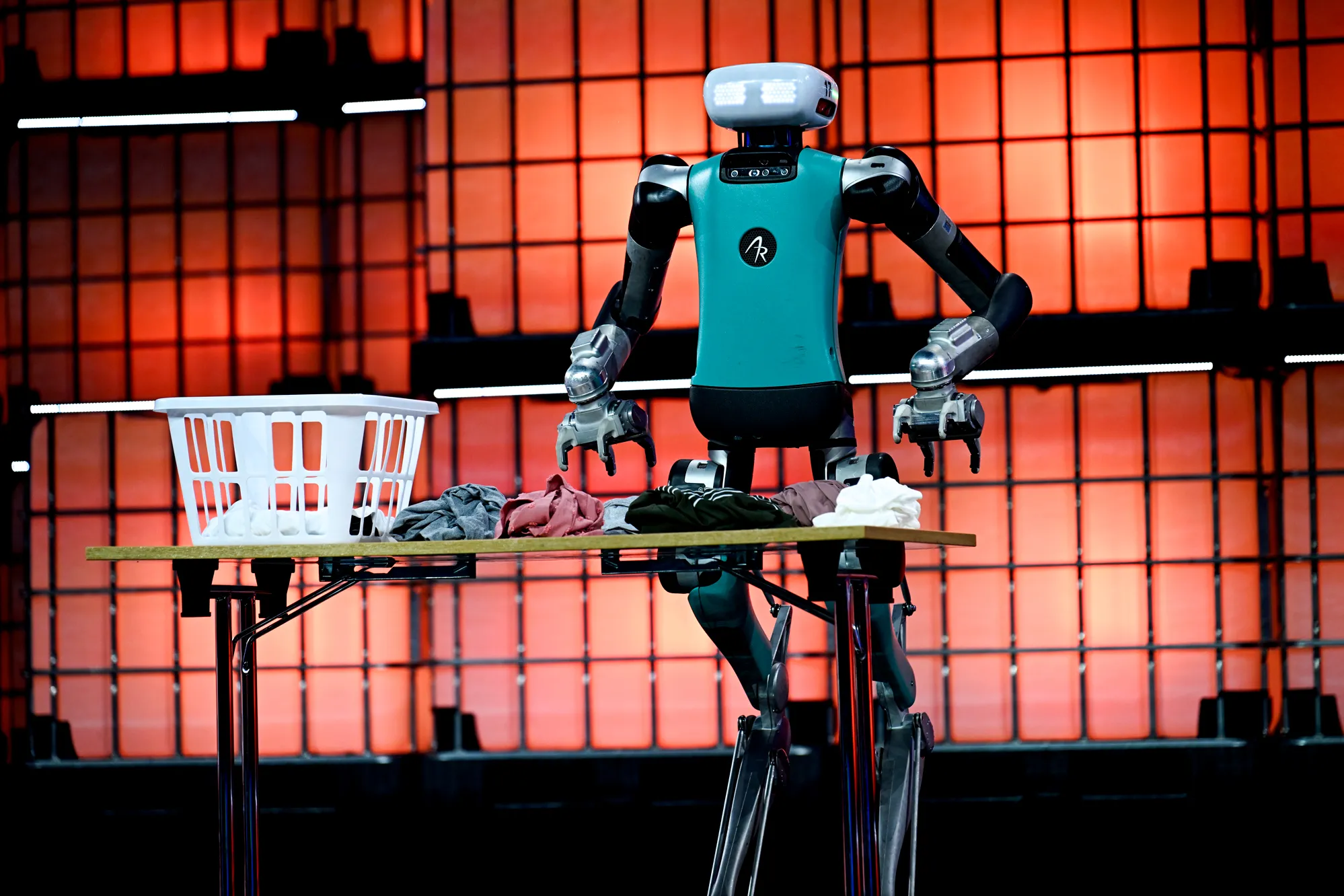

In the evolving story of industrial transformation, humanoid robots are no longer science fiction. They are stepping — quite literally — onto factory floors, poised to reshape how we think about automation and the future of work. Today’s factories are becoming smarter, more adaptable, and ready for a new kind of workforce: one built not of flesh and blood, but of steel, silicon, and artificial intelligence.
From Fixed Duties to Flexible Workforce
Traditional industrial robots have long dominated manufacturing. These were fixed‑function machines: mechanical arms bolted to the floor, repeating the same motion thousands of times per shift. They excel at consistency and strength, but they were never designed for flexibility. Changing the layout or introducing a new product line meant expensive retooling, new programming, or even downtime.
Enter humanoid robots.
Unlike traditional robots, humanoid robots are designed to operate in environments made for humans. They walk on two legs, use articulated arms and hands, and — most importantly — can perform varied tasks without extensive infrastructure changes. Through sensor systems, cameras, and advanced AI, they can perceive their surroundings, pick up new tools, and even understand verbal instructions with increasing sophistication.
This adaptability is what makes humanoid robots particularly exciting for the concept of flexible job rotation on factory floors.
The Promise of Flexible Job Rotation
Flexible job rotation refers to the ability of a worker — or robot — to switch between multiple tasks within a production environment. In a traditional setting, this flexibility is costly. Workers must be retrained, workflows redesigned, and automation reprogrammed. Humanoid robots, by contrast, can be reassigned dynamically — from quality inspection to machine tending, from packing to assembly — without physical reconfiguration of the workplace.
This is game‑changing for several reasons:
1. Adaptability to Product Variation
Factories today often handle multiple product variants. A humanoid robot can perform one job in the morning and a different one in the afternoon just by taking new instructions. This reduces the time and cost associated with switching production modes.
2. Scalability in Labor Demand
Seasonal demand, sudden order spikes, or supply chain disruptions require nimble labor resources. Humanoid robots don’t fatigue, demand overtime pay, or need lunch breaks — and they can adapt to new tasks quickly.

3. Skill Bottleneck Relief
Skilled workers are often the bottleneck in flexible manufacturing systems. A humanoid robot equipped with AI and machine learning can absorb new task patterns and execute them at scale, alleviating the pressure on human teams.
Humanoid Robots in Real Factory Environments
Industrial visionaries are already experimenting with humanoid robots on real assembly lines.
In China, humanoid robot systems have been deployed in automotive production centers where machines assist with logistics and repetitive operations. These robots walk alongside human colleagues and take on a variety of tasks depending on workflow needs.
Major companies worldwide — from automotive giants to electronics manufacturers — are investing in this technology with the hope that humanoid robots can not only perform individual tasks but move across different stations with minimal downtime.
What Makes Humanoid Robots Suitable for Job Rotation?
Several key technological advances are driving this shift:
AI and Perception
Humanoid robots now incorporate machine learning models that let them understand environments in real time. They recognize objects, navigate around obstacles, and adjust grip strength or posture based on task requirements.
Multi‑Axis Motion and Dexterity
Human‑like limbs and joint configurations allow these robots to reach into tight spaces, use hand tools designed for human hands, and mimic many of the movements required in a typical production job.
Modular Control Systems
State‑of‑the‑art robots use modular AI systems that can switch between specialized behaviors — like inspection, carrying, or screwing — without a complete software overhaul each time.
Collaborative Capability
Unlike traditional industrial robots, which must be fenced off for safety, many humanoid designs are built for safe collaboration with people. This opens pathways to shared workspaces where robots and humans rotate tasks collaboratively.
Economic and Operational Benefits
Addressing Labor Shortages
Many advanced economies face chronic labor shortages. Aging populations and changing workforce aspirations make repetitive factory work less attractive to humans. Humanoid robots could fill this gap by performing a range of tasks without relocation or hardware changes.

Reducing Downtime
When one robot finishes a job, it can move to another task without stopping production. In contrast, traditional automation often waits for human intervention or a full reprogramming cycle to adapt.
Boosting Productivity and Quality
Humanoid robots work with unflagging precision. Not only can they rotate between tasks, but they also maintain high quality and reliability, minimizing errors and waste.
Challenges to Widespread Adoption
Humanoid robots still face several hurdles before they become commonplace:
Technical Complexity
The engineering challenge of creating a bipedal robot with human‑level dexterity and balance is immense. These machines consume significant power, require advanced AI, and are still less reliable than specialized robotic systems in specific tasks.
Cost Barriers
Humanoid robots are significantly more expensive than traditional automation solutions. Depending on the application, the cost of a robot plus its AI stack can outweigh the benefits unless deployed at scale.
Integration with Existing Systems
Factories have a dizzying variety of equipment, standards, and safety systems. Integrating humanoid robots seamlessly into these environments without interruptions remains a complex engineering and IT challenge.
Ethical and Workforce Concerns
As robots take on more roles, concerns about job displacement, worker retraining, and socioeconomic effects need careful consideration. This is not purely technical but a strategic societal challenge.
A Future of Hybrid Workforces
Humanoid robots are unlikely to replace human workers entirely — but they will redefine work. Future factory floors may feature hybrid teams: humans and robots, each doing what they do best.
Humans bring creativity, judgment, and context awareness. Robots bring endurance, adaptability, and precision. Together, they could unlock unprecedented productivity and flexibility, especially in environments where task demands shift rapidly from one job to another.
Are Humanoid Robots the Key to Flexible Job Rotation?
The short answer: yes — but with caveats.
Humanoid robots offer a unique combination of adaptability, perception, and multi‑task capability that traditional automation cannot match. Their ability to operate within human‑designed spaces and flex between different jobs makes them ideal for flexible job rotation — but only if technical, cost, and integration challenges are managed effectively.
The factories of the future will be flexible, smart, and dynamic — and humanoid robots are likely to play a central role in that transition. Whether they become the key or one of many solutions will depend on continued innovation, collaborative human‑machine design, and thoughtful industrial strategy.