








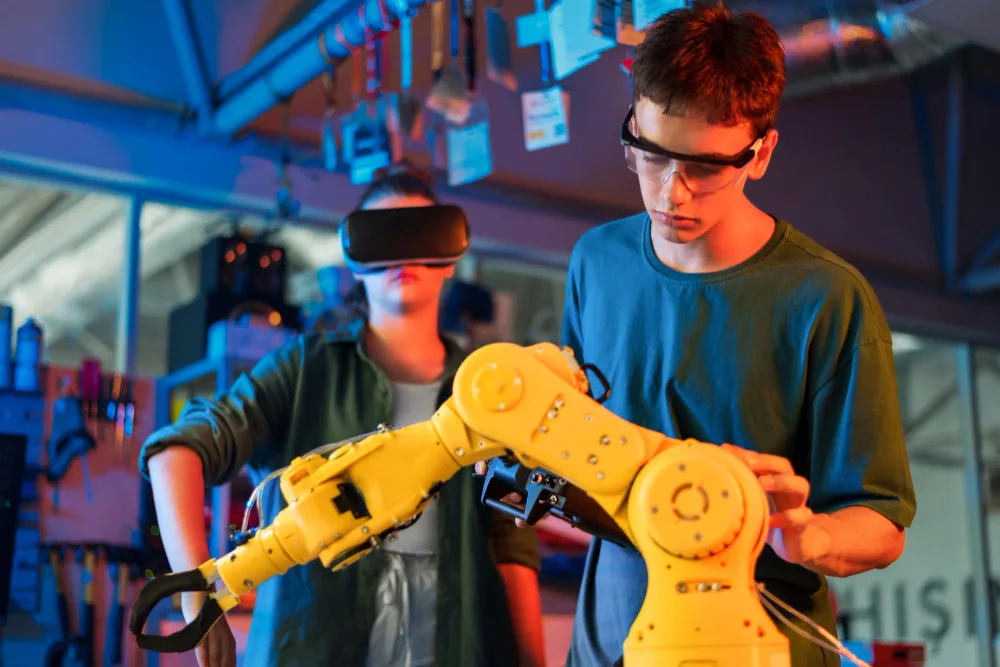

Humanity thrives on big questions: What comes next? How do we reshape work? Can machines become physical partners rather than just digital assistants? Today, the era of humanoid robots—machines designed to look and act in ways reminiscent of humans—is rapidly transitioning from a sci‑fi dream to a cornerstone of global technology strategy. This transformation isn’t just about engineering marvels; it’s about geopolitics, economics, societal change, industrial innovation, ethics, and redefining the future of labor and human‑machine collaboration.
In this comprehensive exploration, we’ll unpack the multifaceted rise of humanoid robots: where they came from, why they matter now, how global powers are integrating them into strategic roadmaps, the challenges and opportunities they present, and what this means for societies everywhere.
1. From Laboratory Curiosity to Strategic Priority
Humanoid robots have captivated engineers and futurists for decades. Early prototypes—awkward, slow, and expensive—were limited to research labs and niche demonstrations. However, within just a few years, breakthroughs in artificial intelligence (AI), sensors, control systems, and material science have reshaped expectations. Humanoids aren’t just research projects anymore; they are increasingly seen as strategic assets that could influence national competitiveness and economic leadership in the decades ahead.
Recent industry analysis shows that the humanoid robotics market is accelerating past prototype stages into real commercial deployment, with production scale‑ups, dramatic cost reductions, and expanding applications across sectors.
The strategic shift is visible around the world:
- United States: Robotics innovators and government agencies are exploring humanoid systems for industrial automation, advanced manufacturing, and defense‑adjacent tasks. Conferences like the annual Humanoids Summit bring together leaders in robotics research and investment to shape long‑term visions for the technology.
- China: Beijing has invested billions in AI‑powered humanoids to address demographic shifts—such as an aging population and labor shortages—while forging a competitive edge in next‑generation technology. Subsidies, funding programs, and state procurement incentives are all part of this ambitious strategy.
- South Korea: Academic and industrial alliances (e.g., the K‑Humanoid Alliance) aim to develop advanced humanoid systems by 2030, establishing national competencies in both hardware and AI “brains” that power robots.
These developments reveal a broader story: nations are no longer placing humanoid robotics on the back burner. Instead, they are weaving them into long‑term tech and industrial strategies that extend far beyond curious experiments.
2. What Makes Humanoid Robots Strategically Significant?
What exactly elevates humanoid robots from another gadget to a strategic priority? The answer lies in a confluence of technological trends and real‑world pressures:
2.1 Integration of AI and Physical Embodiment
Humanoid robots represent a powerful fusion of embodied intelligence—the combination of AI cognition with physical movement and perception. Unlike purely software AI, humanoids interact with the physical world: walking, grasping, sensing, and performing tasks in environments designed for humans. This makes them unique among automation technologies.
Advances in dynamic perception, language‑based action models, and adaptable control systems mean robots can now interpret environments and execute complex behaviors with minimal supervision.
2.2 Labor Gaps and Economic Pressures
Many economies face demographic challenges: aging workforces, shrinking pools of skilled labor, and rising labor costs. Humanoid robots could fill these gaps in sectors where automation has struggled—such as warehousing, logistics, retail, healthcare support, and customer service.
For instance, reports suggest that humanoids are stepping out of labs into spaces like fulfillment centers and manufacturing floors to undertake tasks humans find repetitive, undesirable, or physically demanding.
2.3 Industrial and Economic Strategy
Automating human‑centric tasks with humanoid robots doesn’t just improve productivity; it alters the fabric of industrial strategy:
- Firms in automotive, logistics, and consumer services are piloting humanoids to streamline operations.
- Countries view leadership in robotics as an economic differentiator that can unlock high‑wage jobs, advanced manufacturing, and global competitiveness.
The robotics sector itself is attracting intense investment, with market projections increasing sharply as both private and public funding inflows expand.
2.4 Geopolitical Competition
Humanoid robotics now intersects with high‑stakes geopolitical competition. Nations like China are explicitly leveraging robotics development to reduce technological dependencies, assert industrial dominance, and project future economic influence.
In an era where AI leadership is tightly linked to national power, physical AI systems—humanoids included—are viewed as strategic priorities on par with chips, quantum computing, and advanced materials.
3. Key Applications That Matter Today
Though still emerging, humanoid robots are increasingly relevant across several high‑impact domains:
3.1 Advanced Manufacturing and Warehousing
Factories and distribution centers are designed around human shapes, workflows, and spatial constraints. Humanoid robots—unlike traditional industrial robots—can navigate these environments without extensive redesigns.
Prototypes and initial deployments show robots assisting with basic tasks, paving the way for scaled use in the next few years.
3.2 Logistics and Fulfillment
In warehousing settings, humanoids can perform tasks such as picking, packing, shelving, and transport. While still early in adoption, pilot projects demonstrate the potential for greater flexibility than conventional automation.
3.3 Healthcare and Caregiving
Robots could play roles in assisting with eldercare, monitoring patients, and providing physical support—especially in contexts where human caregivers are scarce. While broad implementation remains in the future, strategic planning around these use cases is increasing.
3.4 Service and Customer Interaction
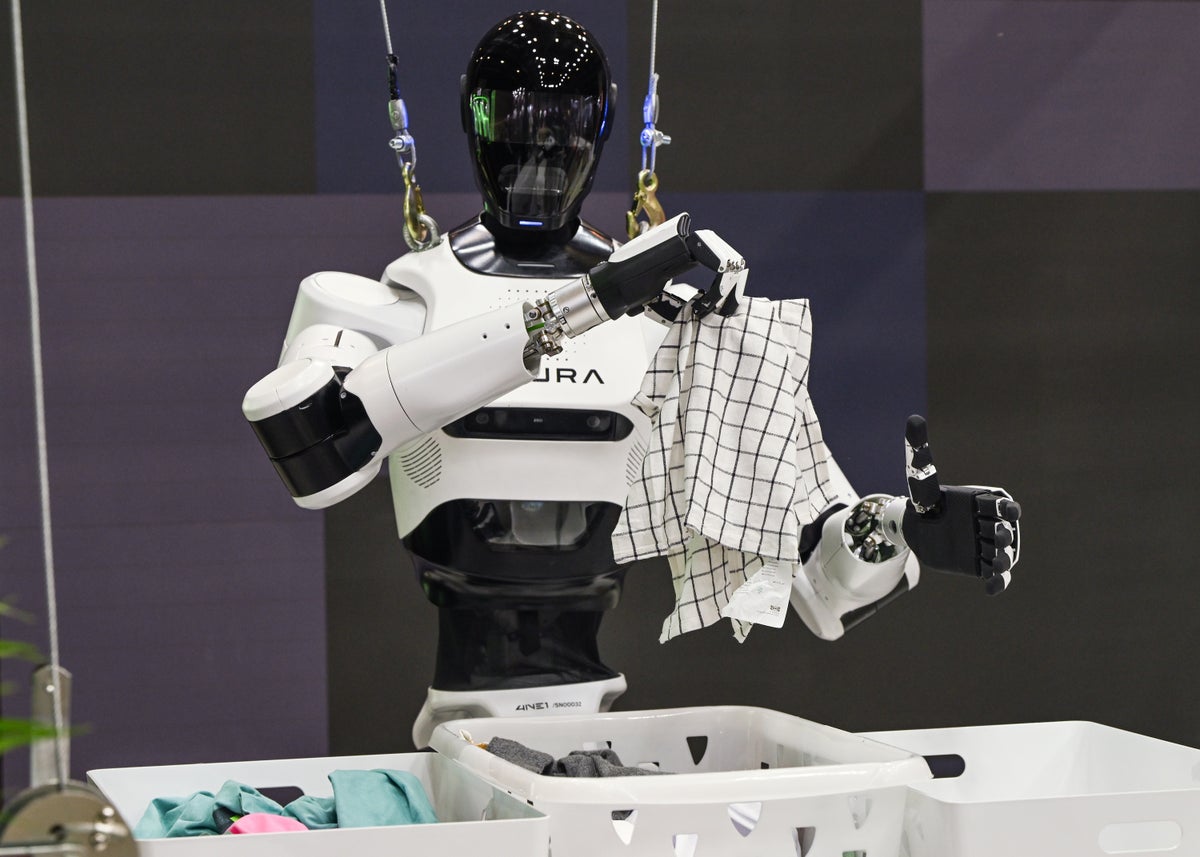
It’s not just manual labor; humanoids that can communicate, perceive social cues, and assist customers are being researched and tested in service roles from retail to hospitality.
3.5 Exploration and Risky Environments
Humanoid robots may be deployed in settings that are hazardous for humans—such as disaster zones, deep sea exploration, or space missions—expanding our reach and capabilities.
4. Challenges Along the Path to Real Deployment
Even as momentum builds, significant obstacles remain:
4.1 Technical Hurdles
Achieving reliable, dexterous, energy‑efficient humanoids capable of complex tasks is still a work in progress. Energy density, balance control, robust perception, and generalizable learning abilities are all active areas of research.
Researchers continue to push boundaries, blending model‑based control with modern learning methods to expand robot capabilities.
4.2 Cost and Commercial Viability
Despite dramatic reductions in prototype costs, real commercial deployment still requires economics that make sense for businesses and consumers alike. Current markets are experimenting with tiered pricing and scaled production models to find viable pathways.
4.3 Regulation and Safety
As robots move into human spaces, safety standards, legal frameworks, and ethical regulations will need to keep pace. Governments are already considering regulatory measures to balance innovation with public welfare.
4.4 Social and Ethical Considerations
Humanoid robots raise important questions about labor displacement, privacy, dignity, and responsibility. How societies adapt to increasing robot presence is a matter of ethics, public policy, and cultural norms.
5. Societal Impacts and the Human Question
Humanoid robots don’t just solve engineering problems—they challenge fundamental ideas about work, identity, and human‑machine relations.
5.1 Labor Dynamics and Workforce Transformation
Humanoids could both replace and augment human labor. While repetitive tasks may be automated, new roles in robot supervision, maintenance, design, and human‑robot collaboration are also emerging. Preparing the workforce for these shifts is a strategic imperative.
5.2 Trust, Interaction, and Coexistence
Trustworthiness, predictability, and safe interaction with humans are essential for widespread acceptance. Robots that share human spaces must be predictable, ethical, and aligned with societal values.
5.3 Cultural Perceptions
Cultural attitudes toward robots vary globally. Some societies readily embrace robotic helpers; others remain skeptical or cautious. These perceptions influence adoption trajectories and strategic choices.
6. Looking Ahead: Strategy Meets Reality
Humanoid robots have moved from the fringes of research into the mainstream strategic conversation. Nations, corporations, and research institutions are all placing bets on the future of these machines. As they mature, humanoid robots stand to reshape industries, redefine work, and spark debates that touch economics, ethics, policy, and identity.
Whether humanoids become ubiquitous assistants or specialized industrial tools, the strategic imperative is clear: preparing for a future where embodied AI plays a central role in economic and societal evolution. This isn’t sci‑fi speculation—it’s a strategic reality being built today.