








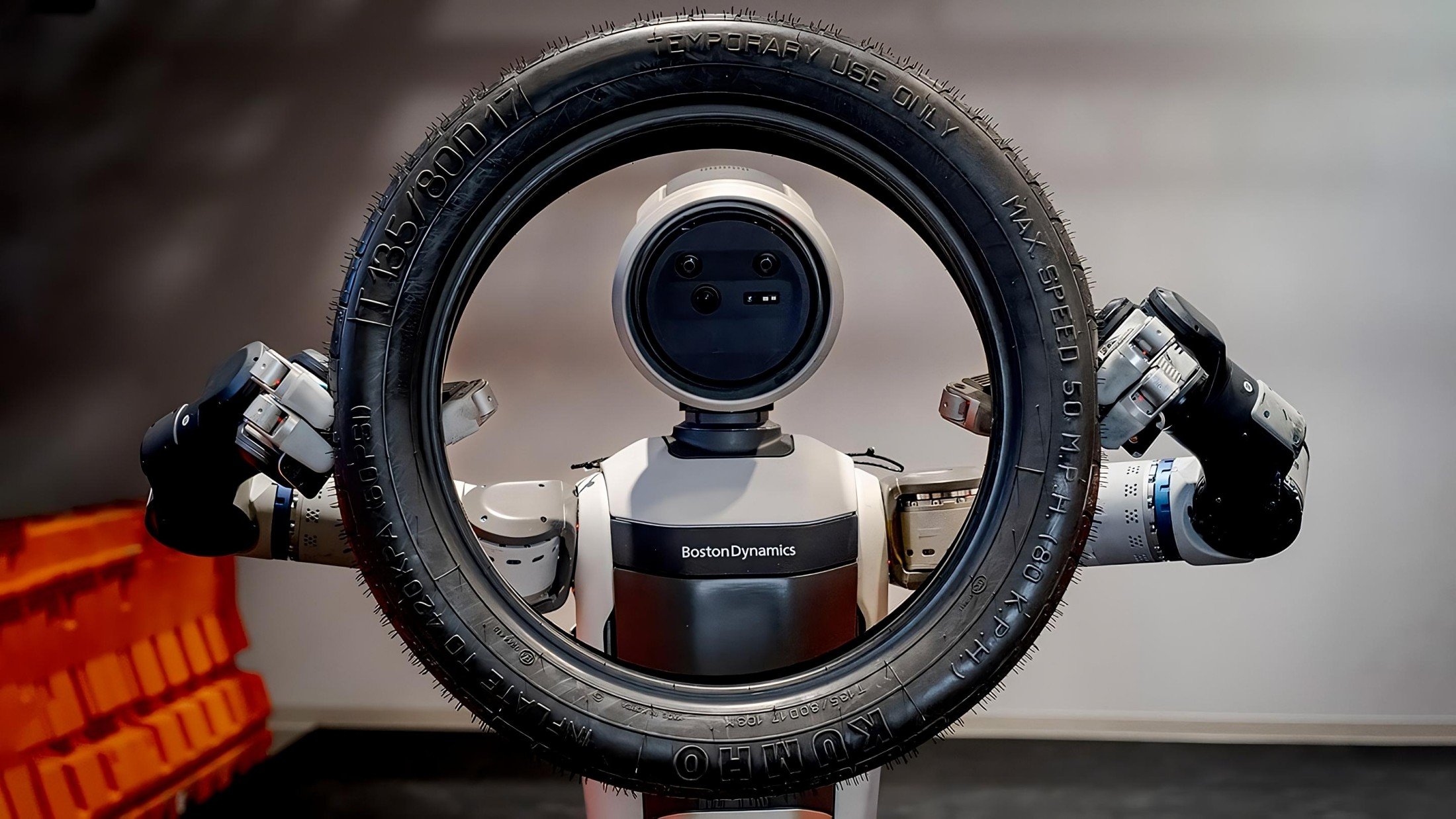

Artificial Intelligence (AI) has come a long way from the theoretical musings of scientists to the cutting-edge technologies that are changing the fabric of everyday life. One of the most recent advancements in the field is the release of Atlas’ new AI model, which promises to be “adaptive” in ways that could revolutionize industries, economies, and even the way humans interact with machines. But, does Atlas’ claim hold up? Is this truly an adaptive AI model, or is it another marketing ploy? Let’s explore what makes Atlas’ new AI model stand out, analyze the true extent of its adaptability, and assess its potential impact on the future of AI.
Understanding Adaptability in AI
Before diving into Atlas’ latest AI development, it’s crucial to define what we mean by “adaptive.” In the context of AI, adaptability refers to the ability of an AI system to modify its behavior based on new inputs, learn from its environment, and improve its performance over time without requiring extensive manual adjustments. Essentially, it’s about making machines more flexible and responsive to changes, just like humans do when they encounter new situations.
The concept of adaptability in AI has been a central pursuit for many AI research labs, with the end goal of creating systems that can function more like humans. Traditional AI models, while powerful in their domains, often require retraining or specific programming to handle unforeseen situations or unfamiliar data. Adaptive AI, on the other hand, promises to overcome these limitations by continuously evolving its capabilities, responding to the world around it in real-time.
What Makes Atlas’ New AI Model Different?
Atlas, the tech giant known for its AI innovations, has made bold claims about its new AI model’s adaptive capabilities. This system is designed to learn, self-optimize, and respond to novel challenges in ways that previous iterations of AI could not. Here’s a closer look at the key features that set Atlas’ new AI model apart:
1. Real-Time Learning and Decision Making
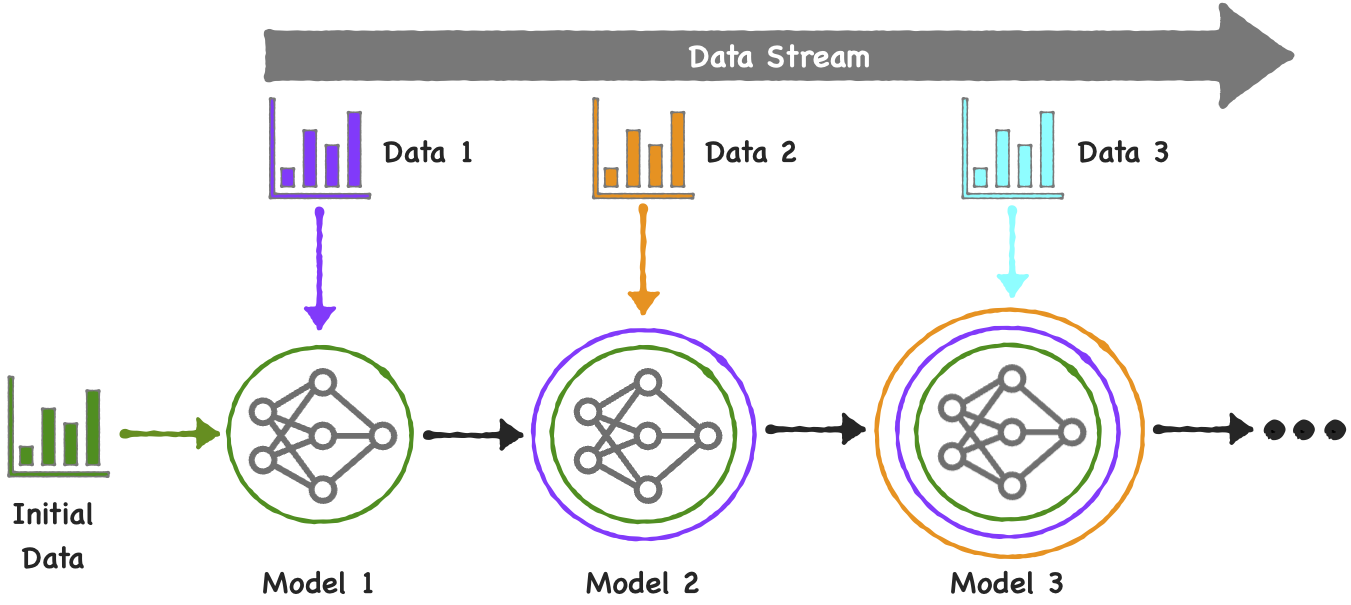
Unlike traditional AI models that rely heavily on pre-programmed algorithms and vast datasets, Atlas’ new model can learn in real-time. This means it can process new information as it encounters it, refining its decision-making processes on the fly. This feature is crucial in dynamic environments where the conditions change rapidly, such as in robotics, autonomous vehicles, or smart cities. In contrast to the old paradigm of “train, test, deploy,” the new model can continuously adapt without needing a full retraining cycle.
2. Multi-Modal Sensory Integration
Another standout feature of the Atlas AI model is its ability to integrate and process data from multiple sensory inputs, including vision, sound, and touch. This multi-modal sensory integration allows the AI to have a more nuanced understanding of its environment, similar to how humans use a variety of senses to make decisions. By combining different forms of data, Atlas’ AI can adapt to complex situations with greater precision and flexibility, such as recognizing objects in a cluttered space or detecting changes in the emotional tone of human speech.
3. Contextual Awareness
Atlas’ AI model also incorporates a high degree of contextual awareness. This means that the AI system doesn’t just analyze raw data in isolation but can also infer meaning from the broader context. For example, in the case of a robot performing a task, the AI will consider the location, the task itself, and any potential disruptions in the environment, enabling the robot to adjust its actions accordingly. This level of situational understanding is a step forward in making AI systems more intuitive and responsive.

4. Self-Optimization Algorithms
At the heart of Atlas’ AI adaptability lies its self-optimization algorithm. Unlike traditional models that require manual intervention to fine-tune or update their performance, this new AI system can adjust its algorithms based on its ongoing experiences. This self-improvement process allows the system to continuously enhance its performance over time, adapting to shifting environments and user needs without requiring constant human oversight.
5. Collaborative Learning
Perhaps one of the most exciting aspects of Atlas’ adaptive AI is its collaborative learning ability. This feature allows the AI system to work in tandem with other AI systems, sharing knowledge and experiences to improve overall performance. This is especially useful in situations where multiple systems are working together, such as in autonomous fleets of vehicles or multi-robot teams in industrial settings. By learning from each other, these AI systems can become more adaptive and efficient as a collective, potentially reducing the need for human intervention in complex environments.
Challenges in Achieving True Adaptability
While Atlas’ new AI model boasts impressive features, the road to creating truly adaptive AI is fraught with challenges. Adaptability, in theory, sounds like a fantastic solution to many of AI’s current limitations. But in practice, there are several obstacles to overcome.
1. Data Privacy Concerns
Adaptive AI systems, particularly those that rely on real-time learning and contextual awareness, must collect and process vast amounts of data. This raises serious concerns about data privacy, especially when dealing with sensitive personal information. For instance, if an AI system is learning from human interactions or observing users’ behavior in real-time, there’s the risk of unauthorized access or misuse of that data. Ensuring robust data privacy protocols while maintaining adaptability is a challenge that Atlas will need to address.
2. Bias and Ethical Implications
Like all machine learning systems, Atlas’ AI model is only as good as the data it is trained on. If the data is biased or incomplete, the AI’s adaptive behaviors could lead to unfair or unethical outcomes. The system might learn to make decisions that favor certain demographics over others, or it might fail to account for cultural nuances in human behavior. To mitigate these risks, Atlas must implement rigorous ethical standards and regularly audit its AI system for potential biases and discriminatory behavior.
3. Resource Intensive
The complexity of an adaptive AI system comes at a cost. To function effectively, these systems often require substantial computational resources and energy. Continuous learning and self-optimization demand powerful hardware, and maintaining this level of infrastructure can be expensive and environmentally taxing. As Atlas pushes forward with its adaptive AI, balancing performance with sustainability will be a key challenge.
4. Human-AI Interaction
As AI systems become more adaptive, they will inevitably need to interact with humans in more nuanced and complex ways. Whether it’s a robot in a factory or a virtual assistant at home, the interaction between humans and machines will need to be seamless and intuitive. Atlas’ AI model may be able to adapt to new environments, but how well can it adapt to the unique behaviors and preferences of individual users? This is an area where further research and development are needed.
The Potential Impact of Adaptive AI
Despite the challenges, the potential benefits of Atlas’ adaptive AI model are immense. If the system can live up to its promises, it could transform industries in profound ways.
1. Revolutionizing Automation
Adaptive AI systems could pave the way for more intelligent automation. Imagine a factory where robots can not only perform repetitive tasks but also adapt to changes in production lines or handle unforeseen obstacles. The flexibility of adaptive AI would allow machines to take on more complex and varied roles, increasing productivity and reducing the need for human oversight.
2. Improving Healthcare
In healthcare, adaptive AI has the potential to assist in diagnostics, treatment planning, and even patient care. A medical AI system could learn from each patient interaction, becoming better at identifying symptoms, predicting outcomes, and tailoring treatments over time. With its ability to integrate diverse forms of data, such as medical images, genetic information, and patient histories, Atlas’ AI could help doctors make more informed decisions and deliver personalized care.
3. Enhancing Autonomous Vehicles
Autonomous vehicles stand to benefit immensely from adaptive AI. The real-time learning and contextual awareness features of Atlas’ AI could make self-driving cars safer and more reliable, as they would be able to adjust to changing road conditions, traffic patterns, and even unpredictable human drivers. As the AI adapts to these dynamic environments, the risk of accidents could be reduced, and the overall driving experience would become smoother and more efficient.
4. Driving Innovation in Consumer Products
Beyond industrial applications, adaptive AI could also have a profound impact on consumer products. Smart home devices, personal assistants, and entertainment systems could all become far more intuitive and responsive, adapting to individual preferences and needs. For instance, a smart speaker could not only respond to voice commands but could also anticipate the user’s needs based on past interactions, learning to recognize moods and preferences over time.
Conclusion: A Step Toward Truly Adaptive AI?
Atlas’ new AI model certainly demonstrates remarkable strides toward creating an adaptive, self-learning system that can thrive in real-world environments. With its real-time learning, multi-modal sensory integration, and self-optimization capabilities, it stands as a testament to how far AI has come. However, whether it can truly live up to the lofty claims of “adaptability” remains to be seen. While the technology shows promise, challenges such as data privacy, ethical considerations, and resource demands must be addressed before we can fully embrace the potential of adaptive AI.
The journey toward creating fully adaptive, human-like AI systems is long and complex. But with innovations like Atlas’ new model leading the way, we may be closer than ever to realizing the vision of intelligent, self-improving machines that can seamlessly integrate into our world.