










In an era where technological advancements are rapidly reshaping our daily lives, the boundary between human capabilities and artificial intelligence continues to blur. Household chores, once a domain reserved exclusively for human hands, are now being explored by a new generation of robots designed to take over some of the most mundane tasks. Among these innovations, the Latest Figure 03—a cutting-edge robot—has garnered significant attention in the quest to make household chores easier, faster, and more efficient. But the question remains: is it truly good enough to handle household chores, or is it just another example of tech hype with limited practical application?
This article delves into the capabilities of the Latest Figure 03, examining its design, functionality, and potential to revolutionize the way we manage our homes. It also explores the broader implications of robotic assistance in the household, from ethical considerations to the economic impact of automation.
The Rise of Robotic Helpers in the Home
The idea of using robots for household chores is hardly new. Since the early 2000s, various prototypes have emerged, with the Roomba being one of the most iconic examples. However, the technology behind these robots has evolved significantly over the years. The Latest Figure 03 is a prime example of how far we’ve come. This robot is designed not only to clean but also to assist with a wide range of domestic tasks. But what sets it apart from its predecessors?
A New Generation of Household Robots
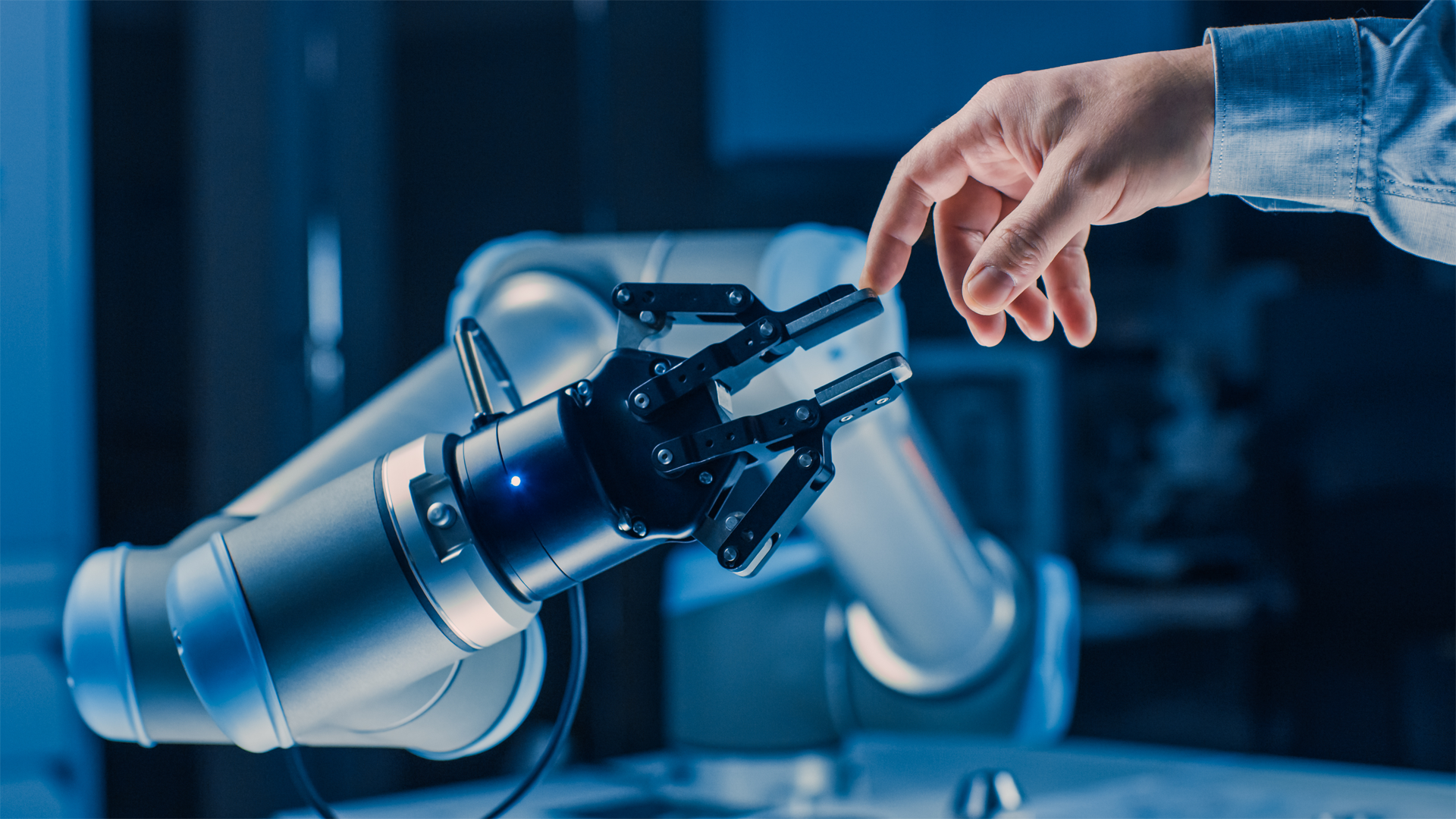
At its core, the Latest Figure 03 is equipped with advanced sensors, AI-driven learning algorithms, and improved mobility systems. This means it can navigate complex environments, recognize objects, and even adapt to changes in the home layout. For example, if you move furniture around or introduce new obstacles, the robot can recalibrate its path to continue working efficiently.
Its ability to detect and respond to environmental changes is one of the key improvements that make the Latest Figure 03 a potential game-changer. Where older robots would struggle to clean under furniture or detect spills on dark floors, this new model is equipped with enhanced sensors that allow it to tackle such challenges more effectively.
Multifunctionality: Beyond Just Cleaning
While many household robots focus on specific tasks like vacuuming or mopping, the Latest Figure 03 takes a more holistic approach. It is capable of handling a wide array of chores. For example, it can:
- Vacuum and mop: Traditional robotic vacuum cleaners have improved over time, but the Figure 03 combines these functionalities into one device, providing more comprehensive cleaning.
- Dishwashing assistance: With an integrated arm, it can load and unload the dishwasher, saving you time on a task you might otherwise spend a few minutes on each day.
- Laundry: Though still in development, the robot has the potential to assist with sorting laundry, folding clothes, and even placing them in drawers.
This level of versatility is a far cry from the specialized robots of yesteryear. It signals a future where we might delegate a significant portion of our household chores to AI-powered assistants, freeing up time for more meaningful activities.
The Technological Foundations of the Latest Figure 03
The functionality of the Latest Figure 03 is underpinned by a combination of cutting-edge technologies, each contributing to its performance in the home. Let’s take a closer look at some of the key features that enable it to carry out household tasks.
AI and Machine Learning
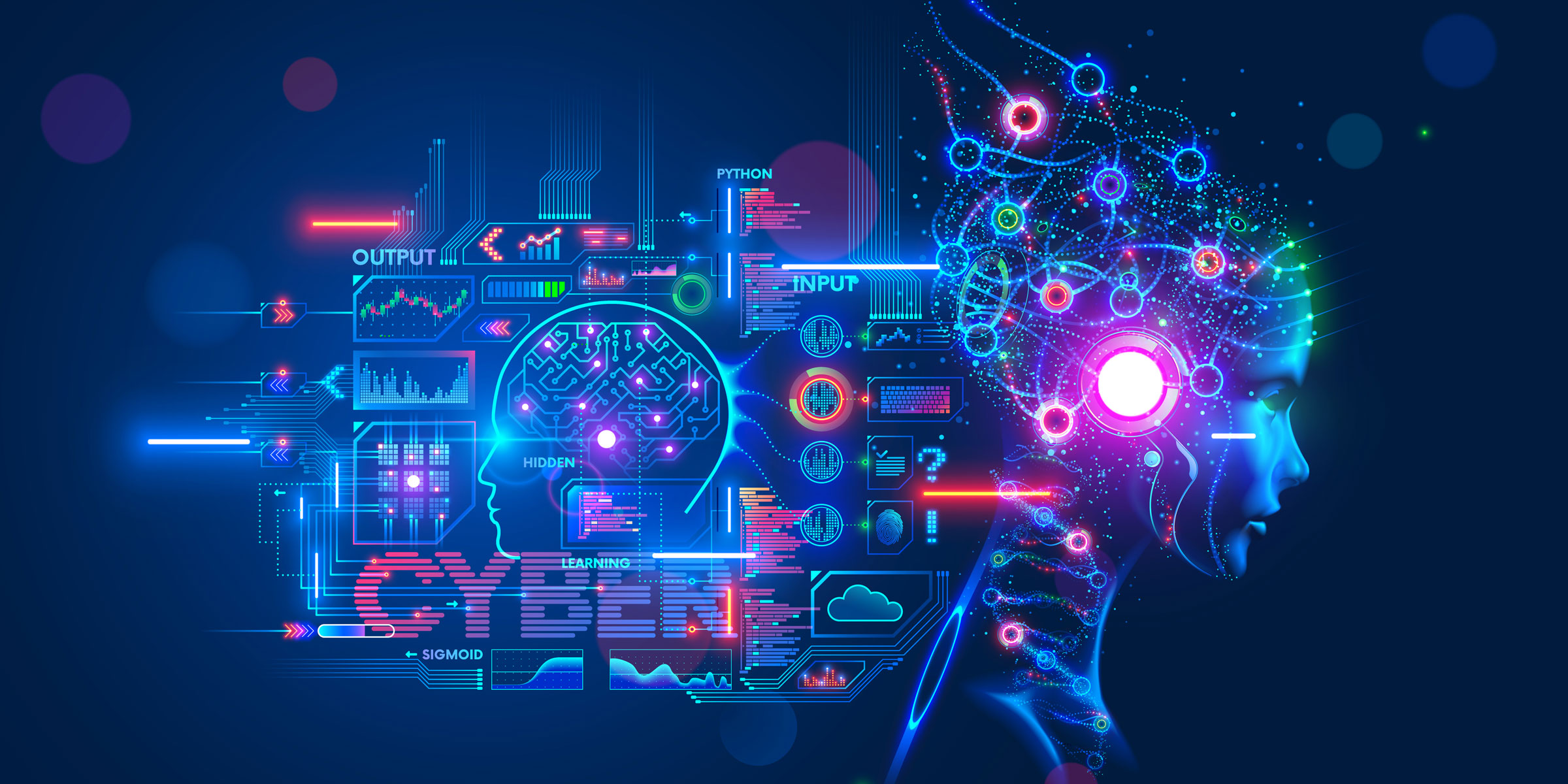
AI is at the heart of the Latest Figure 03’s ability to learn and adapt. The robot uses machine learning algorithms that allow it to “learn” from its environment. Over time, it becomes more efficient at performing tasks. For example, it can improve its cleaning routine based on the layout of the room and the types of dirt or debris commonly found in different areas of the house.
The machine learning capability also means that the robot can understand human commands better. With natural language processing, users can instruct it with simple verbal commands, and it will respond appropriately, even adjusting its actions based on the tone or context of the request.
Advanced Sensors and Computer Vision
The robot’s sensors are another major leap forward. These sensors not only help the robot avoid obstacles but also allow it to detect finer details, like the texture of a carpet or the amount of dust on a surface. Using computer vision, the robot can identify objects, navigate cluttered spaces, and even distinguish between different types of dirt or spills. This makes it a much more effective cleaner compared to earlier models that would often miss dirt or become stuck on furniture legs.
Mobility and Precision
Thanks to its advanced mobility system, the Latest Figure 03 is capable of moving smoothly across a variety of surfaces. Whether it’s hardwood floors, carpets, or tiles, the robot can transition seamlessly between different environments. Additionally, its ability to maneuver in tight spaces and adjust its movement based on the task at hand (e.g., moving slowly for precision or quickly for a larger area) gives it a level of flexibility that makes it more efficient than previous models.
The Potential Benefits of Having a Household Robot
With the technological advancements in the Latest Figure 03, we begin to see the potential benefits of incorporating this kind of robot into everyday life. These benefits go beyond just convenience; they touch on areas such as health, time management, and even environmental impact.
Health and Hygiene
One of the most obvious advantages of having a robot handle household chores is the improvement in cleanliness. The Latest Figure 03 is not just an ordinary cleaner; it’s equipped with precision sensors that ensure it can remove dust, allergens, and other particles that might otherwise be missed. For households with pets, this can be a game-changer in maintaining a clean and hygienic living space.
Moreover, for people with mobility issues or those suffering from chronic pain, having a robot perform everyday tasks can improve their quality of life. Tasks like vacuuming, washing dishes, and folding laundry can be physically demanding, and automating these chores can reduce physical strain.
Time Savings and Efficiency
In our fast-paced world, time is often a luxury. With the Latest Figure 03 handling household chores, families can reclaim time for more meaningful pursuits—whether it’s spending time together, pursuing hobbies, or simply relaxing. The robot’s efficiency also allows it to complete tasks faster and more consistently than a human could, meaning less time spent worrying about chores and more time for everything else.
Environmental Impact
As automation continues to grow in scale, it’s important to consider its environmental impact. The Latest Figure 03, like many modern robots, is designed with sustainability in mind. It uses energy-efficient motors, minimizes waste, and operates with a lower carbon footprint than traditional cleaning methods that rely on disposable products or excessive water use.
Ethical Considerations: Can Robots Really Replace Human Chores?
While the benefits of robots like the Latest Figure 03 are apparent, there are also ethical concerns that must be addressed. The automation of household chores raises questions about the role of human labor in the home. What does it mean for traditional caregiving roles if robots take over chores typically seen as part of domestic responsibility?
The Changing Nature of Domestic Work
Domestic work has historically been undervalued, and in many households, it is performed primarily by women. The rise of robots in the home could help to reduce this gender imbalance by taking over some of the tasks traditionally seen as “women’s work.” However, some argue that this shift could further erode the appreciation of caregiving and domestic roles, as the line between “labor” and “leisure” becomes increasingly blurred.
Job Displacement and the Economy
On a broader scale, the use of robots in the home could also have economic implications. If household robots become more prevalent, it could result in fewer jobs for domestic workers, cleaners, and other service industry professionals. While the creation of new jobs in the robotics and AI industries could counterbalance this shift, it is important to ensure that those displaced by automation have opportunities for retraining and upskilling.
Will Robots Like the Latest Figure 03 Ever Replace Human Touch?
Ultimately, while the Latest Figure 03 is a marvel of modern technology, it is unlikely to ever replace the human touch in the home. Many household chores require a level of care, attention, and emotional intelligence that robots, no matter how advanced, may never be able to replicate. Tasks like cooking a family meal, caring for a child, or offering emotional support are beyond the reach of even the most sophisticated AI.
However, that doesn’t mean robots like the Latest Figure 03 don’t have an important place in our homes. By taking over routine tasks, they can free up human time and energy for more meaningful work. As the technology evolves, it’s likely that we’ll see even more specialized robots capable of handling tasks beyond cleaning, opening up new possibilities for how we manage our households.
Conclusion
The Latest Figure 03 represents a significant step forward in the realm of household robotics. With its combination of AI, advanced sensors, and multifunctionality, it offers a glimpse into a future where household chores are automated, efficient, and less time-consuming. However, as with any technological advancement, it’s important to balance convenience with ethical considerations. While robots like the Figure 03 may not be able to fully replace the human touch, they certainly have the potential to transform the way we approach household chores, making life easier, cleaner, and more sustainable.