








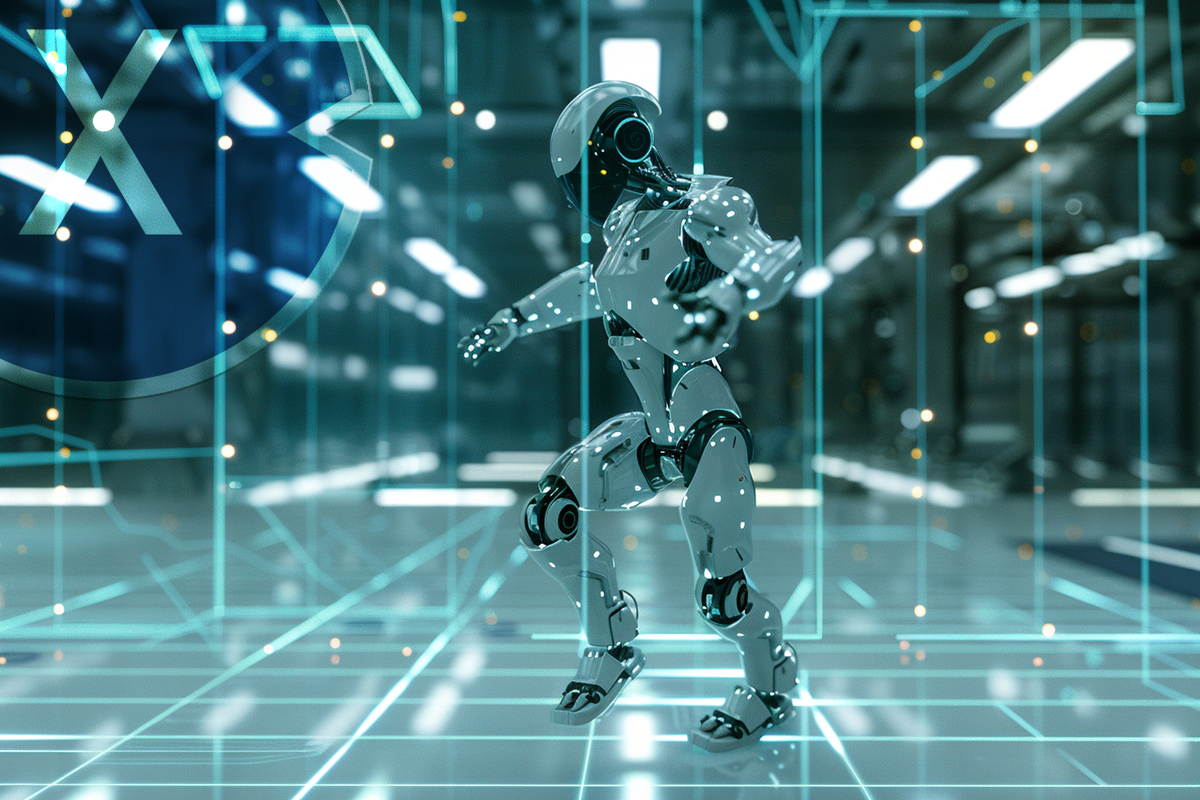

The world of robotics is evolving at an unprecedented pace, driven by innovations in artificial intelligence (AI), sensors, and automation technologies. At the center of this revolution is Apptronik, a robotics company that has recently raised $403 million in a Series A funding round. With this massive financial boost, the company is poised to take a significant leap forward in creating humanoid robots—machines capable of mimicking human actions and behaviors. But the question remains: will Apptronik’s funding propel it into the ranks of the humanoid giants, alongside companies like Boston Dynamics, Tesla, and SoftBank?
In this article, we explore the technological advancements, challenges, and potential impact of humanoid robotics, and examine how Apptronik’s $403 million may play a crucial role in shaping the future of the industry.
The Rise of Humanoid Robots
Humanoid robots—machines designed to resemble and perform tasks like humans—have long been a dream of science fiction. From movies like The Jetsons to Ex Machina, humanoid robots have captured the public imagination with their potential to revolutionize industries ranging from manufacturing to healthcare. However, building a robot that truly functions like a human is a monumental challenge, requiring not just physical dexterity, but also advanced AI to understand and respond to the environment.
In recent years, major players in the robotics field have made significant strides toward realizing this dream. Companies like Boston Dynamics, with their Atlas robot, and Tesla, which has been working on its own humanoid robot, Optimus, have demonstrated the power and potential of humanoid robotics. But Apptronik, with its cutting-edge technologies and a $403 million infusion of capital, is positioning itself to play a major role in this rapidly evolving field.
Apptronik’s Vision: The Next Humanoid Giant?
Apptronik, founded in 2016, specializes in creating robots that are designed for practical, real-world applications. The company’s mission is not only to create humanoid robots, but also to make them cost-effective and accessible for businesses. They aim to build robots that can handle a wide range of tasks—from warehouse logistics to customer service and healthcare support.
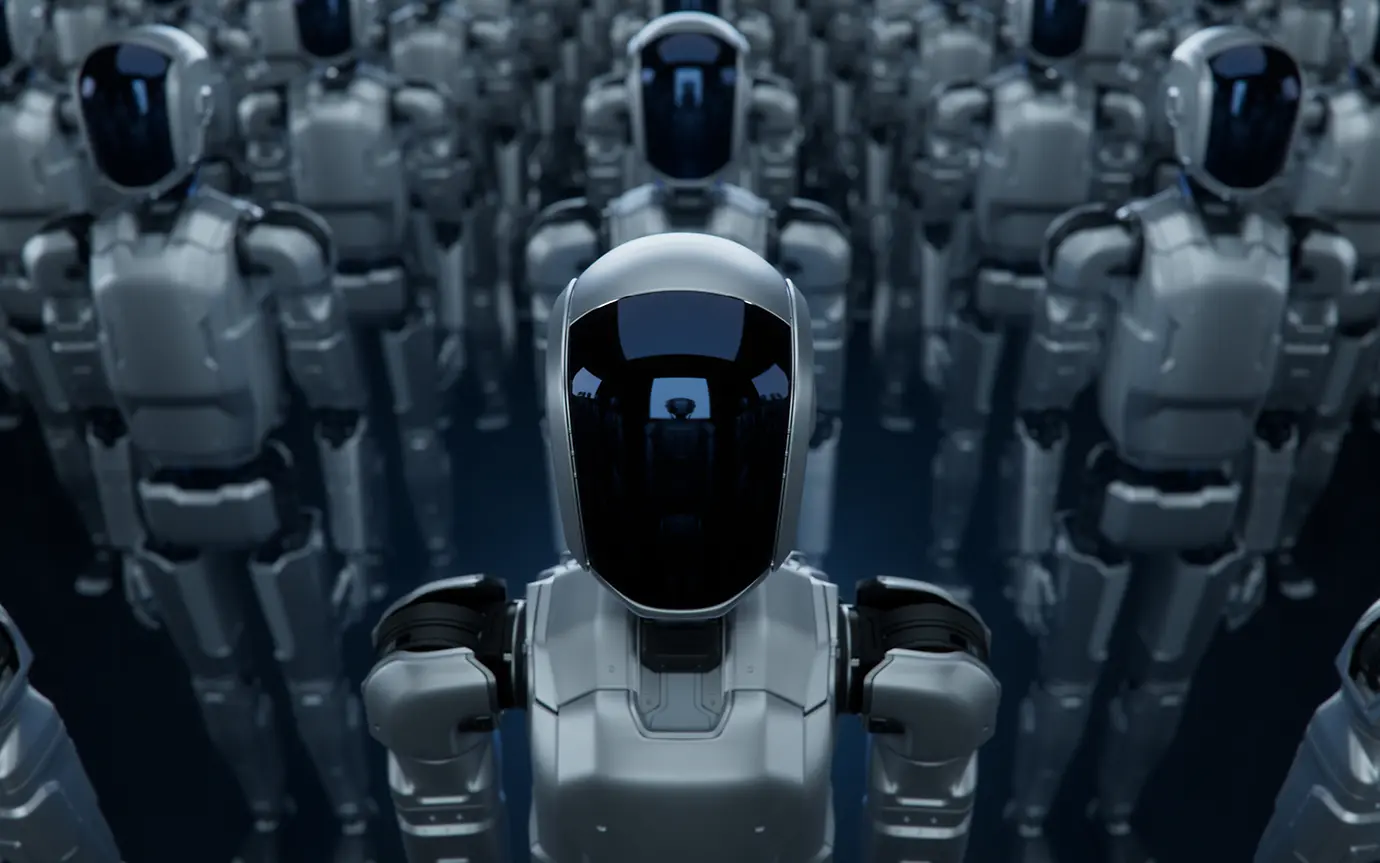
The key to Apptronik’s vision lies in their approach to robotics. Unlike some of the other players in the market, who focus on building robots for specialized tasks, Apptronik is developing robots that are versatile and capable of performing many different functions. By leveraging AI, machine learning, and advanced sensors, Apptronik robots can adapt to different environments, learn new tasks, and interact with humans in a more intuitive way.
The $403 Million Investment: What’s at Stake?
Apptronik’s $403 million Series A funding, led by prominent investors including Tiger Global and Lightspeed Venture Partners, is a massive vote of confidence in the company’s vision. The funds will be used to accelerate the development of their humanoid robots, as well as to scale up production and improve their AI systems.
This investment is particularly significant because it reflects a growing trend in venture capital, where investors are increasingly focusing on robotics as a high-potential industry. As the labor market becomes increasingly automated, humanoid robots are seen as the next frontier in AI and automation. If Apptronik can successfully deliver on its promises, it could reshape entire industries and create new opportunities for businesses and workers alike.
But this ambitious vision comes with its own set of challenges. Building a robot that is capable of performing complex, human-like tasks while also being cost-effective is no small feat. Apptronik will need to overcome significant technical hurdles in areas like dexterity, autonomy, and human-robot interaction. It will also have to address concerns about job displacement and the ethical implications of deploying humanoid robots in sensitive environments.
The Technology Behind Apptronik’s Humanoids
What sets Apptronik apart from other robotics companies is its emphasis on creating a modular and flexible robot platform. The company has developed an advanced robotics framework that enables its humanoid robots to perform a wide range of tasks, from picking up objects to navigating complex environments.

- Modular Design: Apptronik’s humanoid robots are designed with modular components, which makes them highly adaptable and customizable. This approach not only reduces costs but also allows the robots to be easily updated with new hardware and software as technology evolves.
- Artificial Intelligence (AI) and Machine Learning: At the heart of Apptronik’s humanoid robots is advanced AI. This enables the robots to learn from their environment, interact with humans, and perform complex tasks autonomously. Through machine learning algorithms, the robots improve their performance over time, becoming more efficient and effective.
- Sensors and Perception: To navigate and interact with their environment, Apptronik’s robots are equipped with a wide range of sensors. These include cameras, LiDAR, and touch sensors that allow the robots to perceive their surroundings, detect obstacles, and understand human gestures and commands.
- Human-Robot Interaction (HRI): One of the most important aspects of humanoid robots is their ability to interact with humans. Apptronik is focused on developing robots that are not only functional but also capable of engaging in meaningful, safe, and intuitive interactions with people.
The Challenges of Building Humanoid Robots
Despite the exciting possibilities, there are still significant challenges that Apptronik and other companies in the robotics industry must overcome in order to bring humanoid robots into the mainstream.
- Dexterity and Mobility: One of the biggest hurdles is building robots that can perform tasks with the dexterity and precision of a human hand. While robots like Boston Dynamics’ Atlas have demonstrated impressive mobility, they are still far from being able to perform tasks like folding laundry or assembling products in a factory with the same skill and speed as a human worker.
- Power and Efficiency: Humanoid robots require a significant amount of energy to operate. Developing energy-efficient robots that can function for extended periods without needing constant recharging is a key challenge. Furthermore, power storage systems (such as batteries) need to be lightweight, durable, and capable of handling the demands of high-performance robotics.
- AI and Decision-Making: While AI has made great strides in recent years, humanoid robots still struggle with making complex, real-time decisions in dynamic environments. For instance, a robot must be able to recognize and adapt to new tasks, handle unexpected obstacles, and respond to human emotions and social cues in a way that feels natural.
- Cost and Scalability: Humanoid robots are expensive to build. While Apptronik is working on cost-effective solutions, scaling production while keeping prices down is a significant challenge. For humanoid robots to become widespread, they need to be affordable enough for businesses to adopt them for various applications, from customer service to logistics.
- Ethical and Social Concerns: As humanoid robots become more integrated into society, questions about their ethical implications arise. Issues like job displacement, privacy, and the role of AI in decision-making are at the forefront of the conversation. Ensuring that humanoid robots are deployed in ways that benefit society, rather than harm it, will be essential for their long-term success.
The Future of Humanoid Robots: What Lies Ahead?
The future of humanoid robots is both exciting and uncertain. As technology continues to evolve, robots will become increasingly capable and versatile. Apptronik’s ambitious plans, backed by its $403 million Series A funding, could make it a key player in this transformation.
In the short term, we may see humanoid robots deployed in industries like logistics, healthcare, and customer service, where they can assist with repetitive tasks or serve as human companions. Over time, however, the possibilities could expand to more complex roles, including caregiving, education, and even personal assistance.
Ultimately, the success of humanoid robots depends not just on technological advancements, but also on how society chooses to integrate them into everyday life. If Apptronik can successfully navigate the technical, ethical, and economic challenges ahead, it could very well become the next humanoid giant, transforming the way we work, live, and interact with machines.