








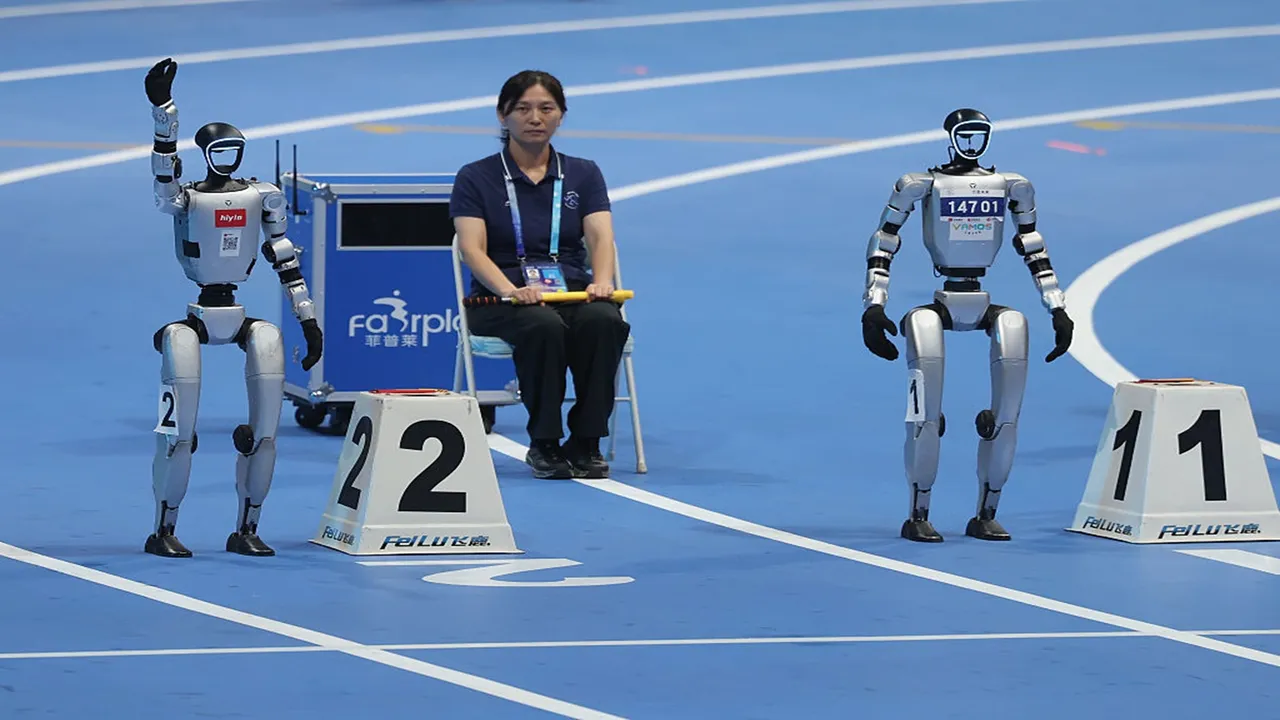

In the ever-evolving world of robotics, the concept of humanoid robots—machines that mimic human form and function—has been a hot topic for decades. Yet, it is only in recent years that advances in AI, machine learning, and hardware development have begun to bring these ambitious ideas into tangible reality. Among the leaders pushing the boundaries of humanoid robotics are two tech giants: SoftBank and Nvidia. Both companies have made significant investments in this burgeoning field, signaling that humanoid robots are not just a futuristic fantasy, but a tangible part of our technological landscape.
The Rise of Humanoid Robotics
Humanoid robots are designed to replicate human physical features—arms, legs, face, and in some cases, even the ability to recognize and respond to emotions. These robots hold immense promise for industries ranging from healthcare to service and entertainment. However, creating a machine that can move, think, and interact as humans do is no small feat. It requires a blend of sophisticated engineering, artificial intelligence (AI), and real-time data processing.
Over the years, humanoid robots have evolved from mere prototypes into functional machines that are capable of performing complex tasks. While we are still a long way from having robots as capable and autonomous as the ones depicted in sci-fi movies, significant strides are being made. The latest push into this field is largely driven by two companies with deep pockets and cutting-edge technology—SoftBank and Nvidia.
SoftBank’s Humanoid Robotics Ambitions
SoftBank, the Japanese multinational conglomerate known for its investments in AI and robotics, has made headlines for its commitment to advancing humanoid robots. The company’s acquisition of Boston Dynamics, which was later sold to Hyundai, marked a pivotal moment in the robotics space. However, it was SoftBank’s investment in Pepper, a humanoid robot created by Aldebaran Robotics, that truly turned the company into a household name in the field.
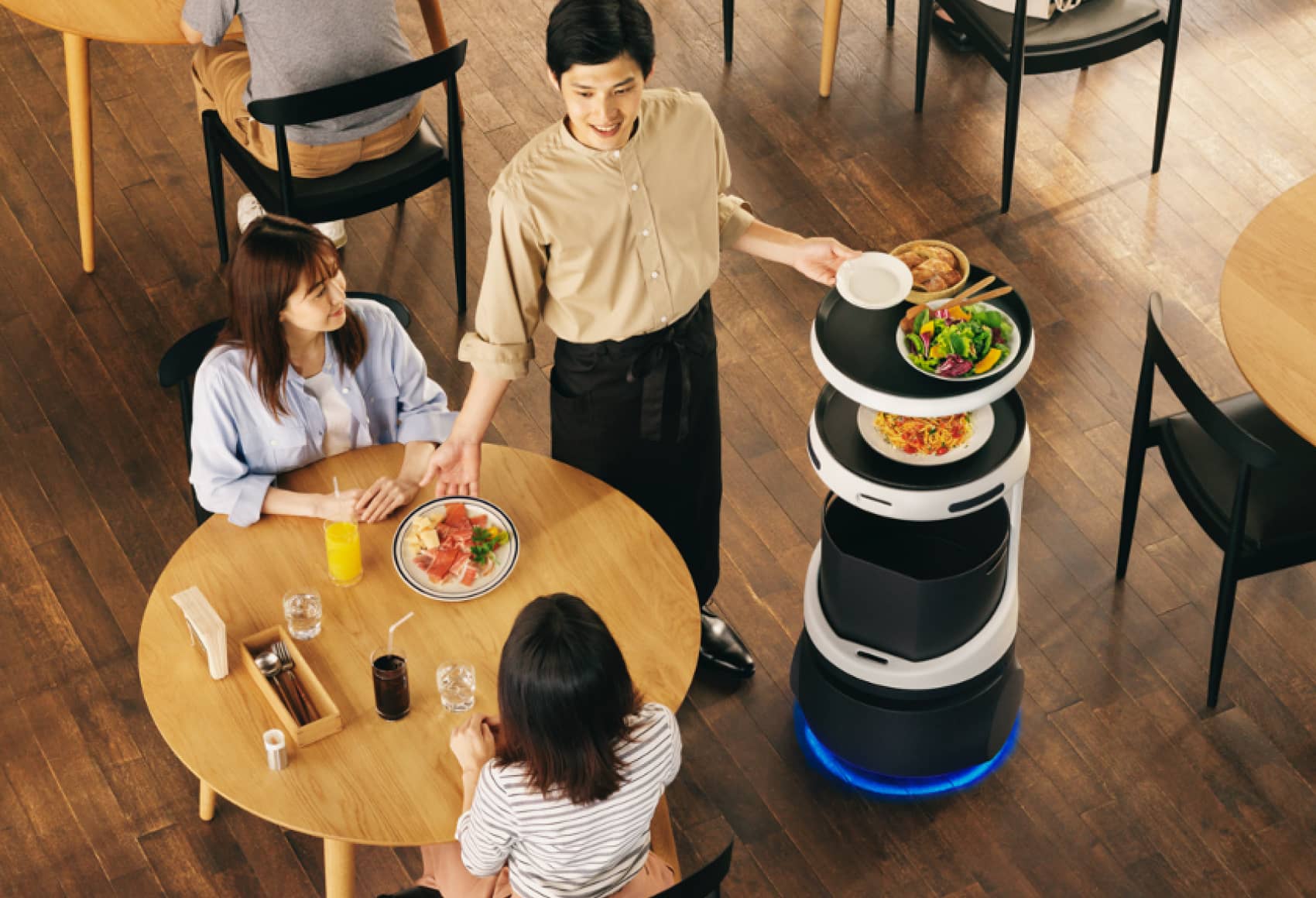
Pepper was unveiled in 2014 as a humanoid robot designed to engage with people in social and customer service settings. Standing at about 4 feet tall, Pepper was designed to interpret human emotions and respond appropriately. While not as sophisticated as human beings, Pepper’s ability to recognize emotions through facial expressions and voice was groundbreaking at the time. It was deployed in a variety of industries, including retail and hospitality, where it served as an assistant for customer interaction.
While the company’s move into humanoid robotics was bold, it did not come without its challenges. Pepper’s limitations in terms of mobility, cognitive functions, and its overall “human-likeness” were evident. Despite these challenges, SoftBank did not retreat from its investments in humanoid robotics. Instead, it doubled down, focusing its resources on more advanced and capable robots that could transcend the shortcomings of earlier models like Pepper.
Nvidia’s Role in Advancing Humanoid Robotics
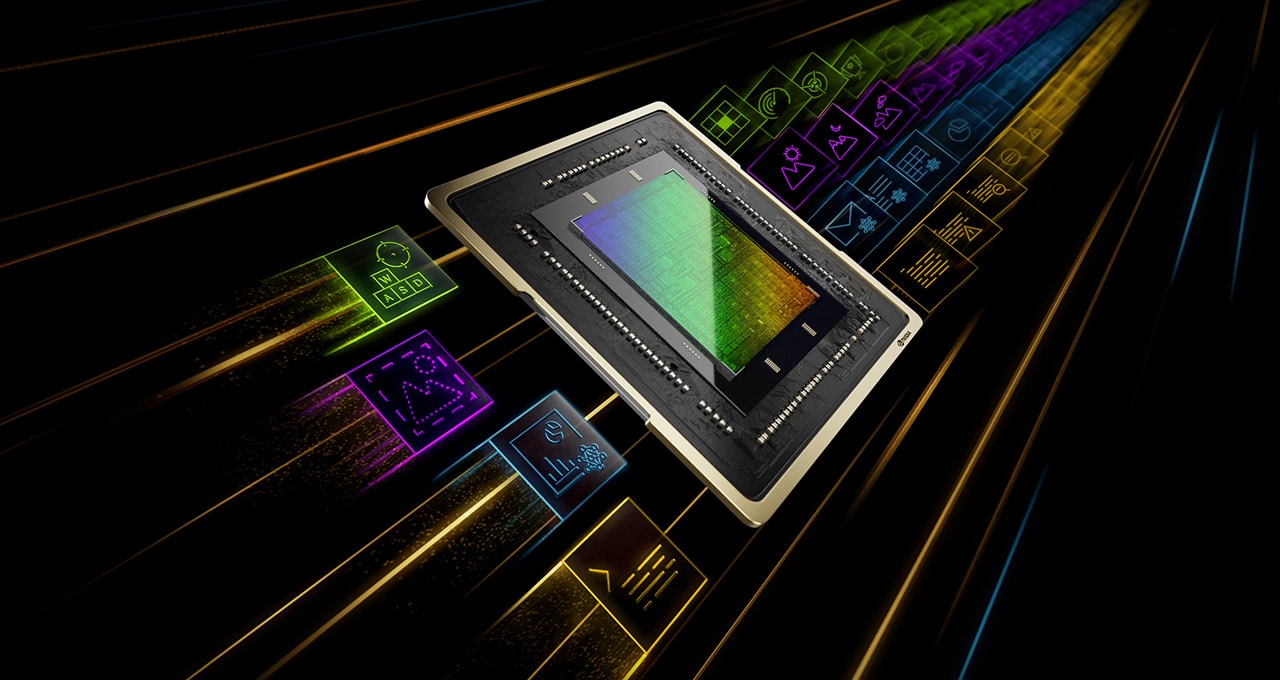
While SoftBank has been a significant player in developing humanoid robots from a hardware and investment perspective, Nvidia has played a critical role in providing the AI infrastructure that powers these robots. Known for its leadership in graphics processing units (GPUs), Nvidia has been a key enabler of AI and machine learning systems that require enormous computational power. The company’s hardware and software innovations have become indispensable tools for robotics, enabling robots to process vast amounts of data and learn from their environments.
Nvidia’s Omniverse platform, an open platform for virtual collaboration and simulation, is transforming how developers design and test robotic systems. The platform provides a realistic virtual environment where humanoid robots can learn and adapt in simulated scenarios before they are deployed in real-world settings. This significantly reduces the risk of failure and accelerates the development of robots capable of more complex behaviors and interactions.
In addition to Omniverse, Nvidia’s Jetson platform is widely used for edge AI computing in robotics. These small, powerful processors are designed to handle AI workloads on robots in real-time, allowing for faster decision-making and autonomy. By providing the computing power necessary for real-time machine learning and perception, Nvidia is enabling humanoid robots to interact with the world in ways that were once impossible.
The Symbiosis Between SoftBank and Nvidia
While SoftBank and Nvidia have approached humanoid robotics from different angles—one through investment and hardware, the other through AI and computational power—their collaboration has the potential to transform the field. By combining SoftBank’s cutting-edge robot designs and Nvidia’s state-of-the-art AI technology, these companies are pushing the envelope in creating robots that are not only capable of performing complex tasks but also able to do so with a high level of human-like interaction and emotional intelligence.
This synergy between hardware and software is essential for the development of more advanced humanoid robots. Imagine a robot like Pepper but with the ability to learn from its environment in real-time, adapt to different social contexts, and make decisions based on its understanding of the world. This is the future that SoftBank and Nvidia are working towards. By merging the best of both companies’ technologies, they are not just improving existing robots; they are creating a new class of robots capable of much more.
Humanoid Robots in Industry and Society
So, why is humanoid robotics such an important area of investment for companies like SoftBank and Nvidia? The answer lies in the myriad potential applications these robots could have across various industries. In healthcare, for example, humanoid robots could assist elderly patients with daily tasks, providing companionship and care. In retail, robots could enhance customer service, offering a more personalized experience. In manufacturing, humanoid robots could be used to perform complex tasks that require a high degree of dexterity and precision.
The potential for humanoid robots to disrupt industries goes beyond just automation. These robots could redefine how we interact with machines, creating a new era of human-robot collaboration. Imagine a future where robots not only perform menial tasks but also act as companions, caregivers, or assistants. As these robots become more capable of interacting with humans in natural, intuitive ways, they could become integral members of society, transforming everything from healthcare and education to customer service and entertainment.
However, the rise of humanoid robots also raises important questions about ethics and responsibility. As robots become more human-like, we must address concerns around privacy, labor displacement, and even emotional attachment to machines. For example, if a robot can recognize and respond to human emotions, does it have the potential to form genuine relationships with people? What ethical considerations come into play when we design robots to care for the elderly or vulnerable individuals?
The Future of Humanoid Robotics: A Collaborative Approach
While SoftBank and Nvidia are leading the charge in humanoid robotics, the field is still in its infancy. There is much work to be done in terms of perfecting the technology, ensuring safety, and addressing the ethical implications of humanoid robots. However, the collaboration between these two companies highlights a crucial point: the future of humanoid robotics will not be shaped by a single company, but rather by an ecosystem of organizations working together.
The key to success in humanoid robotics lies in the integration of hardware, software, and human factors. The robots of tomorrow will need to be not only technologically advanced but also ethically sound, socially acceptable, and capable of working alongside humans in a seamless manner. This will require close collaboration between tech companies, researchers, policymakers, and society at large.
Conclusion: Doubling Down on the Future
Both SoftBank and Nvidia are taking bold steps in the development of humanoid robotics, signaling that they see immense potential in this field. While challenges remain, the advancements made by these companies suggest that humanoid robots will play a key role in shaping the future of technology and society. By continuing to innovate and collaborate, these two companies are helping to pave the way for a new era of human-robot interaction—one that holds great promise for industries, economies, and individuals alike.
As the field continues to evolve, one thing is clear: humanoid robotics is no longer just a futuristic dream. It is a reality that is being built today, with SoftBank and Nvidia leading the charge.