










The elderly population worldwide is growing at an unprecedented rate. With this demographic shift comes a pressing need for caregiving solutions. Traditional models of caregiving, primarily relying on human workers, face challenges such as workforce shortages, physical strain on caregivers, and increasing costs. In response, technological innovations, particularly in robotics and artificial intelligence (AI), have sparked curiosity about the possibility of humanoid robots stepping into caregiving roles. Could these robots become the caregivers of the future? Let’s explore the potential, challenges, and ethical considerations involved.
The Aging Population and the Need for Caregivers
Before diving into the role of humanoid robots, it’s essential to understand the scale of the caregiving challenge. According to the United Nations, the global population aged 60 years or older is projected to surpass 2.1 billion by 2050. This trend is particularly significant in developed nations, where advancements in healthcare have increased life expectancy, but also led to a growing number of elderly individuals with chronic illnesses or physical impairments.
Currently, the demand for elderly caregivers far outpaces supply. In the United States, for example, the Bureau of Labor Statistics predicts a need for 1.2 million additional home health aides and personal care aides by 2026. This shortage is exacerbated by the physically demanding nature of caregiving and the low wages associated with the profession, which discourages many from entering or staying in the field.
Humanoid robots, with their ability to provide both physical and emotional support, are emerging as a potential solution to this crisis. But can they truly fill the gap left by human caregivers? Let’s explore the technological advancements and capabilities that might make this possible.
Technological Advancements in Robotics
AI and Machine Learning
At the heart of humanoid robots’ potential as caregivers lies artificial intelligence. AI enables robots to learn from their environments and adapt to new tasks, making them increasingly versatile and capable of complex interactions. With machine learning, robots can recognize patterns in behavior and respond to the unique needs of each individual. For example, an elderly person with dementia may exhibit specific behavioral patterns that a robot could learn to recognize, offering customized care, including reminders for medication or assisting with daily routines.
AI-powered robots can also integrate with other technologies, such as remote health monitoring systems. By analyzing data from sensors and wearable devices, robots could alert caregivers or medical professionals about any potential health risks—such as falls or irregular vital signs—before they become emergencies.
Robotic Dexterity and Mobility
Robots designed for caregiving need to have physical capabilities that allow them to assist in a wide range of activities. Advances in robotics, particularly in the field of robotic arms and mobility, are making it possible for humanoid robots to perform tasks like lifting, supporting, or guiding elderly individuals. Some robots are already able to help people with limited mobility transfer from bed to wheelchair, assist in bathing, or provide basic physical therapy.
However, humanoid robots must be incredibly dexterous and safe to avoid causing injury. Innovations in soft robotics—robots made from flexible materials—show promise in creating machines that can handle delicate tasks like dressing or helping a person with eating. These advancements may make robots more comfortable to interact with and reduce the risk of accidents.
Emotional Recognition and Interaction
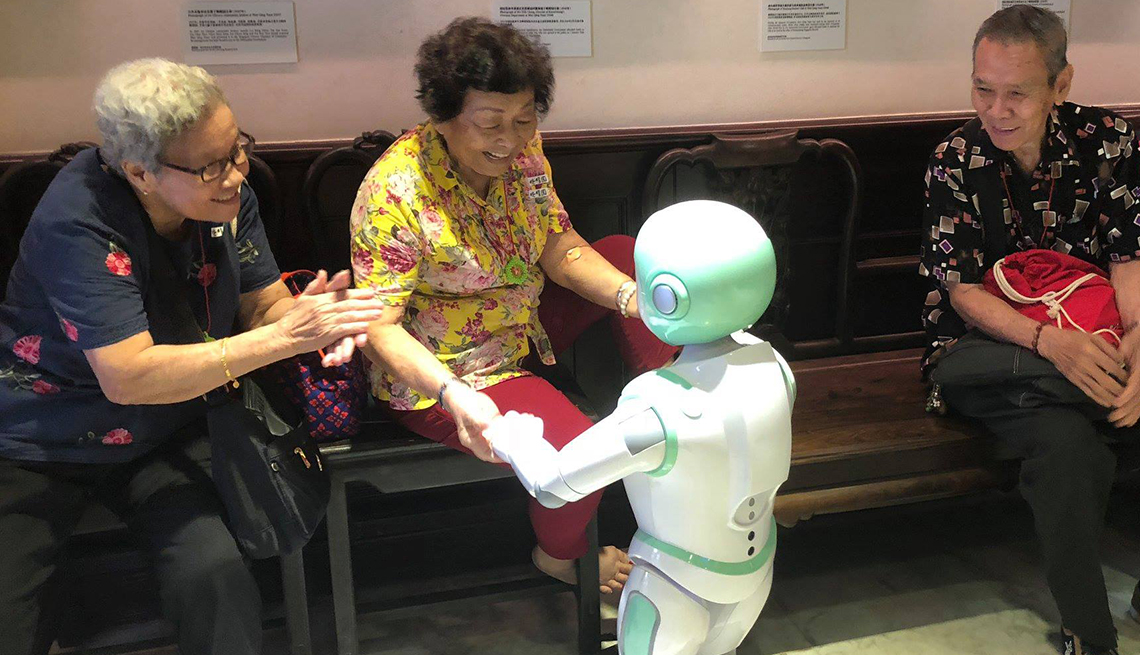
Caregiving is not just about physical assistance; emotional support plays a vital role. Research into human-robot interaction (HRI) has led to robots being designed with the ability to detect and respond to emotions. Through facial recognition, voice analysis, and behavioral cues, humanoid robots can gauge the emotional state of the elderly person they are assisting.
For example, if a robot detects that its user is anxious, it could adjust its behavior, perhaps offering comforting speech, a calming touch, or simply engaging in an activity the person enjoys. This emotional responsiveness is crucial because companionship and mental well-being are just as important as physical care in the elderly population. Robots that can provide this level of interaction could combat loneliness and improve the overall quality of life for elderly individuals.
Potential Benefits of Humanoid Robots in Elderly Care
Reducing Caregiver Shortages
One of the most immediate benefits of humanoid robots as caregivers is their potential to help alleviate the global shortage of human caregivers. Robots can work tirelessly around the clock, never needing rest or breaks. For families who struggle to provide constant care for aging relatives, humanoid robots could serve as an essential tool to supplement or even replace human caregivers in some instances.
Moreover, robots can help with tasks like administering medications, monitoring vital signs, and ensuring that elderly individuals follow their care routines without human intervention. This could help ease the burden on family caregivers, who often juggle caregiving responsibilities with full-time jobs.
Increasing Independence
For elderly individuals who wish to maintain their independence, robots could offer a crucial layer of support. For example, a humanoid robot could assist with house chores, grocery shopping, or even transportation. By providing these services, robots allow elderly individuals to live in their own homes for longer, delaying the need for institutional care or assisted living. This kind of support helps preserve dignity and autonomy, both of which are vital for maintaining a high quality of life in old age.

Enhancing Physical and Mental Health
Humanoid robots could also play a pivotal role in promoting physical and mental health in the elderly. With the ability to guide users through physical exercises or rehabilitation, robots can help elderly individuals maintain mobility and strength, reducing the risk of falls and injuries.
Mentally, robots can engage in stimulating conversations, play games, or even help with cognitive training exercises. Keeping the mind sharp and providing mental stimulation is crucial for preventing conditions like Alzheimer’s disease or other forms of dementia. Some robots are even designed to act as social companions, playing games, having conversations, and providing emotional support to stave off feelings of isolation and depression.
Challenges and Concerns
While the promise of humanoid robots in caregiving is exciting, several challenges must be addressed before they can become mainstream solutions.
Cost and Accessibility
At present, humanoid robots are expensive to develop and manufacture, making them inaccessible to many individuals and families. While prices are expected to decrease as technology advances, robots may still be out of reach for lower-income populations. Moreover, health insurance and government programs like Medicare may not cover the cost of robotic caregivers, leading to questions about who will bear the financial burden of integrating this technology into elderly care.
Ethical and Emotional Concerns
The rise of humanoid robots in caregiving brings with it a series of ethical dilemmas. One major concern is the potential loss of human connection. Many argue that robots, no matter how advanced, can never replace the emotional depth and empathy that human caregivers provide. The risk of robots offering a “false” sense of companionship may be particularly troubling for elderly individuals who are already vulnerable to loneliness.
Furthermore, the question of privacy is another critical concern. Robots capable of monitoring health data and emotional states could inadvertently violate the privacy of elderly individuals. While data security protocols could be implemented, the idea of having a robot constantly observing and analyzing one’s behavior raises serious ethical questions.
Social Impact and Job Loss
Another issue is the potential displacement of human caregivers. As robots become more capable, there may be a decline in demand for human caregivers, especially for tasks that are repetitive or physically demanding. While robots can certainly assist with caregiving tasks, there is concern that widespread automation in the caregiving industry could lead to job losses, particularly in a field that already suffers from worker shortages.
The Future of Humanoid Robots in Elderly Care
As technology continues to advance, humanoid robots could become an integral part of elderly care, working alongside human caregivers to provide both physical and emotional support. However, it’s clear that their role will never completely replace the need for human connection and empathy. Instead, robots could offer valuable assistance, allowing human caregivers to focus on tasks that require emotional intelligence and nuanced decision-making.
Ultimately, humanoid robots in caregiving could be one of many solutions in an aging society, alongside improvements in healthcare policy, training for human caregivers, and societal efforts to improve elder care. The future of elderly care may very well involve a harmonious collaboration between human workers and advanced technology—an approach that combines the best of both worlds.