








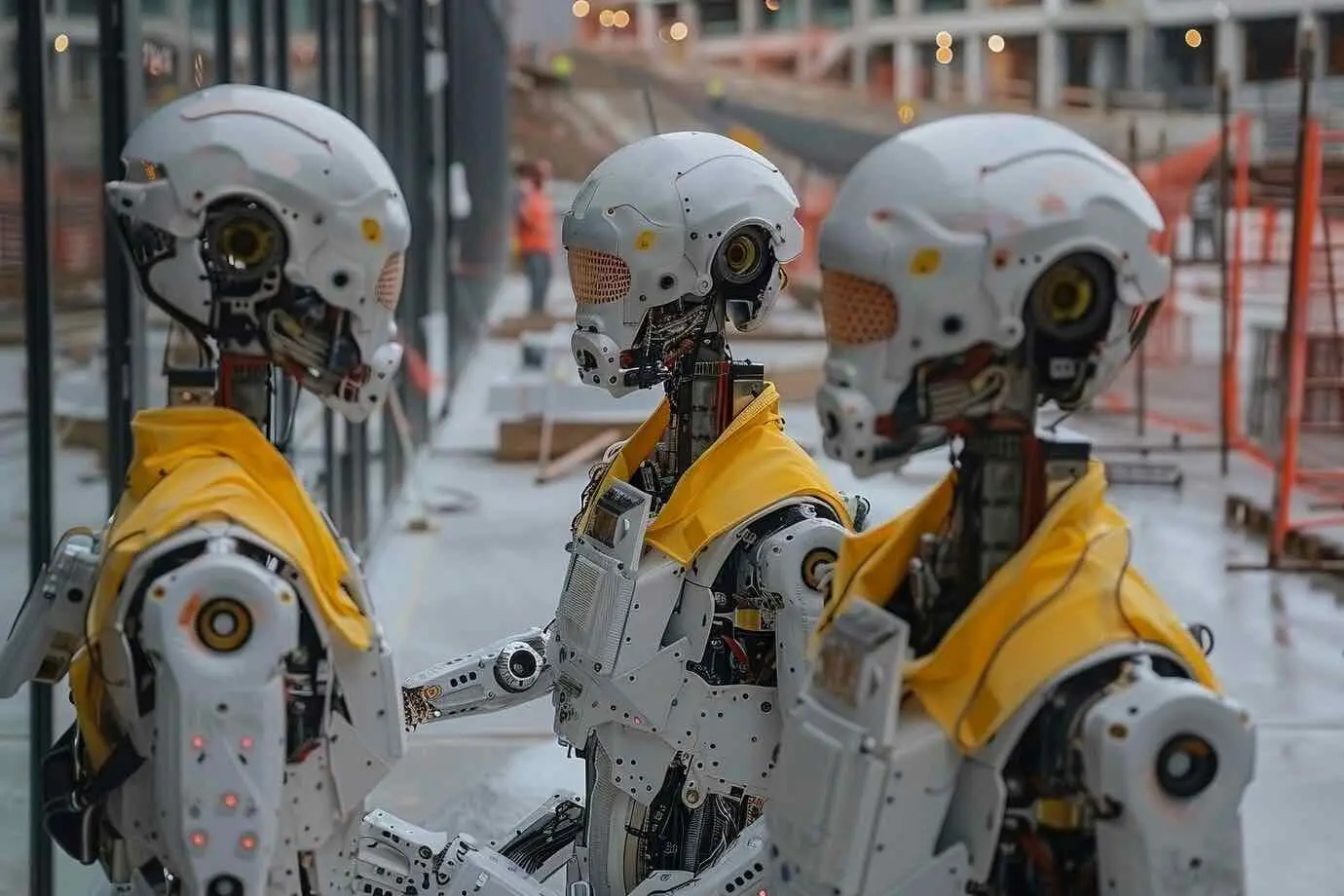

The rapid advancements in artificial intelligence (AI), robotics, and automation have ushered in a new era where humanoid robots are no longer confined to the realm of science fiction. Among the leaders in this technological revolution is China, which has emerged as a frontrunner in the development and deployment of humanoid robots. These robots, designed to replicate human actions, emotions, and appearance, have the potential to revolutionize industries, from manufacturing and healthcare to customer service and entertainment. But the question remains: Are Chinese humanoid robots poised to dominate global deployments?
This article delves into the current state of Chinese humanoid robots, explores the factors contributing to their rise, and assesses whether they are positioned to lead the global robotics market.
The Rise of Humanoid Robots in China
China has made significant strides in the field of robotics, particularly in the development of humanoid robots. Some of the country’s most advanced humanoid robots, such as Xiaobai, Jia Jia, and Erica, have demonstrated exceptional capabilities in human-robot interaction, with the ability to engage in meaningful conversations, recognize faces, and express a range of emotions. These robots are not just technological marvels but also a testament to China’s determination to establish itself as a global leader in AI and robotics.
The Chinese government has been proactive in creating an environment conducive to the growth of robotics and AI. Initiatives like the “Made in China 2025” plan have encouraged companies to invest heavily in research and development (R&D) to make China a global leader in high-tech industries, including robotics. As a result, many Chinese tech companies, including Hikvision, UBTECH, and SenseTime, are at the forefront of humanoid robotics development.
The government’s support for AI research, coupled with a massive domestic market and an increasing demand for automation across industries, has provided the perfect storm for the proliferation of humanoid robots in China. This, combined with China’s expertise in manufacturing, has enabled the country to produce humanoid robots at a competitive cost, making them more accessible to businesses and consumers alike.

The Key Factors Driving the Adoption of Chinese Humanoid Robots
There are several factors that contribute to the increasing adoption of Chinese humanoid robots, both within the country and globally. These include advancements in AI, affordable manufacturing, and a growing labor shortage in many countries.
- Artificial Intelligence (AI) Advancements: AI is the cornerstone of humanoid robotics. In recent years, China has made tremendous progress in AI research, particularly in machine learning and natural language processing. This has enabled humanoid robots to better understand and respond to human emotions, speech, and actions. Robots can now perform complex tasks, including providing customer service, assisting with caregiving, and even participating in entertainment.
- Affordable Manufacturing: One of the biggest challenges for the global robotics industry has been the high cost of developing and manufacturing humanoid robots. However, China’s established manufacturing sector has helped bring down the cost of robotics production significantly. The combination of low labor costs, access to raw materials, and highly efficient production lines has enabled Chinese companies to produce humanoid robots that are far more affordable than their counterparts in other countries.
- Labor Shortage: Many countries, particularly in the West, are facing an aging population and a shrinking workforce. This demographic shift has led to a growing demand for automation in various sectors, including healthcare, hospitality, and retail. Humanoid robots, which can assist with tasks such as elderly care, customer service, and repetitive labor, are seen as a solution to this problem. China, with its aging population and large labor force, is in a unique position to leverage humanoid robots to meet these challenges both domestically and internationally.
- Global Market Demand: As businesses across the globe seek to adopt automation technologies, the demand for humanoid robots is growing. China’s dominance in the robotics industry places it in an advantageous position to capitalize on this trend. Humanoid robots, with their ability to replicate human behavior and emotions, are ideal for industries like healthcare, hospitality, and retail, where human interaction is critical. The global market for humanoid robots is expected to grow exponentially, and China is well-positioned to meet this demand.
Key Developments in Chinese Humanoid Robots
Several Chinese humanoid robots have garnered attention for their advanced capabilities and commercial potential. These include robots for both domestic use and industrial applications.
- Xiaobai: Xiaobai, developed by Ubtech Robotics, is a humanoid robot designed to interact with humans in various environments. Xiaobai is equipped with AI-powered facial recognition, natural language processing, and speech synthesis, allowing it to hold intelligent conversations with users. It has been used in applications such as education, healthcare, and customer service, where its human-like interaction abilities are highly valued.
- Jia Jia: Known as the “Chinese Alexa,” Jia Jia is a humanoid robot developed by the University of Science and Technology of China. Jia Jia has advanced facial recognition, speech synthesis, and emotional recognition capabilities, enabling it to interact with humans in a natural, empathetic way. Jia Jia has been showcased in various public demonstrations and has garnered attention for its lifelike appearance and behavior.
- Erica: Developed by the Hanson Robotics lab in Hong Kong, Erica is one of the most advanced humanoid robots to date. Unlike traditional robots, Erica is designed to closely mimic human facial expressions and speech patterns. Erica’s highly realistic appearance and ability to engage in natural conversation make it a standout in the field of humanoid robotics.
These robots, along with others developed by Chinese companies, represent the cutting edge of humanoid robotics. They demonstrate that Chinese technology companies are not only innovating in terms of AI capabilities but also in the aesthetics and design of robots that can seamlessly interact with humans.
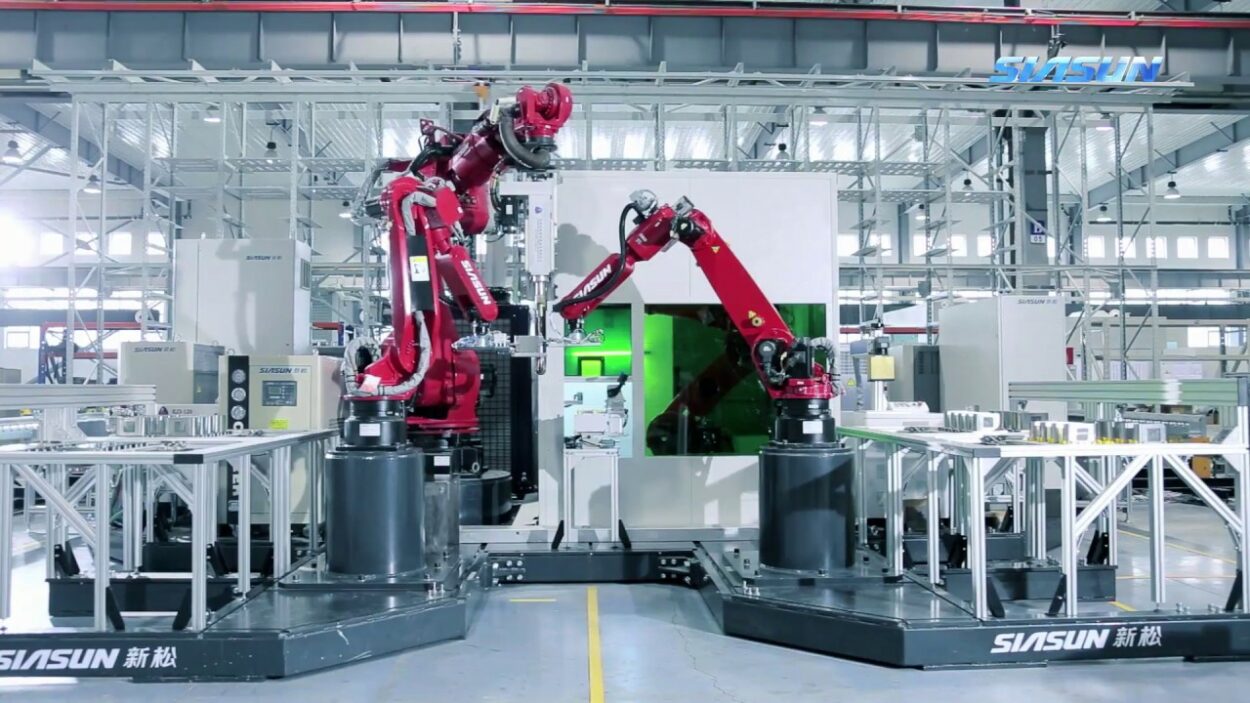
The Global Impact of Chinese Humanoid Robots
While China is certainly making waves in the field of humanoid robotics, its impact is not limited to domestic markets. The global appeal of Chinese humanoid robots is evident as companies around the world are beginning to adopt these robots for various applications.
For instance, Chinese humanoid robots are being used in countries like Japan, South Korea, and the United States, where they are being deployed for purposes ranging from elderly care to entertainment. Chinese companies are also expanding their reach by partnering with international firms to distribute humanoid robots in foreign markets.
The global demand for humanoid robots, combined with China’s competitive pricing and technological expertise, has led many countries to view Chinese robots as viable alternatives to robots from other nations. As a result, Chinese humanoid robots are becoming increasingly common in public spaces, hospitals, hotels, and shopping malls worldwide.
Challenges and Ethical Considerations
Despite the promising rise of Chinese humanoid robots, there are several challenges and ethical considerations that must be addressed before they can fully dominate global deployments.
- Cultural Differences: While humanoid robots in China may be designed to cater to the needs and preferences of Chinese consumers, deploying these robots in other countries may require significant adjustments. Cultural differences in communication styles, body language, and emotional expression may pose challenges for robots interacting with people in different parts of the world.
- Privacy and Security Concerns: As humanoid robots become more integrated into everyday life, concerns over privacy and data security have emerged. These robots collect vast amounts of data about users, including facial recognition, voice recordings, and behavioral patterns. Ensuring that this data is protected from misuse or theft is a critical issue that needs to be addressed before widespread adoption can occur.
- Job Displacement: The automation of jobs through the use of humanoid robots may lead to job displacement in certain sectors. While robots can increase efficiency and reduce labor costs, they may also result in the loss of jobs for low-skilled workers, particularly in industries such as retail, hospitality, and customer service. The societal impact of this shift must be carefully considered.
- Ethical Dilemmas: The development and use of humanoid robots raise important ethical questions, particularly regarding the relationship between humans and robots. Issues such as robot rights, the moral treatment of robots, and the potential for emotional dependency on robots must be carefully considered. Additionally, there are concerns about the potential for humanoid robots to perpetuate harmful biases, as AI algorithms may inherit biases present in their creators’ data sets.
Conclusion: A Bright Future for Chinese Humanoid Robots
Chinese humanoid robots are undoubtedly poised to play a major role in the global robotics landscape. With their advanced AI capabilities, realistic human-like interactions, and affordable manufacturing, they are well-positioned to meet the growing demand for automation across industries. However, challenges such as cultural adaptation, privacy concerns, and ethical dilemmas must be addressed before they can fully dominate global deployments.
As AI and robotics continue to evolve, China will likely remain at the forefront of this technological revolution. The next decade will be critical in determining whether Chinese humanoid robots will live up to their potential and become integral parts of daily life around the world.