








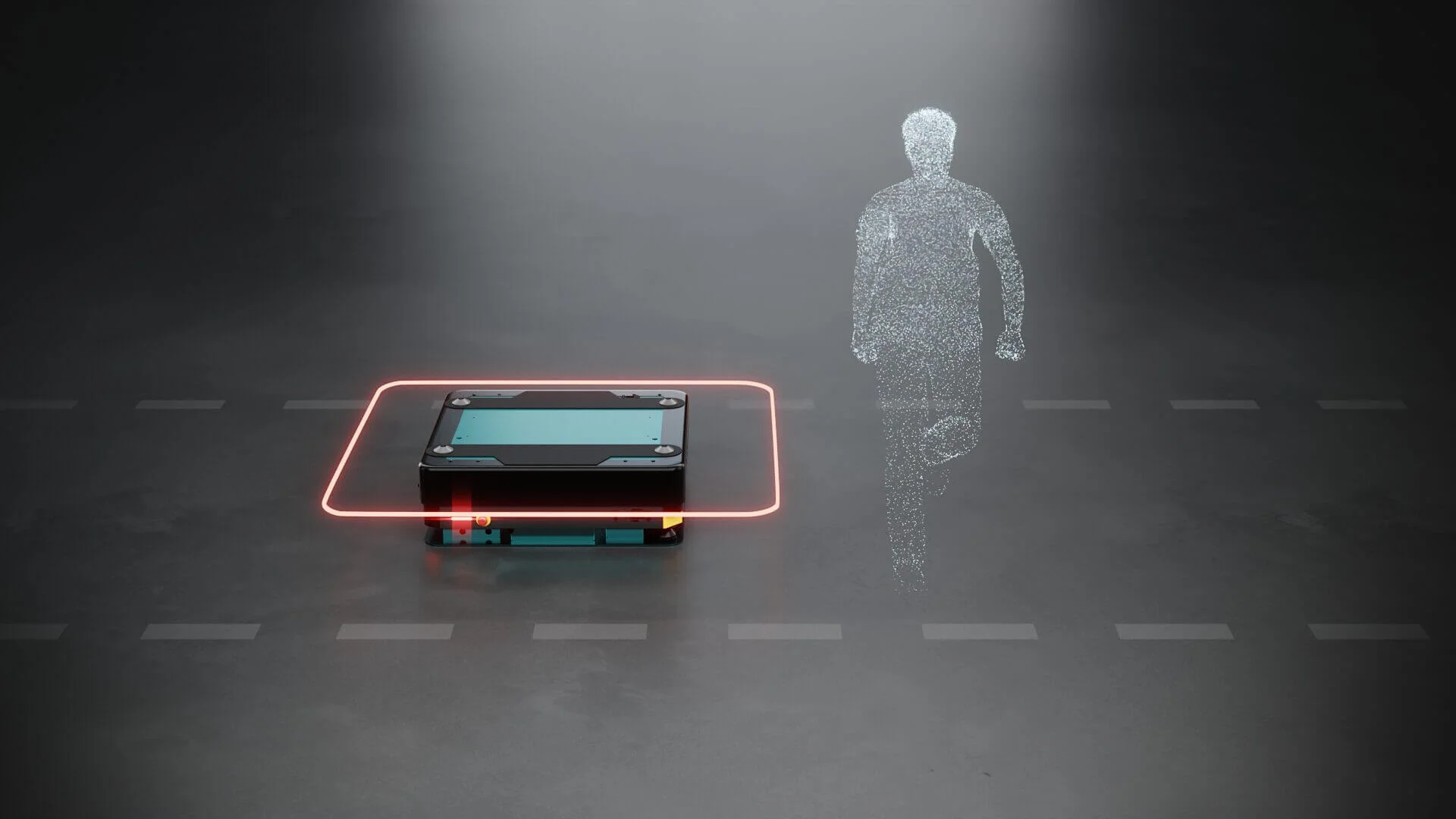

The concept of humanoids—robots designed to resemble humans in appearance or behavior—has become an increasingly prominent part of our technological landscape. With their integration into public spaces, they have the potential to revolutionize not just how we navigate those spaces but also how we interact within them. These robots, equipped with advanced sensors, artificial intelligence, and machine learning algorithms, promise to enhance both safety and efficiency in various settings, from shopping malls to transportation hubs, healthcare facilities to airports.
In this article, we will explore the role humanoids play in improving safety and efficiency, the benefits and challenges they bring to public spaces, and the ethical considerations surrounding their integration into society. From autonomous behavior to human-like interactions, humanoid robots are not just a technological marvel but a potential game-changer for the way we function in shared environments.
The Rise of Humanoids in Public Spaces
Humanoid robots, especially those designed to operate in public spaces, have become a symbol of futuristic innovation. From soft robots assisting in hospitality roles to more sophisticated designs capable of patrolling public areas for safety concerns, humanoid robots are becoming ubiquitous. These robots are equipped with an array of technologies, including sensors that allow them to perceive their environment, cameras and microphones for monitoring, and AI-driven algorithms that help them learn from their surroundings.
As artificial intelligence continues to improve, humanoids can now perform a wide range of tasks with greater precision, effectiveness, and, in some cases, empathy. In sectors like retail, healthcare, and transport, humanoids are making significant strides by filling gaps left by human workers, streamlining operations, and enhancing user experience.
Enhancing Safety with Humanoids
One of the primary reasons humanoids are being integrated into public spaces is to improve safety. Traditional safety mechanisms, like human security guards or surveillance systems, have limitations—whether it’s fatigue, human error, or the inability to provide 24/7 coverage. Humanoid robots, on the other hand, are capable of constant vigilance, offering an extra layer of security in environments that demand a high level of monitoring.
Surveillance and Monitoring
Humanoids can be deployed in public spaces for surveillance purposes. Equipped with high-definition cameras, motion detectors, and advanced AI, humanoids can analyze crowds, detect unusual behavior, and immediately notify authorities in case of a potential threat. They are able to monitor multiple locations at once, without the need for breaks, and can quickly alert security personnel in the event of an emergency.
For example, in a busy shopping mall, a humanoid robot could patrol the premises, looking for potential threats, lost children, or individuals in distress. By constantly scanning for abnormalities in behavior, the robot can help reduce response times to incidents, thereby improving the overall safety of the space.
Emergency Response
In emergencies, humanoid robots could also play a crucial role in facilitating rapid response. For instance, in the event of a medical emergency, a humanoid robot equipped with basic first-aid skills could assist by providing immediate care before professional medical personnel arrive. In cases of natural disasters, humanoid robots could help evacuate people from dangerous areas or direct them toward safe zones, effectively acting as guides in high-stress situations.
In airports or transportation hubs, humanoids can be equipped with emergency protocols and trained to assist in evacuations or crowd control. Their quick thinking and ability to make real-time decisions could drastically reduce chaos and ensure that people are guided safely out of danger.

Social Distancing and Hygiene
The COVID-19 pandemic has brought to light the importance of maintaining hygiene and social distancing protocols in public spaces. Humanoid robots have proven useful in mitigating some of these challenges. Robots can be tasked with disinfecting surfaces, delivering sanitization products, or ensuring that people are maintaining appropriate social distances.
In places like hospitals or airports, humanoids can also help screen individuals for symptoms of illness, such as checking body temperature or ensuring that mask-wearing protocols are adhered to. This reduces the strain on human staff and minimizes exposure to potential health risks.
Improving Efficiency in Public Spaces
Apart from safety, humanoids also have the potential to greatly improve efficiency in public spaces, leading to a smoother, more streamlined experience for both visitors and operators.
Streamlining Services
Humanoids can assist in streamlining services that typically require human intervention. In retail, for example, humanoid robots can act as customer service representatives, helping visitors find items, answer questions, or even make purchases. In airports, humanoids could be used for check-in assistance, baggage handling, or providing real-time updates on flight status.
The advantage of humanoid robots in such scenarios lies in their consistency and efficiency. Unlike human workers, who may become fatigued or distracted, robots can perform repetitive tasks without a decrease in performance, leading to shorter wait times, better resource allocation, and ultimately a more efficient public space.
Data Collection and Analysis
Another key area where humanoids are enhancing efficiency is through their ability to collect and analyze data. Public spaces, especially large ones like shopping centers, airports, and stadiums, generate an enormous amount of data related to foot traffic, consumer behavior, or general activity patterns. Humanoids can collect and process this data in real-time, providing valuable insights into how the space is being utilized and where improvements can be made.

For example, in a shopping mall, humanoids could track which stores attract the most foot traffic, what times of day are busiest, and which areas are underutilized. This data could then be used to optimize layout, marketing strategies, or staffing needs, leading to improved business operations.
Enhancing Accessibility
Humanoids also have a crucial role to play in enhancing accessibility for people with disabilities. Equipped with adaptive technologies, humanoid robots can assist individuals with mobility challenges, helping them navigate public spaces, access information, or even interact with other people. In a museum, for example, a humanoid robot could guide a person in a wheelchair to an exhibit, provide details about the artwork, or offer assistance when needed.
The use of humanoids in this context not only improves accessibility but also promotes inclusivity. People with disabilities often face barriers in navigating public spaces, and humanoid robots could help break down some of those obstacles.
Ethical Considerations of Humanoids in Public Spaces
Despite the numerous benefits humanoid robots bring to public spaces, their use raises important ethical considerations. From questions about privacy and surveillance to concerns about job displacement, it is essential to approach humanoid integration thoughtfully.
Privacy and Surveillance
One of the most pressing ethical concerns related to humanoids in public spaces is the issue of privacy. With their surveillance capabilities, humanoids have the potential to gather vast amounts of personal data, such as facial recognition, biometric information, and behavioral patterns. The collection and use of this data need to be carefully regulated to ensure that it is not misused.
To maintain public trust, humanoids must operate with transparency, and individuals should have the ability to opt-out of data collection if they choose. Strict regulations and oversight must be put in place to prevent unauthorized data sharing or exploitation.
Job Displacement
Another ethical dilemma is the impact of humanoids on employment. As robots take on roles traditionally performed by humans, there is concern about job displacement, particularly in industries like retail, customer service, and security. While humanoid robots may enhance efficiency, they could also reduce the need for human workers, raising questions about how displaced workers will be supported and retrained for new roles.
Policymakers must consider how to balance the benefits of automation with the protection of workers’ rights, ensuring that the transition to a more automated society does not leave people behind.
Moral Responsibility and Autonomy
As humanoids become more autonomous, the question arises about who is responsible for their actions. If a humanoid robot makes a mistake, causes harm, or fails in its duties, who should be held accountable? Should the manufacturer, the operator, or the robot itself bear responsibility?
This moral dilemma becomes even more complex when humanoids are given the ability to make decisions based on AI algorithms. If a humanoid robot autonomously decides to intervene in a dangerous situation, what ethical guidelines should govern its behavior?
Conclusion
Humanoids have the potential to greatly enhance both safety and efficiency in public spaces, offering numerous benefits across sectors such as security, healthcare, retail, and transportation. Their ability to monitor, assist, and collect data in real-time can significantly improve how we navigate shared environments, making them safer, more accessible, and more streamlined.
However, as with any technological advancement, the integration of humanoid robots into public spaces must be carefully managed. Ethical concerns regarding privacy, job displacement, and accountability need to be addressed to ensure that the benefits of humanoid robots are realized without compromising fundamental societal values.
As we continue to explore the possibilities of humanoids, one thing is clear: their presence in public spaces is likely to increase, and their potential to shape the future of our cities and communities is enormous. How we choose to embrace and regulate this new era of robotics will determine whether humanoids truly enhance safety, efficiency, and the human experience.