









Introduction
Every generation frets that machines will steal work from humans — from the first steam‑powered looms to the assembly lines of the 20th century. Today, that worry has reached a new crescendo: robots and artificial intelligence (AI) advancing so fast that they will soon take over all the jobs “humans don’t want.” But is that fear grounded in reality — or is there nuance often overlooked in sensational headlines?
To answer this question rigorously, we need to explore not just the possibility of robot job‑taking, but the mechanisms through which automation spreads, the types of work most at risk (and least at risk), and the social, economic, and ethical consequences of a future where robots handle the tasks people prefer to avoid.
This article explains current evidence, future projections, limitations of the technology, economic dynamics, and what it means for human workers. The goal is to provide a frank, accessible, and professional view of an issue shaping labor markets around the world.
Robot Revolution: A Brief History
Automation is not new. For centuries, technologies have reshaped how work gets done. But what sets today apart is the scale and intelligence of machines:
- First Industrial Revolution: Mechanical looms and steam engines replaced manual labor on farms and in textile workshops.
- Second Industrial Revolution: Assembly lines and electrical power reorganized manufacturing, eliminating some jobs while creating others.
- Digital Revolution: Computers automated information processing.
- AI and Robotics Era: Machines can perceive, learn, and sometimes decide — tasks once considered uniquely human.
Each transition sparked fears of mass unemployment. Yet historically, employment stabilized or even grew as economies adapted and new roles emerged. But there’s something different about AI + robotics: machines today are getting good at tasks humans normally consider too dirty, dull, or dangerous — jobs many of us already don’t want.
Why Robots Might Take “Jobs Humans Don’t Want”
At the core is a simple economic logic: if a machine can perform a task more cheaply, more safely, or more consistently than a human, employers will consider using it.
1. Physically Strenuous and Repetitive Work
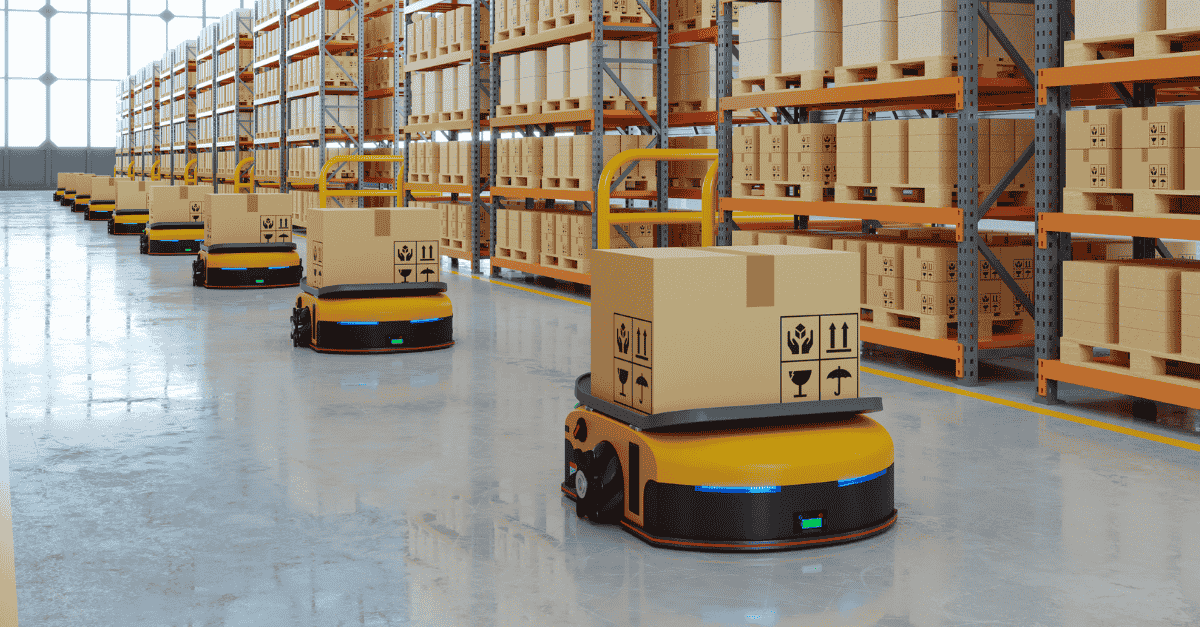
Robots have excelled at manufacturing tasks for decades — welding, painting, packing — and newer humanoid robots are now stepping beyond fixed factory lines into more dynamic environments like warehouses and logistics hubs.
These are the jobs people often dislike because of physical strain or dull repetition — moving heavy crates, monitoring conveyor belts, handling dangerous goods, or cleaning hazardous environments. Robots can work continuously, don’t get tired, and don’t need breaks.
2. Unpleasant, Hazardous, or Dangerous Jobs
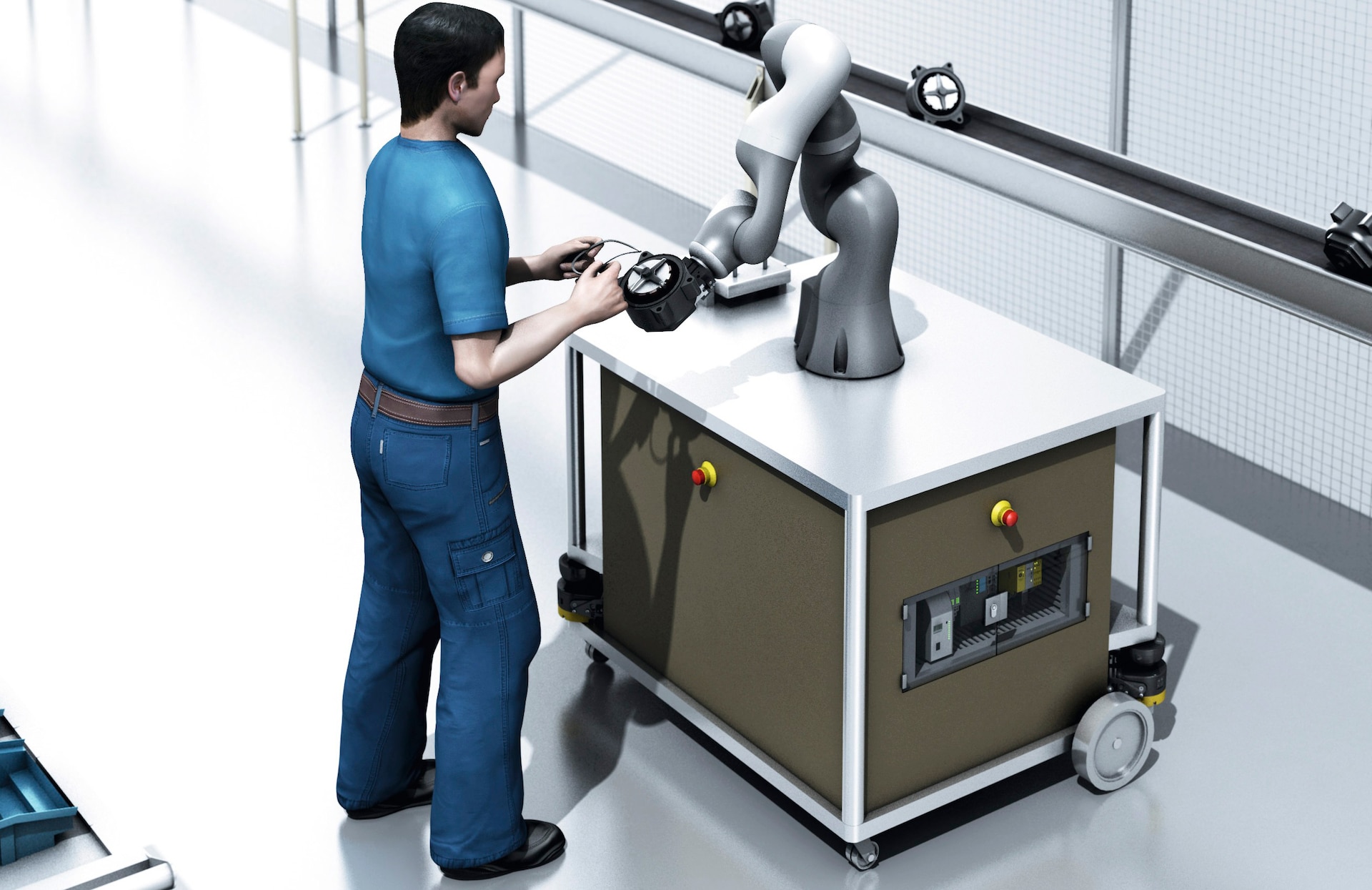
Certain tasks carry significant risk — firefighting, deep‑sea oil rig maintenance, toxic waste handling, disaster recovery, mining, or bomb disposal. Robots already assist in these areas and are likely to take on more responsibility as technologies improve.
Even in military contexts, autonomous systems can perform tasks too risky for humans — but these raise complex ethical and legal challenges (especially regarding civilian safety and accountability).
3. Tasks with Predictable Patterns
Taxonomy research suggests jobs with predictable, repetitive components (like basic data entry, scanning documents, routine QA checks) are highly susceptible to automation. Advanced models can now parse forms, detect anomalies, and even write simple reports — jobs that once required basic human judgment.
But Robots Aren’t Perfect — Yet
While headlines often forecast dramatic automation, the reality on the ground is more complex.
1. Physical and Cognitive Limitations
Even today’s most advanced humanoid robots are far less capable than humans at general tasks requiring balance, dexterity, or adaptation to unpredictable environments. Many prototypes can perform specialized jobs (like stacking boxes), but remain inefficient or expensive for broader labor use.
2. Errors, Costs, and Practical Deployment
AI and robotic systems are not infallible. They make mistakes, lack common sense, and often require human oversight or intervention — which means humans still play crucial roles. Moreover, the cost of robust deployment (for example, fleet automation in logistics) is high relative to hiring entry‑level humans in many regions.
3. Tasks Robots Struggle With
Some jobs are inherently difficult for machines:
- Creative design and improvisation — artistic work, strategic thinking.
- Complex social interaction — counseling, dispute resolution.
- Contextual judgment — many caregiving or customer service roles.
AI tools can augment humans in such roles but not fully replace them, especially where emotional intelligence or innovation is central.
Economic and Social Dynamics
Fear vs. Opportunity
Surveys show a large portion of the public believes robots and AI will take jobs — but many people don’t fear losing their own job. This reflects a common paradox: automation is expected, yet its personal impact feels abstract.

Economic research suggests automation may displace certain roles while expanding or creating others, such as robot maintenance, AI oversight, data analysis, and new creative professions.
The Changing Nature of Work
Rather than a simple binary — humans vs. robots — the future points toward human–machine collaboration:
- Robots handle repetitive, unsafe tasks.
- Humans focus on creativity, strategic thinking, empathy, and complex problem‑solving.
This augments productivity and can elevate human work — if society invests in education and skill development.
Inequality and Policy Challenges
Automation can disproportionately affect workers with less formal education or fewer transferable skills. Redesigning social safety nets, improving retraining programs, and implementing policies that distribute productivity gains equitably are key political and economic challenges in coming decades.
Ethical, Social, and Human Considerations
Even if robots take jobs humans don’t want, society must ask critical questions:
- Responsibility and fairness: Who is responsible when a robot makes a mistake?
- Value of work: What happens to human identity and dignity when work is no longer central?
- Distribution of gains: How do we ensure productivity gains benefit workers, not just owners of capital?
These concerns extend beyond labor markets into ethics, social cohesion, and public policy — shaping how and whether automation is accepted or regulated in society.
Looking Ahead: A Balanced Perspective
The future is neither a robot‑dominated dystopia nor a simple continuation of current trends. Instead:
- Some “undesirable” work will be automated — especially repetitive, hazardous, or highly structured tasks.
- Other work will evolve, merging human strengths with machine assistance.
- New jobs — some we can’t yet imagine — will emerge as technology reshapes industries.
The key is preparation — education, regulation, and ethical frameworks that help humans and machines work together.
Conclusion
So, will robots take over the jobs humans don’t want?
Yes — to an extent. Automation will increasingly handle tasks that are physically difficult, dangerous, or monotonous. But complete takeover isn’t imminent or absolute. Humans will continue to do meaningful work — especially where judgment, creativity, empathy, and innovation matter most.
Rather than fearing robots, societies should focus on how to integrate them sustainably and equitably — ensuring that technological progress enhances human life, not undermines it.