








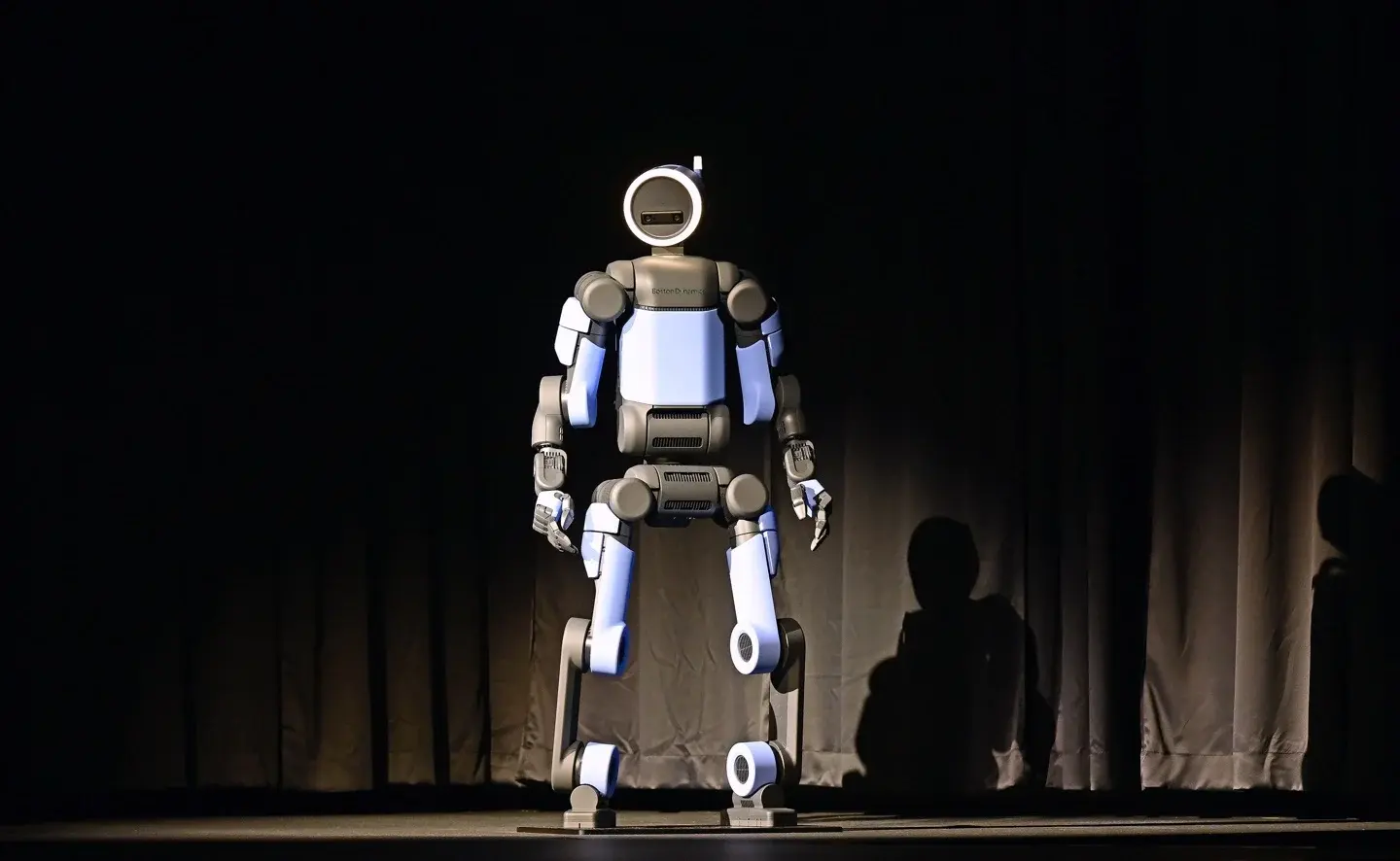

In 2026, the world finds itself at a pivotal juncture for humanoid robotics—an era where science fiction increasingly meets industrial reality. Advances in artificial intelligence, robotics engineering, perception systems, and manufacturing scalability have collectively accelerated this decade’s most intriguing technology theme: humanoid robots. As investors, analysts, and corporate leaders grapple with this emerging paradigm, one burning question persists: Will stock markets reward humanoid robotics players in 2026? The short answer is yes—but with important caveats and nuances.
This article explores the underlying dynamics of the humanoid robotics ecosystem, identifies the key players and investment themes, evaluates risks and opportunities, and offers a forward-looking guide for investors who want to understand where and how the market may reward participation in this evolving sector.
1. The New Reality of Humanoid Robotics
Humanoid robots differ from conventional industrial robots by virtue of their human-like form and potential for operation in human environments. This feature opens possibilities across sectors ranging from manufacturing and logistics to service, healthcare, caregiving, and even entertainment. Recent industry reports suggest the global humanoid robot market, still nascent today, is transitioning from research prototypes to commercial deployment.
Production targets for humanoid robots are scaling rapidly. For example, a leading industry forecast indicates that players like Tesla, BYD, and Agility Robotics are targeting substantial unit outputs by 2026—signaling a shift from pilot production to industrial-scale manufacturing.
Investors see this not just as a robotics story, but as a transformative leap in automation, AI-empowered physical systems, and productivity enhancement. As such, markets are beginning to price in future growth long before profits show up on the balance sheet—a recurring pattern seen previously with cloud computing, electric vehicles, and AI software.
2. Market Dynamics: Production, Adoption, and Cost Curves
Commercial Rollouts and Production Plans
Key players have made bold announcements about humanoid robot production:
- Tesla’s Optimus robot project has been linked directly to future revenue growth forecasts, and investor enthusiasm has already lifted Tesla’s share price in anticipation of robotics milestones.
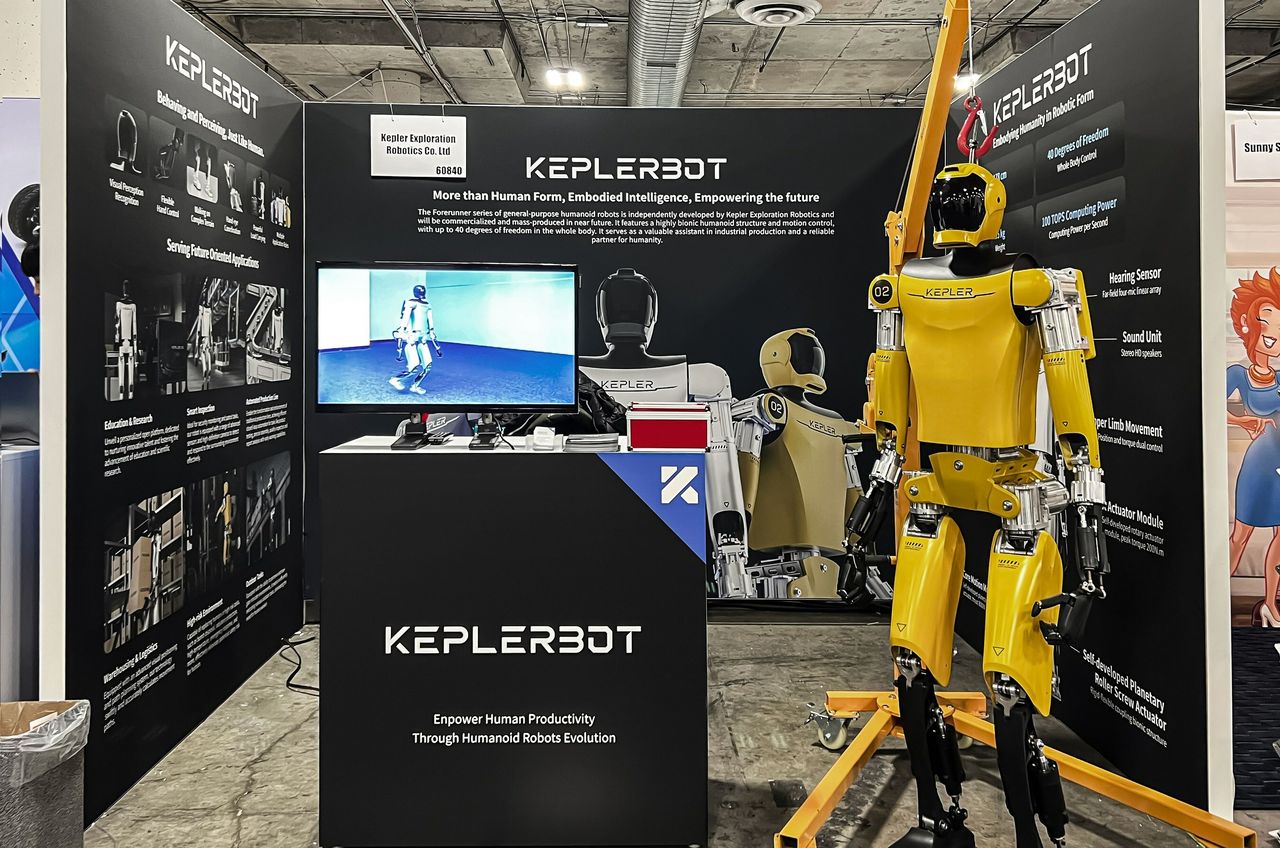
- Chinese manufacturer UBTech has secured deals with Airbus and other major industrial partners, and plans to expand humanoid robot deployment.
- Robotics startups such as Apptronik have raised substantial capital to produce robots for industrial logistics and manufacturing markets.
Such developments underscore that humanoid robots are no longer confined to R&D labs—they are now entering real-world deployment and commercial partnerships, which markets view favorably.
Falling Costs and Scaling Effects
One of the most powerful dynamics driving adoption is the rapid decline in cost structures. Reports note that manufacturing costs have fallen by roughly 40% year-over-year, and certain models are approaching price points previously thought impossible. Falling hardware and production costs not only improve the ROI case for corporate adoption but also make humanoid robotics a more attractive story for equity investors.
Market Forecasts
While precise figures vary by analyst and timeframe, forecasts point toward significant growth:
- One research projection anticipates the humanoid robotics market could expand significantly through the 2030s.
- Another report predicts steady market expansion with a strong CAGR through the next decade.
These forecasts suggest that even if 2026 is still early in the hype cycle, the trajectory toward commercialization and scale is unmistakable.
3. Stocks, Equity Themes, and Investing Strategies
Humanoid robotics is not strictly a single stock bet—it is an ecosystem of technologies and sectors:
Direct Humanoid Robotics Players
- Tesla (Nasdaq: TSLA): Tesla’s Optimus humanoid robot project has become a long-term strategic narrative for the company and has influenced its stock price in anticipation of robotics milestones.
- Component and Enabler Stocks: Companies that supply key AI hardware, sensors, actuators, and perception technologies may benefit as robotics adoption spreads. These include semiconductor and AI processor leaders that power advanced robotic systems.
Adjacent and Enabling Themes
- Automation and Industrial Robotics: Broader robotics and automation companies are likely to capture near-term revenue growth as factories and logistics centers integrate humanoid and non-humanoid robotic solutions.
- AI and Software Platforms: AI systems that enable perception, decision-making, and human-robot interaction are central to the value proposition and may be a major source of long-term returns.
Diversification and Thematic Exposure
Investors often mitigate risk by diversifying across multiple stocks or through thematic funds that encompass:
- Automation and robotics indexes
- ETFs focusing on AI, automation, and future industrial technologies
Such diversification can help smooth the volatility inherent in early-stage technology themes.
4. Risks and Challenges Investors Should Consider
While the potential is compelling, there are real risks and challenges that must be factored into any investment strategy:
Execution Risk and Production Delays
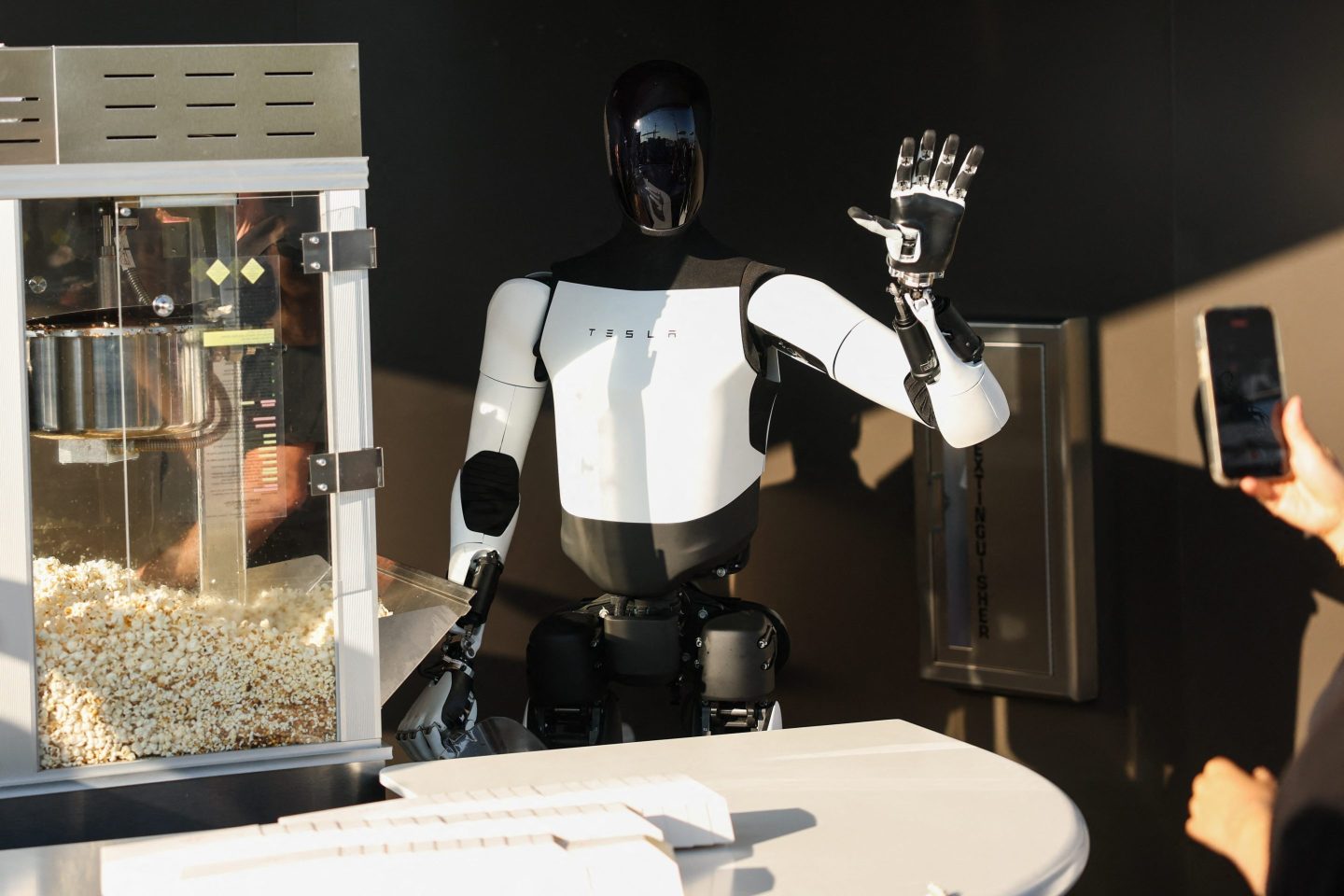
Highly publicized projects, including Tesla’s robotics initiatives, have faced production challenges and slower-than-expected ramp-ups. Reports indicate that initial manufacturing of Optimus and related technologies may be “agonizingly slow” as supply chains and production systems are built from scratch.
Efficiency and Practicality
Despite headlines, current humanoid robots often perform tasks at less than full human efficiency, especially in unstructured environments—a key limitation that may slow adoption and revenue generation from commercial deployments.
Market Expectations vs. Reality
Equity markets can be swayed by optimism and future potential. However, when valuation is tied to expectations of future revenue, any delay or setback can lead to rapid repricing and higher volatility.
Broader Economic and Regulatory Headwinds
Even with strong technological progress, macroeconomic factors such as interest rates, global supply chain disruptions, trade policy, and regulation could influence investor sentiment and impact capital flows into high-growth tech segments.
5. Long-Term Story: Beyond 2026
Humanoid robotics is ultimately a multi-decade trend where near-term milestones (such as commercial deployments and scaled production) feed into longer-term value creation. Analysts have posited that annual humanoid robot production could reach millions of units in the 2030s, and technology improvements may drive applications in caregiving, consumer robotics, and services.
For investors willing to adopt a longer horizon, 2026 may be a year where valuation narratives solidify, early adopters gain market share, and execution success stories emerge. Those who enter before mainstream adoption may benefit disproportionately if the industry continues along its projected growth path.
6. Practical Guide for Investors in 2026
Look for Fundamental Milestones
Monitor metrics such as:
- Robot unit deliveries and production volumes
- Commercial contracts and partnerships
- Revenue growth and profit trajectory
These real-world indicators matter far more than speculation alone.
Balance Risk and Reward
Combine:
- Established equities with robotics exposure,
- Growth and innovation plays in AI and automation,
- Diversified thematic investments to manage volatility.
Watch Global Trends
Different regions are pursuing robotics for varied reasons—from labor shortages and productivity gains to strategic technological leadership. These macro forces influence capital flows and valuation trends.
Conclusion: Reward Potential in 2026
Will stock markets reward humanoid robotics players in 2026? Yes—especially for companies with demonstrable technology adoption, clear paths to revenue, and strong strategic positioning. For speculative players without solid fundamentals, market enthusiasm may prove fleeting. Savvy investors should focus on execution milestones, production progress, and broader market adoption rather than hype alone.
The humanoid robotics era is unfolding. While 2026 may not mark the full arrival of mass commercial robots in everyday life, it will likely be remembered as the year the market began to price robotic potential into tangible valuations. For patient and informed investors, the rewards may be worth the wait.