








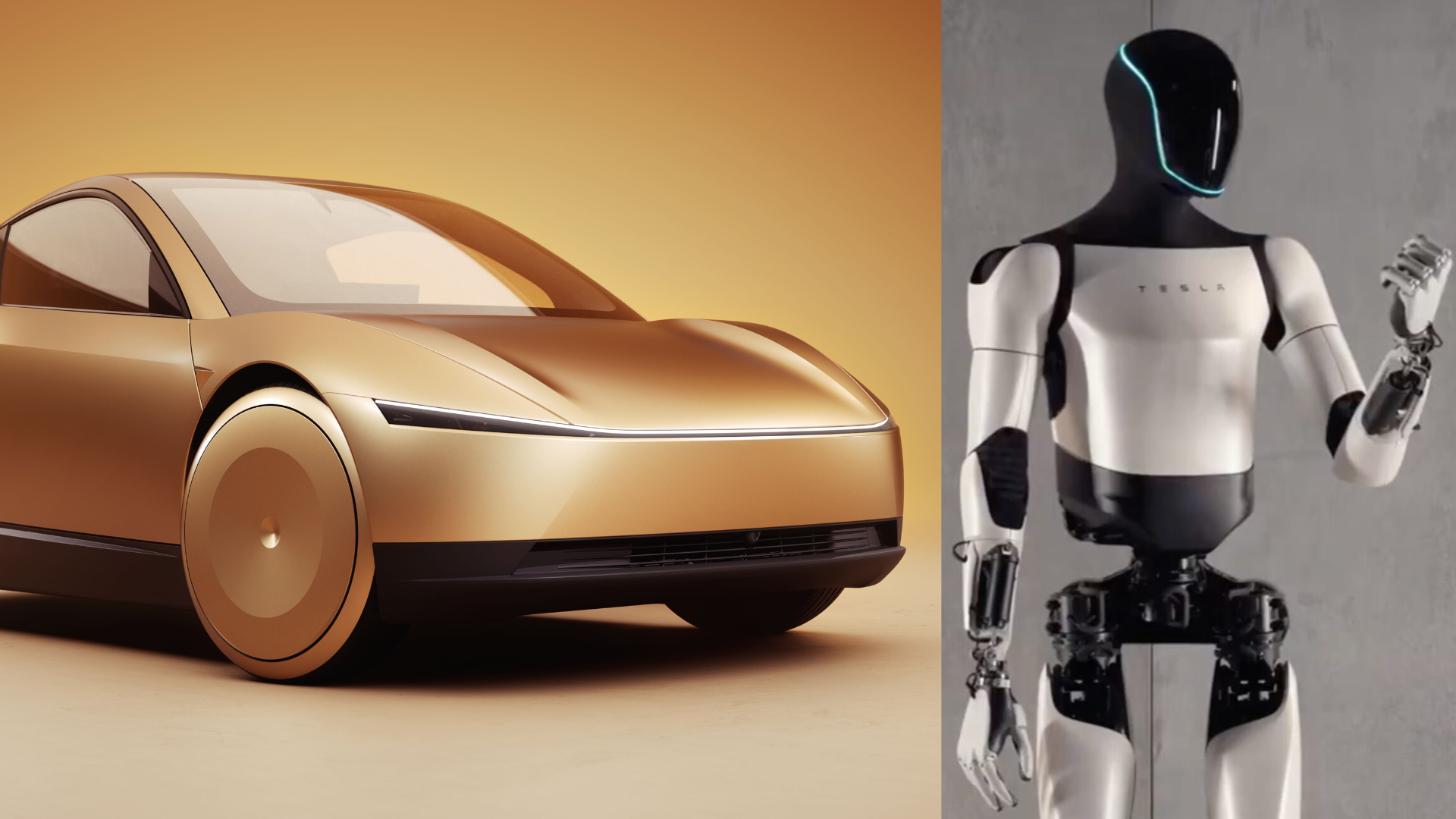

The year 2026 is increasingly being framed not just as another milestone in robotics — but as a potential inflection point where humanoid robots shift from experimental curiosities and prototype demos to commercial reality with broad industrial, service, and even consumer applications.
This leap isn’t defined by a single product launch or hype cycle, but by a complex convergence of technology maturation, supply-chain readiness, production scaling, investment surges, and real-world deployments. Across the globe, companies, venture capitalists, governments, and industry analysts are signaling that humanoid robots — machines designed to look and move in a human-like way — are finally entering an era of practical commercialization.
Below, we unpack what makes 2026 such a defining year, what commercialization actually means in context, and why this moment matters for the economy, society, labor markets, technology, and the very fabric of human–machine interaction.
1. What Does “Commercialization” Really Mean?
Before diving into timelines and predictions, it’s worth clarifying what commercialization actually entails:
- Scale production beyond labs and pilots, meaning robots are manufactured in quantities large enough to justify supply chains, aftermarket support, and stable pricing.
- Real deployments that provide measurable economic value, whether in factories, warehouses, healthcare settings, hospitality, agriculture, or homes.
- Business models that sustain long-term revenue, such as sales, leases, or Robotics-as-a-Service (RaaS).
- Ecosystems around safety, regulation, standards, and usability, not just flashy demos.
Against these criteria, 2026 is less about a singular “big bang” and more about commercial momentum reaching a critical threshold.
2. Tech Breakthroughs: AI, Sensors & Mobility — A New Trinity
One of the biggest shifts between 2025 and 2026 is that AI integration, perception systems, and mechanical reliability have advanced to the point where robots can operate — not just demonstrate — in more complex environments:
AI & Autonomy
The infusion of powerful learning systems and physical AI has given robots the ability to:
- Interpret human cues and environmental complexity.
- Perform tasks without explicit, rigid programming.
- Learn from simulations and real interactions in unpredictable contexts.
Sensors & Perception
Modern humanoids are equipped with:
- Multimodal sensory inputs (vision, touch, proprioception).
- Edge compute and real-time decision making.
- Improved navigation in real human spaces (not just flat lab floors).
Mechanics & Power
Mechanical engineering is catching up with AI vision:
- Batteries last longer (hours rather than minutes on a demo stage).
- Joints and limbs are more sturdy, versatile, and task-ready.
- Flexible designs support a range of tasks from logistics to caregiving prototypes.
These constructive overlaps between hardware and software are what turn science projects into deployable solutions.

3. Market Signals: Investment and Production Targets Surge
Commercialization isn’t just a technical debate — it’s a market reality. Multiple independent market research firms have highlighted that 2026 will be a year of decisive commercialization acceleration:
- Global shipments of humanoid robots are expected to surpass 50,000 units in 2026, a dramatic growth jump from previous years and a sign of scaling beyond proof of concept.
- Investment rounds in 2025 drew multiple hundreds of millions — even billions — in venture capital, signaling strong investor belief in near-term commercial returns.
- Companies like Tesla, Agibot, BYD, Unitree, and others are building production lines designed for tens of thousands of units annually, rather than the hundreds or low thousands typical of prototypes.
This financial momentum helps ensure that humanoid robots will not be another lab artifact but part of global industrial supply chains.
4. Early Deployments: From Factories to Everyday Workflows
While many futuristic visions focus on robots in homes or as “personal assistants,” real commercialization starts where the economics are clearest: workplaces where labor shortages, repetitive tasks, or safety needs justify automation.
Factories & Logistics
Robots are already being used in:
- Assembly lines and material transport.
- Warehouses and distribution centers.
- Heavy manufacturing where human safety risk is high.
Early deployments have moved from demos to pilot projects, where robots complete designated tasks on the floor with safety protocols, metrics, and real KPIs.
Service & Hospitality
Hotels, retail, and customer service environments are testing humanoid robots for:
- Reception, guiding visitors, delivering items.
- Routine customer interaction tasks.
These are early albeit limited footprints, but they indicate commercial viability outside strict industrial settings.
5. Ecosystem Evolution: Regulation, Standards & Safety
Commercialization in any transformative technology isn’t just about manufacturing and software — it’s about institutional frameworks that allow safe, scalable use.
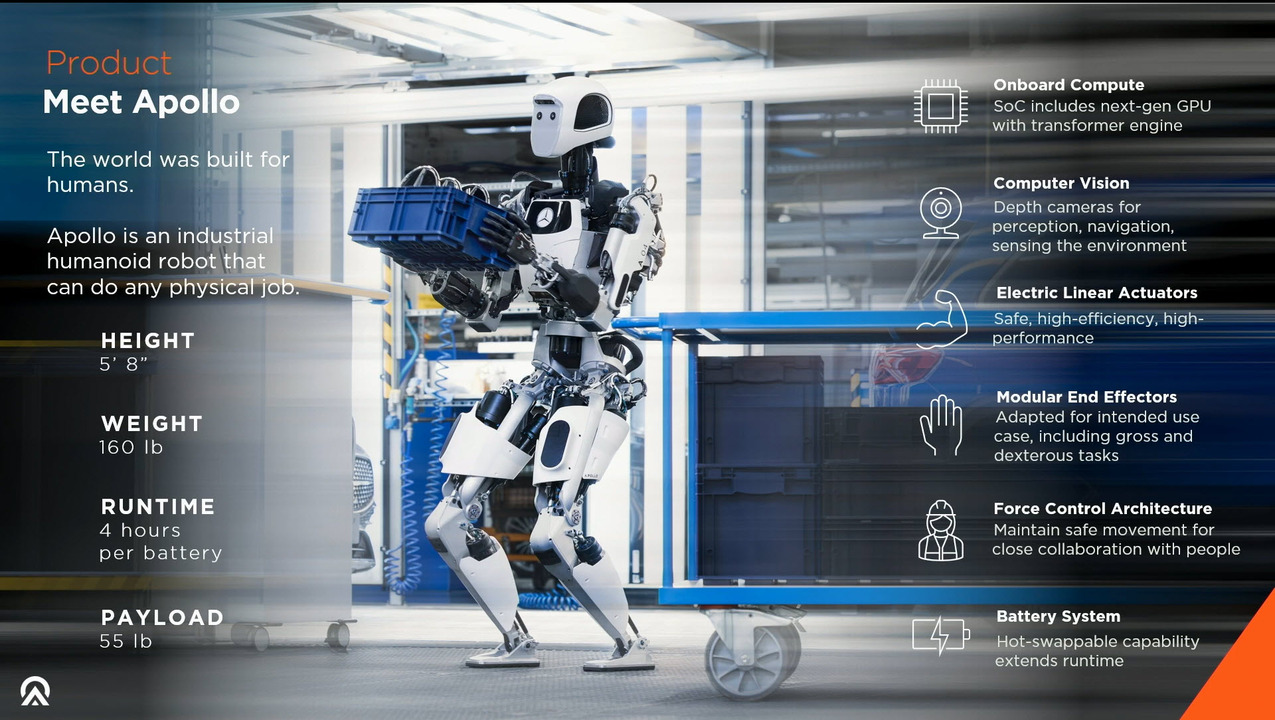
2026 is seeing:
- Emerging safety standards for robots operating around humans.
- Policy discussions at national and international levels about certification procedures.
- Early regulatory guidelines for liability, data usage, and operation in public spaces.
Humanoid robots interacting with people introduce entirely new regulatory contexts, from how data is collected to how accidents are adjudicated.
6. Challenges: Why 2026 Isn’t a Done Deal
Despite growth, significant obstacles remain:
Technical Hurdles
- Many humanoids still lag behind human efficiency in complex manipulation.
- Battery and energy limitations constrain operating time and range.
- Complete autonomy in unstructured environments remains imperfect.
Economic Viability
Cost remains non-trivial, though prices are dropping fast.
Subscription models like Robotics-as-a-Service (RaaS) may be key to adoption where owners avoid upfront costs.
Public and Workplace Trust
- Workers and unions express concern about job displacement and human impact.
- Public acceptance of robots working side-by-side with humans is still evolving.
These challenges don’t negate commercialization — they shape the kind of commercialization we’ll see in the near term.
7. What Kinds of Commercialization Will Define 2026?
When we say 2026 is the inflection point, we mean this:
1) Operational Deployment
Robots are no longer science demos — they are being tested and used in real workflows with measurable impact.
2) Scaled Production
Manufacturers are preparing lines capable of tens of thousands of units — a prerequisite for market penetration.
3) Business Models
Service subscriptions, lease options, and even insurance models are emerging to support robotic fleets.
4) Ecosystem Support
Standards, policies, and cross-industry collaborations are being drafted precisely because robots are arriving.
8. Looking Beyond 2026: The Path to Mainstream
Even with all this momentum, the full-bore humanoid robot economy is still ahead:
- Analysts forecast explosive long-term growth, potentially into trillions of dollars over decades.
- Broader consumer adoption — robots in homes, caregiving roles, or personal use — will depend on further cost declines and safety/social trust rhythms.
Thus, 2026 isn’t the final destination — but it may be the year commercialization becomes undeniable.