








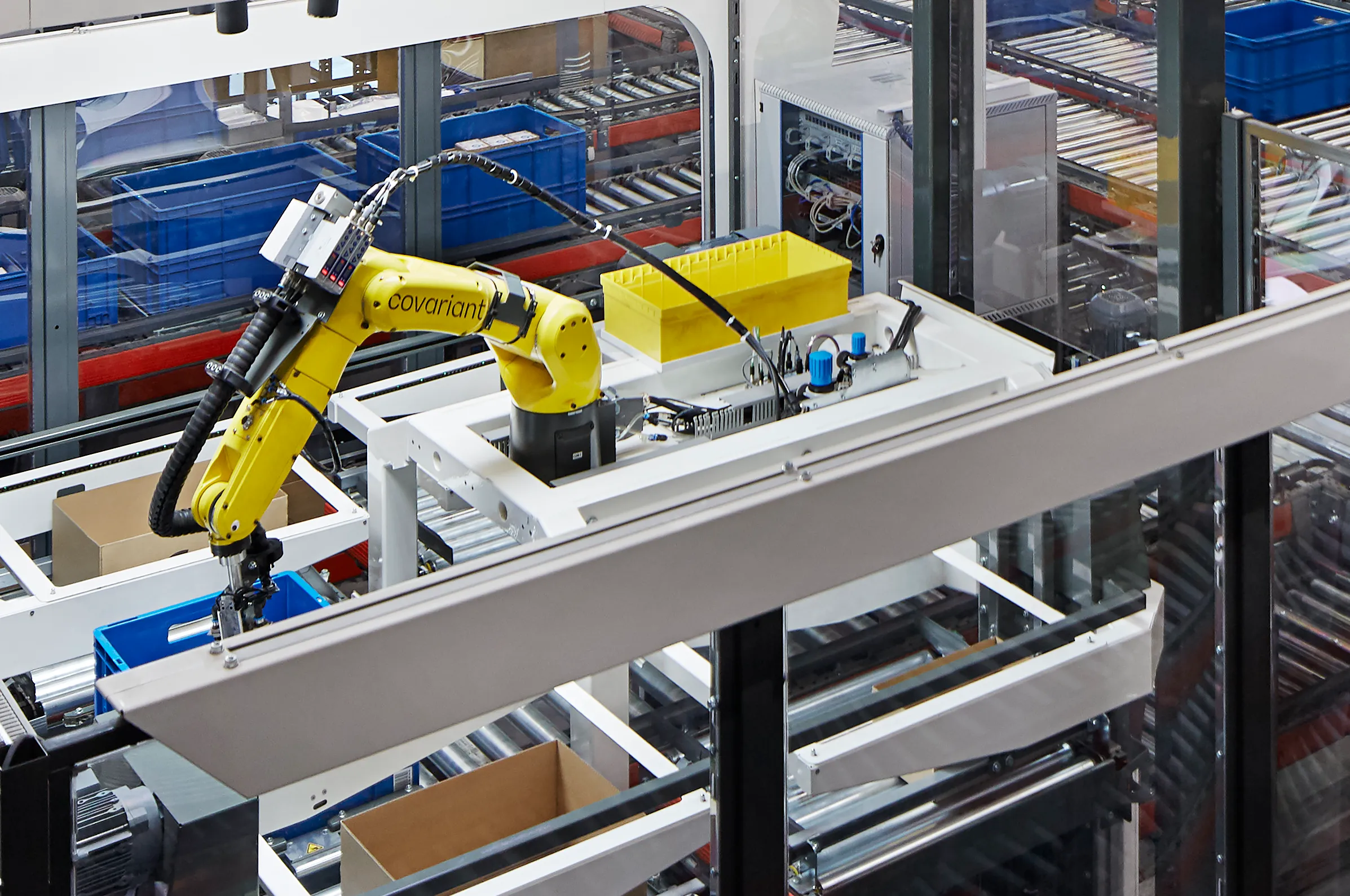

For the past six months, warehouse robotics has shifted from “automated tools” to learning, adapting and evolving teammates in fulfillment centers and logistics hubs around the world. This report dives into the core lessons these robots have actually learned, the technological breakthroughs that enabled those lessons, and what warehouse operators, engineers, and strategists are discovering as a consequence.
By blending real-world industrial insights with cutting-edge research and market trends, we cover the technical, operational, and business facets of warehouse robotics in a way that’s engaging, data-grounded, and aligned with both SEO and high readability principles.
1. From Pre-Programmed to Self-Improving Robots
Traditionally, warehouse robots performed static tasks based on predefined commands: traverse a fixed path, pick a specific SKU, or place a tote in a fixed rack. Over the last six months, this paradigm has changed:
- Warehouse robots are now using machine learning and AI frameworks that enable them to adapt behaviors from data, rather than just follow hardcoded instructions. They update navigation strategies, optimize pick orders, and dynamically reroute around obstacles in real time.
- Research advancements — particularly in deep learning and reinforcement learning — are enabling robots to tackle complex picking challenges in environments where items appear in arbitrary orientations and contexts.
This shift is significant: robots are not just faster, they are increasingly smart.
2. Perception and Navigation: Learning to See and Think
The warehouse floor is a sensory jungle: customers’ orders arrive in hundreds of shapes and sizes, human workers wander the aisles, and layouts change daily. The last six months have seen robots evolve from reactive motion followers into perception-driven navigators:
- AI vision systems and advanced sensors let robots identify objects, avoid obstacles, and recognize human workers in real time.
- Some systems now fuse real-time perception with reinforcement learning so that robots learn from navigation errors — they don’t just detect obstacles, they learn better detours and paths as conditions change.
- Instead of rigid guides (like QR codes or magnetic strips), robots learn true spatial awareness and use simultaneous localization and mapping (SLAM) to update warehouse maps autonomously.
What does that mean? Robots increasingly understand context, not just commands.
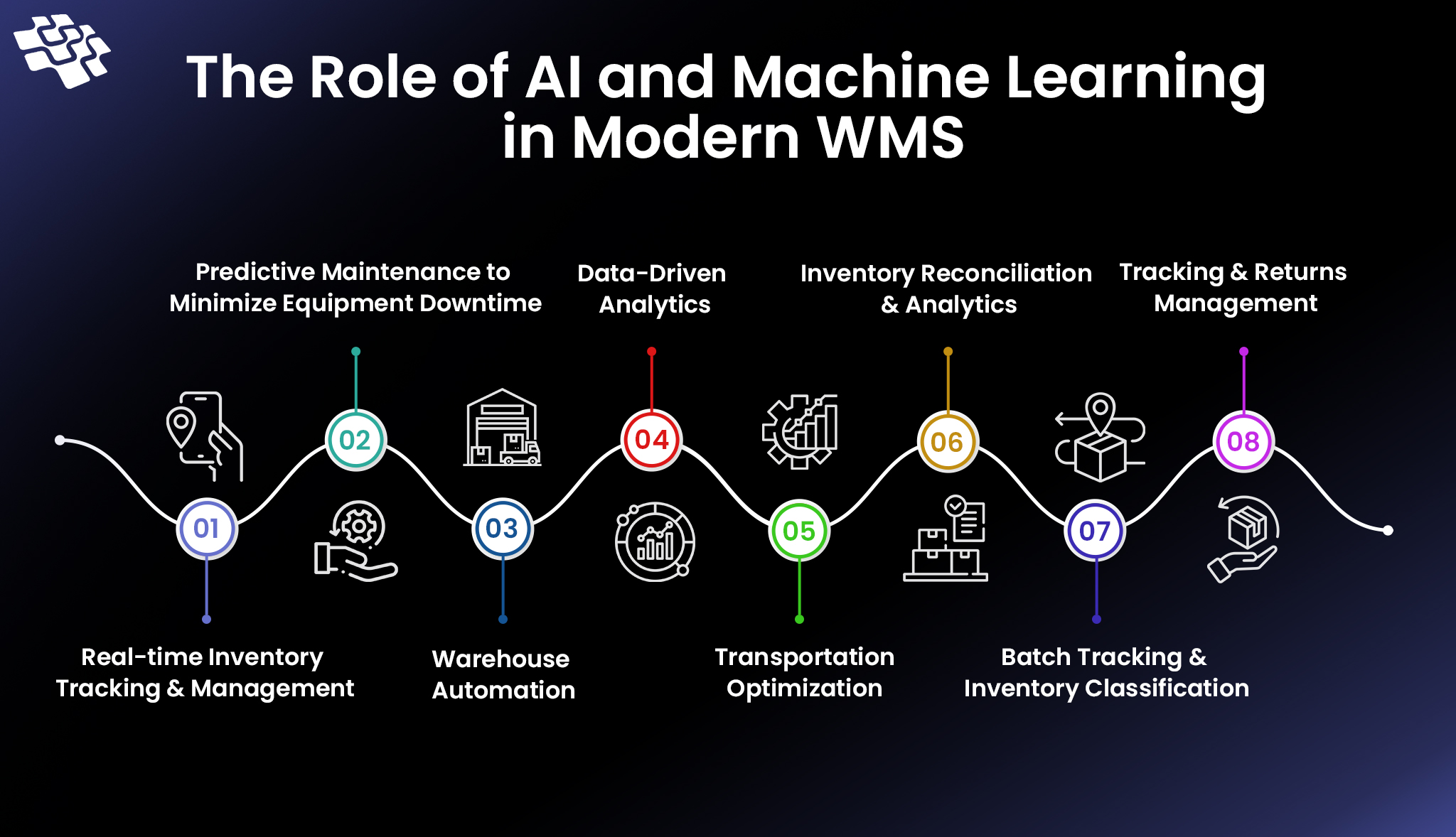
3. Picking and Manipulation: Robots Learning Dexterity
Picking items used to be the “holy grail” of warehouse robotics — easy to automate in theory but extremely hard in practice due to irregular shapes, slippery surfaces, and complex packing. This is changing fast:
- Advanced deep learning models help robot arms recognize dozens of SKU types and improve grasping success rates over time.
- Robots now adjust force and orientation based on feedback from tactile and vision sensors, meaning they can interact more gently and intelligently with products.
- Machine learning models trained on real pick operations (rather than synthetic simulations) are giving robots real intuition about picking behavior.
In short: robots are no longer blind grabbers — they are learning how to handle products with better judgment.
4. Multi-Robot Cooperation: Learning to Work as a Team
A major lesson from the last half-year across labs and facilities is that multi-robot systems benefit from collaborative learning:
- Multi-agent reinforcement learning (MARL) techniques are enabling robots to coordinate routes and tasks optimally rather than competing for resources.
- Robots share learned experiences and path strategies across fleets, which means that each robot benefits from the collective intelligence of thousands of missions completed elsewhere.
This is like a fleet of autonomous students — and every warehouse becomes a classroom.
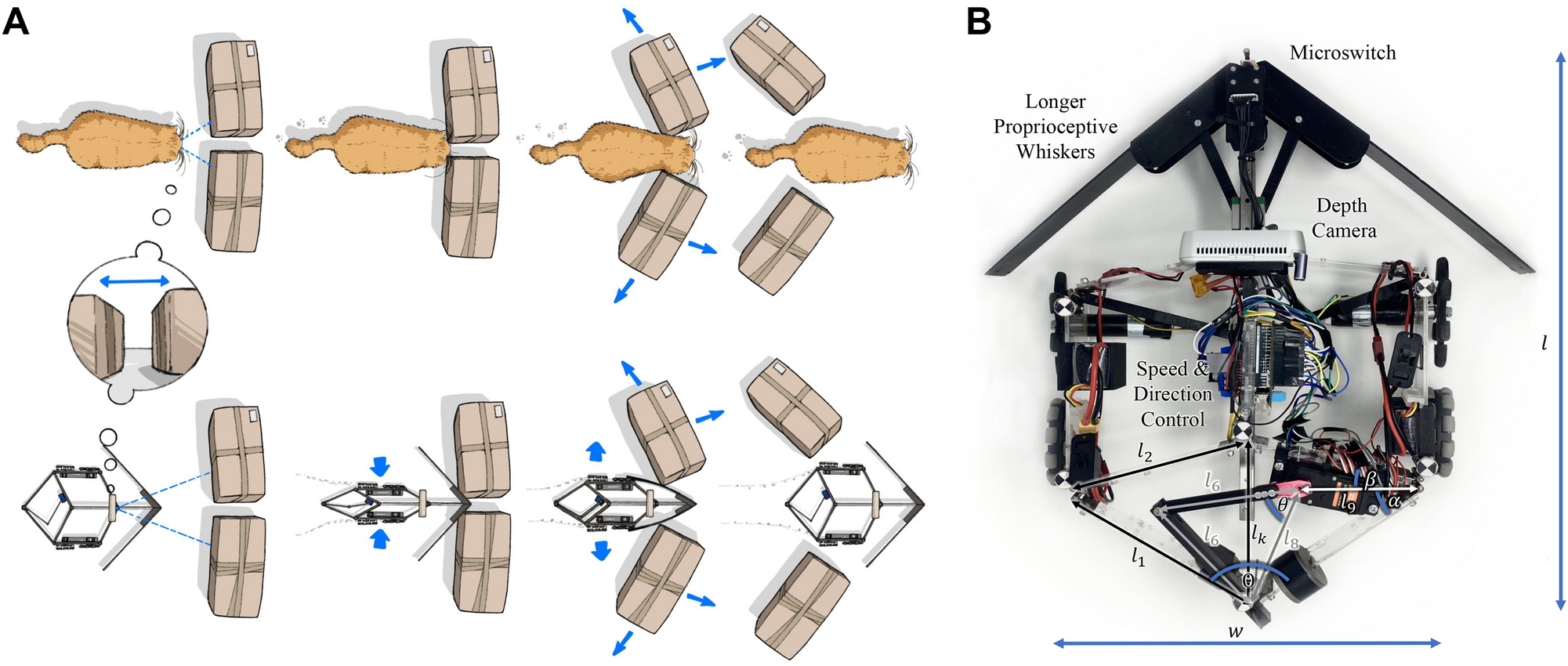
5. Human-Robot Interaction: Robots Learning Social Behavior
A robot that doesn’t run over a human co-worker may avoid a lawsuit, but a robot that can learn to interpret human intent and adapt its movement accordingly creates the next wave of productivity:
- There’s active research demonstrating methods to enhance safe navigation around humans using learning-based control systems.
- Robots are increasingly trained to respect human worker space and act predictably, reducing injuries and increasing trust.
It’s not just ‘avoid collisions’: robots are learning social navigation norms in shared environments.
6. Data and AI Training: Learning from Real Operations
“Simulation” used to be the standard way to train robotic AI, but in the last six months real operational data has eclipsed simulation as the preferred teacher:
- Training robots on real warehouse operations improves performance reliability and minimizes failures when robots meet unpredictable conditions.
- Warehouse AI models now incorporate task metadata, inventory data, sensor streams, and workflow inputs to refine decisions.
- Companies are investing heavily in real-world data ingestion pipelines, which makes learning contextual, not just theoretical.
This means robots learn warehouse fluency instead of just memorizing actions.
7. Business Impact: Efficiency, Flexibility, and ROI
The lessons robots are learning directly translate into business outcomes:
- Automated systems significantly reduce order processing times and error rates, making faster fulfillment possible.
- AI-driven robots increase throughput and resilience in peak demand periods without proportional increases in labor costs.
- By learning operational nuances, robots are helping warehouses move from rigid “pick-and-place” automation toward dynamic workforce augmentation — where robots and humans balance strengths rather than replace one another entirely.
Operators increasingly view robots as partners in productivity, not just tools.
8. Challenges and Ongoing Lessons
Despite impressive advancements, several critical lessons are still emerging:
- Generalization remains hard: robots trained for one warehouse may fail in another without rapid retraining.
- Complexity of dexterous manipulation: fully autonomous picking for all SKU types is still an open problem.
- Human acceptance and trust: integrating robots in shared workspaces still requires management of expectations and safety protocols.
These are not failures but ongoing learning curves for robotics and industry alike.
9. Forecast: What Robots Will Learn Next
Looking ahead, warehouse robots are likely to continue learning in these directions:
- Natural language interaction, enabling robots to respond to spoken instructions.
- Agentic autonomy, where robots can take initiative beyond strict instruction sets.
- Adaptive dexterity, where robots refine fine-motor tasks through continuous learning.
- Cross-warehouse transfer learning, where lessons learned in one context are directly shared in others.
The future warehouse is a learning ecosystem more than a machine lineup.