








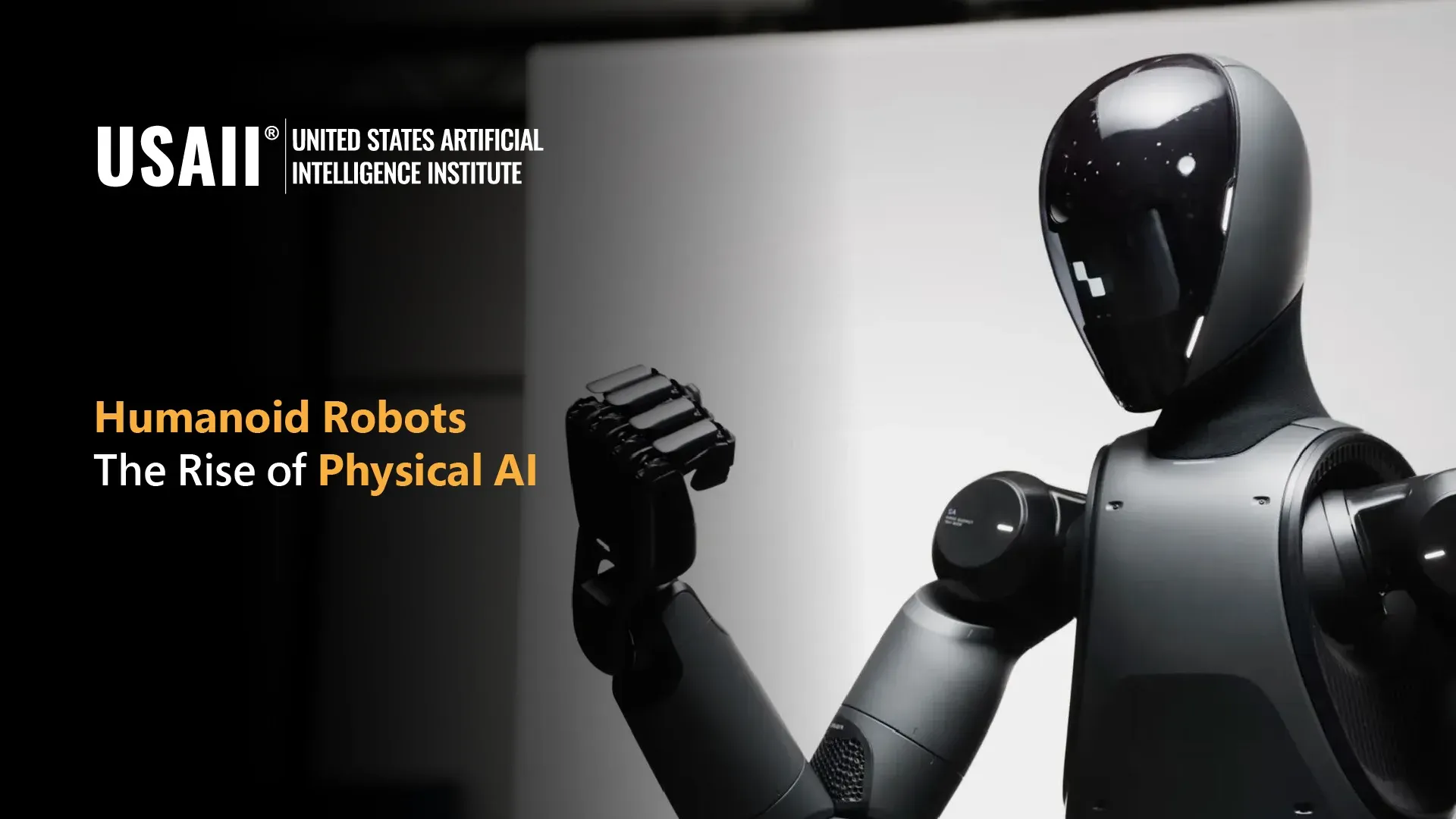

Morning: The First Robot of the Day
It is 7:00 a.m. in a quiet apartment in Singapore.
Sunlight filters through the window as Daniel wakes up to the soft sound of coffee brewing in the kitchen. The smell arrives before he even opens his eyes.
But there is no human preparing breakfast.
Instead, a humanoid robot walks calmly across the kitchen floor, holding a mug in one hand while adjusting the coffee machine with the other.
The robot moves with smooth precision. It opens cabinets, retrieves a bowl, and prepares a simple breakfast.
“Good morning, Daniel,” the robot says.
“Your meeting starts at 9:30. Traffic conditions are moderate.”
For millions of people around the world in 2040, this type of interaction has become routine.
Humanoid robots—once experimental machines confined to research laboratories—have become common in homes, workplaces, hospitals, and city infrastructure.
They are no longer seen as futuristic novelties. They are tools, assistants, and in some cases companions.
How Robots Entered Everyday Life
The global spread of humanoid robots did not happen overnight.
The early 2020s marked a turning point in robotics development. Several companies began building machines designed not just for demonstration but for practical work.
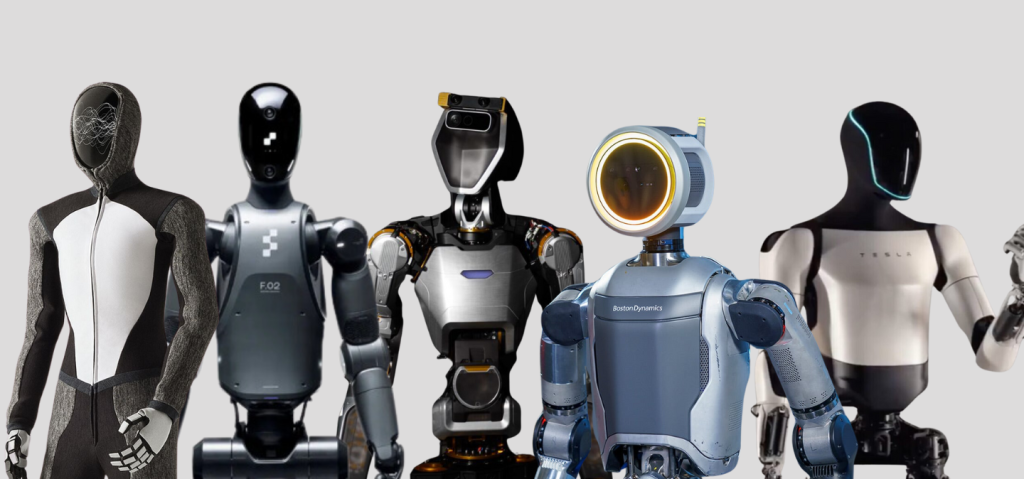
Among the most prominent was Tesla, whose robot Tesla Optimus was initially introduced as a factory assistant.
Around the same time, robotics startup Figure AI developed the humanoid platform Figure 01, focusing on warehouse and logistics tasks.
Meanwhile, advanced research robots such as Atlas from Boston Dynamics demonstrated extraordinary mobility and agility.
At first, these robots were expensive and limited in capability.
But as artificial intelligence improved and manufacturing scaled up, costs began to fall.
Within a decade, robots became affordable enough for large-scale industrial deployment.
From there, they gradually expanded into service industries and eventually into homes.
Midday: Robots at Work
At 11:00 a.m., Daniel arrives at a distribution center on the outskirts of the city.
Inside the warehouse, dozens of humanoid robots move quietly between shelves.
Some carry boxes. Others scan barcodes or organize packages for shipping.
Human workers are still present, but their roles have changed.
Instead of performing repetitive physical tasks, many now supervise robotic systems, manage logistics planning, or handle quality control.
The transformation of logistics began when companies realized that humanoid robots could operate in existing warehouses without requiring major infrastructure changes.
Because they were built with humanlike bodies—two legs, two arms, and dexterous hands—they could navigate spaces originally designed for people.
Major logistics companies quickly adopted the technology.
Robots could work around the clock, lifting heavy loads without fatigue.
Productivity increased dramatically.
At the same time, new jobs emerged.
Technicians were needed to maintain robotic systems. Software specialists trained AI models to improve robotic performance. Human supervisors coordinated large fleets of machines.
The nature of work changed, but work itself did not disappear.
Afternoon: Robots in Healthcare
Later that afternoon, Daniel visits his grandmother at a nearby medical center.
Healthcare was one of the sectors most dramatically transformed by humanoid robotics.
Hospitals once faced severe staffing shortages, especially in aging societies.
Robots gradually began assisting with routine tasks.
In the hospital corridor, a humanoid robot carries medical supplies from one room to another.
Another robot guides visitors to patient wards.
Inside a patient room, a robot gently lifts a tray and places it beside a hospital bed.
The machines are not doctors, and they do not replace nurses.
But they help with the many logistical tasks that once consumed large amounts of medical staff time.
This allows doctors and nurses to focus on patient care.
For elderly patients, robots also provide additional assistance.
Some help patients stand up or move safely between rooms.
Others monitor vital signs and alert medical staff if something unusual occurs.
In aging societies, these capabilities have become increasingly valuable.
Evening: Robots in the City
By evening, Daniel leaves the hospital and walks through a busy downtown district.
The presence of robots is visible everywhere.
At a restaurant, a humanoid robot carries trays of food to tables.
On the street, another robot cleans public sidewalks.
In a small grocery store, a robot restocks shelves while a human employee assists customers.
City governments have also adopted robotics technology.
Maintenance robots repair streetlights and inspect bridges.
Emergency response robots assist firefighters in dangerous environments.
Public transportation systems even use robots for certain maintenance tasks.
Although many of these machines resemble humans, they are rarely mistaken for them.
Their design prioritizes functionality rather than perfect imitation.
Still, their movements and interactions have become natural enough that most people barely notice them anymore.
The Economic Transformation
Behind these everyday scenes lies a major economic transformation.
The global humanoid robot industry has grown into a massive sector.
Manufacturing, software development, robotics maintenance, and AI training have created entirely new job categories.
Companies that once focused on software now design integrated systems combining artificial intelligence with physical machines.
Entire supply chains have emerged to support robotics production, including specialized batteries, sensors, and actuators.
Some economists compare the robotics revolution to the rise of the automobile industry in the early 20th century.
Cars reshaped cities, transportation systems, and global manufacturing.
Humanoid robots may have a similar impact on labor and productivity.
Social Adaptation
Despite early fears about automation, society gradually adapted to the presence of humanoid robots.
Some jobs disappeared, particularly those involving repetitive manual labor.
But new professions emerged in response to the growing robotics ecosystem.
Education systems evolved as well.
Schools began emphasizing skills that complement automation, such as problem-solving, design thinking, and technical literacy.
Human workers increasingly collaborated with robots rather than competing with them.
The transition was not without challenges.
Debates about income distribution, labor rights, and economic inequality continued for years.
However, many societies eventually developed policies aimed at balancing innovation with social stability.
The Human Question
As Daniel returns home in the evening, his robot assistant greets him at the door.
“Welcome back,” it says.
“Would you like dinner prepared?”
He pauses for a moment before answering.
The robot is efficient, reliable, and helpful.
But it is still a machine.
The rise of humanoid robots has forced society to reconsider what it means to be human.
Machines can now perform many physical tasks once thought uniquely human.
Some can even communicate in natural language and respond intelligently to instructions.
Yet they do not possess emotions, creativity, or consciousness in the same way humans do.
These differences remain fundamental.
For now, robots remain tools created by human ingenuity.
A World Shared with Machines
By 2040, humanoid robots have become a common part of everyday life.
They assist in homes, power industrial productivity, and support essential services such as healthcare and logistics.
Their presence reflects decades of technological progress.
But perhaps their greatest impact lies not in the machines themselves, but in how humans adapt to them.
Just as previous generations learned to live with automobiles, computers, and smartphones, modern society is learning to coexist with intelligent machines.
The future may not belong solely to humans or robots.
Instead, it may belong to a world where both work together.
Discussion about this post