









1. The Quietest Worker in the Ward
At 6:30 AM, the hospital begins to wake.
Nurses move between rooms.
Doctors review charts.
Patients wait.
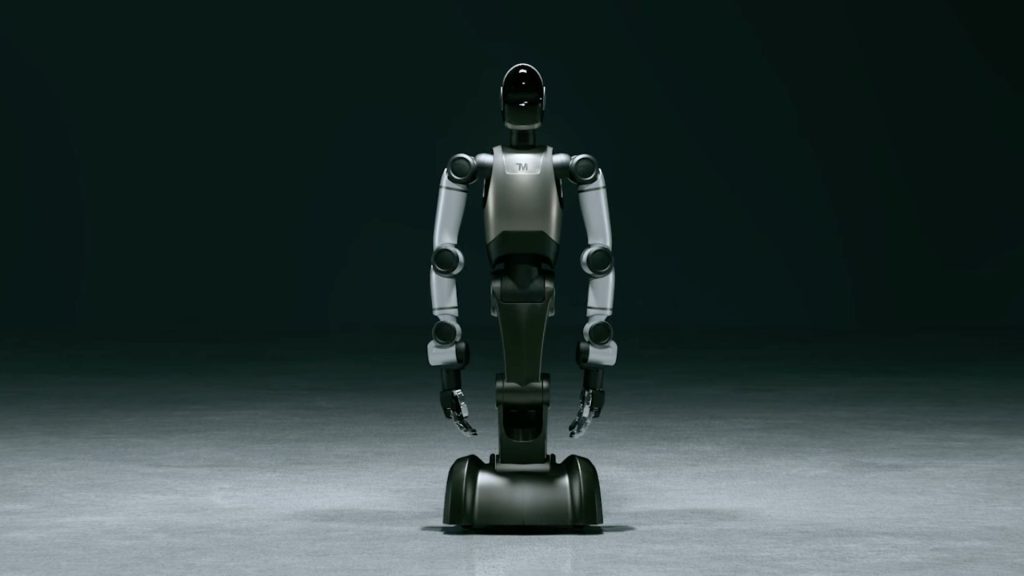
And in one corridor, a humanoid robot glides forward—steady, silent, precise.
It stops outside a patient’s room.
Turns slightly.
Enters.
No hesitation.
No distraction.
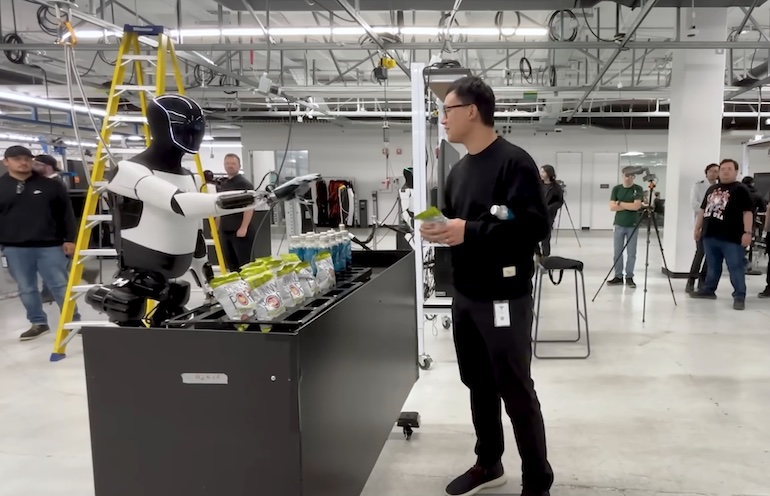
Machines inspired by platforms like Tesla Optimus and care-focused systems derived from robotics research are beginning to take on roles that were once entirely human.
Not as replacements—at least not yet.
But as participants in care.
2. Why Healthcare Needs Robots
Healthcare systems around the world are under pressure.
- Aging populations
- Staff shortages
- Rising costs
- Burnout among caregivers
Nurses, in particular, carry an immense workload:
- Lifting patients
- Delivering supplies
- Monitoring routine conditions
- Managing administrative tasks
Many of these tasks are physically demanding but not medically complex.
This creates an opening for humanoid robots.
They can:
- Transport equipment
- Assist with lifting
- Deliver medication
- Monitor basic metrics
Robots don’t replace medical expertise.
They offload physical and repetitive strain.
3. The Design of a “Care Machine”
Unlike industrial robots, healthcare robots must operate in deeply human environments.
They must be:
- Safe
- Predictable
- Non-threatening
This is why many systems are designed with:
- Smooth movements
- Neutral or friendly forms
- Controlled interaction patterns
Even robots like Digit, originally built for logistics, are being adapted conceptually for structured indoor environments like hospitals.
Because hospitals, like warehouses, are:
- Highly structured
- Process-driven
- Repetitive in many operations
But there is one crucial difference:
Patients are not packages.
4. The First Time a Patient Talks to a Robot
It often starts small.
A robot delivers medication.
A patient says, “Thank you.”
The robot responds with a programmed acknowledgment.
That moment seems trivial.
But it marks a shift.
Because interaction—even minimal—creates a sense of presence.
Patients may begin to:
- Speak more
- Ask questions
- Attribute intention
Even when they know the machine does not understand.
5. Emotional Labor: The Missing Piece
Healthcare is not just technical.
It is emotional.
- Reassurance
- Empathy
- Human connection
These are not side effects of care.
They are central to it.
Humanoid robots can simulate aspects of emotional interaction:
- Tone modulation
- Eye-level engagement
- Responsive gestures
But simulation is not experience.
A robot can mimic concern.
It cannot feel it.
This creates a tension:
Is simulated empathy enough?
For some patients—especially those who are isolated—it might be.
For others, it may feel hollow.
6. Relief for Caregivers—or Replacement?
For healthcare workers, robots can be both relief and threat.
On one hand:
- Reduced physical strain
- More time for patient interaction
- Support during staff shortages
On the other:
- Fear of gradual replacement
- Redefinition of roles
- Increased monitoring and control
The introduction of robots changes not just workload—
but identity.
What does it mean to be a caregiver if machines perform parts of care?
7. Safety and Trust
Trust is critical in healthcare.
Patients must feel safe.
Humanoid robots introduce new trust challenges:
- What happens if a system fails?
- Who is responsible for errors?
- Can patients refuse robotic care?
Even small malfunctions can have large psychological impacts.
A dropped item in a warehouse is an inconvenience.
A mistake in a hospital is something else entirely.
8. Data, Privacy, and Surveillance
Healthcare robots rely heavily on data.
They may:
- Monitor patient movement
- Track vital signs
- Record interactions
This creates opportunities for:
- Better care
- Early detection
- Continuous monitoring
But also risks:
- Privacy violations
- Data misuse
- Increased surveillance
The hospital becomes not just a place of healing—
but a space of constant observation.
9. The Ethics of Delegating Care
One of the deepest questions is also the simplest:
Should care be delegated to machines?
Not because machines are incapable.
But because care is fundamentally relational.
Delegating care raises concerns about:
- Human responsibility
- Moral obligation
- Social values
Are we improving care—
or redefining it in a way that reduces human involvement?
10. A New Kind of Healthcare System
If humanoid robots become widespread, healthcare systems may transform:
- Fewer staff per patient
- More automated processes
- Greater reliance on AI systems
This could increase efficiency.
But it could also:
- Depersonalize care
- Standardize interaction
- Reduce human contact
The risk is not technological failure.
It is loss of humanity in care.
11. Where Robots Work Best
Despite the challenges, there are clear areas where robots can excel:
- Logistics within hospitals
- Sanitation and disinfection
- Heavy lifting
- Routine monitoring
In these roles, robots can:
- Improve safety
- Increase efficiency
- Reduce burnout
The key is not replacing care—
but supporting it.
12. The Human Boundary
There may always be a boundary.
A line where humans are still needed.
Not because machines cannot perform the task—
but because the task requires:
- Presence
- Understanding
- Shared experience
Holding a patient’s hand.
Delivering difficult news.
Providing comfort in uncertainty.
These moments define care.
And they are difficult to automate.
Conclusion: Healing in a Machine Age
Humanoid robots are entering healthcare not as healers—
but as helpers.
Yet their presence forces a deeper question:
What does it mean to heal?
Is it:
- Efficiency?
- Accuracy?
- Availability?
Or is it something more?
Something human.
The future of healthcare will likely include machines.
That is almost certain.
What remains uncertain is whether, in making care more efficient—
we will also make it less human.
Discussion about this post