








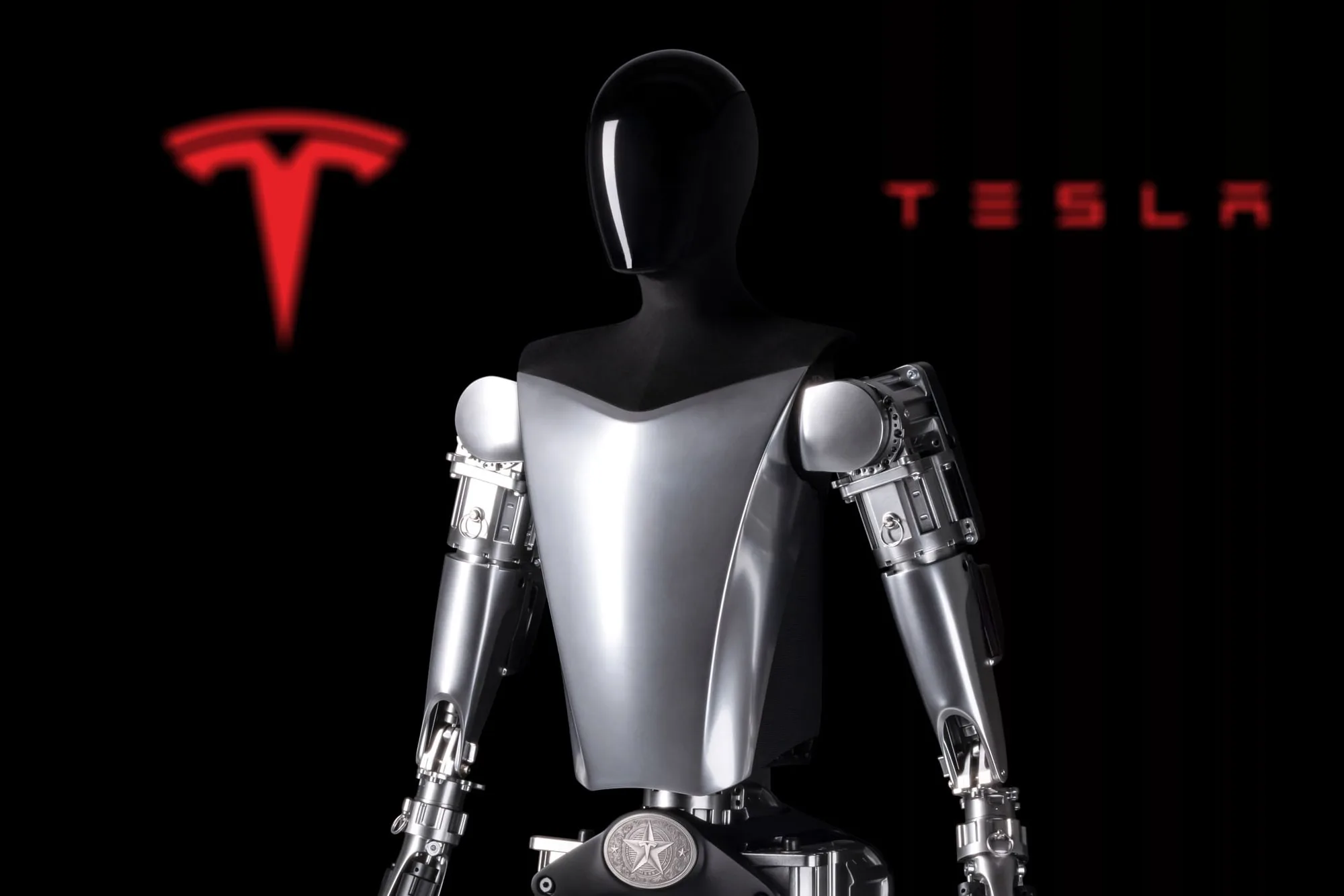

The launch of Tesla’s Optimus Gen2 robot has generated a level of excitement not seen since the dawn of robotics itself. From sci-fi fantasies to real-world innovations, the journey of robots in the workplace and home has captured the imagination of millions. Tesla’s iteration, Optimus Gen2, which promises to revolutionize industries across the board, is making waves as it transitions from prototype to practical application. But can it live up to the towering expectations set by its early hype?
In this article, we will examine what makes Optimus Gen2 stand out, explore the context in which it’s emerging, and assess whether it can live up to the predictions of a future driven by intelligent robots. We’ll dive into its design, capabilities, potential applications, and, perhaps most importantly, the obstacles it must overcome in order to meet—or exceed—the high expectations placed upon it.
The Birth of Optimus Gen2: Tesla’s Bold Vision
Tesla’s initial venture into robotics was ambitious, to say the least. The first version of Optimus, unveiled in 2021, was a concept—a large, clunky, and very rudimentary prototype that didn’t even have the ability to walk unaided. It was clear that the technology was still in its infancy, and many critics were skeptical about its long-term viability. However, Elon Musk, ever the visionary, painted an optimistic picture of a robot that could eventually outperform human workers in mundane and dangerous tasks, and even serve as a personal assistant.
Fast forward to 2026, and Tesla has unveiled the next evolution: Optimus Gen2. This new model is significantly more refined. It stands taller, moves more fluidly, and possesses far more dexterous arms. Its AI capabilities have also improved, making it more adaptable to complex environments. Yet, despite these advancements, questions remain—can Optimus Gen2 truly revolutionize the world of robotics, or will it fall short of the early hype that so often surrounds new technological frontiers?
A Leap in Hardware and Software Integration
Optimus Gen2 represents a major leap in the integration of hardware and software. In contrast to its predecessor, which struggled with balance and agility, the Gen2 model is capable of fluid movements that more closely resemble those of humans. It can walk, bend, pick up objects, and even perform tasks like sorting packages or conducting basic maintenance. But its real strength lies in the integration of Tesla’s Neural Net system, which allows the robot to learn and adapt quickly to its surroundings.
For instance, Optimus Gen2 uses an advanced version of Tesla’s AI driving software, enabling it to recognize objects, navigate dynamic environments, and even handle nuanced tasks in environments where human-like dexterity is required. Tesla has effectively bridged the gap between its expertise in automotive AI and its ambitions in robotics, which could ultimately make the difference between mere novelty and genuine utility.
Applications: The Potential to Disrupt Industries
One of the most exciting aspects of Optimus Gen2 is its potential to disrupt a wide variety of industries. From logistics to healthcare, this robot has the ability to handle both physical labor and service tasks. But where could it make the biggest impact?
1. Manufacturing and Warehousing:
Optimus Gen2’s ability to pick up objects, move around with agility, and perform repetitive tasks without tiring makes it a perfect candidate for automating labor-intensive industries like manufacturing and warehousing. Tesla envisions the robot moving seamlessly between different types of work, saving companies millions in labor costs while improving productivity.
2. Healthcare:
In hospitals and care facilities, robots like Optimus Gen2 could serve as assistants to medical staff, handling logistics, sterilizing equipment, and even assisting in patient care. Its advanced sensors allow it to monitor vital signs, administer medication, and provide companionship to patients, particularly the elderly or those with disabilities.

3. Home Assistance:
Beyond professional settings, Optimus Gen2 is designed to function as a personal assistant, helping with chores, cooking, and even serving as a companion to individuals who live alone. This vision of the robot in the home could become commonplace as society grapples with the challenges of an aging population and labor shortages in domestic roles.
4. Elderly Care:
With the world’s population aging rapidly, robots like Optimus Gen2 could become invaluable companions in elderly care. Whether assisting with mobility, fetching medication, or providing reminders for daily tasks, the integration of robotics in this space could offer a much-needed solution to the challenges of caregiving.
However, for all the potential applications of Optimus Gen2, it’s important to acknowledge that the road from prototype to market-ready robot is far from smooth. There are technical challenges, social implications, and regulatory hurdles that must be addressed if the robot is to be fully integrated into society.
Overcoming Challenges: The Road Ahead
Despite Tesla’s technological prowess, several hurdles remain for Optimus Gen2 to truly live up to its early hype. The most pressing of these challenges are technical, economic, and societal.
1. Technical Challenges: Mobility and Adaptability
Although Optimus Gen2 represents a significant improvement in mobility over its predecessor, it is still far from perfect. Its movements, while impressive, are still limited in comparison to human dexterity. Tasks that require fine motor skills—such as handling fragile objects or assembling intricate machinery—remain a challenge. Furthermore, the robot is still prone to errors when navigating dynamic environments, and its sensors can struggle to handle unpredictable situations like sudden changes in lighting or obstacles in its path.
2. Cost and Accessibility
Tesla’s ambitious vision for mass-production robots is commendable, but the reality is that the cost of developing and manufacturing a robot like Optimus Gen2 is incredibly high. While Tesla has always focused on driving down production costs, achieving price parity with human labor remains a distant goal. If robots like Optimus Gen2 are to achieve widespread adoption, costs will need to drop significantly—and that could take years, if not decades.
3. Regulatory and Ethical Considerations
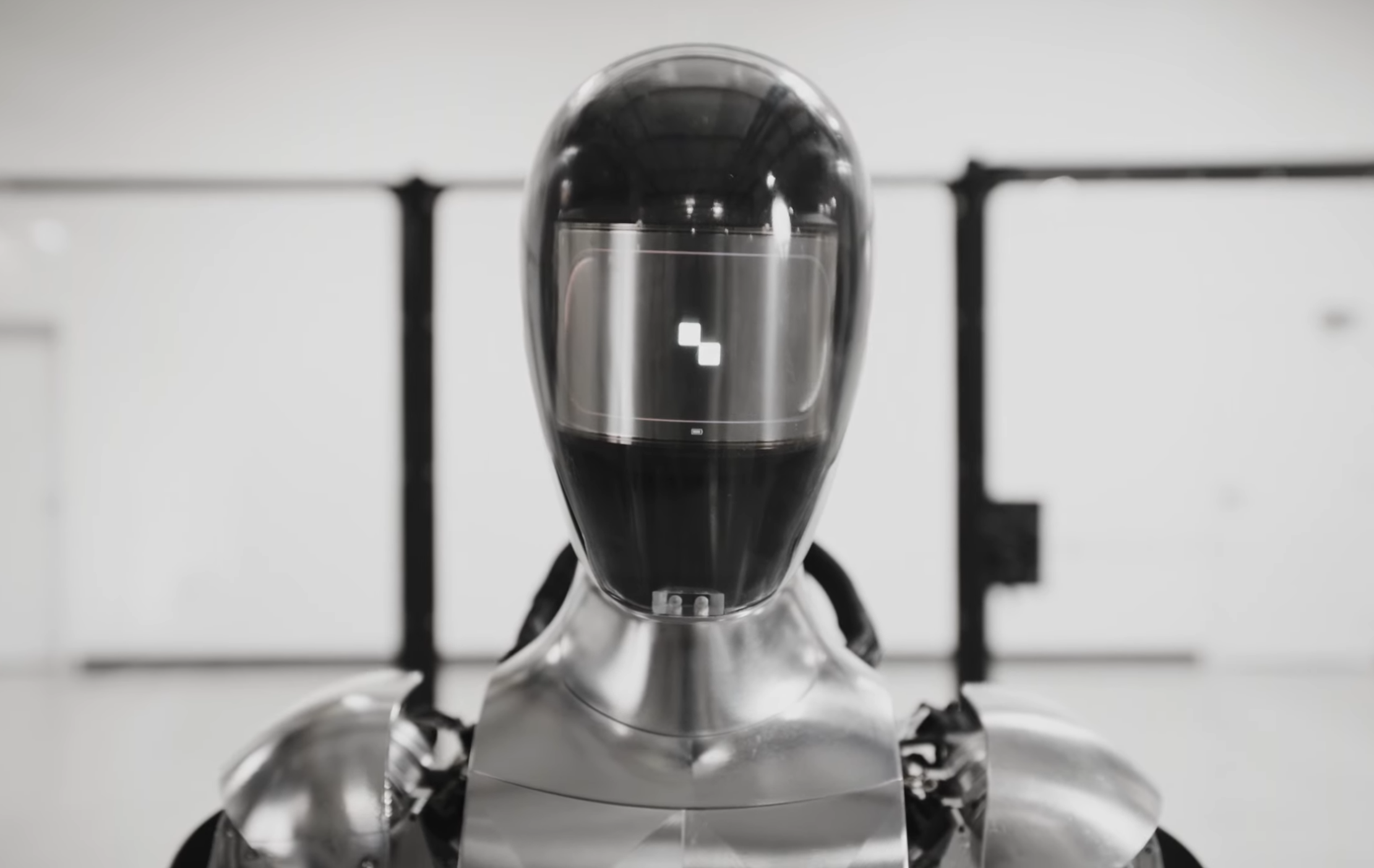
As robots become more integrated into everyday life, the question of regulation looms large. Governments and regulatory bodies will need to develop standards and frameworks to ensure that robots like Optimus Gen2 are safe to operate, particularly in sensitive environments like healthcare or the home.
Additionally, there are ethical considerations surrounding the widespread use of robots. What happens to human workers when robots take over their jobs? How can society ensure that the integration of robots into daily life doesn’t exacerbate inequality or lead to unintended social consequences?
4. Public Perception and Trust
Public trust will be another significant hurdle. As advanced as Optimus Gen2 is, there are concerns about privacy, data security, and the impact of automation on employment. Tesla’s track record in handling such issues—especially regarding its controversial self-driving cars—raises questions about how the company will handle public relations for Optimus. To succeed, Tesla must foster trust in its robot by prioritizing transparency and safety.
The Future of Robotics: A Paradigm Shift?
While Tesla’s Optimus Gen2 is an exciting step forward, the question remains: will it outpace its own early hype, or will it follow the trajectory of other hyped technologies that failed to live up to their promise?
The answer lies in its ability to evolve. Tesla’s long-term goal is to create a truly intelligent robot that can perform a vast array of tasks across industries. But this requires continuous advancements in AI, mobility, and production techniques. As AI technology improves, Optimus Gen2 may indeed fulfill its promise. But for now, it stands at the precipice of a new era—an era in which robots like Optimus Gen2 could change the way we work, live, and interact with technology.
Conclusion
Optimus Gen2 has the potential to redefine the boundaries of robotics, but it’s clear that its journey is far from complete. While its capabilities in industrial, healthcare, and domestic applications are impressive, technical, economic, and ethical hurdles must be overcome before it can become a ubiquitous part of society. With Tesla’s track record for innovation, the next few years will be crucial in determining whether Optimus Gen2 lives up to—or surpasses—the early hype that surrounded its announcement.
We are on the cusp of a robotics revolution, and whether Optimus Gen2 leads the charge or becomes just another footnote in the history of ambitious tech ventures will depend on how well it can navigate the challenges ahead.