









In recent years, something remarkable has begun unfolding on stages that once belonged exclusively to humans — robots are stepping into the limelight of holiday celebrations and gala events. Far from the sterile environments of factories and laboratories, these machines powered by artificial intelligence (AI) are joining dances, playing instruments, and even sharing the stage with human performers during world‑famous holiday shows. As we stand at the intersection of culture, technology, and tradition, a profound question arises: Will robots become part of holiday traditions like New Year’s Gala shows?
This question is more than speculative futurism. Across the globe, holiday spectacles — from televised New Year’s Galas to localized cultural festivals — are progressively embracing robotic performers and AI systems as part of their annual rituals. What was once the domain of myth and imagination is now tangible reality. Yet the implications of this shift extend far beyond novelty acts and viral video clips. The integration of robots into cultural traditions signals a deeper transformation in how societies celebrate, remember, and reinvent their heritage.
In this richly detailed examination, we’ll explore the technological foundations enabling this shift, the cultural dynamics at play, the benefits and challenges that lie ahead, and what the future might hold for robots as participants in cultural glories.
1. Extended Premiere: The Rise of Robots on Holiday Stages
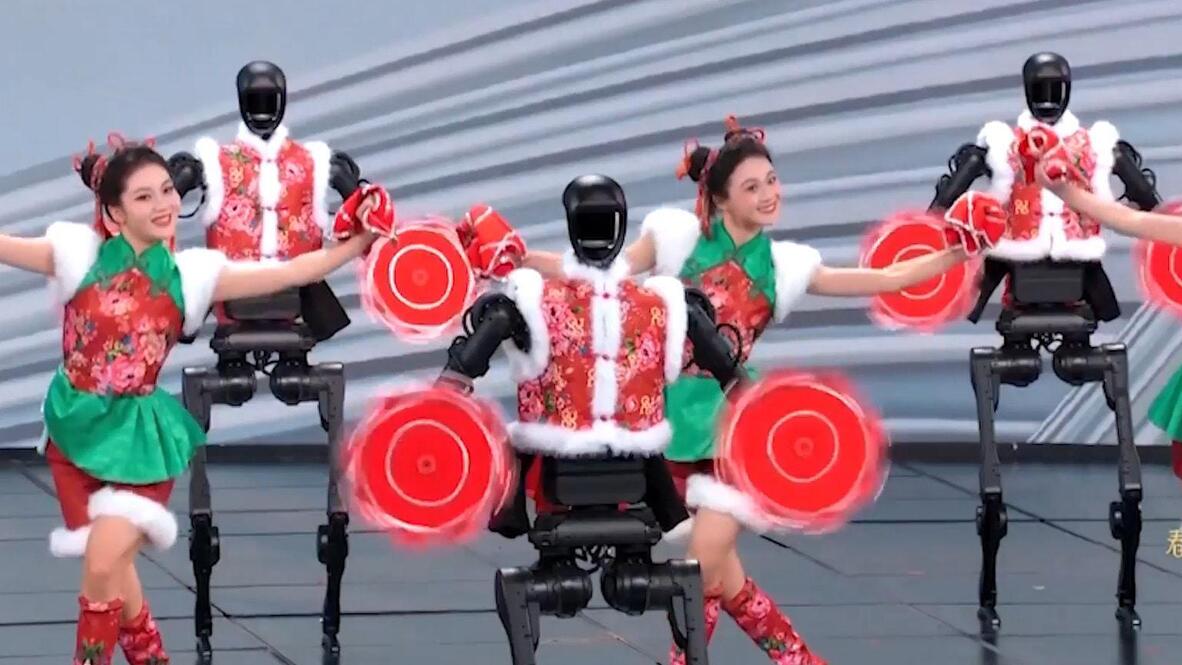
In January 2025, a fleet of humanoid robots danced at the Spring Festival Gala — one of the most‑watched television events in the world. Broadcast to an audience of over a billion viewers, these robots performed a synchronized folk dance alongside human performers. Decked out in traditional cleavages of regional costume and deftly executing Yangko steps, they captivated global attention and showcased not only precision motion but also symbolic resonance: modern machines honoring age‑old cultural practices.
This performance wasn’t an isolated gimmick. Across China’s wider holiday festivities, interactive robot dogs greeted guests, robotic performers played music at temple fairs, and digital installations combining traditional mythological elements with AI narratives were central attractions.
What makes this especially compelling is that these performances are not static displays — they are live, adaptive, and coordinated with human groups. Unlike programmed animatronics that follow pre‑recorded steps, today’s robotic performers incorporate AI, sensors, and advanced control systems to synchronize in real time. It’s a blend of art and engineering that speaks to the larger trend of technologies shaping cultural expression.
2. Behind the Spectacle: Technological Foundations
To understand how robots are able to enter the realm of tradition, it’s important to grasp the underlying technologies. Robotic performers are not merely animated puppets; they are complex systems with:
- Perception Systems: High‑resolution cameras and lidar sensors allow robots to understand their surroundings and coordinate with human partners.
- AI and Motion Algorithms: Deep learning frameworks help robots learn intricate dance movements, adapt balance control, and respond dynamically to changes in performance conditions.
- Real‑Time Control: Cloud‑based frameworks and edge computing allow robots to process spatial data and perform synchronized group choreography with split‑second accuracy.
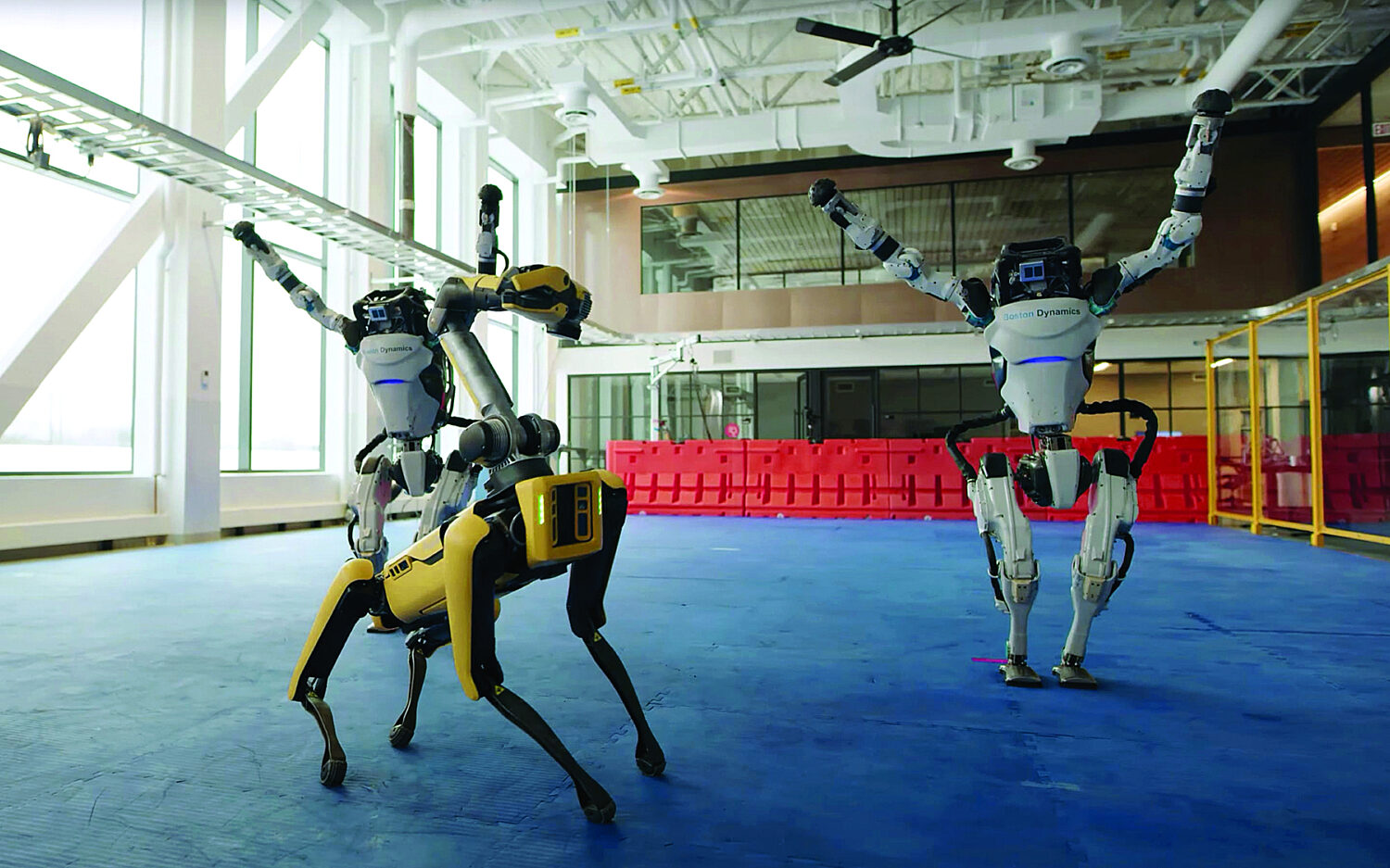
These capabilities are not limited to dance. Robots can play instruments, engage in call‑and‑response singing, and even interact with audiences in ways that feel alive and participatory. As research in robotics and AI advances, performances become more expressive and less predictable — leading to experiences that feel authentic and culturally meaningful rather than merely novel.
3. Why Holiday Traditions, Why Now?
Traditions have always evolved. Lunar New Year celebrations that once centered around firecrackers and folk arts now often include laser light shows, digital parades, and interactive exhibits. The integration of robots into these spaces reflects broader cultural and technological currents:
- Technological Enthusiasm and National Identity: Countries showcasing their technological prowess often leverage cultural spectacles to signal innovation and national strength. The inclusion of robots in televised holiday galas is part of this strategy.
- Interactive Engagement: Robots offer forms of participation that go beyond passive viewing. Children interacting with humanoid performers or robot companions enhances the festive experience in ways traditional media cannot.
- Bridging Generations: As younger generations become more engaged with tech culture, holiday traditions seek relevance by integrating elements that speak to both pop culture and heritage.
This convergence is not purely aesthetic. It reflects an ongoing redefinition of tradition itself — where ancient customs meet modern tools in service of shared enjoyment and cultural continuity.
4. Cultural Resonance and the Emotional Dimension
For many observers, seeing a robot dance a folk dance or sing with a choir can elicit both wonder and puzzlement. On one hand, robots can amplify emotional engagement, turning audience members into active participants through interactive features. On the other, robots — no matter how sophisticated — raise questions about authenticity and emotional resonance.
Humans derive deep meaning from shared cultural practices. When robots partake in these practices, it may enrich the experience, or it may risk diluting the human element. This emotional balance is a key cultural question: Can a machine ever truly embody the spirit of tradition?
Studies in human‑robot interaction reveal that robots can evoke strong emotional responses, particularly when designed to express gestures, recognize cues, and respond dynamically. The robots’ ability to complement human emotions on stage — instead of merely mimicking them — could determine how enduring their role becomes in social traditions.

5. A Global Phenomenon or Local Curiosity?
While most high‑profile examples to date have emerged in China’s Spring Festival ecosystem, the broader trend is global. Seasonal and cultural festivals around the world are experimenting with robotic installations and interactive AI art. From interactive lantern festivals with moving robots to themed holiday parades featuring robot performers, the intersection of technology and tradition is spreading.
Even in settings such as Halloween, theme parks and festival grounds are integrating AI robots as interactive attractions — from candy‑distributing companions to atmospheric performers that adapt to visitors’ reactions.
However, different societies may adopt these traditions at varying rates. The emotional, economic, and philosophical values attached to holiday rituals differ around the world. Some cultures may embrace robotic companions enthusiastically, while others might reserve such innovations for borders of performance art rather than central tradition.
6. Benefits: Enchantment, Accessibility, and Innovation
If robots do become embedded in holiday traditions, what might that bring?
- Enhanced Engagement: Robots with interactive capabilities can personalize experiences, making celebrations more memorable.
- Inclusivity: For individuals with mobility limitations or remote attendees, AI and robotic participation can create novel forms of inclusion.
- Innovation in Cultural Expression: Tradition can adapt to include emerging art forms, blending heritage with creativity.
This is not simply a replication of human behavior; it’s an expansion of what cultural performance can encompass. Robots can extend creativity and deepen participation in ways that amplify human joy and connection.
7. Challenges: Ethics, Authenticity, and Adaptation
However, significant challenges remain:
- Ethical Considerations: Using robots in cultural roles raises questions about labor, representation, and the value of human artistry.
- Cultural Integrity: Critics argue that replacing human performers with robots could cheapen traditions or distract from their historical roots.
- Public Trust and Acceptance: Audiences must perceive robots as enhancers rather than threats to cultural authenticity.
The ongoing discourse involves not just technologists and performers, but communities themselves. Decisions will shape whether robots are welcomed as collaborators — or seen as intruders into spaces of human memory and heritage.
8. What the Future Holds: A Symbiotic Tradition
Looking ahead, robots are likely to become recurring features of holiday celebrations that embrace innovation. They may not replace human performers, but rather join them in ensemble — offering new textures, interactions, and possibilities.
Imagine choreographed robot bands at New Year’s concerts, AI partners in traditional dances, or festive robot hosts guiding celebrations. Beyond spectacle, these roles may cultivate more meaningful participation, creating traditions that span human and machine collaboration.
Will robots become permanent parts of holiday traditions like New Year’s galas? The trajectory suggests yes, but not as substitutes — as companions in celebration. The essence of tradition is not stagnation, but continuity through reinvention. Robots, then, may not supplant our cultural heritage; they may be the next chapter in its living story.