










Introduction
Reinforcement Learning (RL), a subset of machine learning, is rapidly gaining traction in fields such as robotics, autonomous systems, and artificial intelligence (AI). It allows machines to learn optimal actions through trial and error, much like how animals or humans learn from experience. As RL continues to evolve, one area where it shows considerable promise is in the development of complex gaits for robots. These gaits—coordinated movements used for locomotion—are critical for robots that need to operate in unpredictable environments, from navigating rugged terrain to interacting smoothly with humans. However, the question arises: Can RL master these complex gaits without introducing human biases?
This question touches on both the technical and ethical aspects of artificial intelligence, bringing to the forefront challenges related to autonomy, decision-making, and unintended consequences. In this article, we explore whether RL can create effective and unbiased solutions for complex gaits, how the technology works, and the potential consequences of its application.
The Nature of Reinforcement Learning
Before diving into the topic of human bias in RL, it’s essential to understand how RL operates. At its core, RL involves an agent (a robot, for example) that interacts with an environment, receives feedback in the form of rewards or penalties, and adjusts its actions based on this feedback. The goal of the agent is to maximize cumulative rewards over time, which often involves learning optimal strategies for achieving specific objectives.
In the case of robots, these objectives might include walking, running, or even performing complex maneuvers like jumping or climbing. To master these movements, the RL agent must explore various possibilities, learning which actions result in favorable outcomes (i.e., maintaining balance or reaching a target location).
Complex Gaits in Robotics
In the realm of robotics, complex gaits refer to the intricate patterns of movement that enable a robot to walk, run, or traverse various surfaces efficiently and stably. These gaits are highly complex, often involving multiple limbs or actuators working in harmony, and require precise coordination to avoid falls, injuries, or damage to the robot.
Traditionally, human engineers have manually designed these gaits, tailoring them to the specific robot architecture and the environment in which the robot will operate. However, the development of RL offers a more dynamic approach. Through RL, robots can learn gaits independently by interacting with their environments and adapting their movements through feedback loops.
The Role of Human Bias in Gait Design
Human bias is an inherent part of human decision-making. It can manifest in various forms, from unconscious assumptions to cultural biases. In the context of RL, bias can affect how robots learn and behave. For example, if a robot is trained using data collected from a biased or limited sample (say, from a specific group of people or a certain type of terrain), it may develop a gait that is optimized for those specific conditions but fails when exposed to other environments.
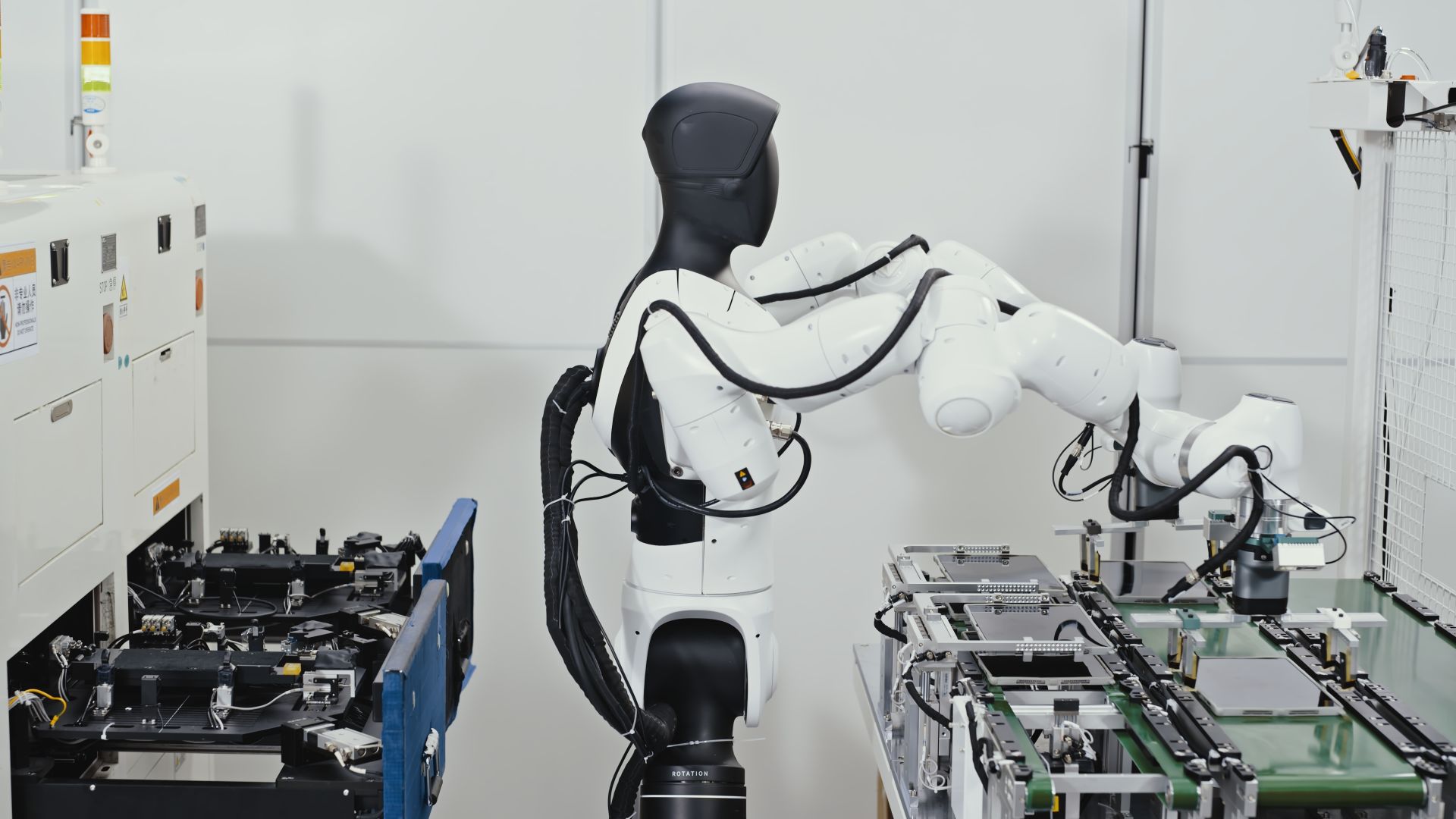
This introduces a key challenge: How can RL ensure that the gaits it produces are not limited by human biases and are adaptable to a wide variety of situations?
Overcoming Bias in Reinforcement Learning
There are several ways to address human bias in RL and encourage more generalizable solutions:
- Diverse Training Environments: One method is to train RL agents in a diverse set of environments. By introducing variability—such as different terrains, obstacles, and challenges—the RL model learns to adapt its gait to a wide range of conditions. This approach reduces the likelihood of overfitting to a specific environment and helps the robot generalize its movements.
- Fairness Metrics: Incorporating fairness metrics into the RL framework could help ensure that the agent’s learned behavior is unbiased. For instance, the agent could be penalized if its gait disproportionately favors one type of terrain or one set of movements over others. This type of constraint can guide the learning process to be more inclusive and less reliant on human preferences or limitations.
- Human-in-the-loop Approaches: While human bias is often seen as a negative influence, some argue that involving humans in the loop can help mitigate bias. By providing ongoing guidance or corrections to the RL agent, human experts can ensure that the robot’s learning process is heading in the right direction. This hybrid approach balances the autonomy of RL with the expertise of humans, reducing the risks of introducing unwanted biases.
- Cross-Domain Transfer Learning: RL agents can also benefit from cross-domain transfer learning, where the skills learned in one environment or task are transferred to another. This technique can help the agent develop a more versatile gait that is not overly reliant on the specific characteristics of the original training environment.
- Self-Supervised Learning: Another promising approach is self-supervised learning, where the agent learns from its own experiences without the need for explicit human labels. In this scenario, the robot can explore its own movements and refine its gait based on intrinsic rewards (e.g., maintaining balance or minimizing energy consumption). This reduces the potential for human-induced bias because the agent is learning directly from its interactions with the world, rather than being guided by predefined human preferences.
The Potential of RL in Mastering Gaits
Despite the challenges of bias, RL holds considerable promise for mastering complex gaits. One of its key strengths is its ability to explore and discover solutions that humans may not have considered. Unlike traditional approaches that rely on human engineers to manually program a robot’s movements, RL allows for the discovery of novel gaits that are both efficient and adaptable.
Moreover, RL can enable robots to fine-tune their movements in real time, continuously adapting their gaits based on new experiences and environmental changes. This is particularly useful in dynamic environments, where robots may need to modify their movements depending on factors such as terrain type, surface roughness, or the presence of obstacles.
Case Studies of RL in Robotic Gait Learning
Several successful examples highlight the potential of RL in mastering complex gaits:
- Boston Dynamics’ Atlas: Atlas, the humanoid robot developed by Boston Dynamics, is one of the most advanced examples of a robot that utilizes RL to learn gaits. Atlas has demonstrated impressive feats, including running, jumping, and performing acrobatic moves. Through RL, Atlas continuously refines its movements and learns to maintain balance in dynamic environments.
- ANYmal: Developed by the Robotics Systems Lab at ETH Zurich, ANYmal is a quadruped robot designed for industrial and exploration tasks. ANYmal uses RL to learn complex gaits that enable it to navigate rough terrain with stability and efficiency. The robot has been tested in various real-world environments, from industrial facilities to disaster zones, demonstrating the adaptability of RL-powered gaits.
- MIT’s Cheetah Robot: MIT’s cheetah robot uses RL to replicate the high-speed, energy-efficient running gaits of real cheetahs. By learning from its interactions with the environment, the cheetah robot has been able to achieve significant speed and agility, even adapting its gait to different types of surfaces.
Challenges and Ethical Considerations
While RL shows great promise in mastering complex gaits, there are ethical concerns that need to be addressed. One major concern is the potential for unintended consequences. As RL agents learn from their interactions with the environment, they may develop unexpected behaviors, some of which could be harmful. For instance, a robot might learn to adopt a gait that minimizes energy consumption but also increases the risk of damaging the terrain or disturbing the environment.
Another concern is the potential for reinforcing biases that may already exist in the training data. For example, if a robot is trained primarily in urban environments, it may develop gaits that are optimized for paved roads and sidewalks, making it less effective in rural or natural settings. This could limit the robot’s ability to perform in diverse environments and exclude marginalized contexts from its training process.
To mitigate these risks, it is essential to implement robust monitoring and regulatory frameworks to ensure that RL-powered robots adhere to ethical guidelines. This could involve setting constraints on the types of behaviors that robots are allowed to learn or incorporating safety mechanisms that prevent harmful actions.
The Future of RL in Robotics
As RL continues to advance, the future of robotics looks incredibly promising. The ability to create robots that can learn complex gaits without human bias opens up new possibilities for automation and human-robot collaboration. Robots that can adapt to diverse environments and perform tasks with precision and agility will be invaluable in industries ranging from healthcare to space exploration.
However, the key to fully realizing this potential lies in addressing the challenges of bias, safety, and ethical considerations. By developing RL algorithms that are fair, transparent, and capable of learning in diverse contexts, we can ensure that the next generation of robots will be both powerful and responsible.
Conclusion
Reinforcement learning holds immense potential for revolutionizing robotic locomotion by enabling the creation of complex gaits that adapt to a variety of environments. While there are challenges, particularly in the areas of human bias and unintended consequences, the potential for RL to create efficient, versatile, and autonomous gaits is undeniable. By focusing on diverse training environments, fairness metrics, and ethical considerations, we can ensure that RL-powered robots not only master complex gaits but do so in a way that benefits society as a whole.