








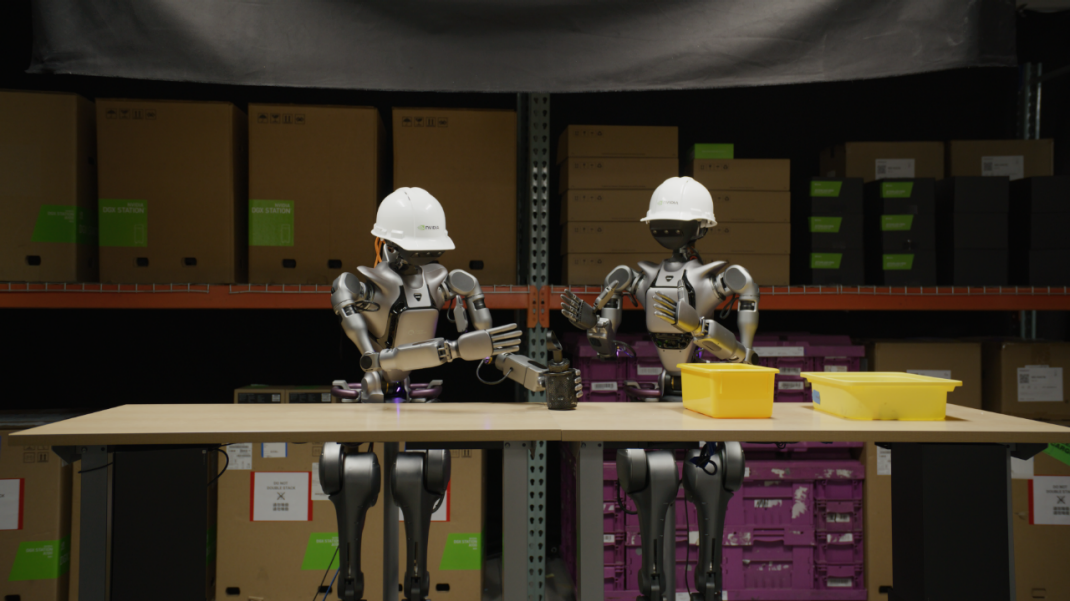

The rise of humanoid robots is reshaping industries, and many are left wondering how it will affect the workforce. As automation technologies evolve, it’s clear that robots are not only capable of performing simple, repetitive tasks but also engaging in more complex activities that were once thought to require a human touch. So, which jobs are most at risk of being overtaken by humanoid robots?
The Humanoid Robot Revolution
Humanoid robots, designed to resemble human beings in both appearance and behavior, have gained significant attention in recent years. Unlike industrial robots that are confined to specific tasks like assembly line work, humanoid robots are built to perform a wide range of tasks, including customer service, caregiving, and even complex problem-solving. These robots are becoming more intelligent, flexible, and capable, often using artificial intelligence (AI) to learn from their environment and adapt to new situations.
The goal of humanoid robots is to integrate seamlessly into human-dominated environments. But as they become more adept at tasks once reserved for people, we must ask: Which sectors and job roles are most at risk?
Jobs Most at Risk from Humanoid Robots
- Customer Service Representatives
The customer service industry, particularly call centers and retail, is one of the most likely to experience significant disruption. Humanoid robots, equipped with AI-driven conversational skills, can answer customer inquiries, process transactions, and resolve issues in real-time. These robots can be trained to provide personalized service, often with a level of efficiency and consistency that is difficult for humans to match.
Why This Job Is at Risk:
- Cost-effectiveness: Robots do not require breaks, benefits, or salaries, making them a highly cost-efficient alternative for businesses.
- AI Integration: Advanced AI allows humanoid robots to understand customer needs, handle complaints, and even engage in emotional intelligence-based conversations.
- 24/7 Availability: Robots can work around the clock, something no human worker can match without fatigue or loss of productivity.
- Healthcare Assistants
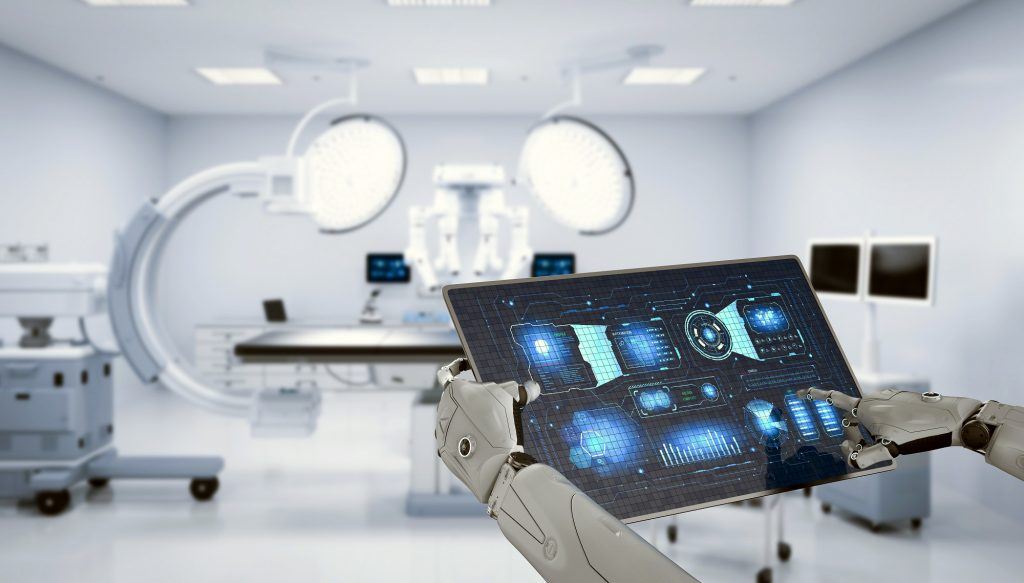
In healthcare, humanoid robots are increasingly being used to assist with repetitive tasks such as taking vital signs, delivering medication, or providing companionship to patients. Some robots are even being developed to help with surgeries or diagnostic processes.
Why This Job Is at Risk:
- Assistance in Repetitive Tasks: Healthcare assistants often perform routine, low-skill tasks, which makes them vulnerable to automation.
- Robotic Precision: Robots can assist doctors and surgeons with more accuracy, reducing human error.
- Companionship Robots: Some humanoid robots are designed to provide emotional and social interaction, which can aid patients, especially in elderly care. This can reduce the demand for human caregivers.
- Manufacturing and Assembly Line Workers
![How to Automate Customer Service Effectively [Complete Guide]](https://cdn.prod.website-files.com/637610b6e8be873142dadb34/63e23157fd3b418083af64ba_customer-service-automation.webp)
The manufacturing sector has already seen automation through industrial robots, but the introduction of humanoid robots brings even more potential. These robots can assemble products, package items, and even maintain machinery in ways that traditional robots could not.
Why This Job Is at Risk:
- Flexible Work: Humanoid robots can be adapted to perform a variety of tasks on the assembly line, making them more versatile than fixed industrial robots.
- Human-like Dexterity: With advanced sensors and mechanical design, humanoid robots are able to manipulate parts in ways that resemble human workers.
- Reduced Costs: Manufacturing companies will likely prioritize the use of humanoid robots for their lower long-term costs, reduced downtime, and ability to improve productivity.
- Retail Workers
Retail jobs, from cashiers to stock clerks, are at significant risk of being replaced by humanoid robots. These robots can process transactions, stock shelves, and even interact with customers, creating a streamlined shopping experience.
Why This Job Is at Risk:
- Checkout Automation: With the development of self-checkout kiosks and humanoid robots designed to process payments, the need for human cashiers could soon be obsolete.
- Stocking and Inventory: Robots can easily scan, organize, and replace items on shelves. They can also track inventory levels, reducing the need for human intervention.
- Customer Interaction: Some humanoid robots are equipped to greet and assist customers, guiding them through the store and answering questions about products.
- Transport and Delivery Drivers
While self-driving cars and trucks have garnered much attention, humanoid robots are now being introduced in the field of last-mile delivery. These robots can navigate sidewalks and streets, delivering packages directly to consumers’ doorsteps. Additionally, robots may take over tasks like maintenance or roadside assistance, which were once handled by human drivers or service personnel.
Why This Job Is at Risk:
- Autonomous Delivery: Humanoid robots with AI can navigate complex urban environments, making deliveries without human oversight.
- Cost-Effective Logistics: By eliminating the need for a human driver, companies can save on labor costs and increase delivery efficiency.
- 24/7 Operation: These robots can operate around the clock, ensuring timely deliveries at all hours of the day and night.
- Hospitality Workers
Humanoid robots are becoming increasingly common in hotels, restaurants, and other hospitality settings. In hotels, they can check guests in, carry luggage, and provide information. In restaurants, robots can take orders, serve food, and even cook meals.
Why This Job Is at Risk:
- Efficiency and Consistency: Robots can handle repetitive tasks, reducing human error and increasing efficiency.
- Customer Experience: Some humanoid robots are designed to engage with guests in a friendly and efficient manner, enhancing the customer experience.
- Labor Shortages: In some areas, there is a shortage of workers willing to take low-paying or physically demanding hospitality jobs. Robots provide a solution.
- Education and Teaching Assistants
While teachers are unlikely to be replaced by robots in the near future, teaching assistants and educational support staff are at risk. Humanoid robots are increasingly being used to tutor students, assist with special education, and even monitor classroom behavior.
Why This Job Is at Risk:
- Personalized Learning: AI-powered robots can assess students’ learning progress and adapt their teaching methods accordingly.
- Cost Efficiency: Schools facing budget cuts may opt to use robots instead of hiring additional staff.
- Specialized Support: Robots can provide specialized education and support to students with learning disabilities, offering a personalized experience at scale.
- Security Guards
Security is another sector where humanoid robots are gaining traction. These robots can patrol buildings, monitor surveillance footage, and even respond to emergencies. Equipped with sensors and AI, they can detect suspicious activity and alert human supervisors when necessary.
Why This Job Is at Risk:
- Autonomous Surveillance: Robots can continuously monitor large areas, ensuring there are no lapses in security.
- AI Analysis: By analyzing data from cameras and sensors, robots can detect anomalies and alert human authorities.
- Cost Savings: Security companies can reduce labor costs by replacing human guards with robots that can work nonstop.
The Ethical Dilemma
As humanoid robots continue to infiltrate various job markets, several ethical concerns arise. How should we address the displacement of workers? Should there be a guaranteed income for those whose jobs are taken over by robots? And how do we ensure that the use of robots doesn’t infringe on workers’ rights or lead to growing inequalities in society?
These are questions that need to be addressed to ensure that the rise of humanoid robots benefits society as a whole, rather than exacerbating existing social divides.
Conclusion: Preparing for the Future
The integration of humanoid robots into the workforce is inevitable, but how we navigate this transition is crucial. While many jobs are at risk, the advent of humanoid robots could also create new opportunities in sectors like robot maintenance, AI development, and human-robot interaction. Embracing this technological shift will require thoughtful regulation, continuous learning, and a focus on ethical considerations. Ultimately, the goal should be to create a future where humanoid robots augment human capabilities rather than replace them entirely.