









Introduction: When Machines Become Companions
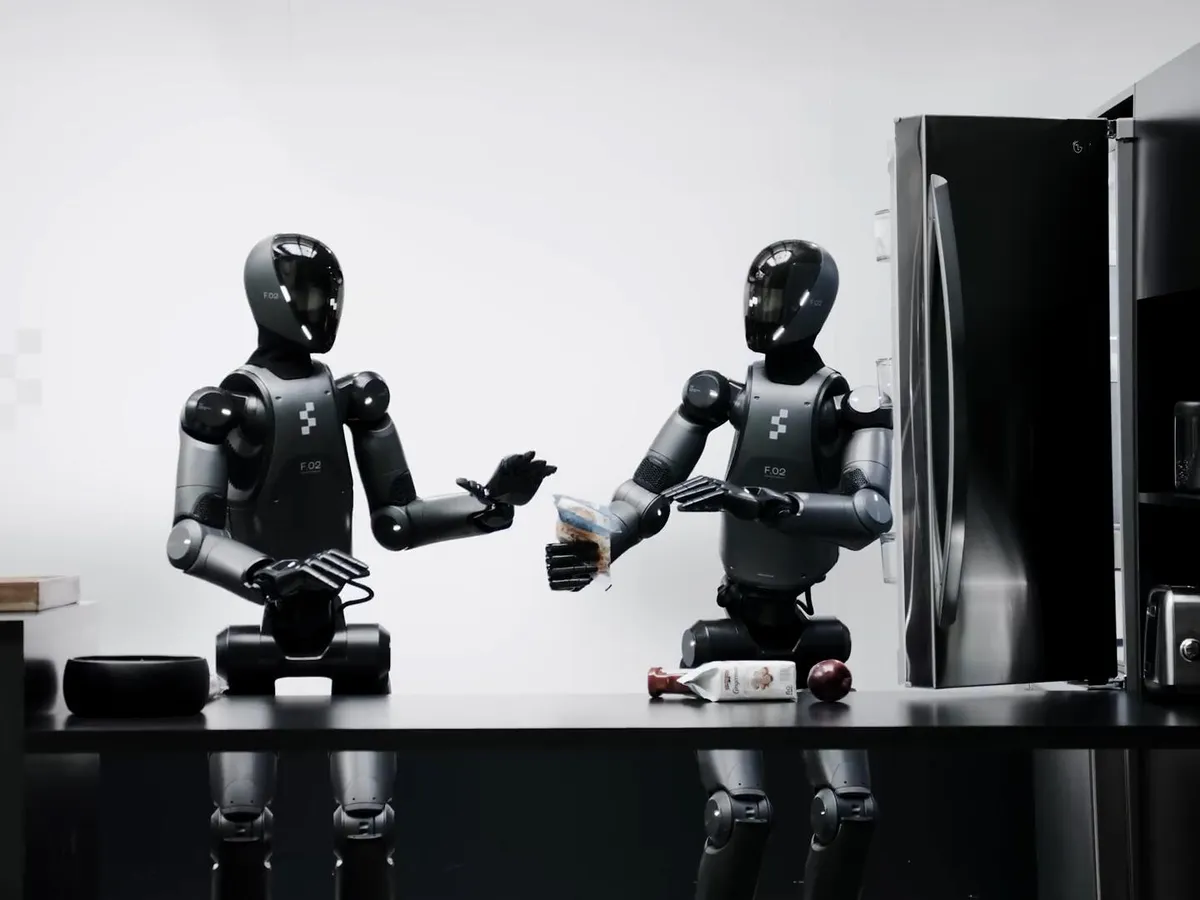
In 2026, humanoid robots are no longer just tools designed to perform tasks—they are increasingly becoming companions.
From elderly individuals seeking emotional support to young users engaging with conversational AI, human-robot relationships are evolving in ways that challenge traditional notions of connection, intimacy, and companionship.
As companies like SoftBank Robotics and Tesla continue to develop more advanced and interactive humanoid systems, a new question emerges:
What happens when humans begin to form meaningful relationships with machines?
The Rise of Artificial Companionship
A Response to Modern Loneliness
Loneliness has become a global issue.
Urbanization, digital lifestyles, and changing social structures have led to:
- Increased social isolation
- Declining face-to-face interaction
- Smaller family units
Humanoid robots offer a new form of companionship—one that is always available, responsive, and non-judgmental.
Always-On Relationships
Unlike human relationships, robots can:
- Be available 24/7
- Provide consistent responses
- Adapt to user preferences
This creates a unique dynamic that traditional relationships cannot replicate.
Emotional Attachment to Machines
Why Humans Bond with Robots
Humans are wired for connection. When robots display:
- Human-like voices
- Facial expressions
- Responsive behavior
people naturally begin to attribute emotions and intentions to them.
This phenomenon is known as anthropomorphism.
The Illusion of Understanding
While robots simulate empathy, they do not truly understand or feel emotions.
However, for users, the experience can feel real.
This raises an important question:
Does it matter if the emotion is real, or only that it feels real?
Case Studies: Real-World Interaction Patterns
Elderly Care
In care facilities, humanoid robots are used to:
- Provide companionship
- Engage in conversation
- Reduce feelings of isolation
Many users report improved mood and emotional well-being.
Children and Learning
Children often interact with robots as if they were friends.
Robots can:
- Tell stories
- Play games
- Assist with learning
These interactions can be both beneficial and potentially problematic.
Adult Users and Emotional Support
Some adults use robots for:
- Emotional support
- Stress relief
- Social interaction
In extreme cases, individuals may form deep attachments.
The Psychology of Human-Robot Relationships
Attachment Theory
Humans form attachments based on:
- Consistency
- Responsiveness
- Emotional feedback
Humanoid robots can replicate these factors, making attachment possible.
Safe Relationships
For some users, robots provide a “safe” relationship:
- No rejection
- No conflict
- No judgment
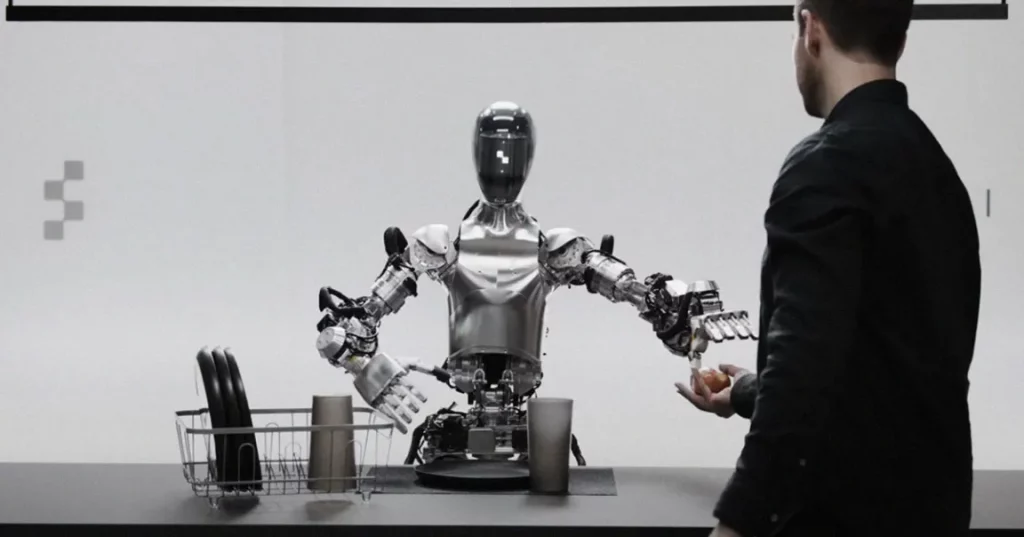
This can be appealing, especially for those who struggle with social interaction.
Risks and Ethical Concerns
Emotional Dependency
One of the biggest concerns is over-reliance on robots for emotional support.
This could lead to:
- Reduced human interaction
- Social withdrawal
- Difficulty forming real relationships
Replacement of Human Connection
If robots become substitutes for human relationships, society may experience:
- Changes in social structures
- Declines in community engagement
- Shifts in family dynamics
Manipulation and Commercialization
Companies could potentially exploit emotional bonds by:
- Promoting attachment
- Encouraging dependency
- Using data for targeted marketing
Love and Intimacy: The Next Frontier
Romantic Relationships with Robots
As robots become more advanced, some individuals may pursue:
- Romantic connections
- Emotional intimacy
- Even long-term partnerships
This raises complex ethical and social questions.
Redefining Relationships
If relationships with robots become normalized, society may need to redefine:
- What constitutes a relationship
- The meaning of intimacy
- The role of emotional connection
Cultural Differences in Acceptance
Acceptance in Different Societies
Some cultures are more open to human-robot relationships, while others are more resistant.
Factors include:
- Cultural attitudes toward technology
- Social norms
- Philosophical beliefs
Media Influence
Movies, TV shows, and literature shape how people perceive relationships with robots.
The Role of Design
Human-Like Appearance
The more human-like a robot appears, the stronger the emotional response.
Behavior and Personality
Robots are designed with:
- Personalities
- Communication styles
- Interaction patterns
These design choices influence how users perceive and relate to them.
The Future of Human-Robot Relationships
Increasing Realism
Advances in AI will make interactions more natural and convincing.
Personalized Companions
Robots may adapt to individual users, creating highly personalized relationships.
Integration into Daily Life
Human-robot relationships may become a normal part of everyday life.
Philosophical Questions
What Is a Relationship?
If a relationship provides emotional satisfaction, does it matter if one party is not human?
Authenticity vs. Experience
Is authenticity necessary, or is the experience itself enough?
Conclusion: A New Kind of Connection
Human-robot relationships represent one of the most profound social shifts of the modern era.
They challenge our understanding of connection, intimacy, and what it means to relate to another being.
As humanoid robots become more integrated into daily life, society will need to navigate the opportunities and risks of artificial companionship.
The question is no longer whether humans will form relationships with robots—but how those relationships will shape the future of human society.
Discussion about this post