









Introduction: A New Labor Revolution Begins
Throughout history, technological revolutions have reshaped the nature of work. From the steam engine to the internet, each wave of innovation has created new opportunities while simultaneously disrupting existing industries.
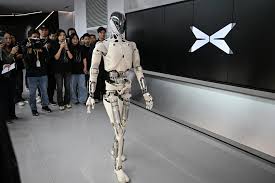
In 2026, humanoid robots represent the next major turning point.
Unlike previous forms of automation, which primarily affected repetitive industrial tasks, humanoid robots are designed to operate in environments built for humans. This allows them to enter sectors that were previously resistant to automation, including retail, healthcare, logistics, and even service roles requiring interpersonal interaction.
Companies like Tesla and Amazon are actively exploring humanoid robotics as part of their long-term strategies, signaling a potential shift in global labor markets.
The implications are profound—and deeply complex.
The Expansion of Automation into Human Domains
From Machines to General Workers
Traditional automation relied on specialized machines designed for specific tasks. Humanoid robots, by contrast, aim to be general-purpose workers capable of performing multiple roles.
This transition significantly expands the scope of automation.
Jobs that involve:
- Physical labor
- Routine interaction
- Structured decision-making
are increasingly within reach of robotic systems.
The Blurring Line Between Blue-Collar and White-Collar Work
One of the most striking aspects of humanoid robotics is its potential to affect both blue-collar and certain white-collar roles.
While factory workers and warehouse employees are often highlighted, roles such as:
- Customer service agents
- Receptionists
- Basic administrative staff
may also be impacted.
This broad reach challenges traditional assumptions about which jobs are “safe” from automation.
Job Displacement: Myth vs. Reality
Immediate vs. Long-Term Impact
The fear of job loss is one of the most prominent concerns surrounding humanoid robots.
In the short term, adoption is likely to be gradual, limited by:
- High costs
- Technical constraints
- Integration challenges
However, in the long term, widespread deployment could lead to significant displacement in certain sectors.
Historical Lessons
Past technological revolutions suggest that while jobs are lost, new ones are also created.
However, the transition is often uneven, leading to:
- Temporary unemployment
- Skill mismatches
- Regional disparities
Humanoid robots may accelerate this cycle.
The Risk of Widening Inequality
Capital vs. Labor
One of the central concerns is the shift in power from labor to capital.
Companies that own and deploy humanoid robots could gain disproportionate advantages, while workers may face reduced bargaining power.
The Digital Divide
Access to education and training will play a critical role in determining who benefits from this transition.
Those with skills in:
- AI
- Robotics
- Data analysis
are likely to thrive, while others may struggle to adapt.
Global Inequality
Different countries may experience the impact differently.
- Developed economies may adopt robots faster
- Developing economies may face job displacement without equivalent opportunities
The Rise of New Job Categories
Human-Robot Collaboration Roles
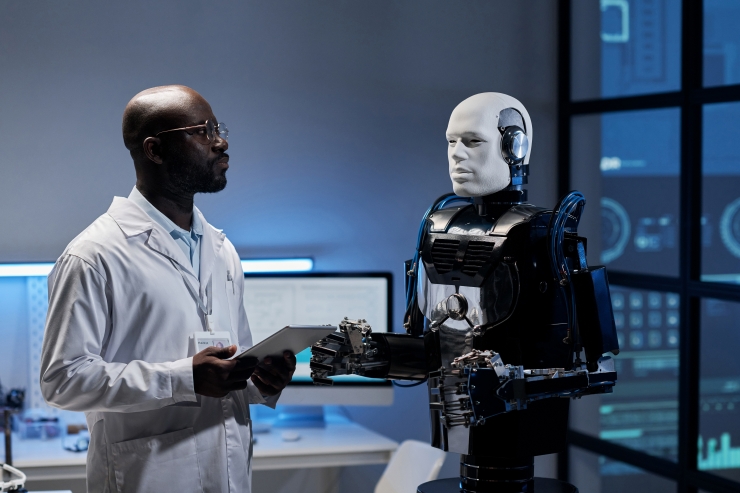
Rather than replacing humans entirely, humanoid robots may create new roles such as:
- Robot supervisors
- Maintenance technicians
- AI trainers
Creative and Strategic Work
As routine tasks are automated, human work may shift toward:
- Creativity
- Strategy
- Emotional intelligence
Psychological Impact on Workers
Identity and Purpose
Work is not just a source of income—it is a source of identity.
The displacement of traditional roles may lead to:
- Loss of purpose
- Reduced self-esteem
- Social disruption
Adaptation and Resilience
Workers will need to adapt to new roles and expectations, which may require:
- Continuous learning
- Flexibility
- Psychological resilience
Policy and Government Responses
Education and Reskilling
Governments must invest in:
- Training programs
- Lifelong learning initiatives
- Workforce transition support
Social Safety Nets
Policies such as:
- Unemployment benefits
- Universal basic income (UBI)
- Job guarantees
are being discussed as potential solutions.
Regulation of Automation
Governments may regulate the pace and scope of automation to mitigate negative impacts.
Corporate Responsibility
Ethical Deployment
Companies must consider the social impact of deploying humanoid robots.
Inclusive Innovation
Ensuring that the benefits of technology are shared broadly.
The Role of Society
Public Perception
Public attitudes toward humanoid robots will influence adoption.
Cultural Differences
Different societies may respond differently to automation.
Looking Ahead: A Managed Transition?
The future of work in the age of humanoid robots will depend on how well societies manage the transition.
Key factors include:
- Policy decisions
- Technological development
- Social adaptation
Conclusion: A Turning Point for Humanity
Humanoid robots represent more than a technological innovation—they are a catalyst for profound social change.
The challenge is not simply to develop these technologies, but to ensure that their benefits are shared and their risks are managed.
The future of work is being rewritten, and the choices made today will determine whether that future is inclusive—or deeply unequal.