








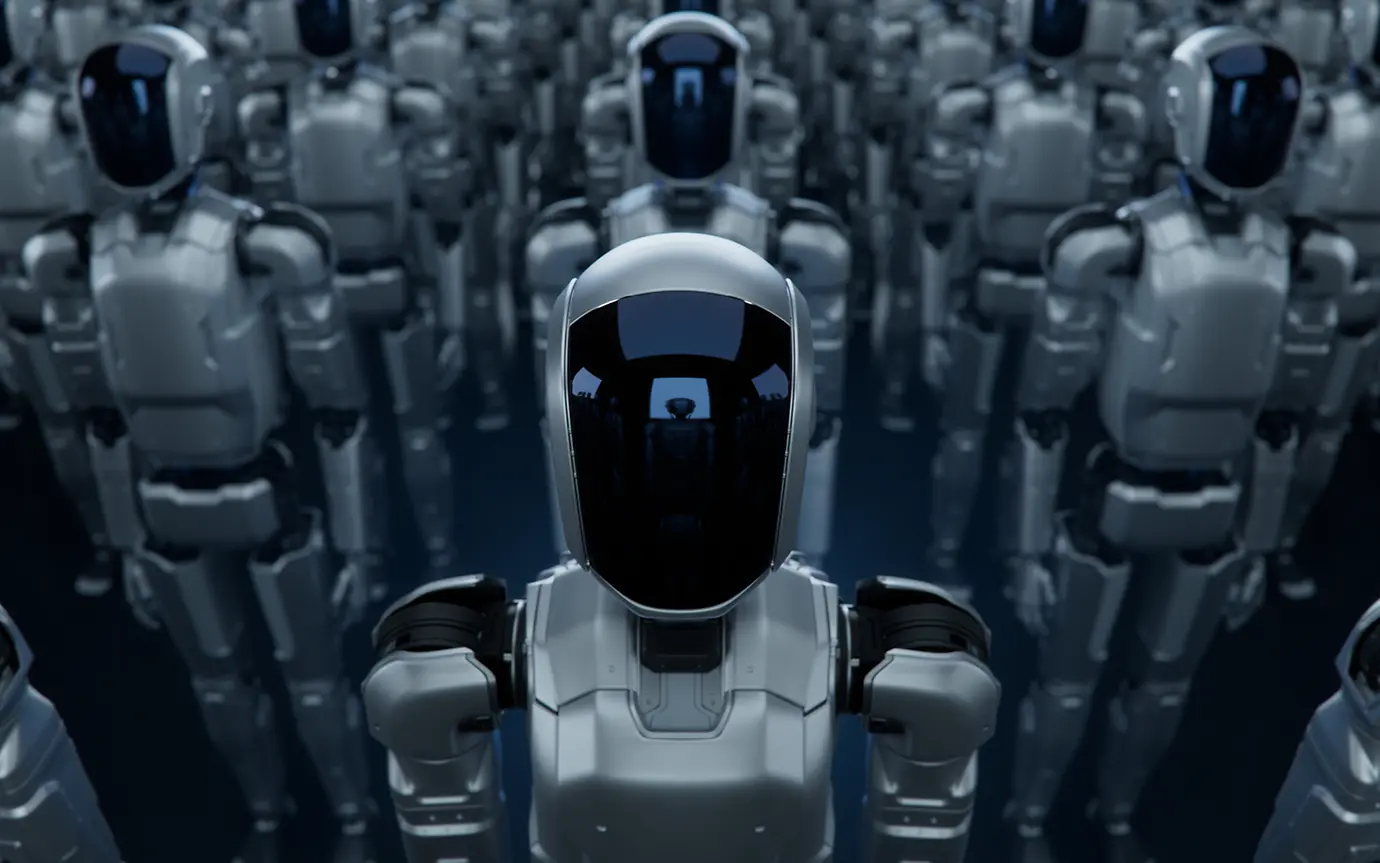

Introduction: Technology Is Universal, Acceptance Is Not
Humanoid robots may be built on universal technologies—AI, sensors, and mechanical systems—but their acceptance is anything but universal.
In 2026, while some countries are rapidly integrating humanoid robots into daily life, others remain cautious or even resistant. The difference is not technological capability, but cultural perception.
Why do some societies welcome robots as companions and helpers, while others view them with suspicion or discomfort?
Understanding this divide is essential—not just for businesses and policymakers, but for anyone trying to predict how humanoid robots will shape the future.
The Concept of Social Acceptance
Beyond Functionality
A humanoid robot may be technically advanced, but that does not guarantee acceptance.
Social acceptance depends on:
- Trust
- Cultural beliefs
- Social norms
- Perceived usefulness
The Role of Emotion
Humanoid robots evoke emotional responses in ways that traditional machines do not.
These responses can range from:
- Fascination
- Curiosity
- Comfort
- Fear
Regional Differences in Acceptance
East Asia: High Acceptance and Integration
Countries like Japan, South Korea, and China tend to show higher acceptance of humanoid robots.
Factors include:
- Cultural familiarity with robots in media
- Positive narratives around technology
- Aging populations driving demand
Companies like SoftBank Robotics have successfully deployed robots in public and commercial settings.
Western Countries: Cautious Optimism
In the United States and Europe, acceptance is more mixed.
While there is enthusiasm for innovation, concerns include:
- Job displacement
- Privacy
- Ethical implications
Companies such as Tesla are shaping public perception through high-profile projects.
Developing Regions: Practical Considerations
In many developing regions, acceptance depends on:
- Cost
- Accessibility
- Immediate utility
Robots are more likely to be accepted if they address real needs.
Cultural Influences on Perception
Media and Storytelling
Films, TV, and literature play a major role in shaping attitudes.
Positive portrayals can increase acceptance, while dystopian narratives can create fear.
Philosophical and Religious Beliefs
Beliefs about:
- Consciousness
- The nature of life
- Human uniqueness
influence how societies perceive humanoid robots.
Historical Relationship with Technology
Societies with a history of embracing technology may adopt robots more readily.
The Role of Design in Acceptance
Appearance
The design of humanoid robots significantly affects acceptance.
- Too mechanical → less relatable
- Too human-like → may trigger discomfort
This is often referred to as the “uncanny valley.”
Behavior
Natural movement and interaction increase comfort and trust.
Voice and Personality
Robots designed with relatable personalities are more likely to be accepted.
Trust as the Foundation
Reliability
Users must trust that robots will function correctly.
Safety
Concerns about physical and psychological safety must be addressed.
Transparency
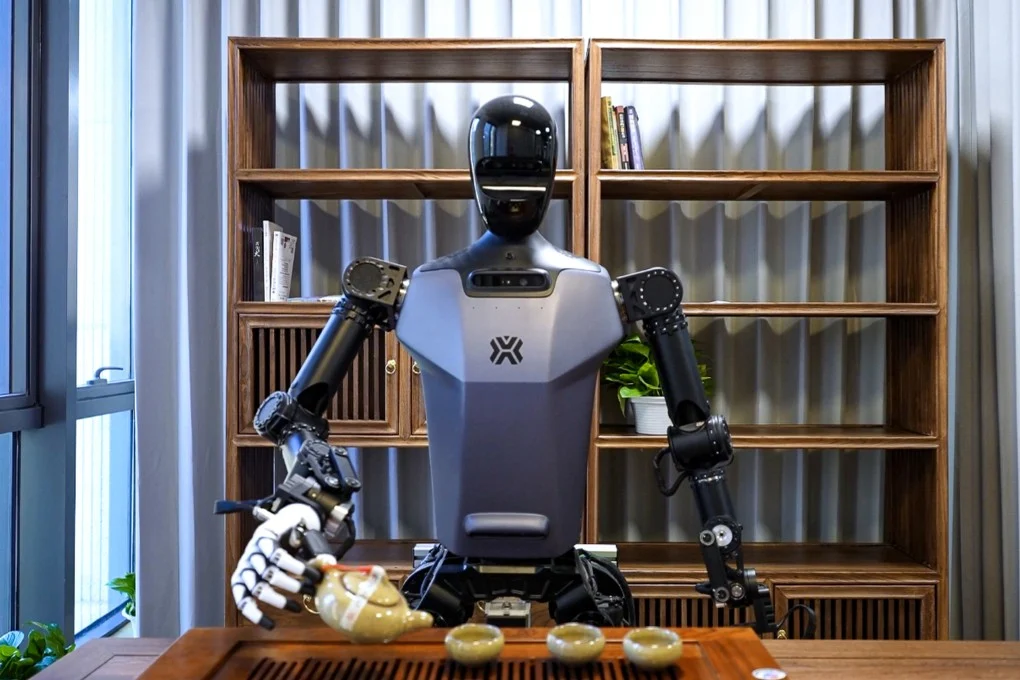
Understanding how robots work builds trust.
Barriers to Acceptance
Fear of Job Loss
Economic concerns can reduce acceptance.
Privacy Concerns
Fear of surveillance and data misuse plays a major role.
Ethical Uncertainty
Unclear boundaries around robot behavior and rights create hesitation.
Generational Differences
Younger Generations
More likely to accept and adapt to new technologies.
Older Generations
May be more cautious but also more in need of robotic assistance.
The Role of Government and Policy
Regulation
Clear rules can increase public confidence.
Public Education
Educating people about robots can reduce fear and misunderstanding.
Incentives for Adoption
Governments may promote robotics in certain sectors.
Social Integration Pathways
Gradual Exposure
Acceptance often increases with familiarity.
Use-Case Driven Adoption
Robots that solve real problems are more readily accepted.
Human-Robot Collaboration
Working alongside robots can normalize their presence.
The Future of Social Acceptance
From Novelty to Normality
Humanoid robots may transition from novelty to everyday tools.
Cultural Convergence
Globalization may lead to more uniform attitudes toward robots.
Persistent Differences
Cultural diversity will likely continue to shape acceptance patterns.
A Turning Point in Human History
The integration of humanoid robots into society represents more than a technological shift—it is a cultural transformation.
Different societies will navigate this transition in different ways, influenced by their values, beliefs, and experiences.
Conclusion: The Future Will Be Decided by People, Not Machines
Humanoid robots may be engineered in laboratories, but their success will be determined in living rooms, workplaces, and communities around the world.
Acceptance is not just about what robots can do—it is about how humans feel about them.
In the end, the future of humanoid robots will not be decided by algorithms or hardware, but by culture, trust, and society itself.